Dharavi Weekly 03 - The Food Issue
Authors
Authors


Dharavi Weekly 03 - The Food Issue
Authors
Authors
Related articles
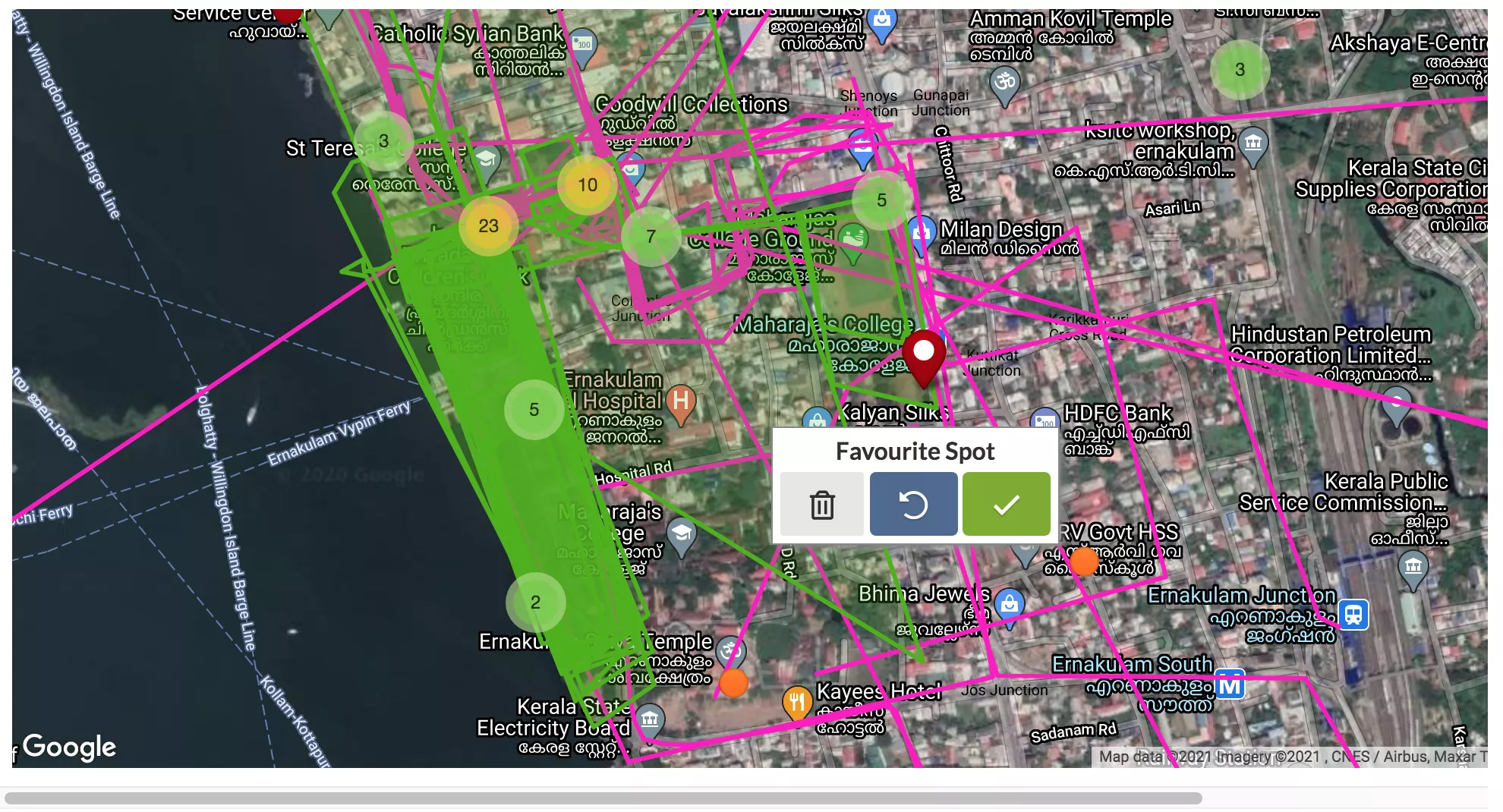
The urban design competition EnteKochi 2020 focused on integrating a participatory approach within the planning process for the city of Kochi. The competition was planned for, announced and conducted during the pandemic induced nation wide lockdown. This article provides a glimpse of the process.


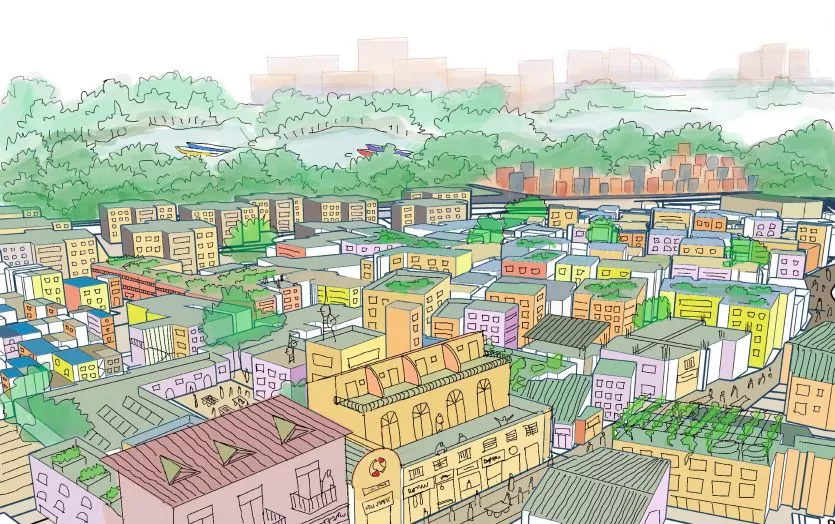
This article presents the Koliwada in Dharavi through the evolution of its built and natural environment, tracing the Koli's fight for their land, how the community is leading the development of their neighbourhood and our role in it.


urbz animated a session with filmmakers that foregrounded the idea of locality in storytelling, specifically in the making of fiction films.
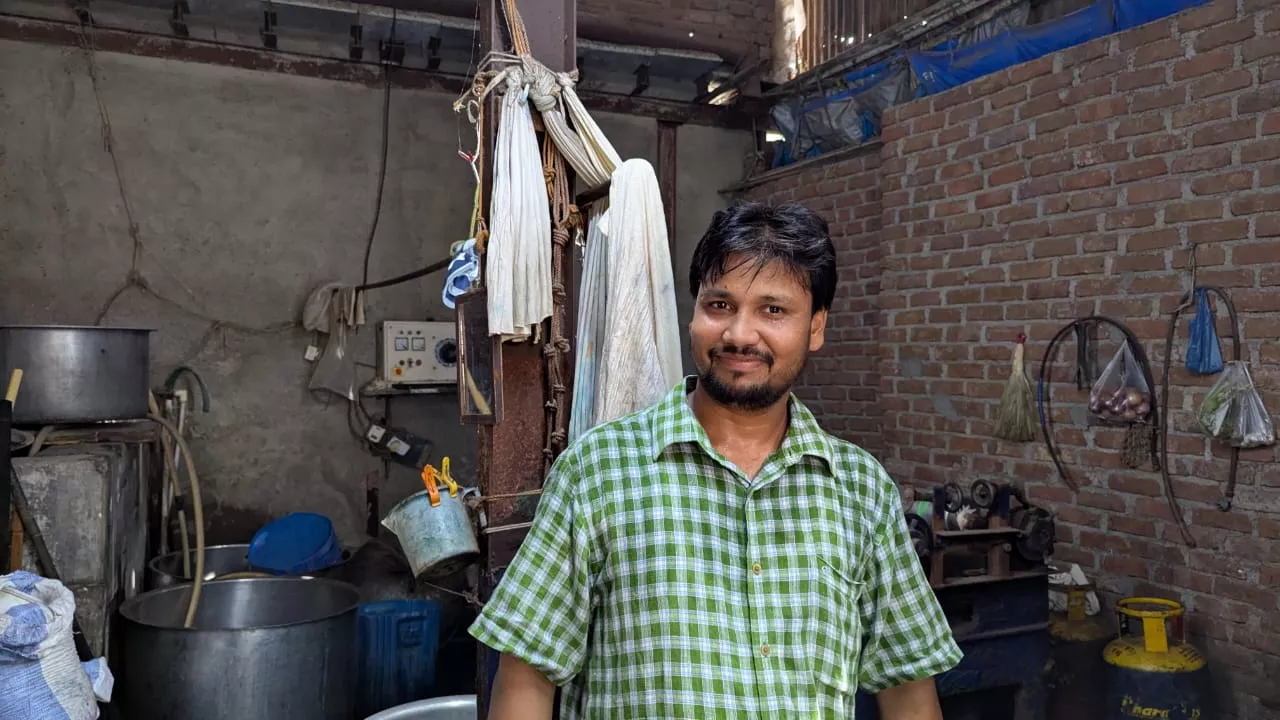
Shahid Sheikh’s dyeing unit in Dharavi may be small, but it’s full of colour, care, and quiet skill. His story is one of patience, pride, and the kind of work that speaks for itself.



An old building in Dharavi Koliwada stands at the threshold of change. Through conversations with the residents of Jantu Bai Niwas, this story explores the hopes, concerns, and everyday realities shaping the future of a community in transition.

It is commonplace in Brazil that ‘favelas’ are a pervasive part of the urban landscape. Recently however, alternative, bottom-up models have emerged that slowly change this scenario.
Ahmedabad in the race of developing cities of India where inspite large availability of land the property prices are shooting up.
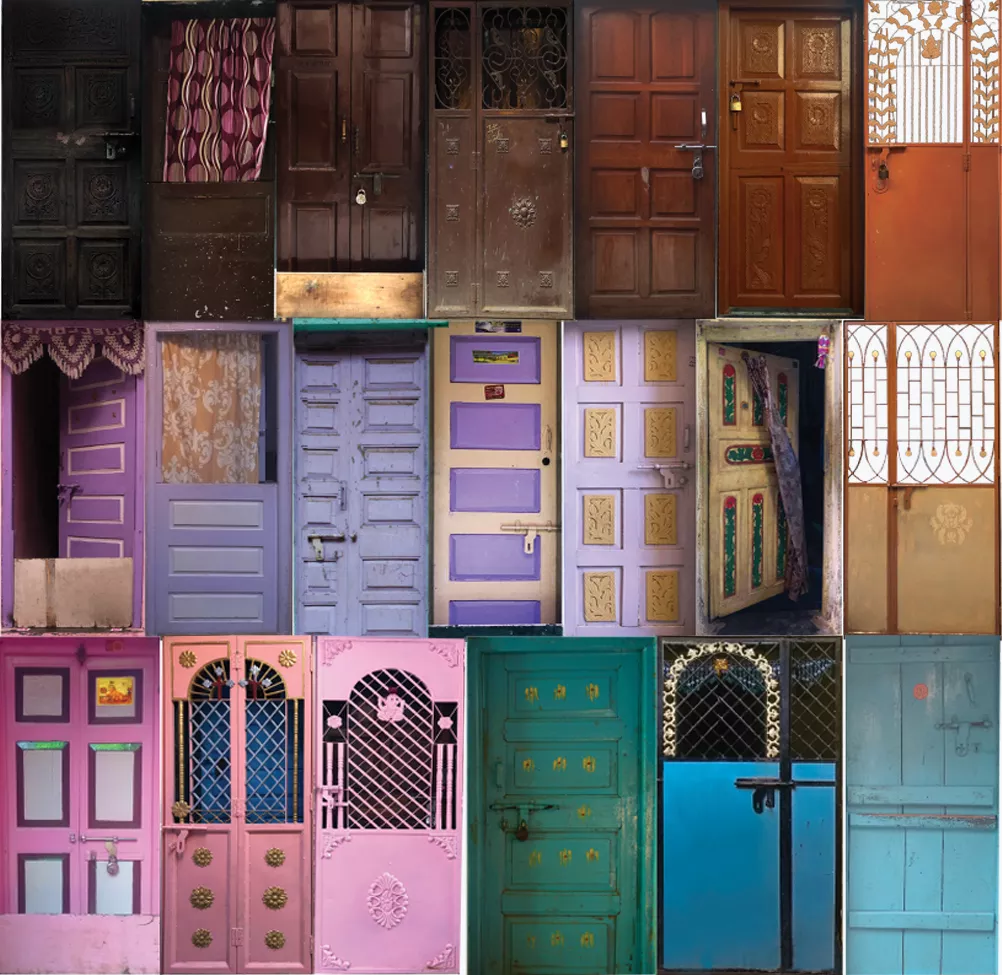



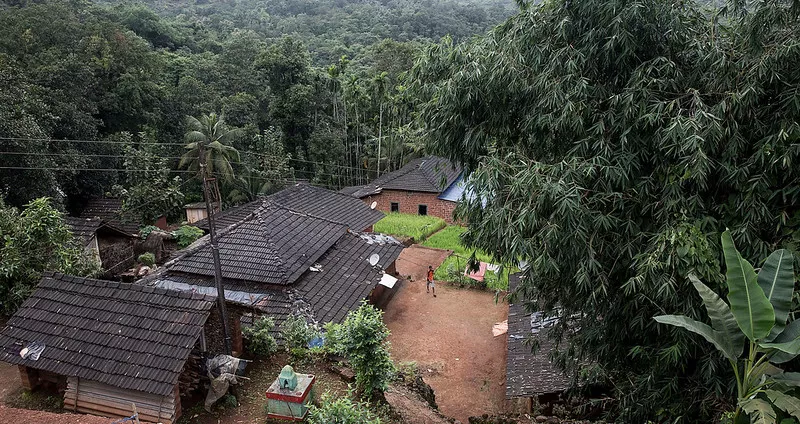
Based on a multi-year research with the Mobile Lives Forum on the linkages between Mumbai and Konkan villages this essay, first published in the magazine FuturArc, describes an Indian model of urbanization.
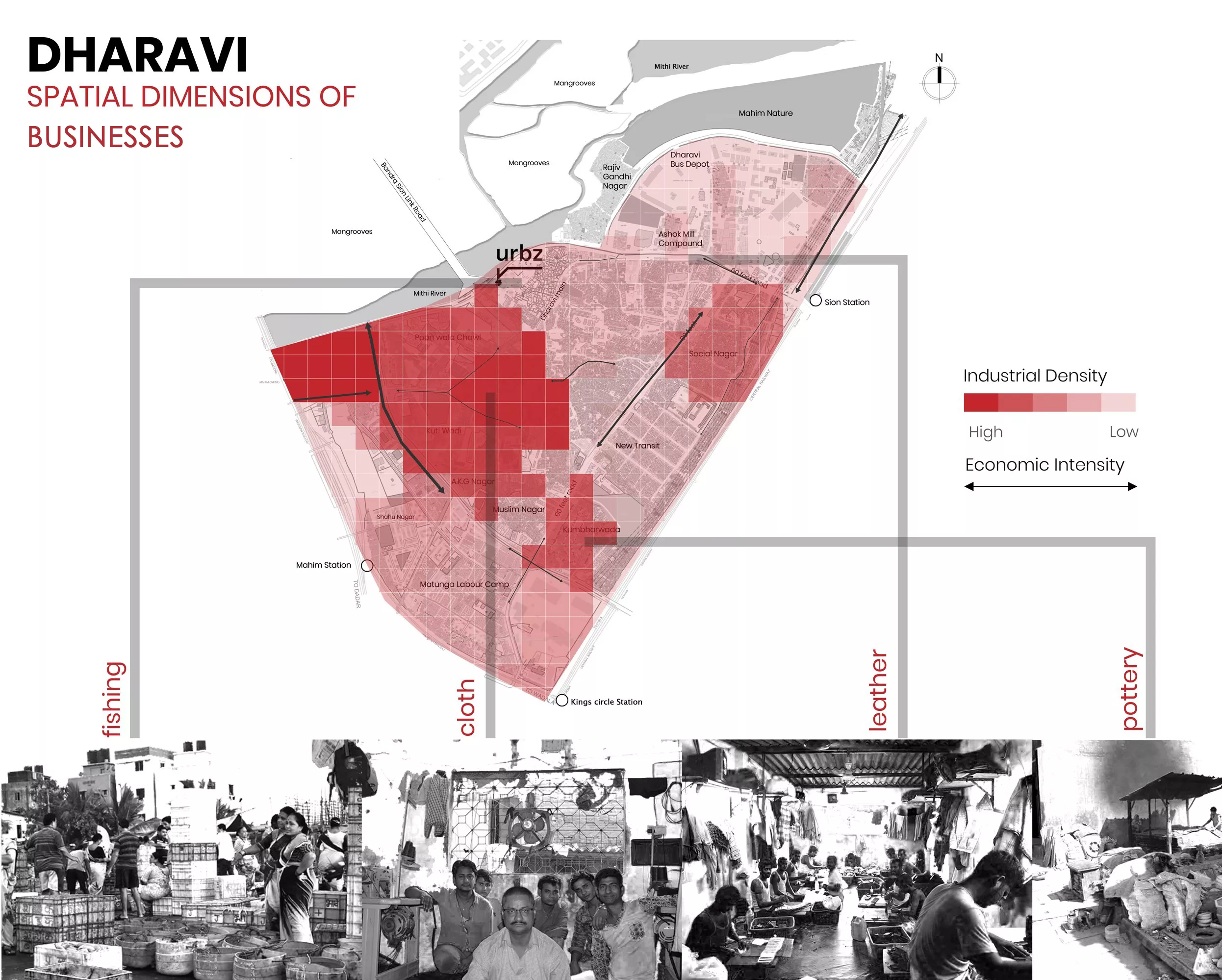
Dharavi is a prime real estate location due to its closeness to public transport systems, business districts, as well as ecological hotspots. The proximity of living quarters to where individuals work, often from within households, brings both benefits and challenges to households and businesses.