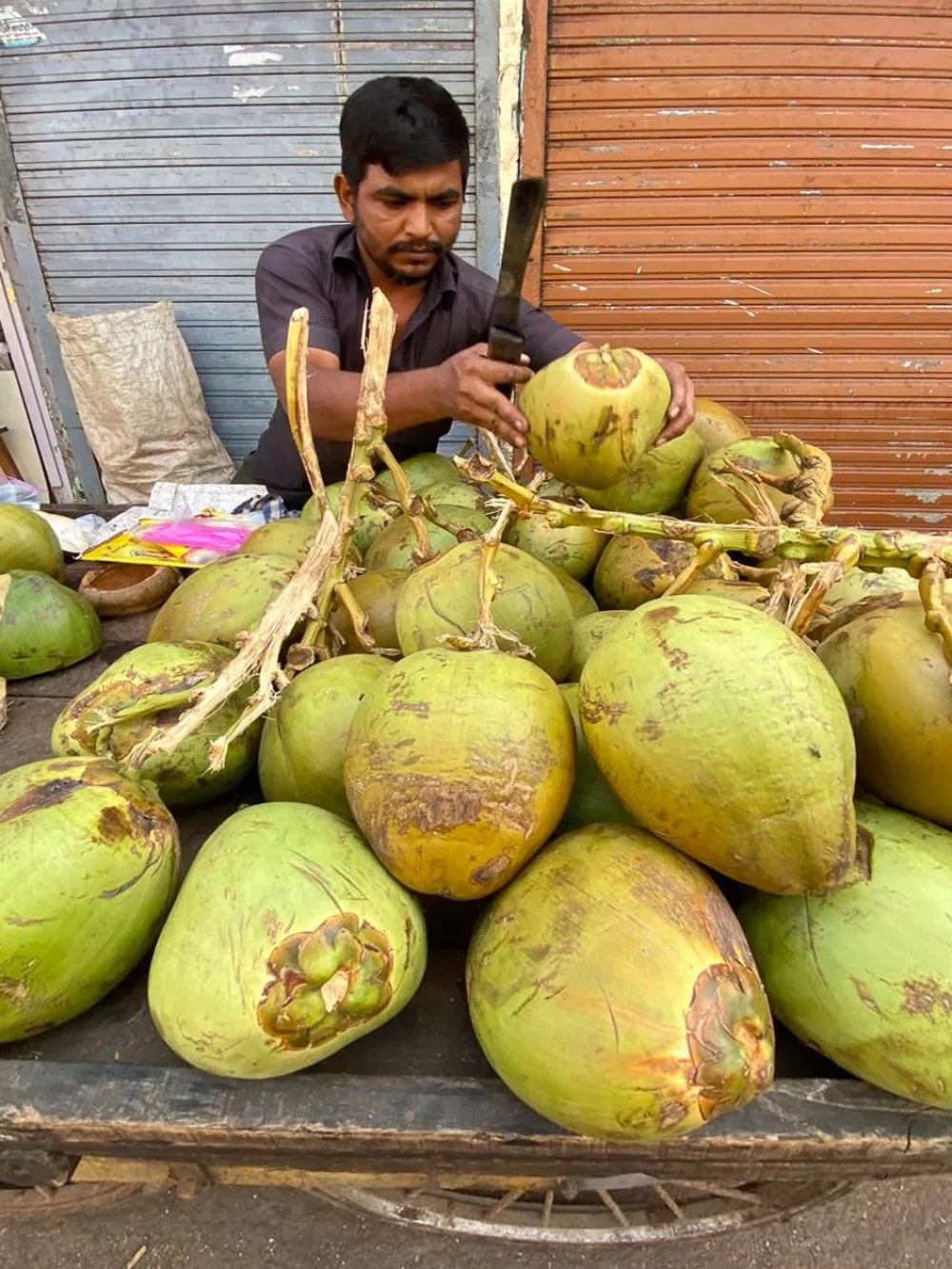
As the title suggests, Life Got Better with Coconuts for Kausar Shaikh. He came to Mumbai 15 years ago, leaving his family farm in Jharkhand, because he was not keen on agriculture and was seeking a different path. Seeing other migrants from his region successfully start small businesses gave him the confidence to leave years of unstable work in Mumbai behind and become a thriving coconut vendor in Dharavi.
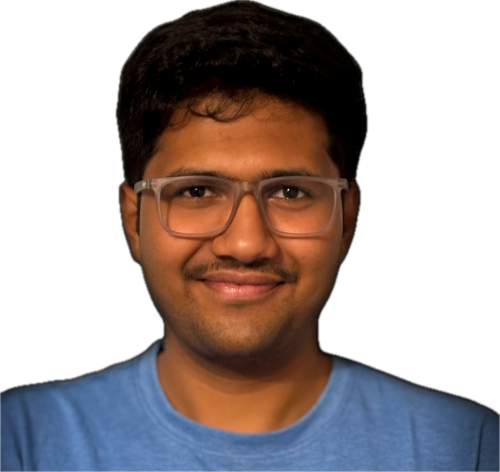
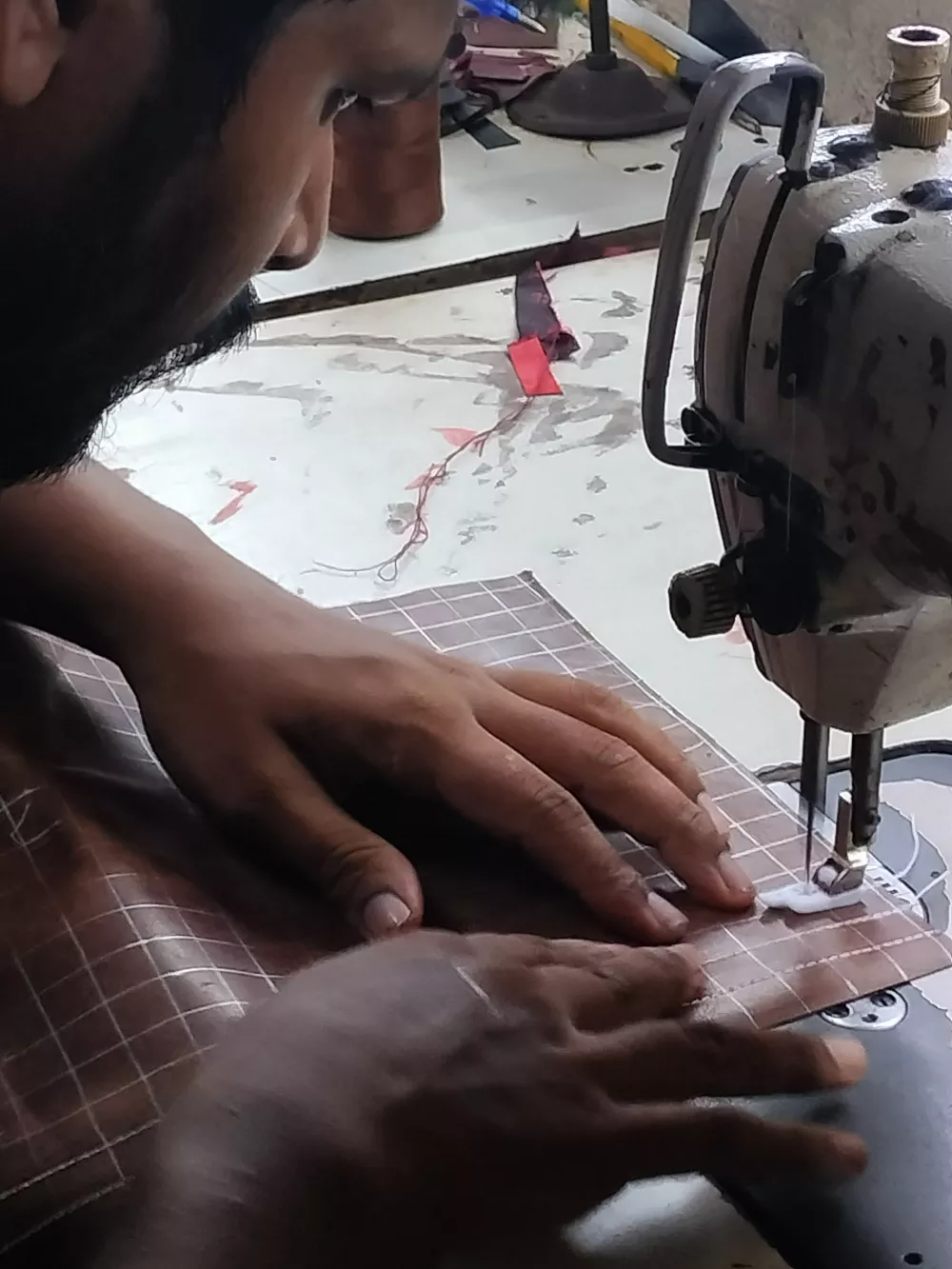
On a rainy afternoon, we visited Irfan’s workshop, somehow quieter than the surroundings. We assisted and watched him while he worked, and he narrated his story to us.
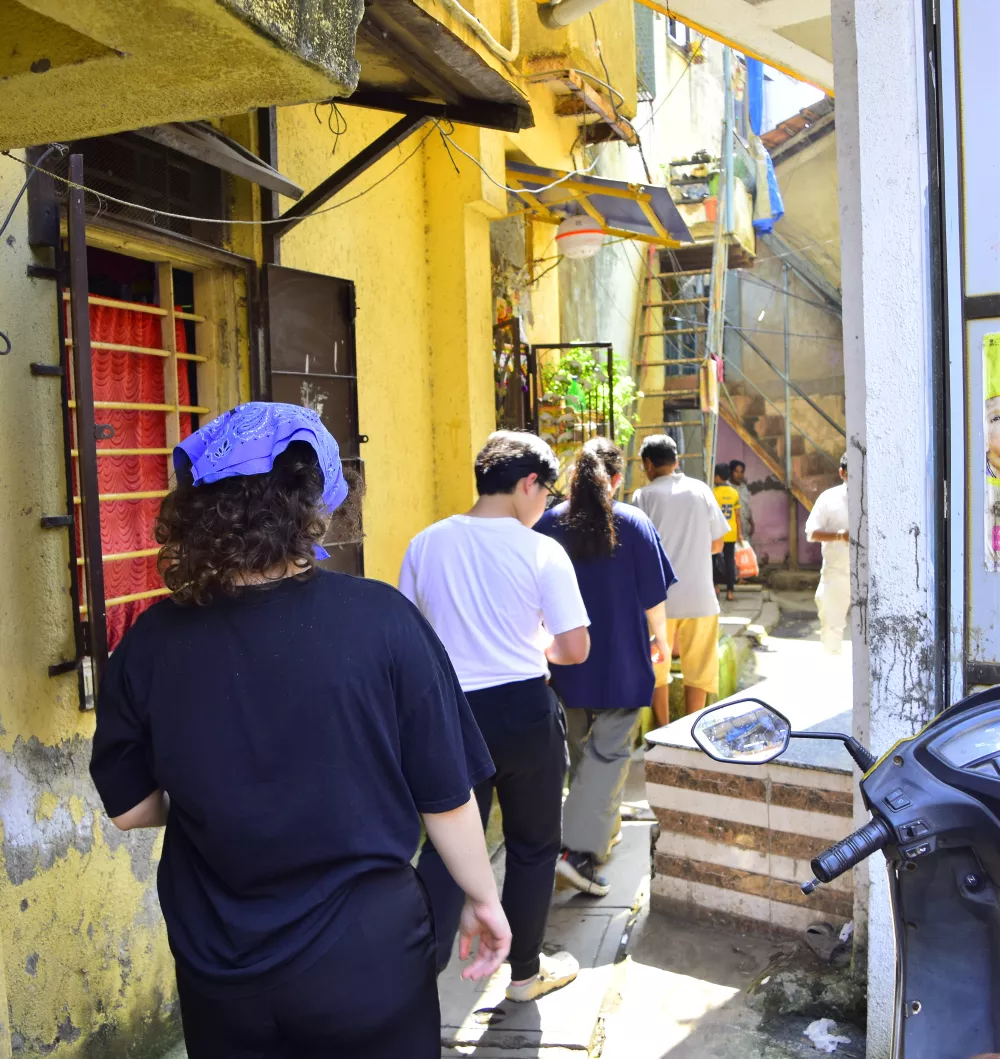
The Handstorm workshop in Dharavi, with the Engineers for Social Impact from NYU, Abu Dhabi took place for the second time this year in October, 2025. We walked through the lanes of Dharavi Koliwada, observing Water in the diverse and unexpected paths that it took to and from people’s homes. Students diligently followed the water, listening carefully to the stories it had to tell.
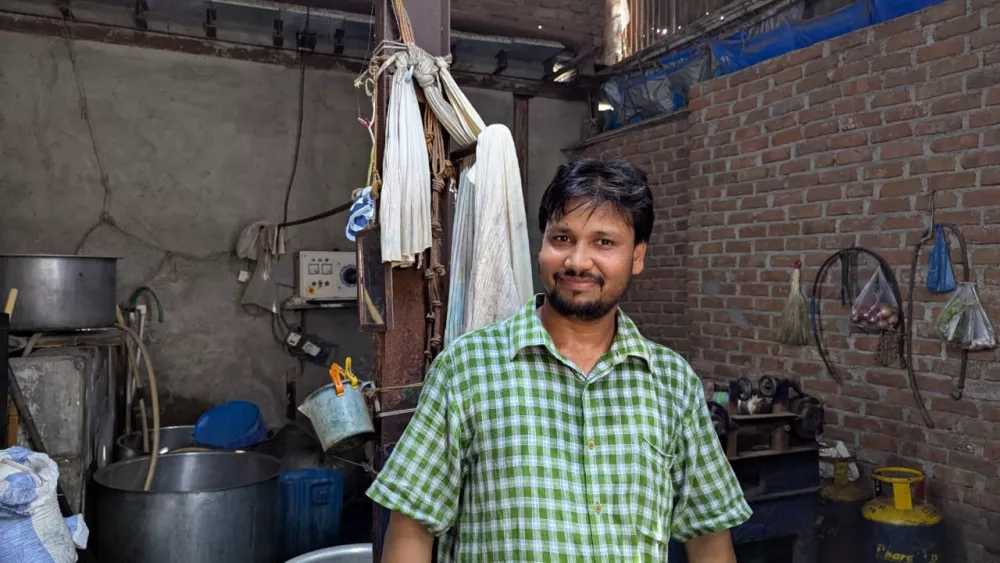
Shahid Sheikh’s dyeing unit in Dharavi may be small, but it’s full of colour, care, and quiet skill. His story is one of patience, pride, and the kind of work that speaks for itself.



On May 9 - 10 urbz brought together collectives and institutions in Cali, Colombia. This is part of a 6 months project to develop a system to promote locally driven initiatives.
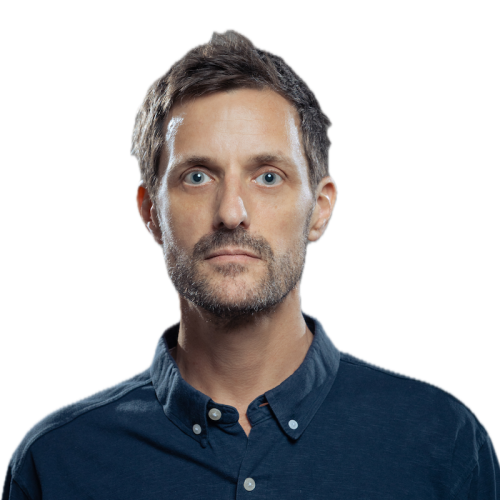



As part of the ABCD project, street lighting emerged as an urgent need for the residents of Dharavi Koliwada. A need that was addressed through a year-long collaboration between urbz, the Dharavi Koli Jamat, local electricians and residents. Read about how the process unfolded and what comes next.

An afternoon rendezvous with Vasu Mama, as he narrates about his long-lived and rich life in Dharavi, his current routine post retirement, his values, ideas and opinions about Dharavi and its future.
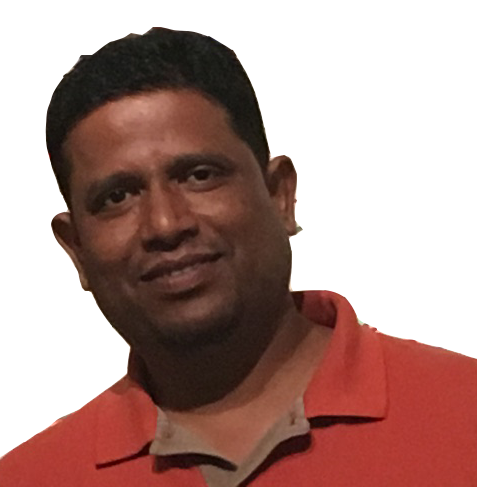
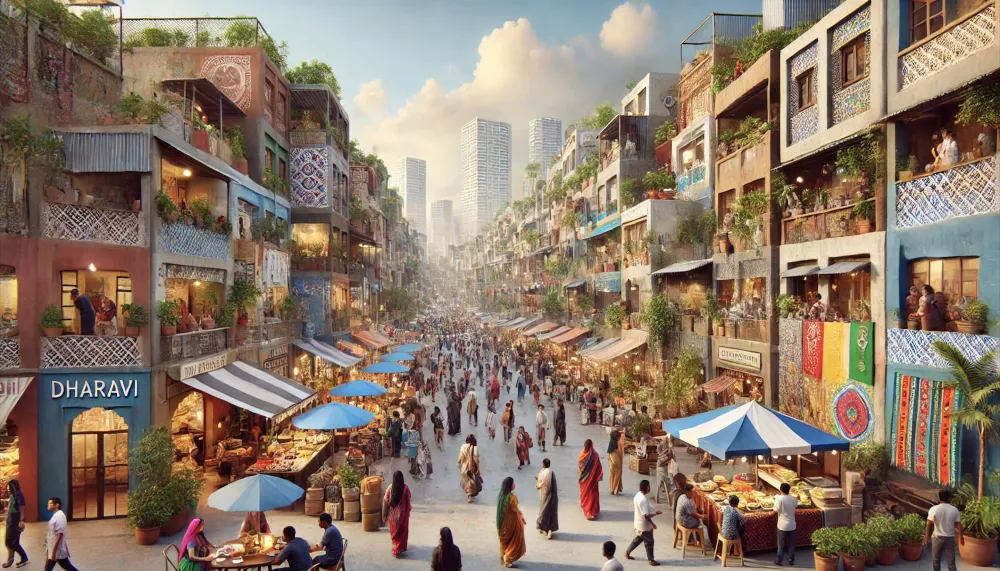
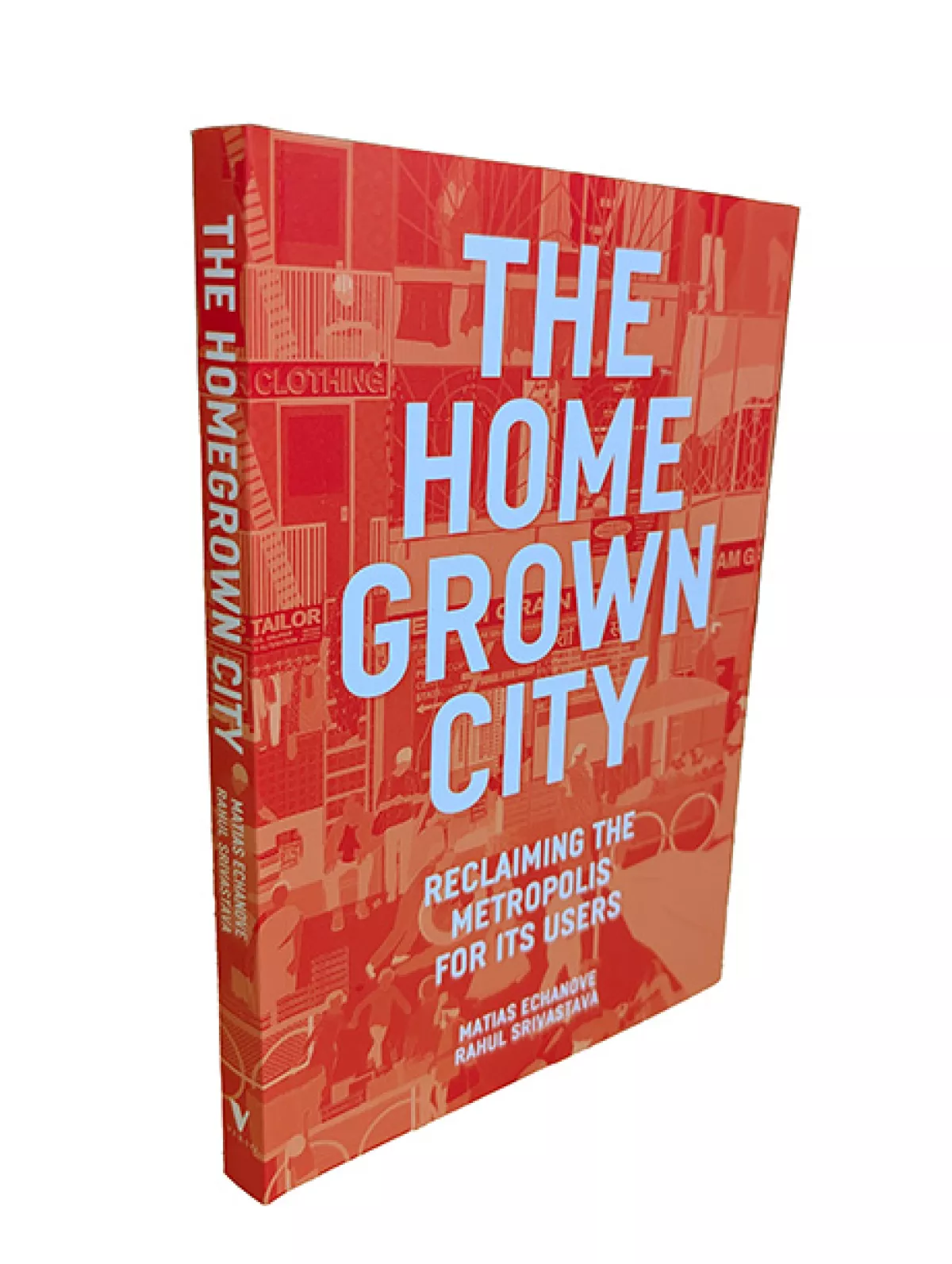
Dharavi’s massive redevelopment project aims to turn it into a ‘world-class’ neighborhood, but this vision risks erasing its unique identity and thriving homegrown economy. Instead of replacing it with glass towers and luxury spaces, Dharavi could be a model for a ‘world-grown city’—one that values its community-driven development while staying connected to the global economy.

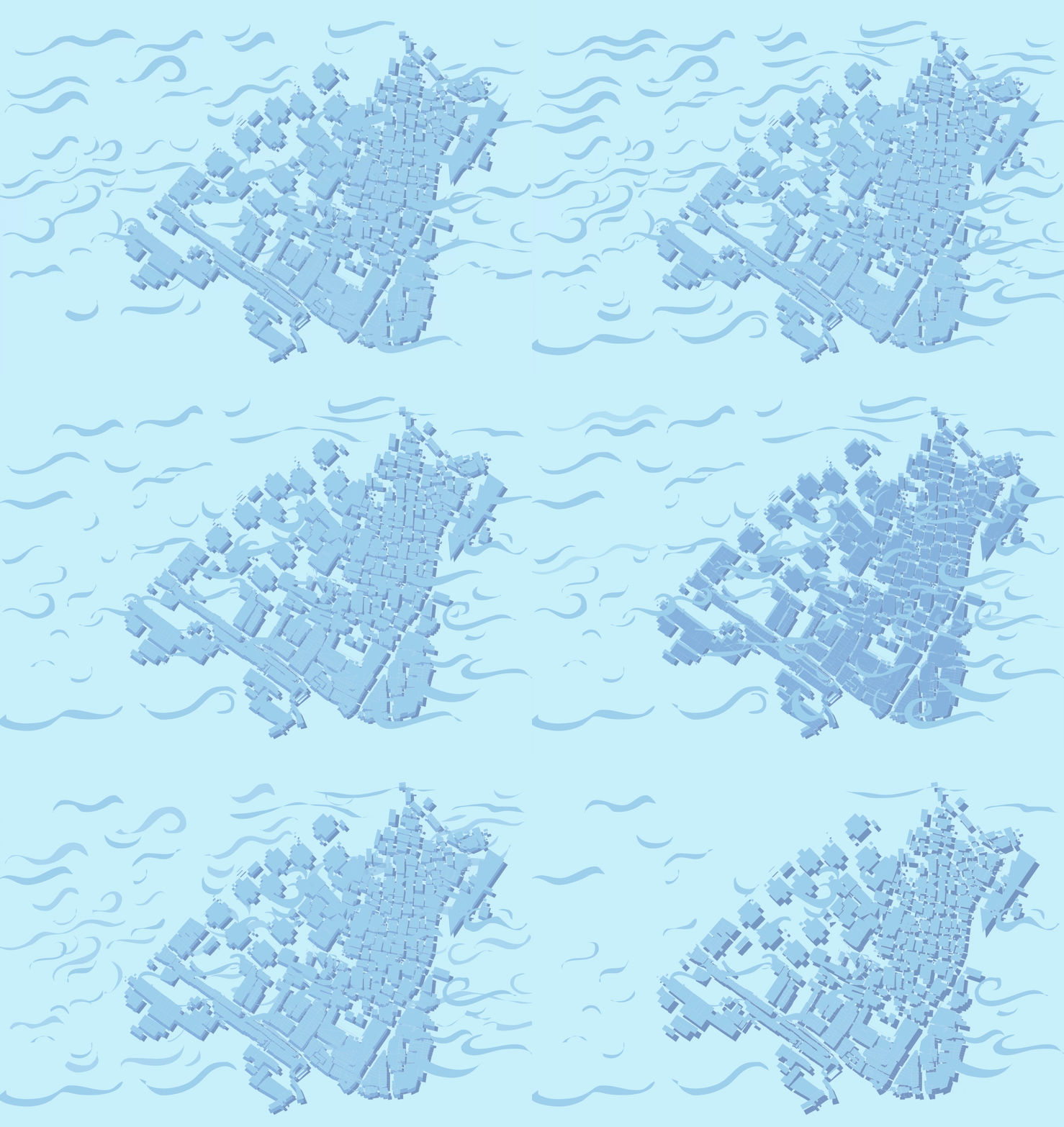
Koliwada's are fishing hamlets in Mumbai city and unlike most settlements, they extend beyond terrestrial boundaries. The waters of rivers, creeks and seas, all form part of an amphibious habitat that is integral and deeply familiar to the Kolis.
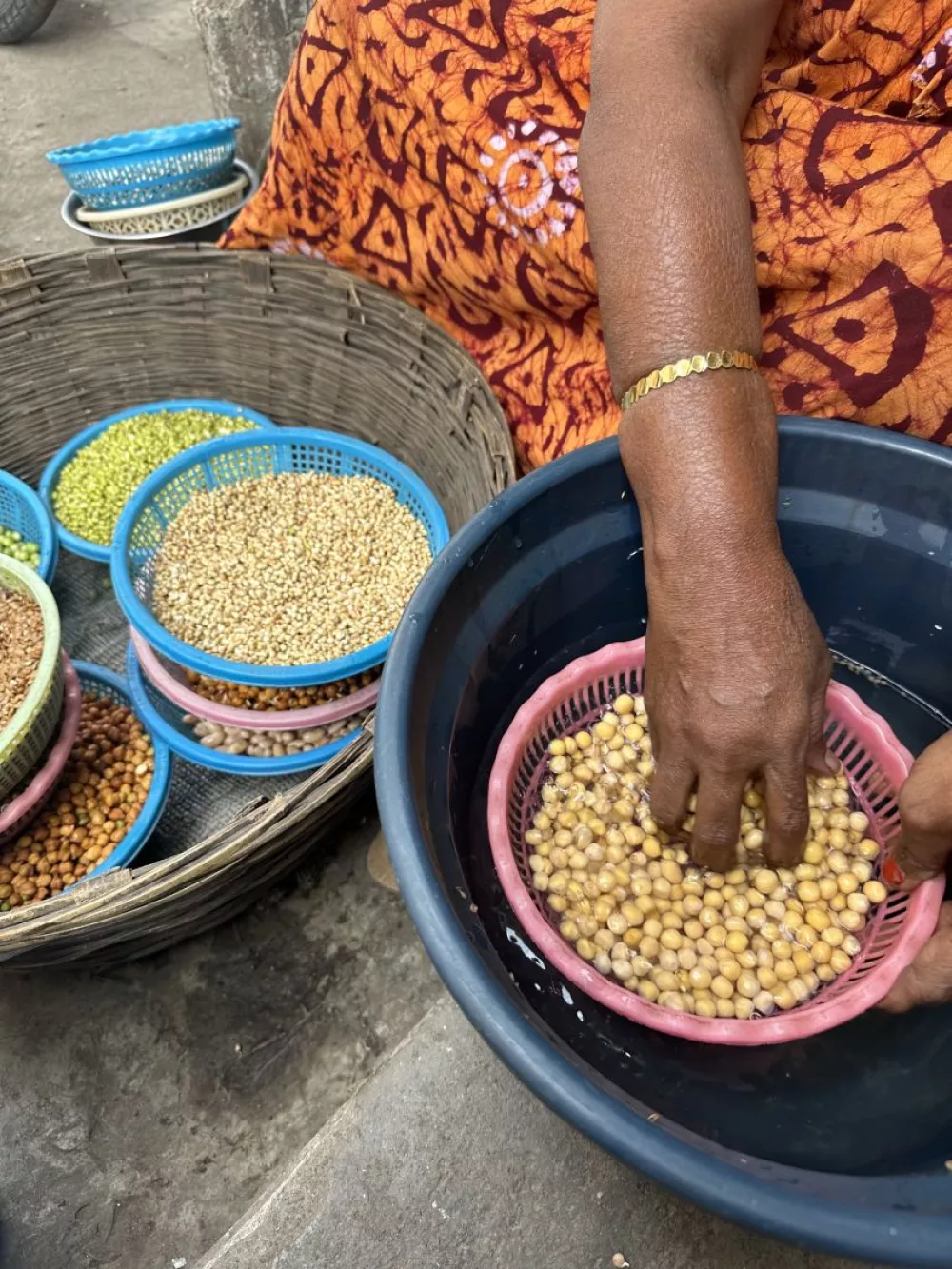
Pushpa has been living in Dharavi since she was born. Our day starts with her bright smile as she sells pulses right outside the urbz office. We recently had a little chat with her.