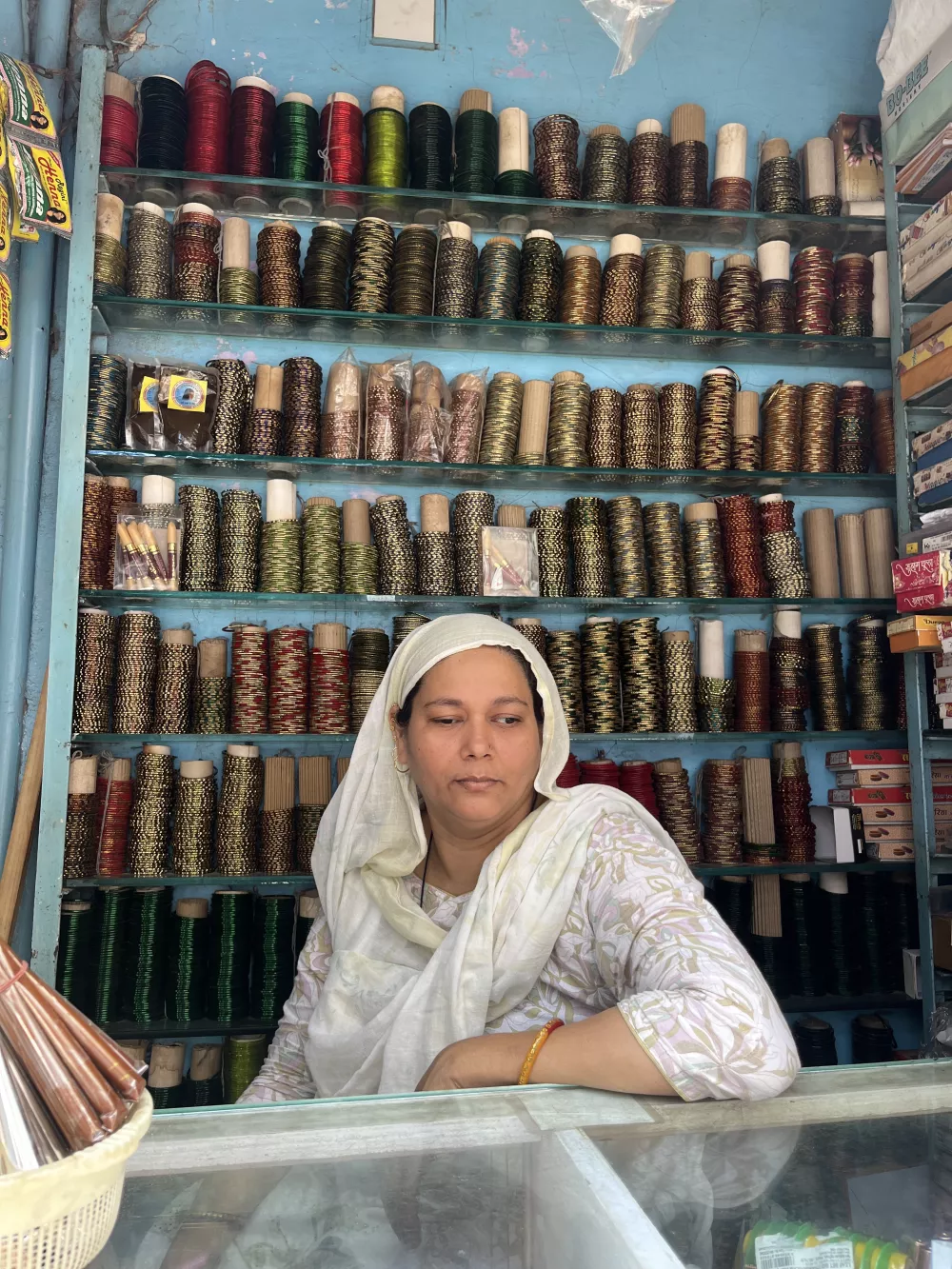
A small gully, adjacent to Dharavi Main Road, takes you to Hasmat’s tool-house. She is a friendly businesswoman, with inspiring resolve accompanied by a small smile.
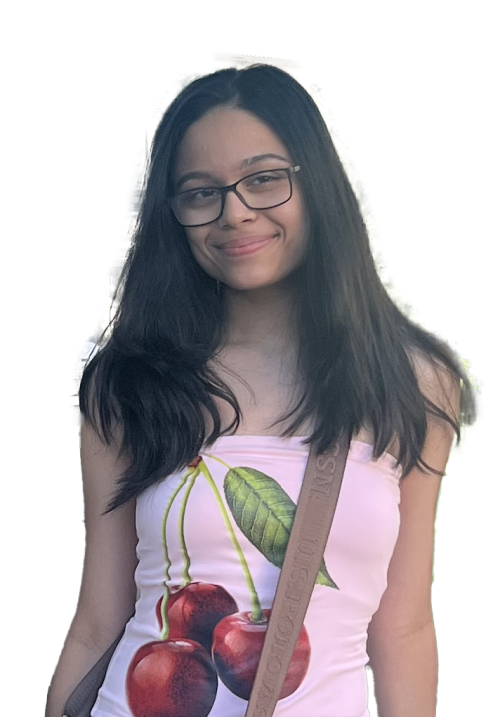
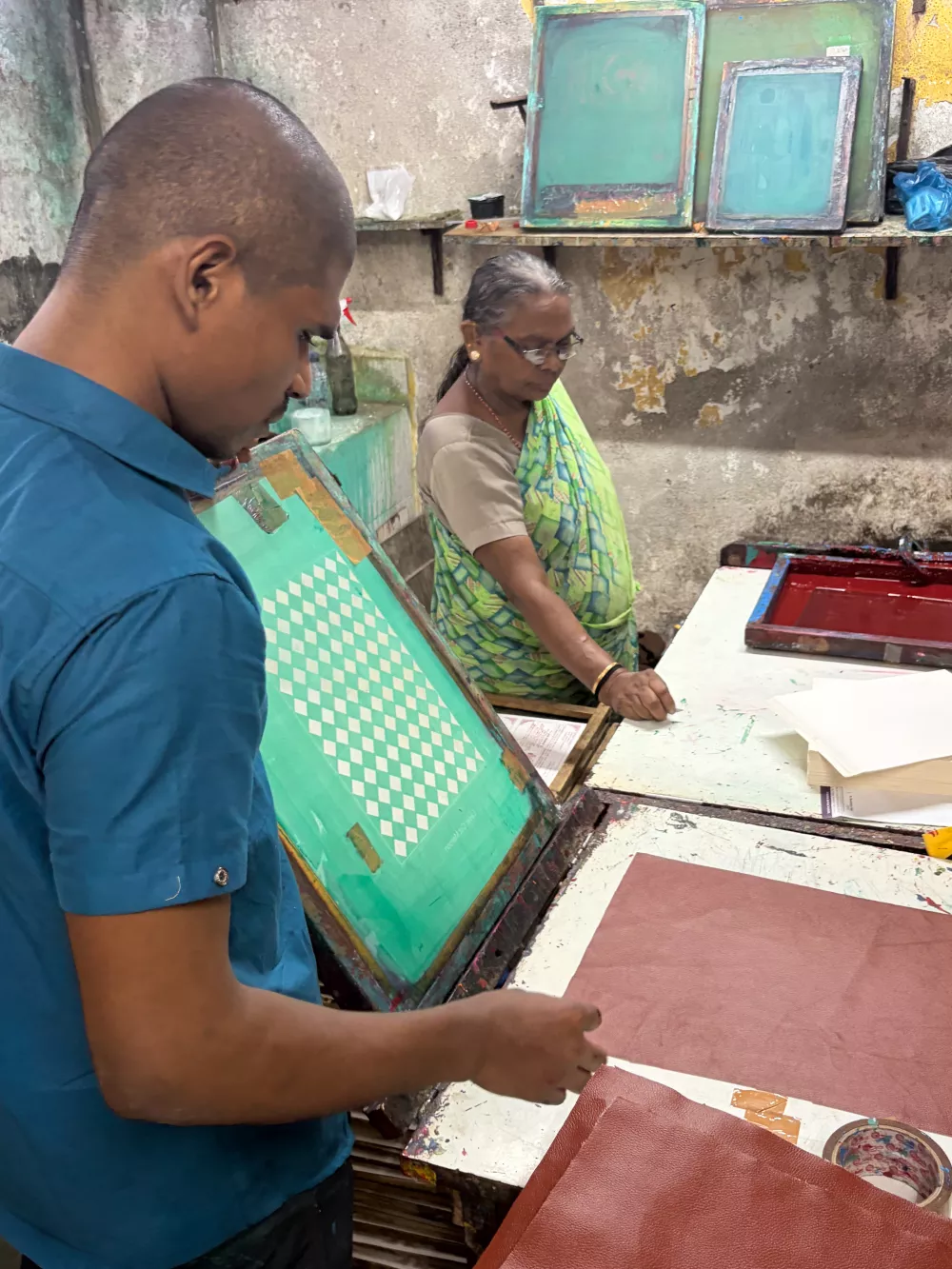
In a lane off the bustling 90 Feet Road in Dharavi, there is a tiny studio dedicated to all types of screen printing. Laxmi and Mani are an unlikely duo that expertly handle the screenprinting needs of customers across the city. They talk to us about a lifetime spent in the industry.


Kamlesh is an itinerant welder who has lived and worked in different parts of the country. Kamlesh represents the skilled workforce that quietly underpins the city’s built environment. This is his story...
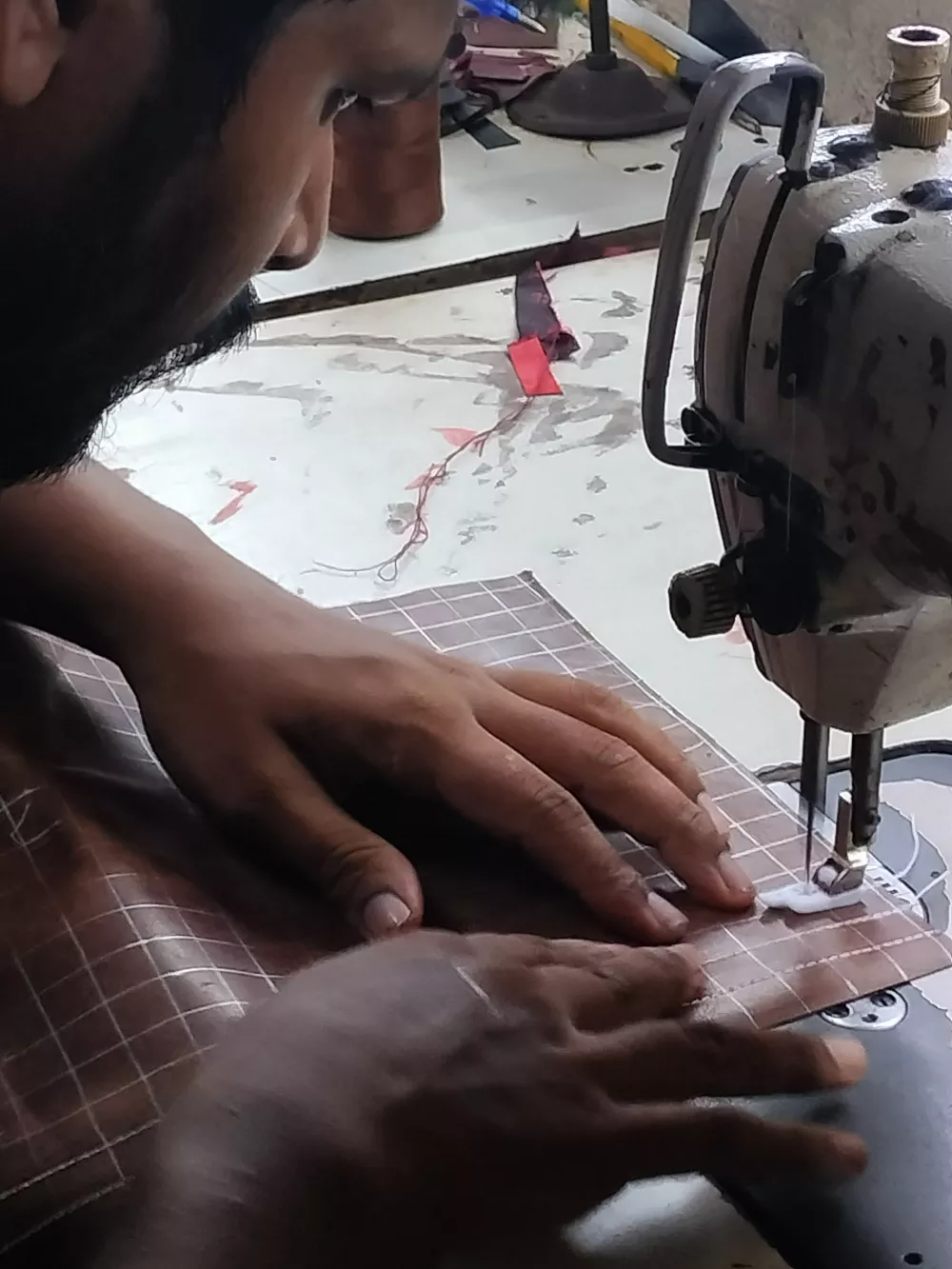
On a rainy afternoon, we visited Irfan’s workshop, somehow quieter than the surroundings. We assisted and watched him while he worked, and he narrated his story to us.

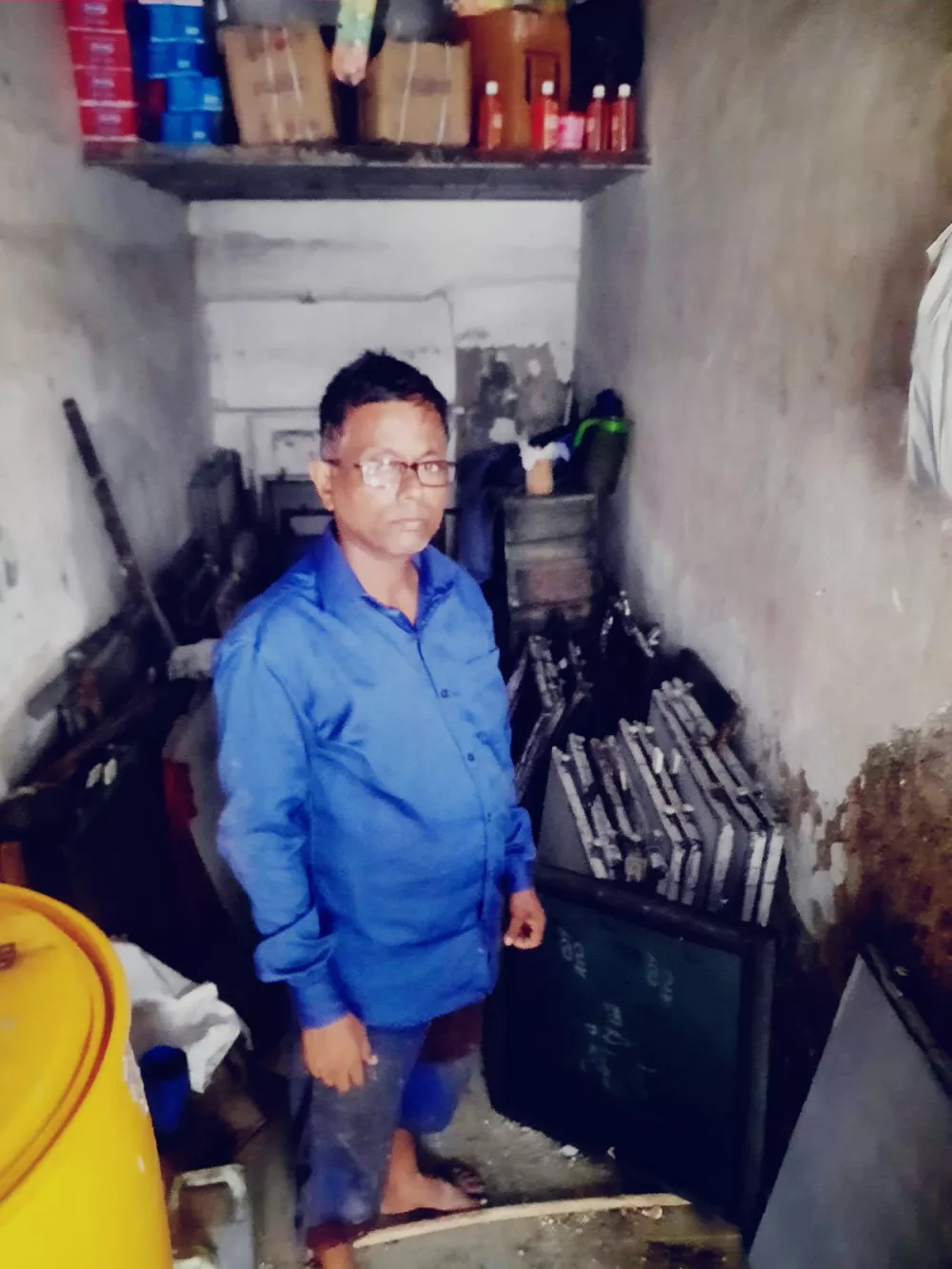
Originally from Ratnagiri, Ravi built his career over three decades in Dharavi’s vibrant informal economy. Despite relocating to Diva, he remains deeply rooted in the locality, valuing its close-knit support system. The piece highlights his concerns over redevelopment, the resilience of Dharavi during the pandemic, and the socio-economic networks that sustain livelihoods like his. Ravi’s journey reflects the intersection of creativity, survival, and community in urban informal settlements.

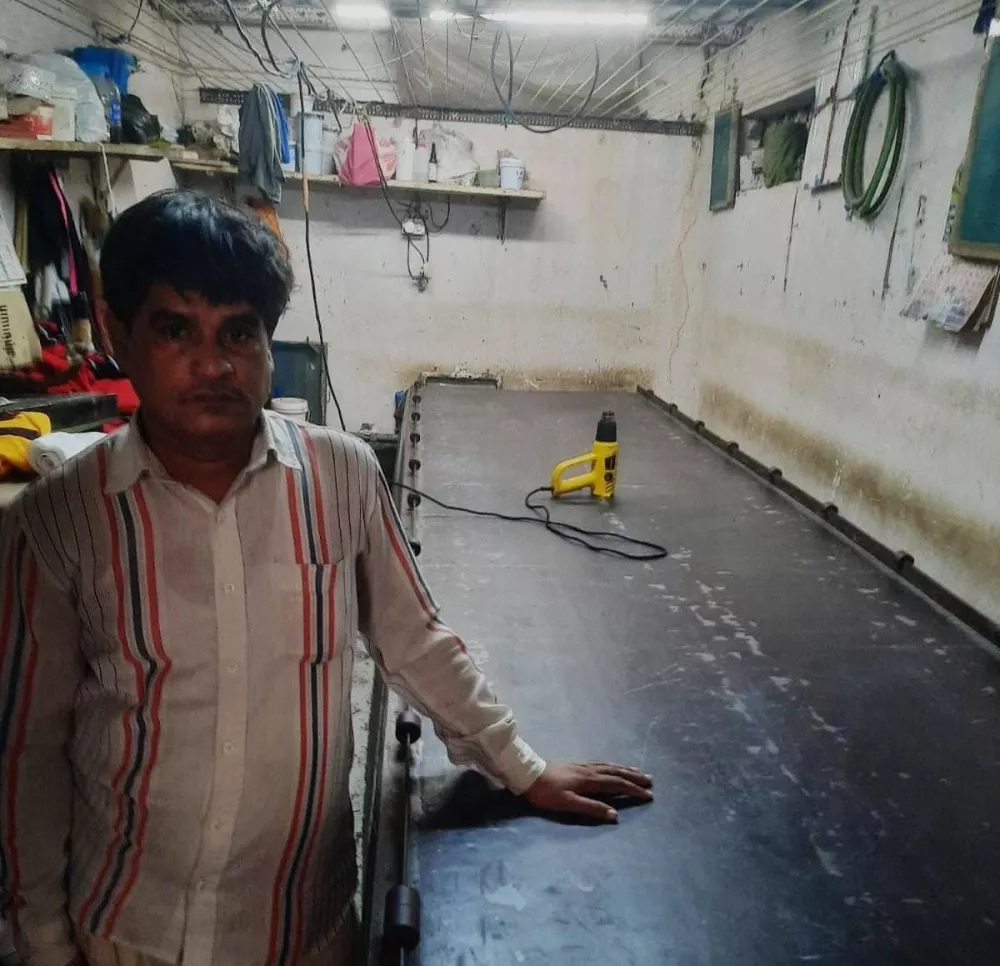
Samsuddin, a printmaker in Dharavi, Mumbai, whose small but efficient studio reflects the spirit of local enterprise. From printing school uniforms for suburban Mumbai to receiving an order from his hometown in Uttar Pradesh, Samsuddin's journey weaves personal strength with community-rooted entrepreneurship. He exemplifies how creativity and determination shape life in Dharavi. Amidst talks of redevelopment, Samsuddin advocates for progress without displacement, preserving the soul of the community he calls home.
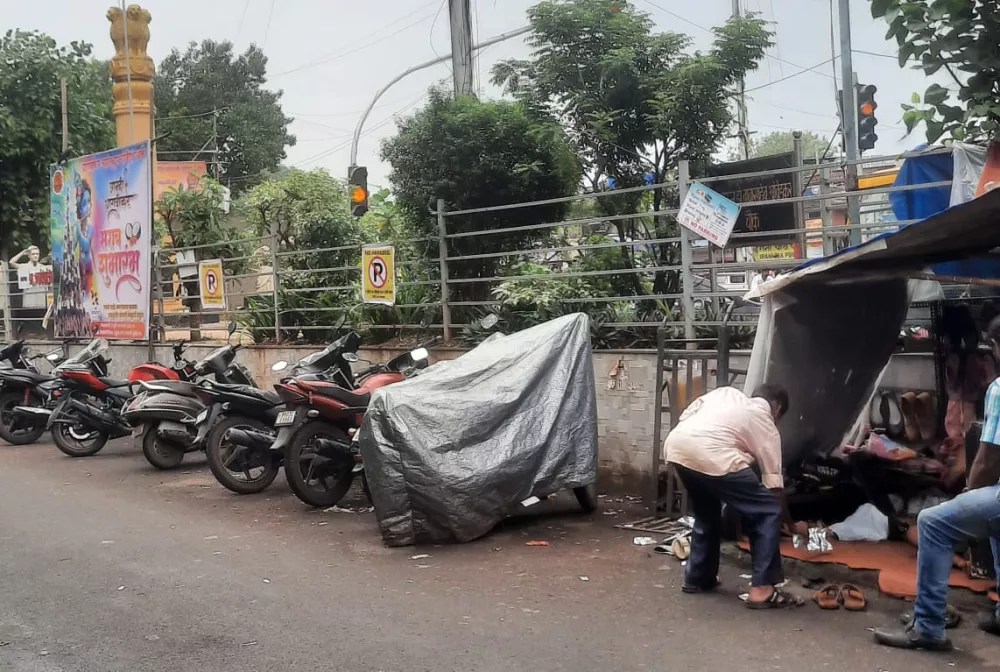
Shankar Jadhav, a 61-year-old cobbler, defies caste boundaries beneath Samvidhan Square. With calloused hands, a love for books, and quiet resilience, he mends shoes, nurtures a square, and challenges the invisibility imposed by society: one stitch, one flower, one act of dignity at a time.
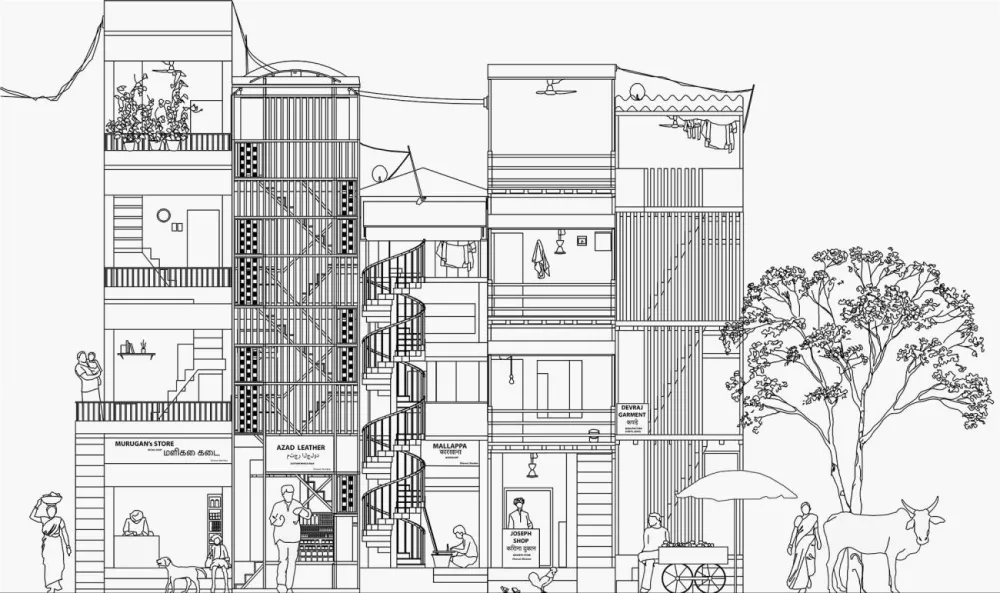
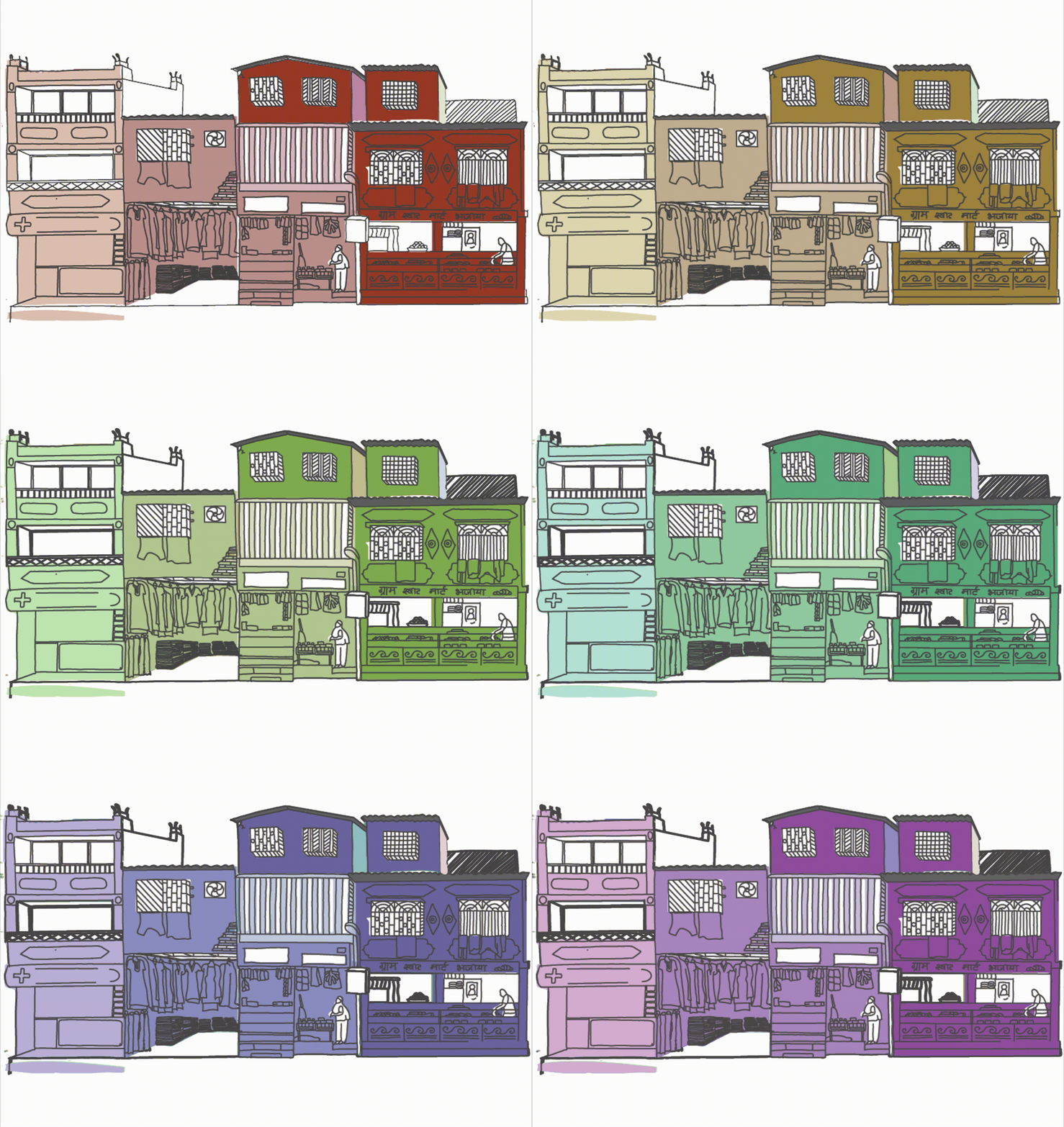
Dharavi is a homegrown neighborhood, its development occurred without a master plan or construction law, emerging from the inhabitants' needs. Built structures and open spaces come in many shapes in forms – with a recurring and flexible work-home typology known as the tool-house. Yet, the profound significance of acknowledgement and recognition in the context of the tool-house prompts us to delve deeper into its implications and societal value: What constitutes the heritage of the tool-house?