Life Got Better with Coconuts!
Authors
Authors
Life Got Better with Coconuts!
Authors
Authors
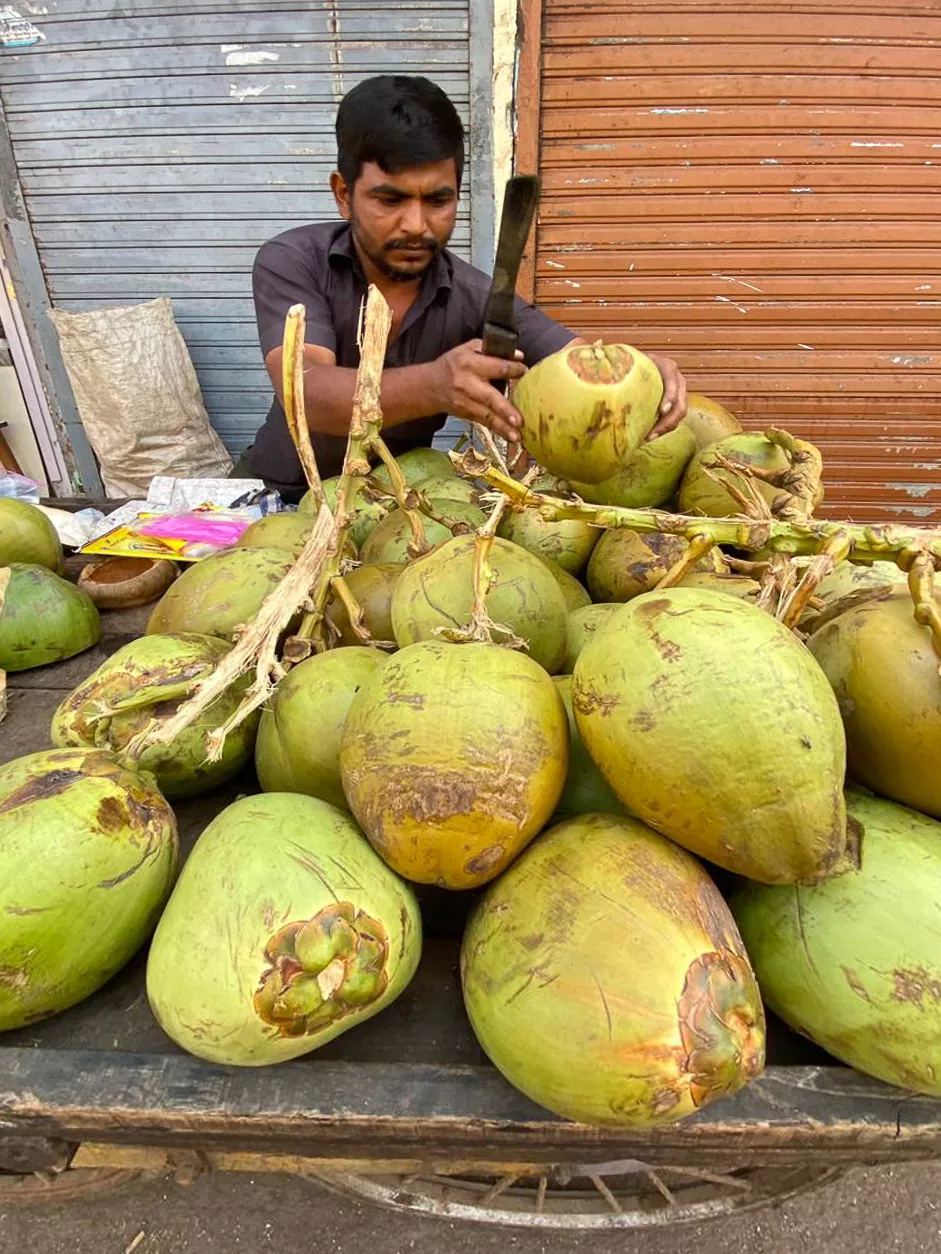
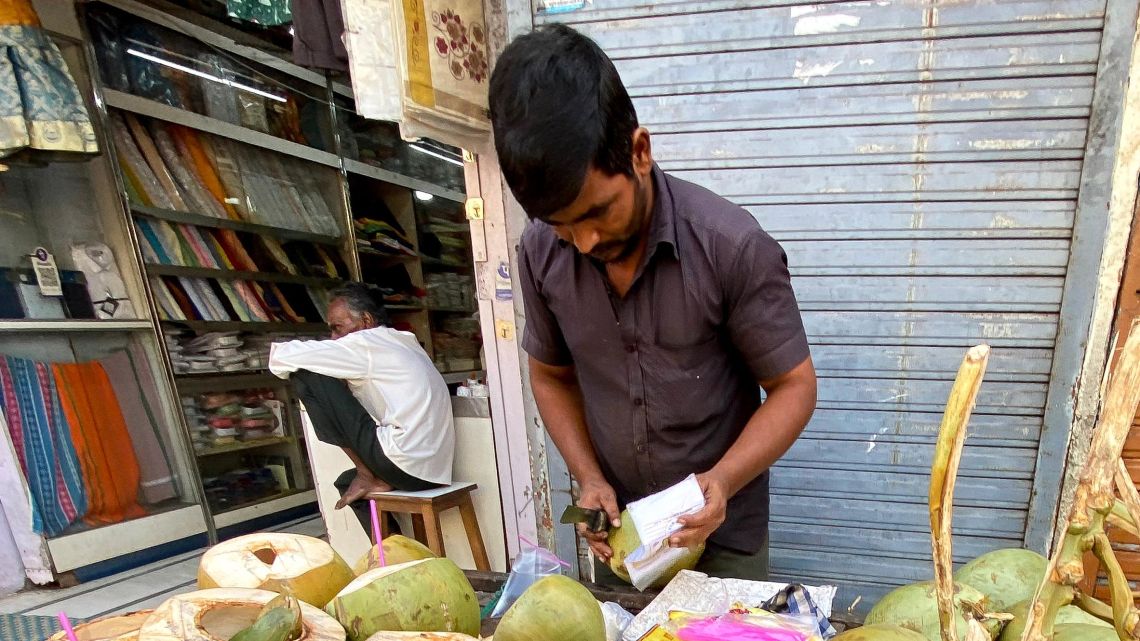
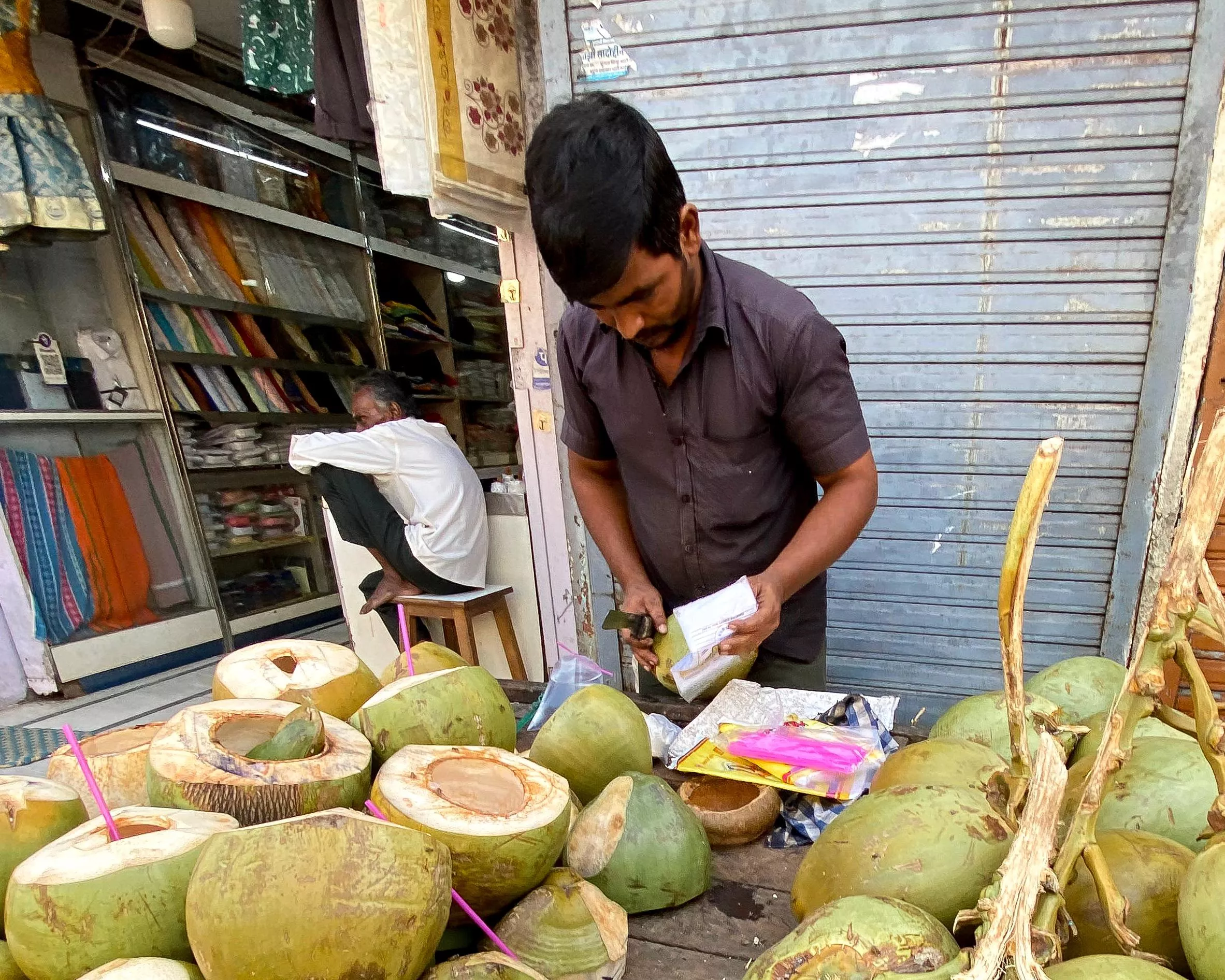
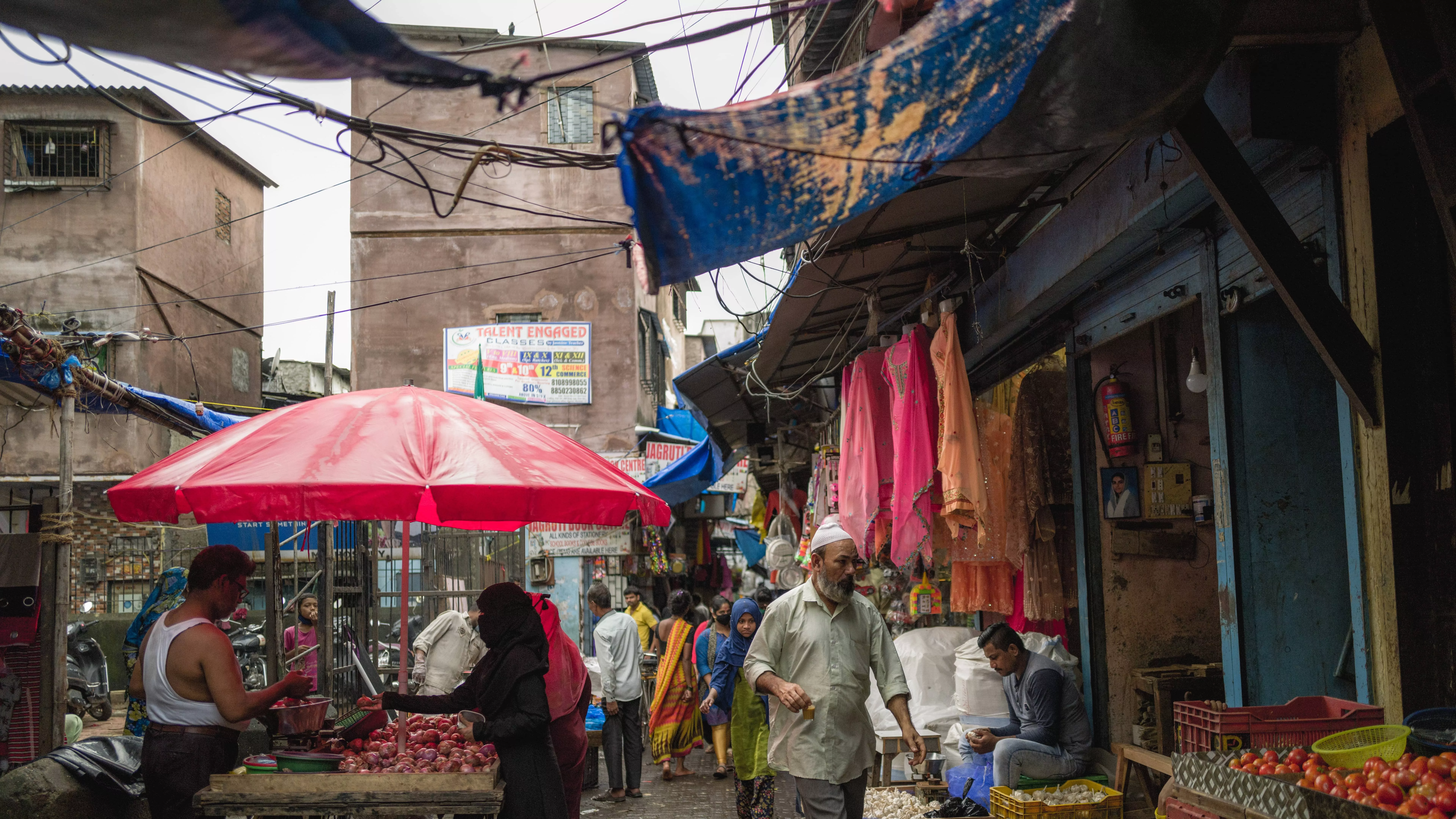
Every day, a coconut vendor can be seen on the Dharavi Main Road in Koliwada. He is one of many vendors who operate in the precinct. His Name is Kausar, Kausar Shaikh. He’s a native of Sahibganj, Jharkhand, where he has a loving family with two little sons. He came to Mumbai along with his younger brother Kareem around 15 years ago, when he was just 21. He grew up in a farmer’s household, but he said he was bored with farming. He wanted to do something different with his life.
Ab har kisi ko sab cheez me mazaa to nahi aata na, waise hi mujhe Kheti baadi me mazaa nahi aata tha.
Look, not everyone can like every single thing, you know? I just didn’t get any pleasure out of farming.
He starts his day at 2:00 AM, gets up, splashes water on his face, steps out of his King’s Circle room, and takes a fifteen-minute walk to a nearby park where he usually secures his cart at night. He then pushes his cart towards Sion Hospital, where he waits for the coconut-carrying truck arriving from Mysore, Karnataka, to stock up his cart. After stocking up his coconuts, he again takes the cart to the park and chains it to the fence of the footpath on the periphery of the park, trusting that his stock will be safe until he returns. In his six years of business, his cart hasn’t been stolen once; however, the police had confiscated his cart a few times, and he had to pay a fine to get it back.
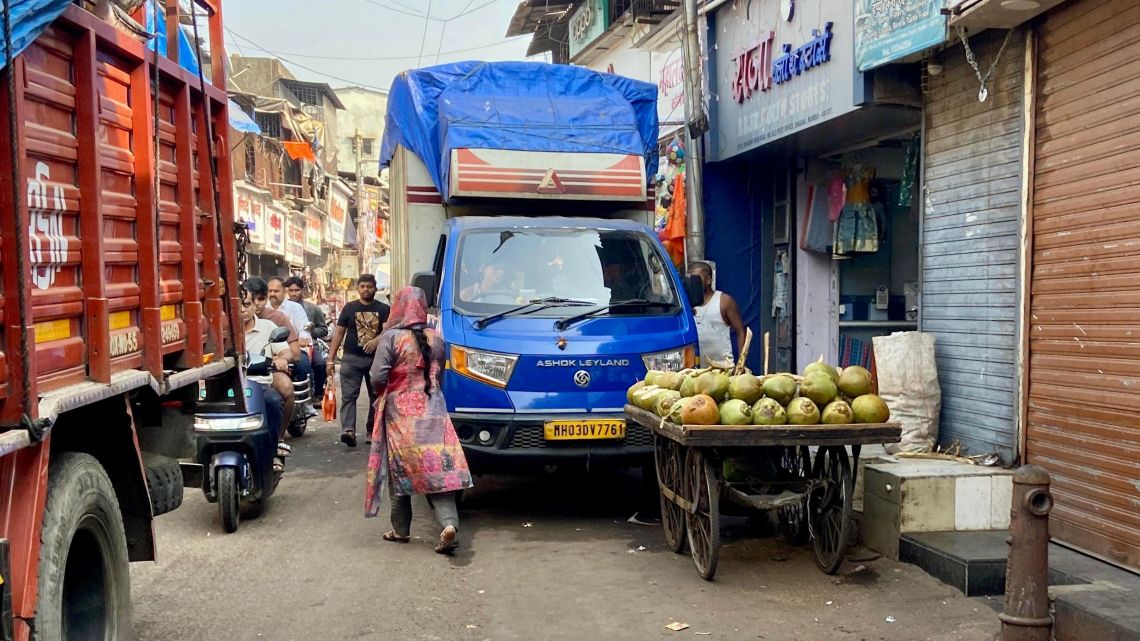
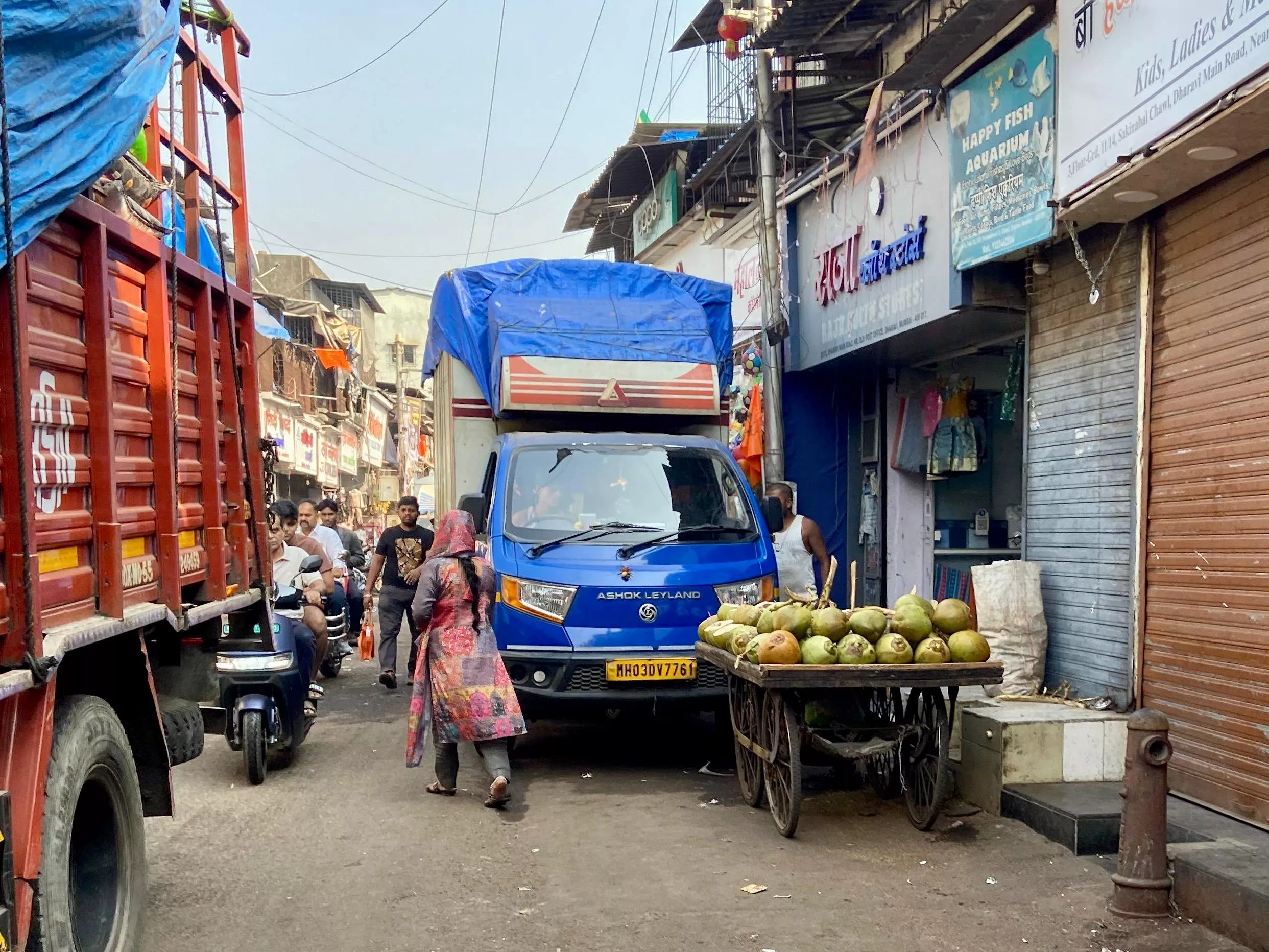
He returns to his apartment to get ready for the day, after which he walks back to the park to retrieve his cart, and then pushes it about two and a half kilometres to Dharavi Koliwada, where he sets up for the day.
On most days, customers gather at Kausar’s cart throughout the morning and afternoon. He serves them efficiently while maintaining friendly but professional relationships. He has built connections with regular customers and fellow vendors over the years, but says he prefers to mind his own business quietly.
Abhi tumhare aane ke pehle ek ladka aaya tha, vo hafte me do teen baar aata hai nariyal paani peene ke liye, mujhe ek ladki ka photo dikhaya, uske girlfriend ka photo tha, kehta hai , agar ise dekha yaha se jaate hue, toh mujhe phone mila dena. Abhi aise daily customer bolega, toh hum unki madad kar dete hai, sab achhe log hai, roz yahi se guzarte hai. Par phir bhi mai iss sab me itna padta nahi.
See that young man? He’s a regular, just left. He showed me his girlfriend’s photo and asked me to call him if I saw her passing by. When a daily customer asks for such a trivial favour, even if I feel reluctant, I oblige; they are good people, people I see every day. But still, I prefer not to get too involved in all these personal matters.
He says that despite the time that has passed, the longing for home is constant. Since becoming a father a few years ago, he has felt a persistent homesickness, intensely missing his children. He consciously chose not to bring his family to the city, firmly believing they were better off staying in Jharkhand, where life is perhaps simpler. His work cycle here is not continuous; he operates on a rotational basis. He works diligently for about four months, after which his brother, Kareem, travels to the city to take his place, stepping into the same demanding schedule and lifestyle. This four-month break is the only time he gets an opportunity to be reunited with his family.
This arrangement exists because he recognises a potential market here; the financial opportunity outweighs the personal cost. Before this current business, he spent almost nine years doing all kinds of odd jobs, including a relatively stable stint decorating for weddings, but none of those provided a sufficient or secure income. Seeing others around him, people who had lived similar lives of unstable work, successfully start small businesses, gave him the confidence to try something of his own.
“Dhandha Chaalu karne tak toh mujhe laga ki Bambai aana aur itni mehnat karna bekaar tha.”
“Until I started this business, I felt that coming to Mumbai and doing so much hard work was useless.”
He explained that the almost perennial humid weather makes selling coconut water successful anywhere in Mumbai. But the Dharavi Main Road is a good location strategically to conduct his business, especially on Sundays, with several churches nearby, people leaving church after mass who use the road, see his cart and stop for a quick, refreshing coconut. Business is so good, he often sells out before noon on Sundays.
When asked more about Dharavi, He says, like many others, his story of landing up in Dharavi was guided by community ties and economic logic. He explained that a lot of people from his own village work in the informal industries here, so he essentially just followed their lead. He set up his cart nearby, not necessarily among friends, but among familiar faces who reinforce that subtle, comforting sense of regional unity and fraternity that’s vital for migrants in a huge city like Mumbai. His decision paid off, and he's doing better now than he ever did in those years of shifting from one job to another.
His sense of humour and warmth with customers reflect the relationships he has built over six years in Dharavi, a place that has allowed him to earn a steady living and offered the support of familiar people, embracing him so completely that he doesn't intend to move out anytime soon.
People involved
Related articles
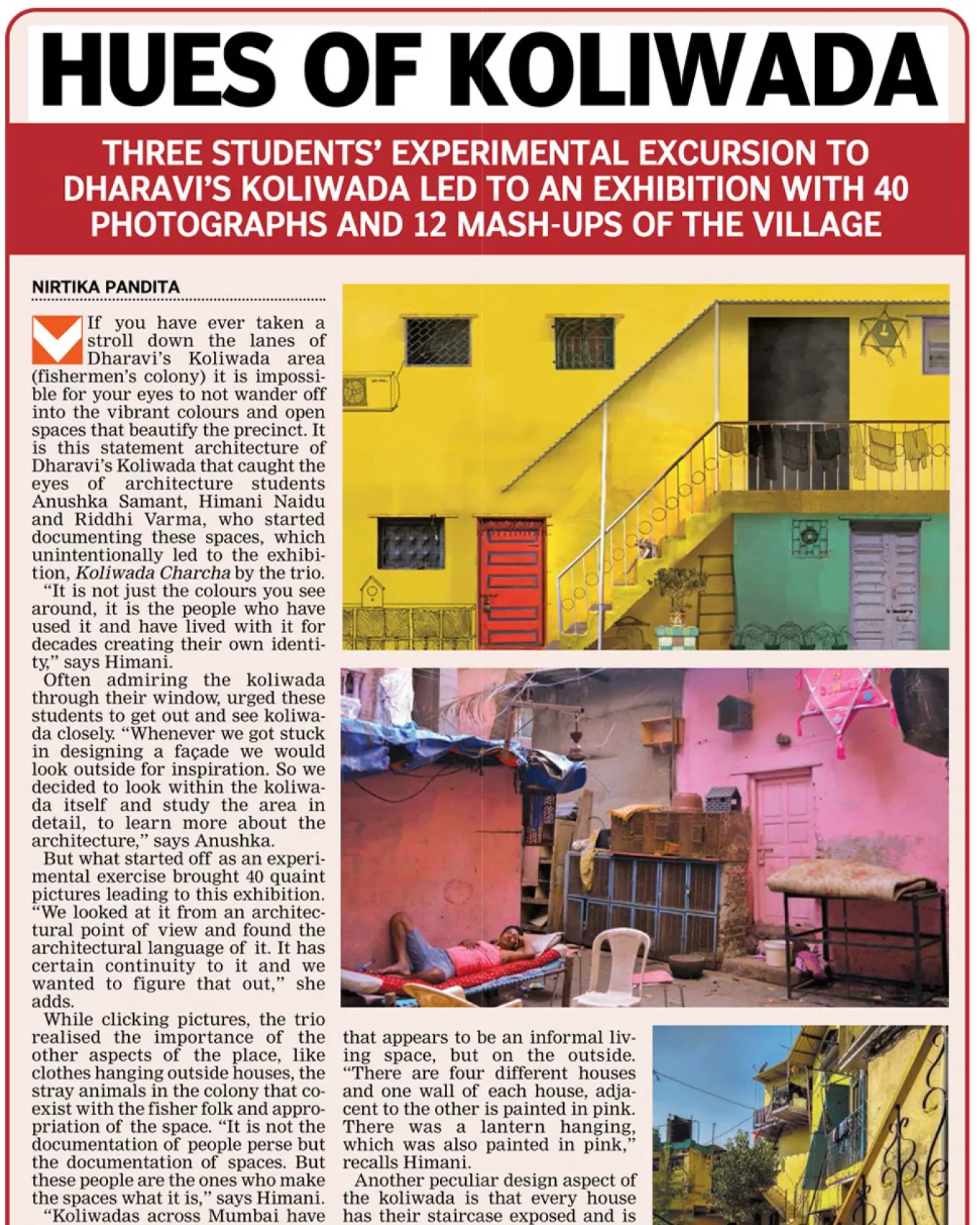
Our exhibition Koliwada Charcha was in the news (Asian Age)
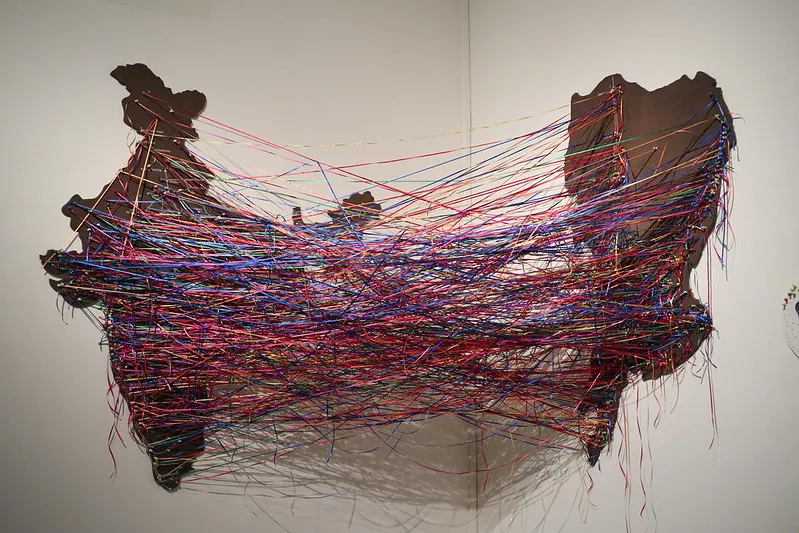
urbz founders Rahul Srivastava and Matias Echanove reflect on community-driven placemaking in the Indian metropolis.


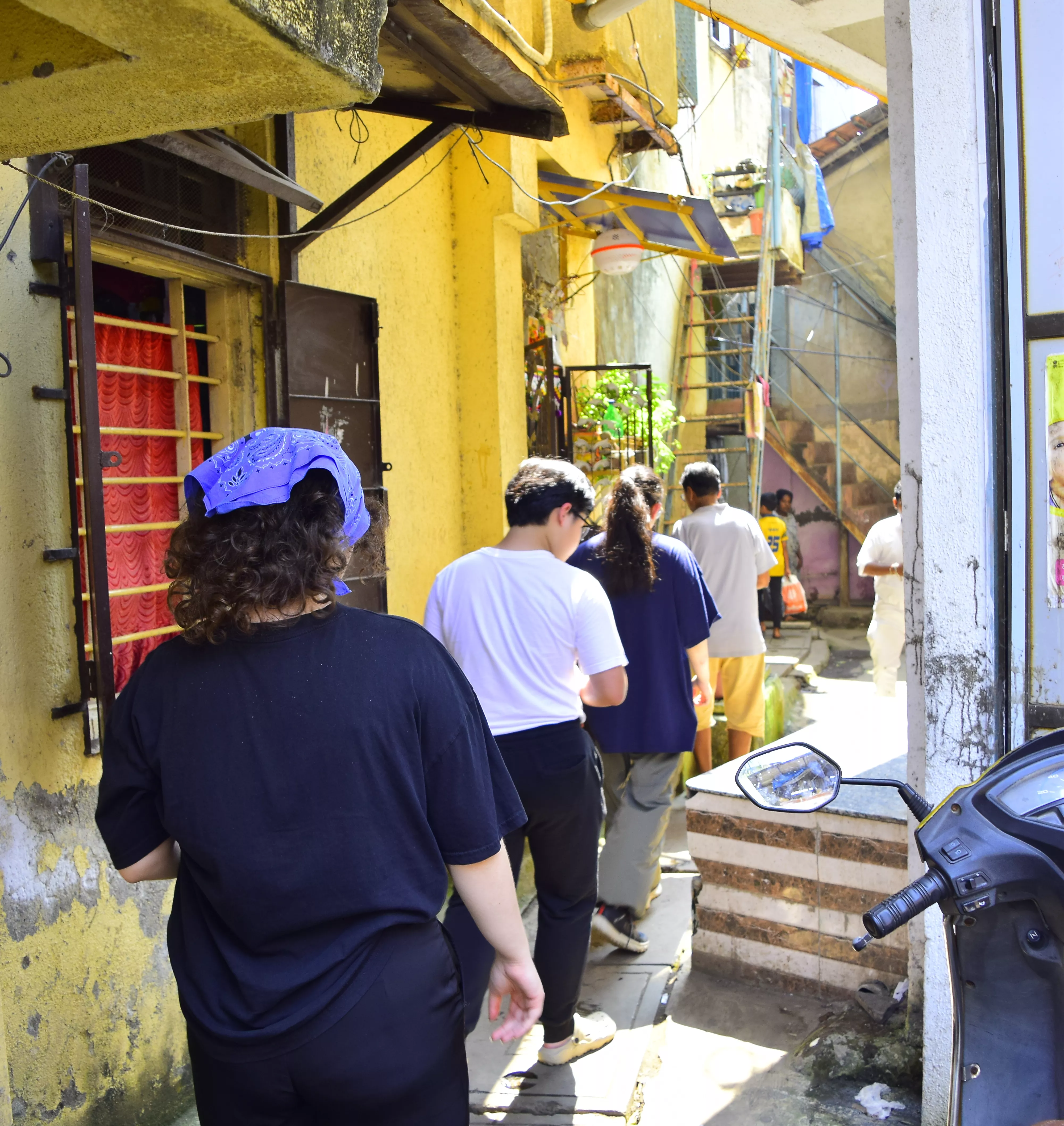
The Handstorm workshop in Dharavi, with the Engineers for Social Impact from NYU, Abu Dhabi took place for the second time this year in October, 2025. We walked through the lanes of Dharavi Koliwada, observing Water in the diverse and unexpected paths that it took to and from people’s homes. Students diligently followed the water, listening carefully to the stories it had to tell.
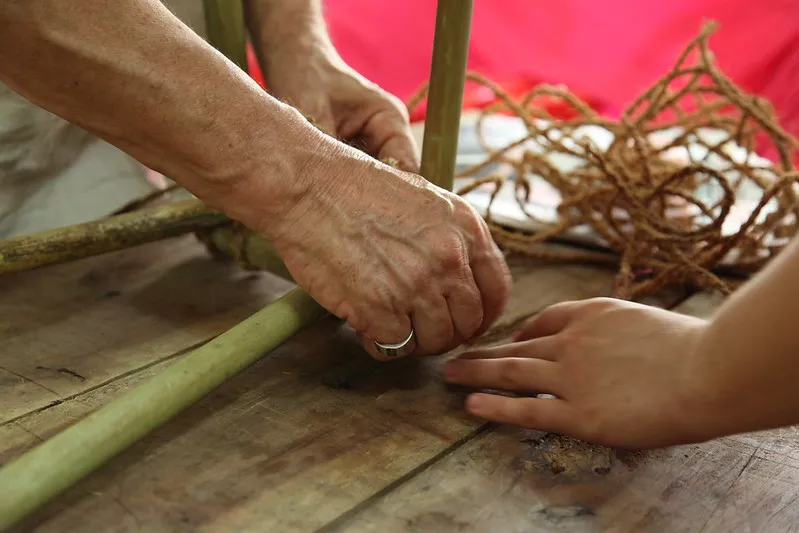
The Handstorm workshop brought together various actors from all around the world to build things that could improve the neighbourhood based on discussions with residents and with the help of local artisans
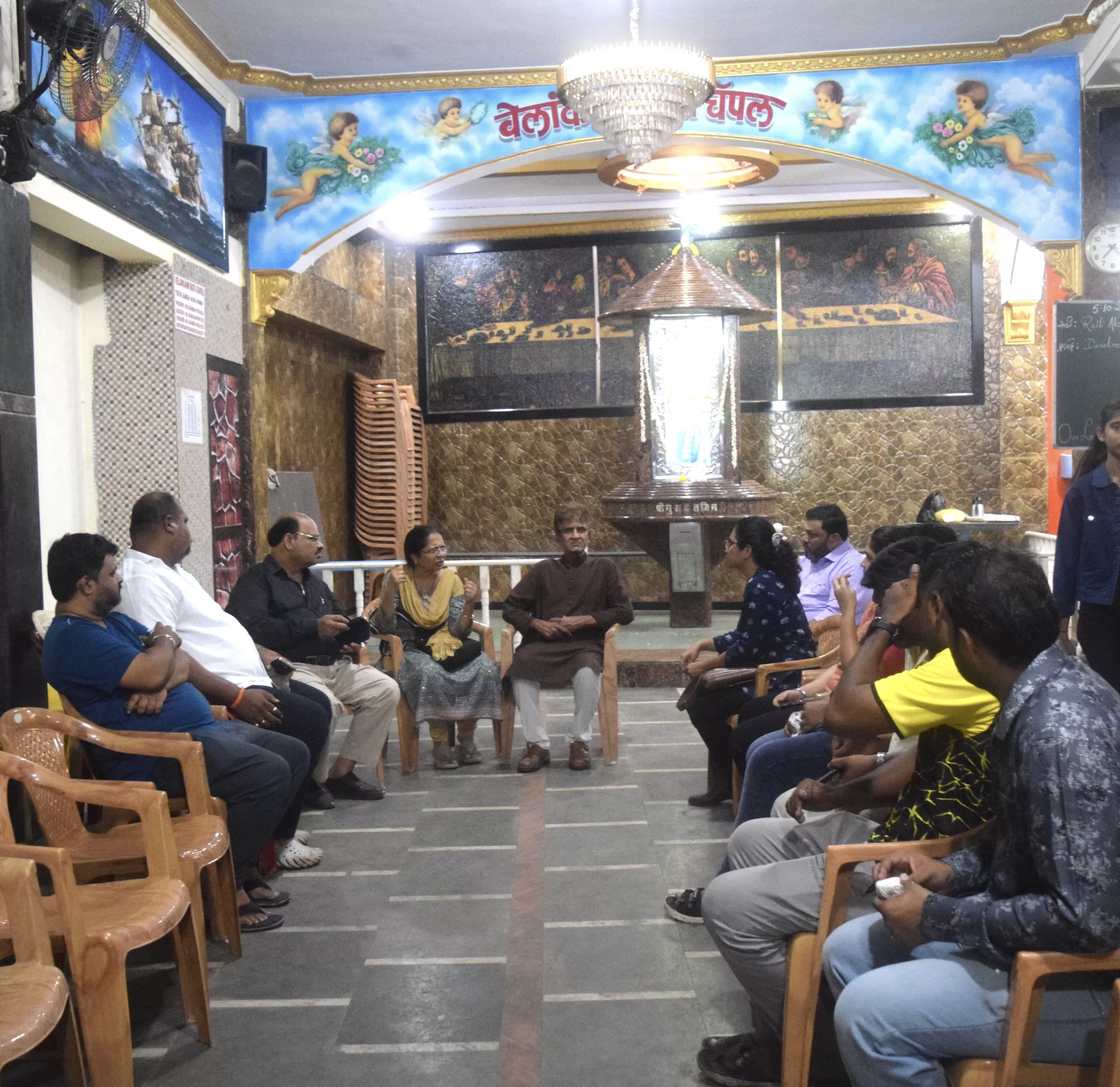
The Dharavi Koli Jamaat Trust has been entrusted the responsibility to address socio-economic and spatial challenges in Dharavi for the Koliwada community. The Dharavi Koli Jamaat Trust is a functional example of urban local bodies promoting grass-root level governance with a community centric approach.

For the uninitiated, Koliwada is a mystical labyrinth. I assumed I could take it on, find my way. How little I know...

Streets, typically seen as the arteries of daily hustle, transform into a public stage during ceremonial processions where tradition and resistance are celebrated in unison. For communities of Dharavi, these processions denote a larger familial solidarity highlighting the struggles of urban life against the erasure of culture during calls for redevelopment. A declaration of presence that co-opts the neighbourhood, these processions also signify moments of resistance towards urbanisation-induced alienation in urban spaces.
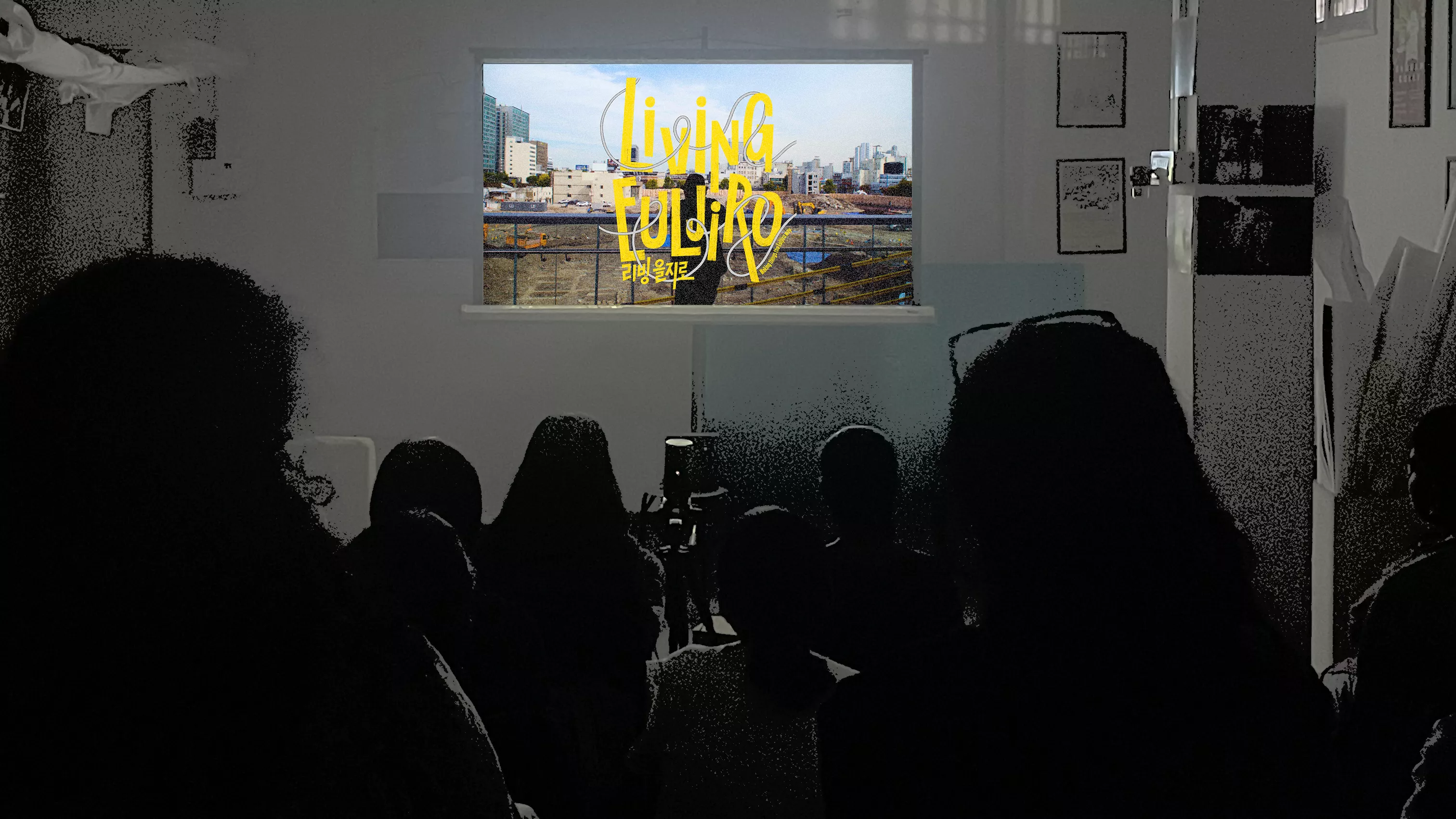
Living Euljiro is a film directed by Liron Shalit. Liron has been creating award-winning short documentaries since 2017, exploring themes such as social issues, human rights, disability, natural disasters, and urban life. Since relocating to Seoul in 2022, he has focused on documenting disappearing spaces and communities, capturing the distinctive culture of Euljiro and the stories of the people who live and work there.
This article is part of the following collection
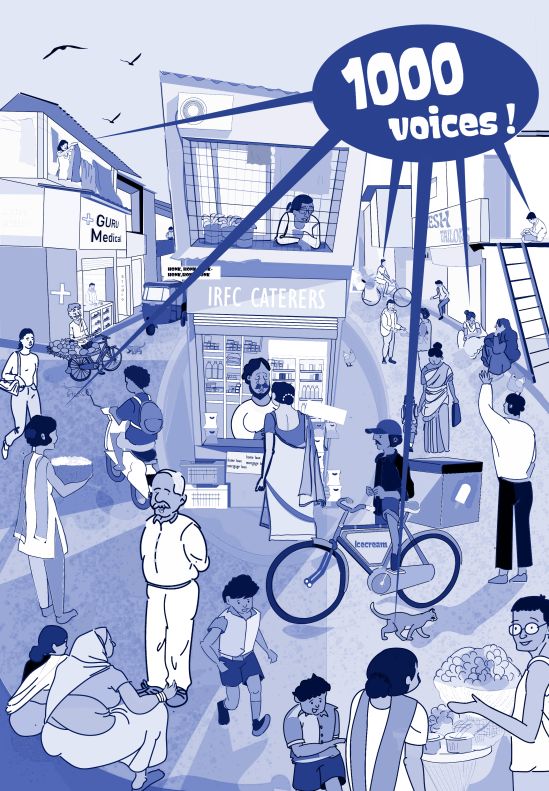
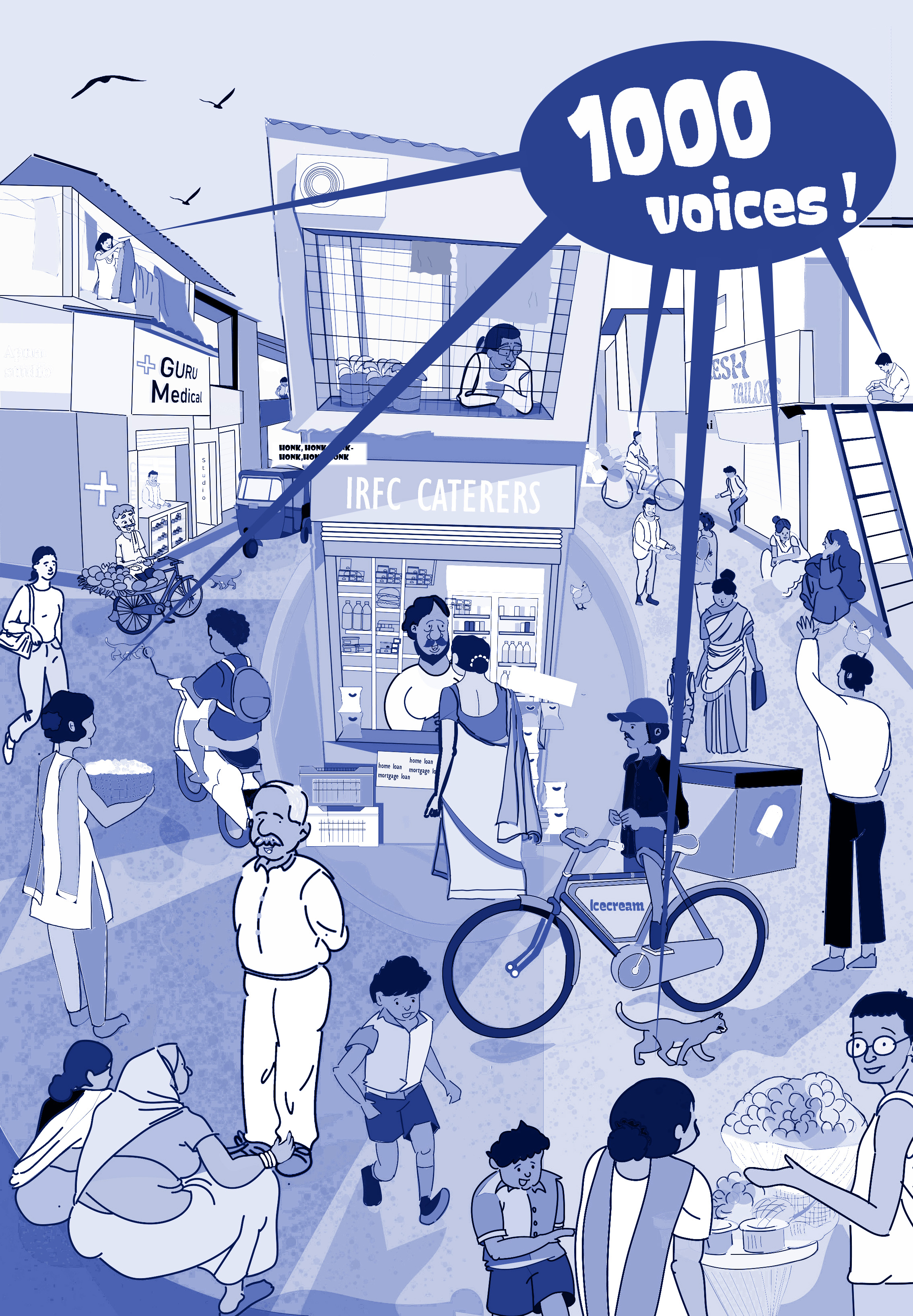
1000 Voices is a project that aims to document and understand Dharavi, Mumbai, through the perspective of people who, through their presence and activities, reproduce this fascinating homegrown neighbourhood day after day.