Liron's Tale of Two Neighbourhoods
Authors
Authors
Liron's Tale of Two Neighbourhoods
Authors
Authors
Interview with Liron Shalit, Director of Living Euljiro
Synopsis:
Living Euljiro traces the neglected losses of those living within a centuries-old district of maze-like alleys at the heart of Seoul. Through intimate encounters and textured observation, it creates a mosaic of perspectives exploring memory, identity, and resistance—revealing the human cost of a relentless urban Masterplan beyond a binary narrative of gentrification.
About the Director:
Liron is a documentary filmmaker focused on social issues, human rights, and ethical urbanism. Based in Seoul since 2020, his work explores feminism, urban redevelopment, disability, and digital justice. He has directed various documentary films emphasising positive social impact through thoughtful, community-driven storytelling.
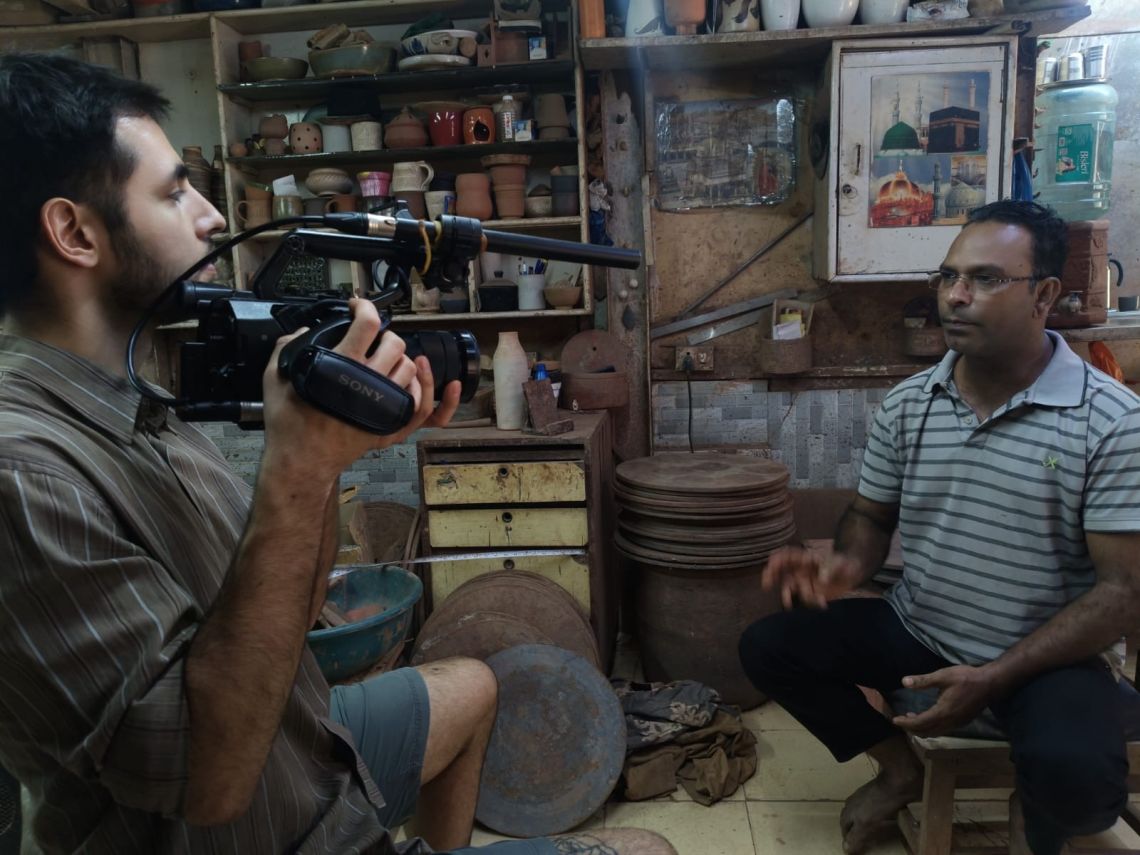
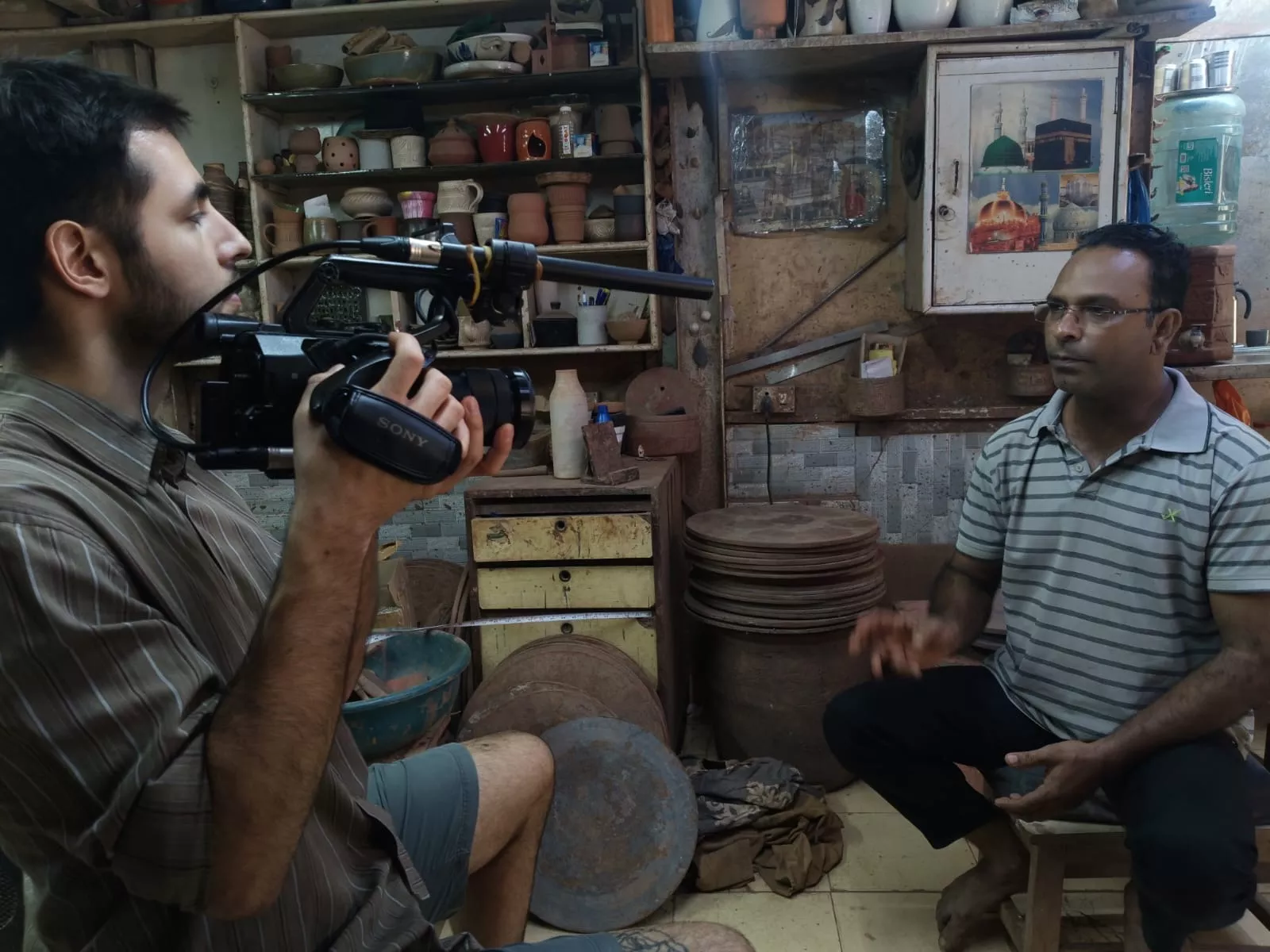
It’s been nearly two months since I began my internship with urbz, which is too little to say I know nearly enough about Dharavi. Nonetheless, from going on site visits and working on documentation projects, I’ve picked up a small sense of what this immensely complex place is like. Liron, similar to me, has been here for most of a month and has been our filmmaker-in-residence. After he showed us his film about a neighbourhood that has already experienced a fate that might befall Dharavi - demolition and redevelopment -, I became deeply curious about his ideas and experiences with urban spaces.
Liron, funnily enough, is shy about getting in front of the camera. Before we began the interview, I teased him and asked him about his major film influences, as if he were a Hollywood director on the red carpet. Interestingly, one of the films he spoke about was Tokyo Story, which he emphasised our generation had to watch. The film was shot in black-and-white, with no music and a slow narrative pace. But as one keeps watching the film, one wishes they had never left this world. As a testament to Liron's skill, I felt the same about Living Euljiro, too. I got sucked into the world of his documentary, starting to appreciate his process, and feeling for the place.
The interview begins with a reference to what he mentioned in the Q&A after the film screening.
Abhay:
You’ve spoken previously about how you’ve developed an interest and started filming urban spaces, their relationships, and social organisations. And you mention Jane Jacobs as a big driving force in the booklet. Do you want to expand more on that and what about the book resonated with you? Maybe a little on your background, and how life brought you to that moment.
Liron:
Interesting Question! So I was born in Jerusalem, and my family moved to Greece when I was 14. Since then, my family has never owned a home. Every year or two, we had to move apartments. And then, after I left for university, I also moved apartments every few months. So in my life, I moved between maybe 30 apartments and homes. And I think that in connection with Jane Jacobs, and what she was talking about, the city, how to live in the city, and what's valuable about it: I realised that, first of all, having a space like a home is very important. But also that our understanding of the city is extremely important, not only for living in the city but also for the future of humanity. All of us live in the city, or we'll live in one at some point. So we must understand what it should provide us with, our place in it, and our responsibilities towards it. Also, we should be aware of what we should be getting out of it, which is very, very important.
I felt like those two things coming together led to the Euljiro project and the Living Euljiro film. I felt like this is a place that is a home, with a lot of history and diversity for many people, and it's about to go away (because of demolition). So I think it took me a while to understand it, but the reason I cared about it so much is that I felt… Like I knew what it feels like to lose a home, to not have a home, and not have a memory. If I psychoanalyse myself, I think that's why I started this project.
Abhay:
You seem to write heavily [in a booklet about the film] about how you started becoming an active participant in the space itself, and again about connecting various people, caring for people, and really caring for the place and its people. And you go on to criticise dominant redevelopment paradigms. Why is all of this happening? You question it. What have you found? Have you found a planning methodology that might work? What worked for you? And then could it teach us, and serve as a model for other places, maybe?
Liron:
For us to understand how to frame a planning issue and model, I think it's a bit dangerous for me to discuss it, since I'm not exactly an urban planner. But I would say that, for me, the environment in Euljiro is not only for people making actual products, but also for younger people coming in and starting whatever it is they want. Be it cafes, bars, art spaces, or galleries.
Even 3D printing and AI companies had started up in Euljiro, there was even a guy making a satellite. I think the atmosphere, energy, and type of collaboration were very naturally maintained. People came there because they knew they wanted to start something new. And that environment gave them a place to start something new because everyone collaborated. And in the same way, while I was filming, I changed my perspective. Instead of just being a documentary filmmaker, I wanted to be part of the alleys and create something in collaboration with the people from the area.
And as a result, the film followed the same collaborative process. I started asking questions, and then later, when I walked down the street, someone would tell me, “Hey, the thing you mentioned to me, I found the guy who can make them for you.” And then slowly, you just become part of the community. Not only do you get what you want and achieve it, but the process is much more fun. Because every time you come to the streets, suddenly you have friends to discuss it with, and they interact with you, and it just kind of feels like you never want to leave. It's a playground for everyone.
Abhay:
I am sure, like any film and any director, there is a “style” that personifies the subject and maybe even the artist involved. We can also look at the style that emerges from a process as a link/threshold that connects you to the subject of your work. If you were to interpret your process, which probably grew in nuance through so much time spent in Euljiro, what kind of specific actions would you attribute to this time spent? How did Euljiro affect your process?
Liron:
One of the first challenges I had was a technical one: I couldn’t get a wide shot of a location (because of the narrow alleys of Euljiro). Which meant that if I wanted shots of certain places or actions, I had to be very clear. So in the film, you see a lot of reflections through windows and through mirrors. You see multiple layers within the same shot, which people watching the film term “meditative”. Because you have to linger and keep watching, and you discover different things when you look at each frame.
So when I first came to Euljiro, I was very tough on myself because I couldn't just point the camera and get information; I had to very specifically direct the camera to get certain information that I thought was useful, and then, in the same way, because it's in a very unexpected location, you can never count on the same thing happening again. So what that meant is that I just had to linger, just had to sit there and wait, wait for something to happen, wait for some movement, or even go without the camera and start observing the rhythm of the neighbourhood. And then I would know, okay, around 12 PM, people go for lunch. That means if I want to get a large group of people walking together, I have to be filming then. And the most work happens between 10 AM and 12 PM, so I should probably go into the factories then. And then you start setting rules to map out the area for filming.
I think what I really liked about filming is that when you actually went into the factory or just met with different people, they never felt self-conscious about how they looked. Because people were very proud of the things they were doing. So when I would come and say, “Can I film you?” It wasn't yes, and it wasn't no. It was kind of, “Do whatever you want.” So I think that gave me the liberty to push a little bit. So sometimes, even while technicians operated heavy machinery, I was five centimetres away from the person's hand. Because they were so into what they were doing, and I had so much time, I could just experiment.
Abhay:
Maybe more along those lines, could you tell us a little more about the Euljiro culture of making? Even making, in itself, spans a broad spectrum of processes. The culture of making here in Dharavi versus that in Euljiro is likely very different. What I could tell from the movie was that there was an industrial, machinic culture of making. So did any of these play a role in your production of the film, in the colour grading, or in how you chose to represent the objects in the film? Did the vast heaps of metal or the sharp edges affect your process?
Liron:
Yes, for example, you’d notice that the signboards had a very strong saturation. I think what I tried to do throughout the whole process was to layer up as much as possible. If you look at the film, there isn't a single straight-up shot. The only time you have nothing in the foreground is when you see the redevelopment. Which came from the same idea: that the street has people working in diversity.
It's never so clear. You can come and look at it from different angles; it's a different thing. But when you bring redevelopment into it, there's only one way to look at it, you know? Very straight ahead, very clean.
Abhay:
For anyone without context, just tell us more about what brought you to Dharavi.
Liron:
So what brought me to Dharavi, to urbz in particular, is that after the film, I was very sad because most of the original [Euljiro Neighbourhood] was demolished. And so I wanted to find a group of people doing things differently from how things were done in Seoul. And to learn from them. What it means to work within the community, what it means to build within the community. And that's how I found urbz, and I decided to come here for a month to do this exchange. My skills are documenting, being a filmmaker, and telling stories. And at the same time, I'm very interested in the subject [Dharavi]. So it was a very natural way of coming together, and for everyone to gain some value in the process.
Together, we can start sharing new stories about this incredible area as well. Of course, here is like 10 times bigger than what Euljiro ever was, and people live here, which is also slightly different because people don't live in Euljiro that much anymore.
Abhay:
And so, again, it's not been that long here in comparison with your time in Euljiro, but in some senses, you’ve become this kind of “bridge.” A bridge over time and space between these two places. You’re bridging the Feb-March of Dharavi 2026 with a whole three years in Euljiro, and so what do you see in common between these places, like if that's something that you've noticed or observed, and how might Dharavi set up for a future that may have already descended on Euljiro? By no means do I mean a solution, but even fleeting thoughts that have affected your understanding of urban space here and urban space there.
Liron:
Regarding similarities, I don't know much about Dharavi because I've seen only a small part of it, but there are similarities in how people work. Just like in Dharavi, there's a sense that you can make anything here and everything exists here. Not only material things, but kinds of people as well. So I think that's very similar, and I think, in the same way, something that restricts great potential is that here, young people and new ideas haven't seen many opportunities yet. It still has this kind of “slum” tag. And I hope that specifically changes so that people start seeing the potential of this place, just like people did in Euljiro. It will happen as soon as people start discovering this place's culture.
You know, I've been here for one month, and when I arrived, I was very scared because I was going to “the biggest slum in Asia”. But now I realize this has been one of the most comfortable stays I have had. And every day there is noise in the street, that's right. But it's kind of fun to see a wedding every day, hear music, and be part of the community. So I think that's the potential Dharavi has, and I hope its future will be different from Euljiro’s. Before it's too late, people will realize how much there is here, how much potential there is for future generations here.
And maybe, instead of just focusing on what's not working, they can take what does work and make it their own, in a respectful way. Because I think there's a very big potential for that.
Abhay:
And so you keep talking about how there's so much noise, and that there's a wedding every day, and that kind of stuff. These small phrases even reveal a great deal about one's understanding of urban spaces. Could you then maybe expand on how this understanding may have been shaped during your time here? If you want, you could frame it as a before-and-after to make your response easier to structure.
Liron:
I've always lived in residential areas, but I was very curious about places that were different. So that means, where I grew up, when you would see someone on the street, you might say good morning or hello, but that was the end of your interaction. But here, filming the streets for only a moment, I see that it's a completely different way of life. You see kids running around everywhere on their own. You see how news is going around between people and how even the people from urbz participate in the neighbourhood. It just feels like a very different way of living. And I'm sure it has something to do with the urban space.
You never feel like you're alone in a certain way. You always hear something going on. But at the same time, I always feel like if I need something or if I need some kind of support, direction, or just expressing my thoughts, there will always be someone there to listen at the same time. And this is just me. So I imagine people who might spend more time here are really living that idea.
Abhay:
Could you tell us a little bit about how you adapted your shooting and style to Dharavi, too? What about the dense landscape affected your methodology? This could come in handy for any new filmmaker here.
Liron:
So far, I’ve spent only a month in the alleys and streets of Dharavi, and it is still too early to tell what new shooting style will emerge.
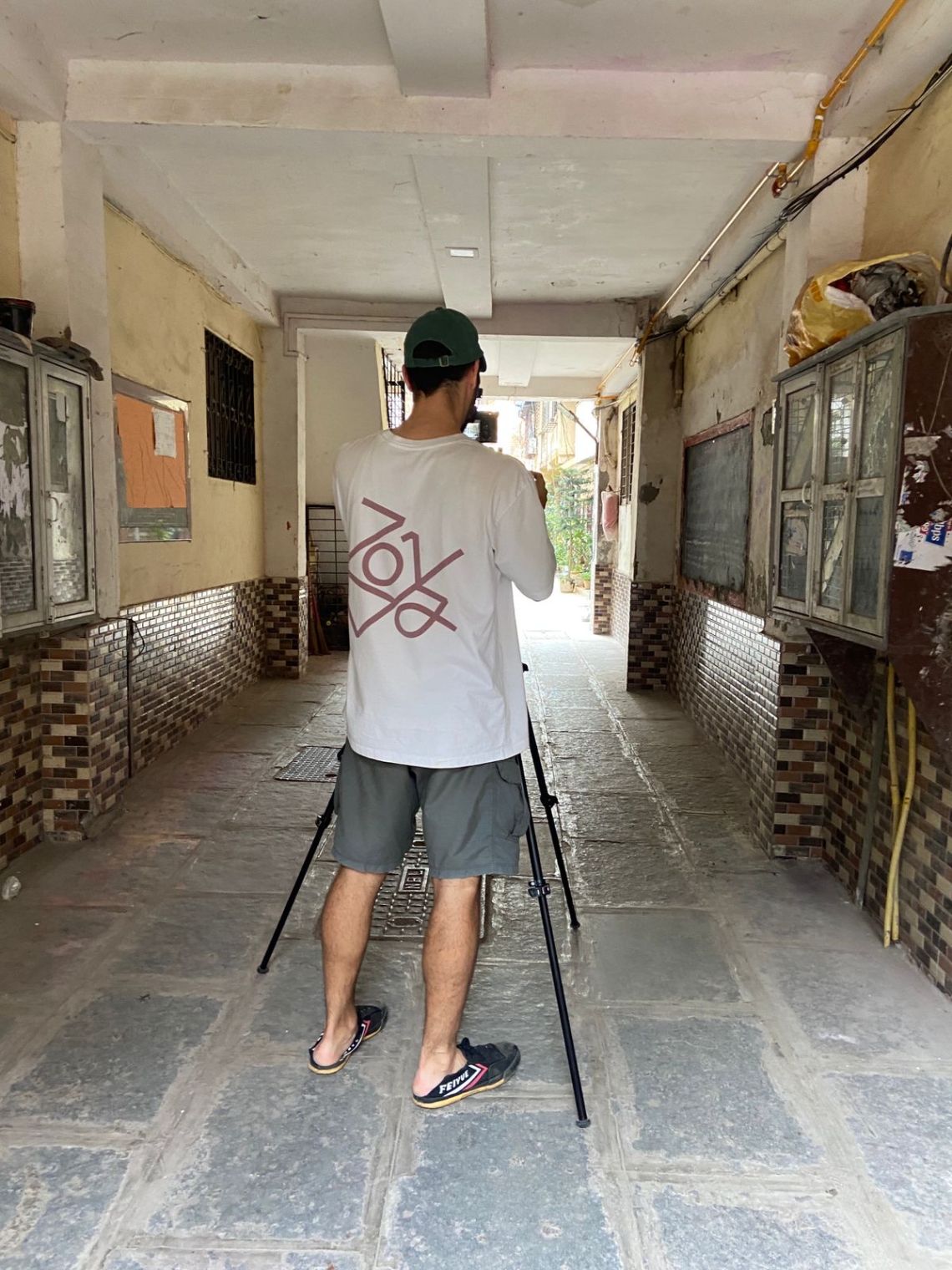
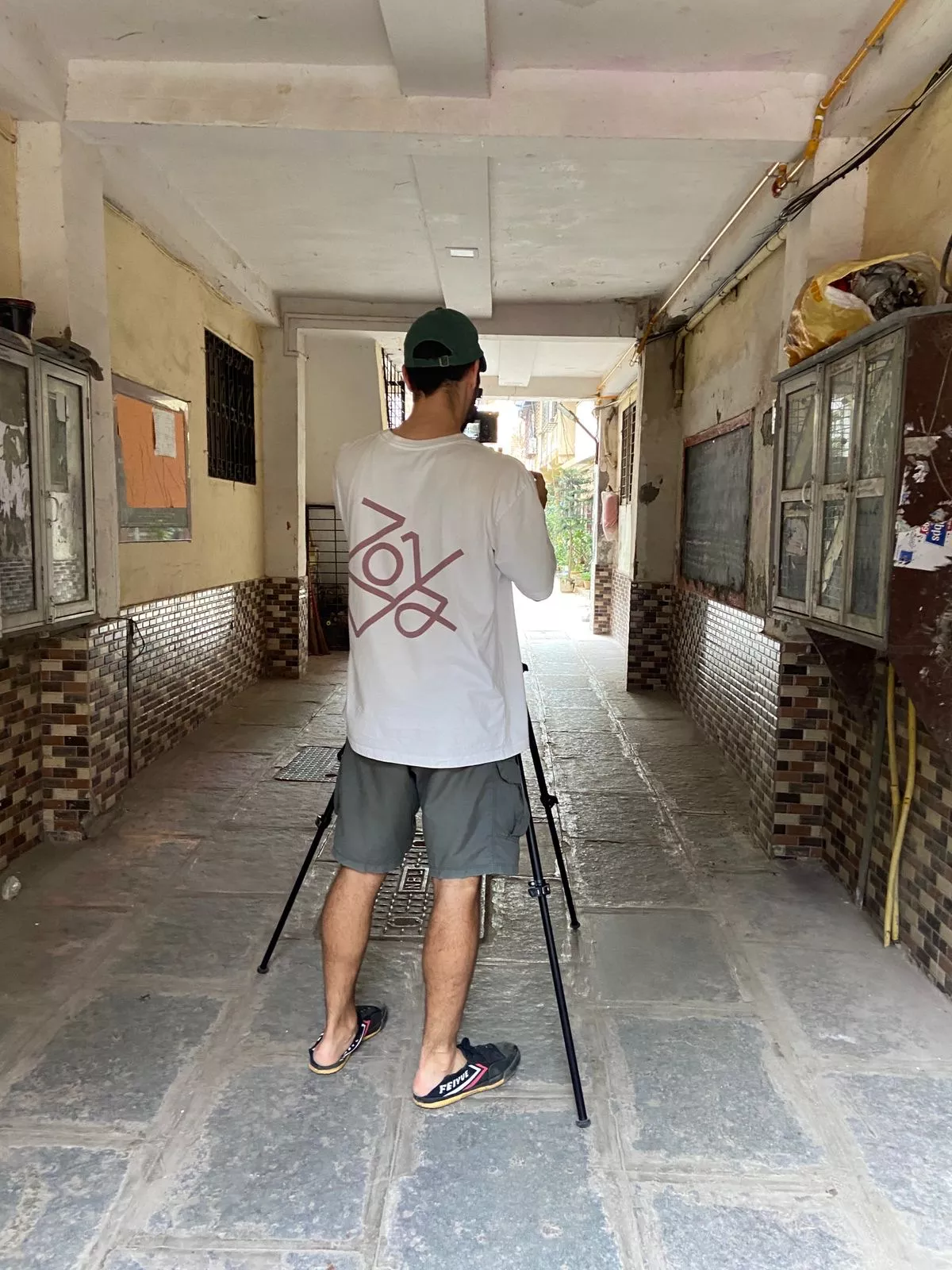
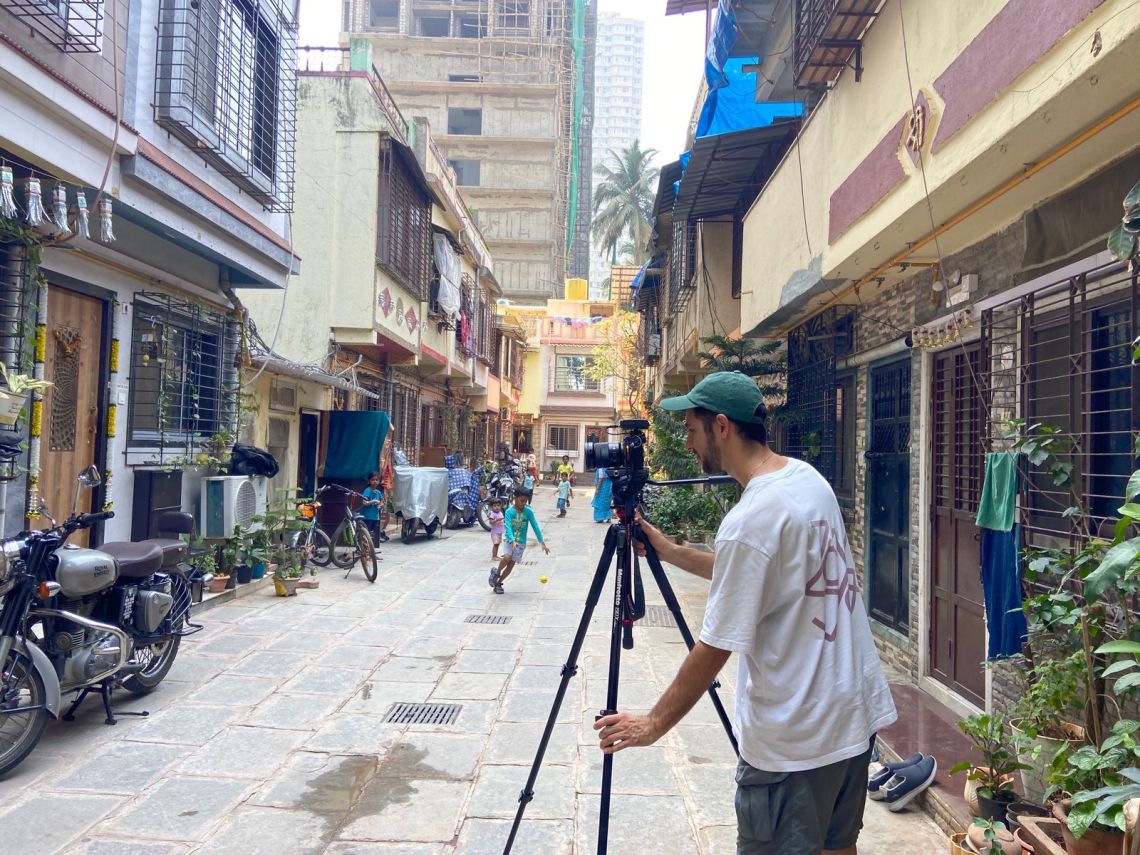
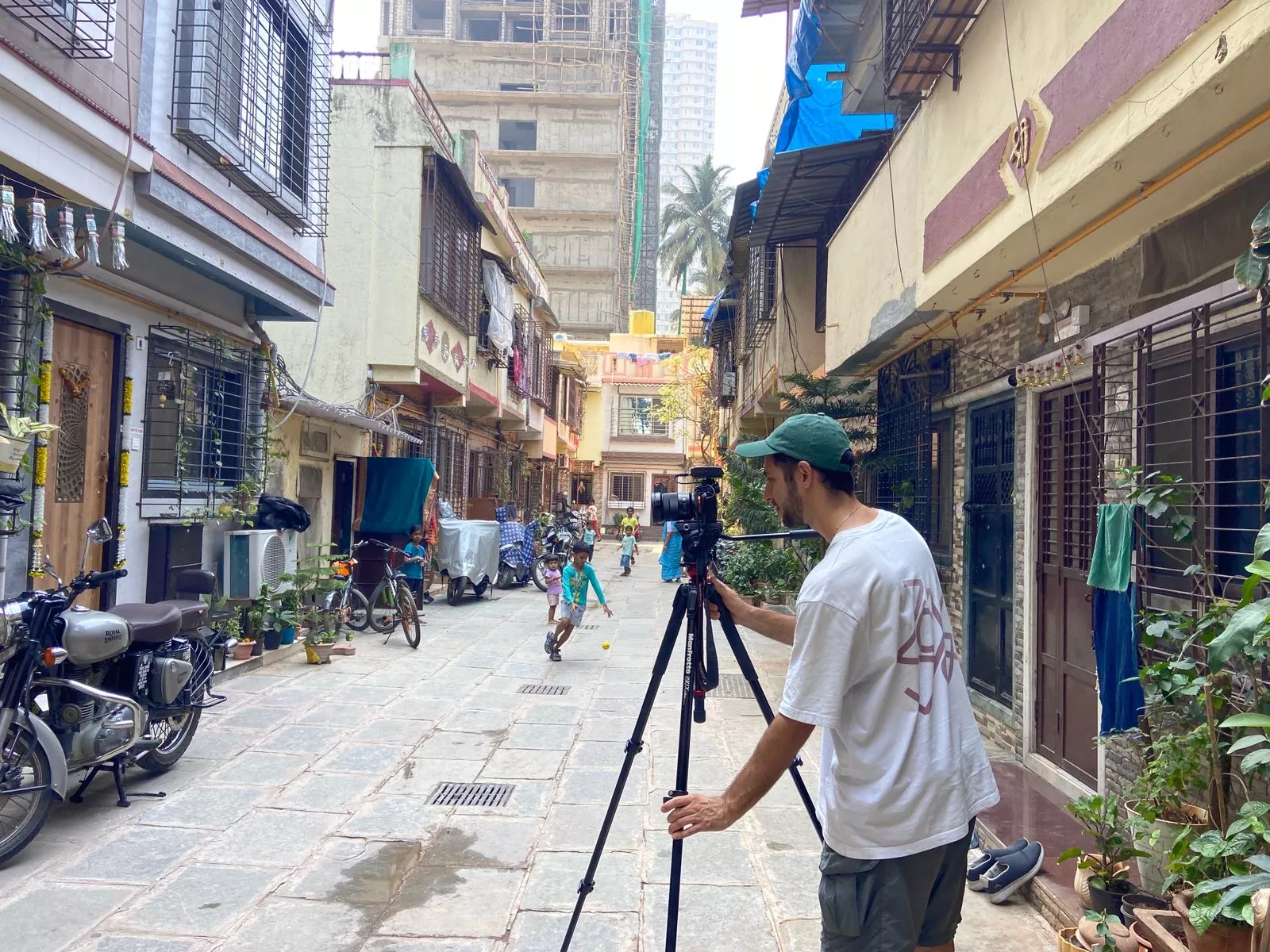
That said, one very different aspect of the streets of Dharavi, which I haven’t had to face in other locations, is the number of people on the streets. And it’s really very difficult to overcome that; I just have to move to a different location. The streets are also narrow, making it difficult to get wider shots. I noticed then that the streets are often closely connected to people's homes, and their personalities are often tied to them, too. Perhaps I would then start building stronger relationships that could allow me to reach people’s homes and capture the diversity of colour and texture I’m not able to see on the streets, due to constant movement and narrow gullies.
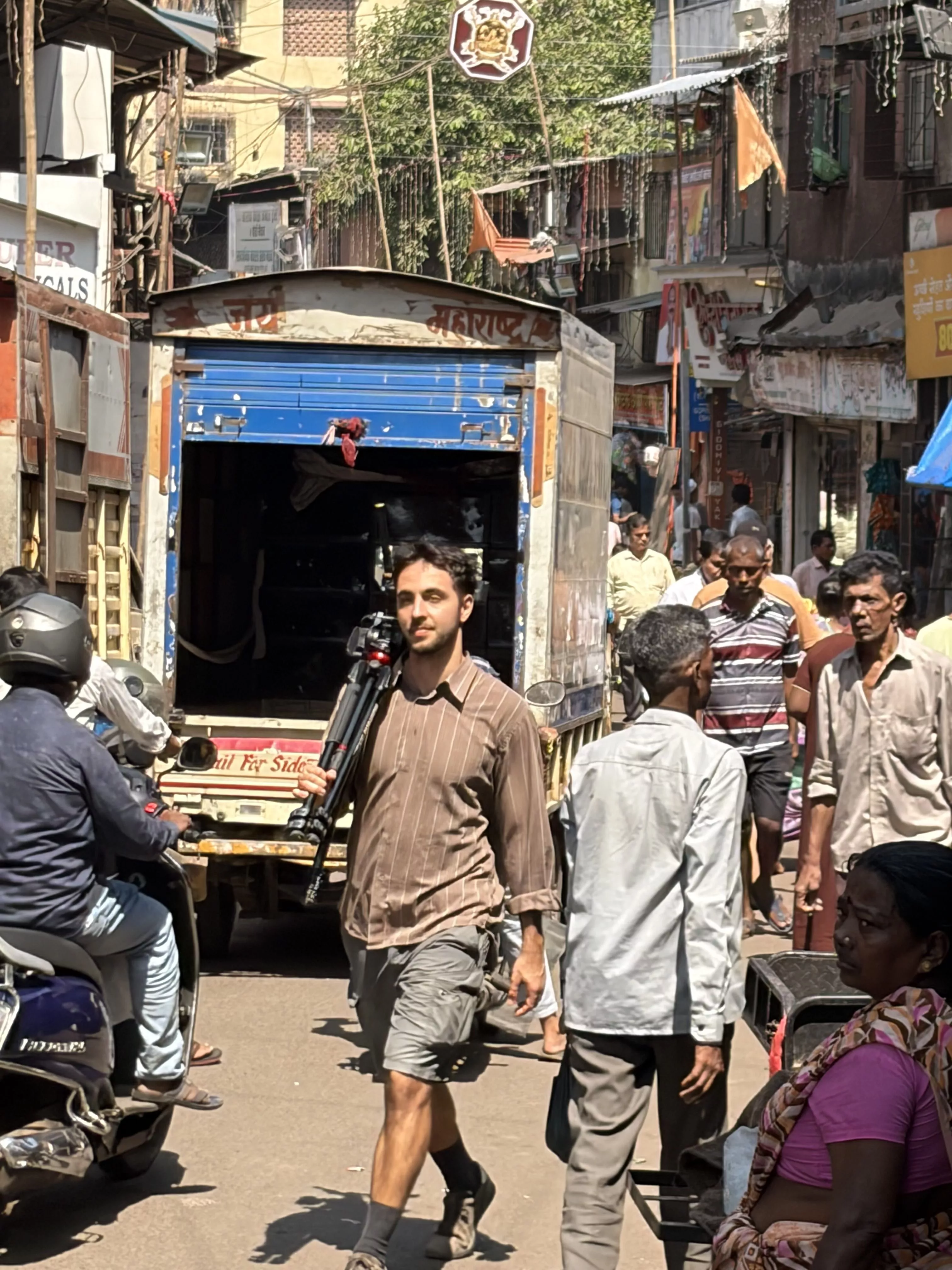
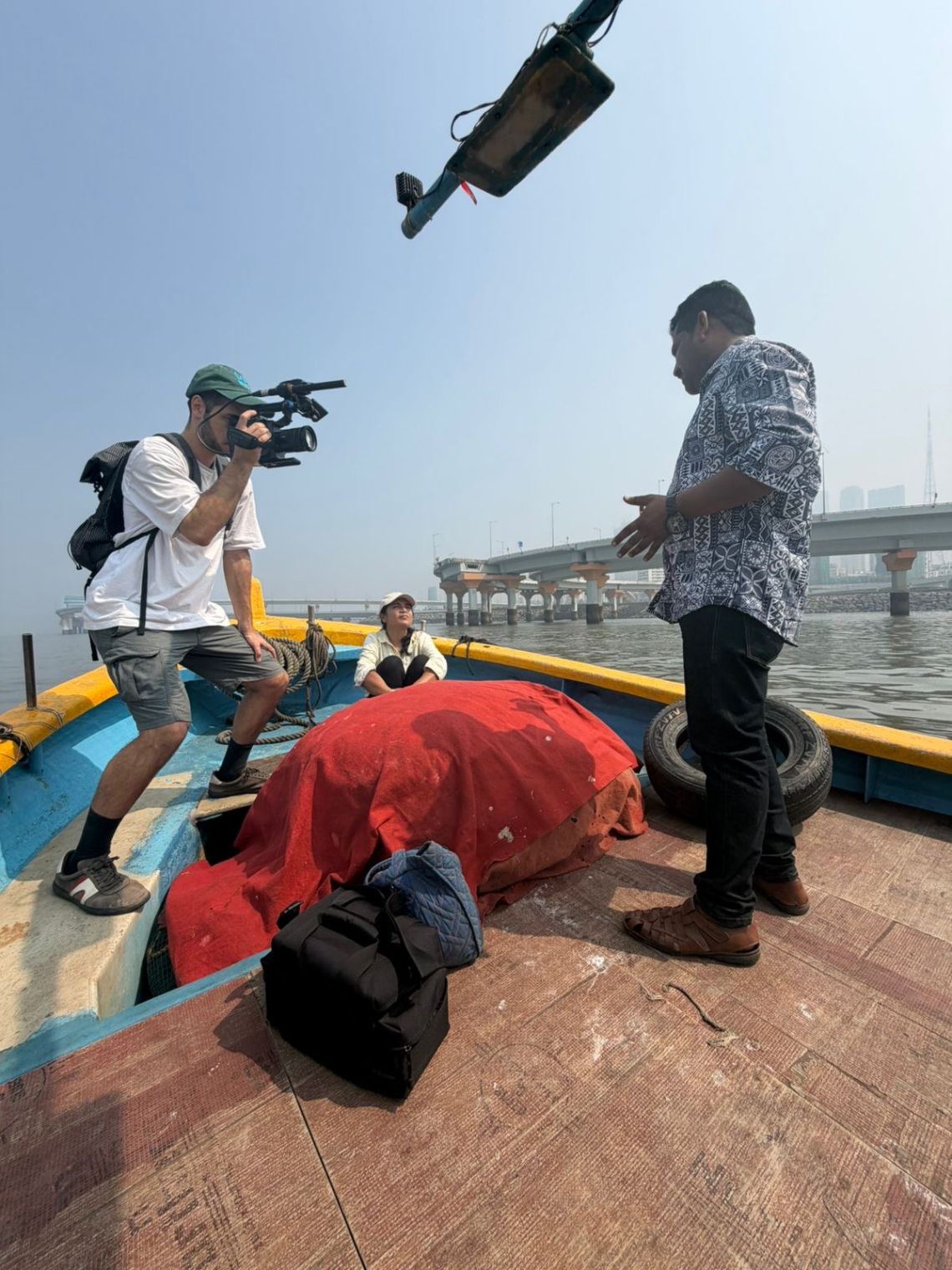
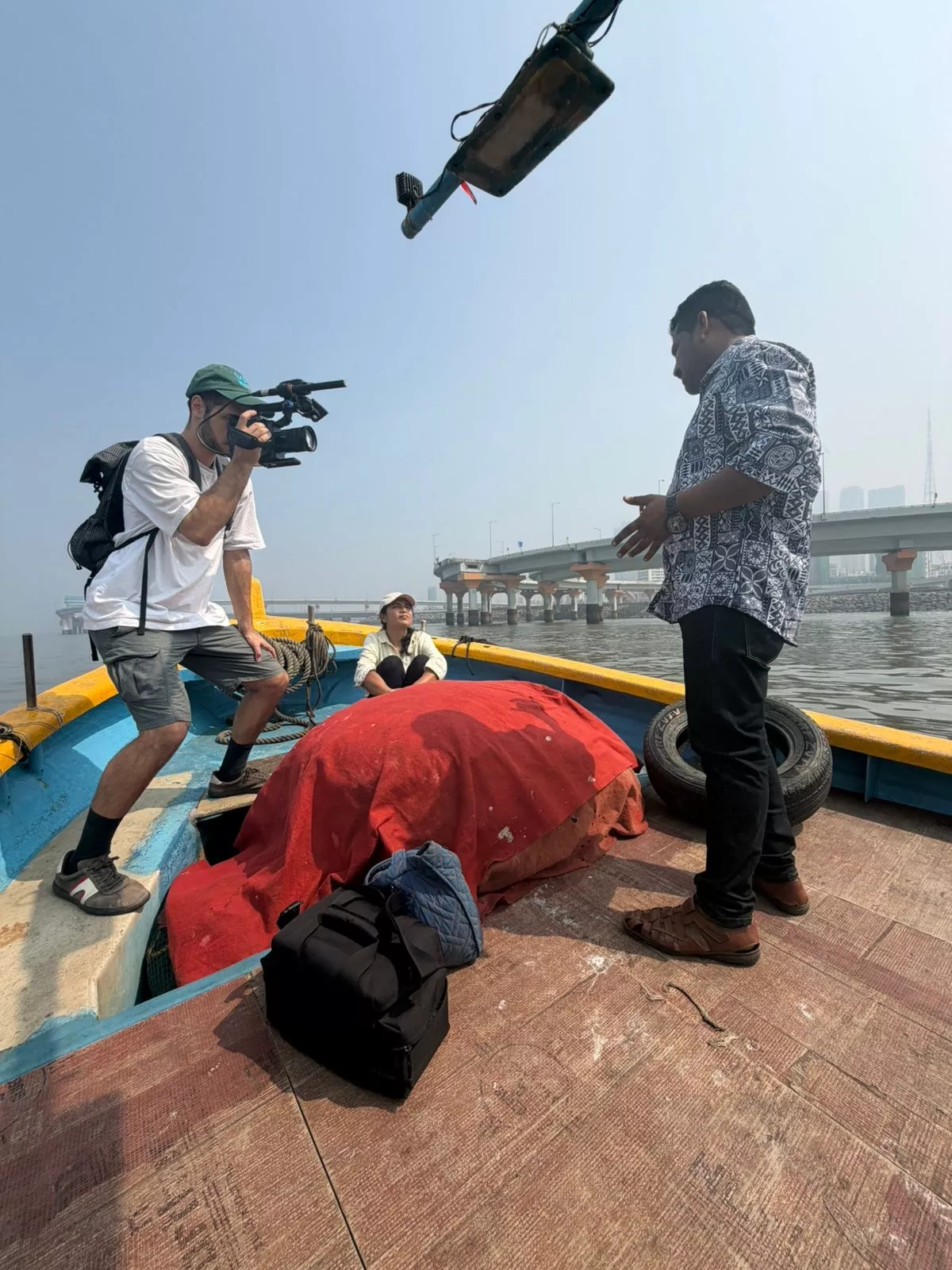
Something I also found both charming and challenging is people’s kindness and curiosity towards me. As a foreigner with a big tripod walking down the streets, people often smile at me, ask me what I’m doing, or stop in their tracks in order to make sure I am not someone who brings trouble. Although this has resulted in many pleasant street conversations and chai invitations, it also makes it harder to capture the natural movements and occurrences of a particular place.
This is an exciting challenge, as it completely changes the filming process I’ve been accustomed to in Euljiro. I think what may evolve is a collaborative approach to filming, where I will try to give the camera to people from a specific neighborhood and direct them on how to document their own lives from their point of view. I hope that, together with those who are interested, we can create a collaborative documentation process that will result in ever more authentic storytelling.
Abhay:
You've brought your film and screened it here in Dharavi. Now that you know a little bit more about Dharavi as well, do you think it might be useful for your film to reach a larger audience, maybe within Dharavi or Mumbai as a whole, or India as a whole, or the world as a whole? Maybe also that we can learn so much from it, and how there are a lot of ideas on how resilience emerges from collective efforts that you might want to share, or do you think maybe that it's a very specific message that might apply only to Euljiro?
Liron:
Yeah, I love that question, actually.
I think this film can be valuable to people because it can give them ideas about what could happen if the right people from outside Dharavi come here. To learn how to deal “collectively” with external forces that could harm the community.
At the same time, I'm kind of worried about outsiders (non-Dharavi residents), i.e, the planners and bureaucrats watching this film. They might compare Euljiro [to Dharavi] as a picture of a “slum,” but the film itself is full of older people using old methodologies, which is different from Dharavi. The film is about nostalgia, memory, and preservation. Which is totally different from the vitality that I’ve seen is so prevalent in Dharavi. Euljiro hasn't been maintained; people have moved away from it and don't live there anymore. Additionally, considering that Korea is facing a major population crisis, where most of the population is elderly, Dharavi is a totally different situation. I think people from outside Dharavi who might see and try to compare the two contexts could pose a danger; it might give them even more incentive to change what exists here.
Yeah, so I think for people from Dharavi, it could be a good inspiration on how to not let the same story happen to them, and maybe give them a little bit of energy, you know, if this random Greek guy made a film in Korea, who’s not even speaking the language what can I do here [in Dharavi] when I have all this around?
Abhay:
Now you're going back to Seoul, and I think you mentioned this a bit as well. But what would you take with you? Like, what kind of ideas would you think might apply from here to there?
Liron:
Yeah, I think most of the ideas I'll bring back will come from seeing you guys [urbz] work. And see how you interact not only in the office but also outside of it. People in Seoul consider themselves a very individualistic society. People don't have time for anything. I think they forgot the value of expressing, even sharing a meal, or just spending time doing things that might not seem productive, but actually make the work much more efficient and effective. And if I get a chance to work on a team with people, specifically creators, in Seoul, I will try to bring that mentality from here. Because here, you have interns, you have architects, you have artisans, all coming and really feeling at the same level. It never feels like the discussion is too high or too low for some, you know. From the way you guys are writing and discussing it, it's always a four- or five-person team.
In Korea, the first thing they ask you is, "What's your title?" “What did you learn?” And according to that, they fit their ideas and what they expect you to do or what you shouldn’t be doing. So I think in that case, I will try to bring your culture into a collaborative environment if I get the chance.
Abhay:
What would you do differently next time? There's also a whole emphasis and discourse on the role you play in the film, right? And that's a very deliberate thing, I think you've done. And so for your next film, maybe, or next documentary, are you gonna be like National Geographic in wildlife, with absolutely no interference? Or are you gonna be a little more autobiographical, in the sense that you're speaking about yourself through your lens and participating in shaping the environment and so on?
Liron:
The first year of making this documentary was a very depressing time because I witnessed a lot of sad things, and at the time, I felt like the only thing I could do was make a film. So these people suffered very painful things, but my work was of no help to them. I felt very guilty about that.
So the first thing I would change is to focus less on the bigger picture. You know, I have this skill: I can document and edit things. So the first thing I will change is to not just focus on making a single finished product, but instead start producing and publishing content alongside the documentation stage, and getting to know an area or a community. Content that gives something back to the people involved in the film and helps those outside get to know the subject, and hopefully become curious. I learnt that this also helps the filmmaking process, not only giving meaning to the people involved. Because with each thing I produce, I learn a little bit about the process itself and what the project should be. That's number one.
And secondly, about my involvement in the scenes, like I told you guys, I hate myself on camera. I really wish I had never been on camera. But I think this is a process of getting to know people and the area, and of discovering it for myself, which I think gives it a very authentic touch. And although it’s uncomfortable, I will try as much as possible to cultivate that even more. You know, because at the end, if there's just a narrator or like an expert talking about things, it's very removed. And I feel uncomfortable with being removed in that way.
So even if it affects the style itself, I hope to make people see my own experiences and involvement as much as possible.
Abhay:
In that sense, how do you plan to continue that effort? What are your plans?
Liron:
That's a good question. I'll need time to figure that out. But I think even within Euljiro, at the moment, I am simply a filmmaker within it. But I hope to make Living Euljiro, a message about community building. Sharing what I learned here will definitely enhance those efforts.
First of all, I hope to keep coming back here and keep developing with the team. But even with the little learning I’ve done this month, I hope to bring it back to Euljiro and start our own community to revive what is still there. That's really my hope, to start leading a “Euljiro Academy”, maybe leading Euljiro Urban Design, leading a “Euljiro community”, whatever it might shape up to be. I hope I can do that with a team of people that already exists. You might see me as the only one involved in this effort,” the director”, but really, about 100 people are involved in this film. Not only the people who were interviewed. There are those who helped momentarily; some people took time off from work to come and translate with me, and there was a model-maker who made the figurines. There are all these different people who have even just met me and had a discussion. I can operate the camera and edit, but this is a hundred-person film.
Related articles


This compilation of prose and poetry emerges from the most incredible time I spent in Dharavi working with urbz Mumbai.
The Handstorm workshop brought together various actors from all around the world to build things that could improve the neighbourhood based on discussions with residents and with the help of local artisans
The coming together of speculation-driven real estate development and the idea of “public space” has produced weird urban species.
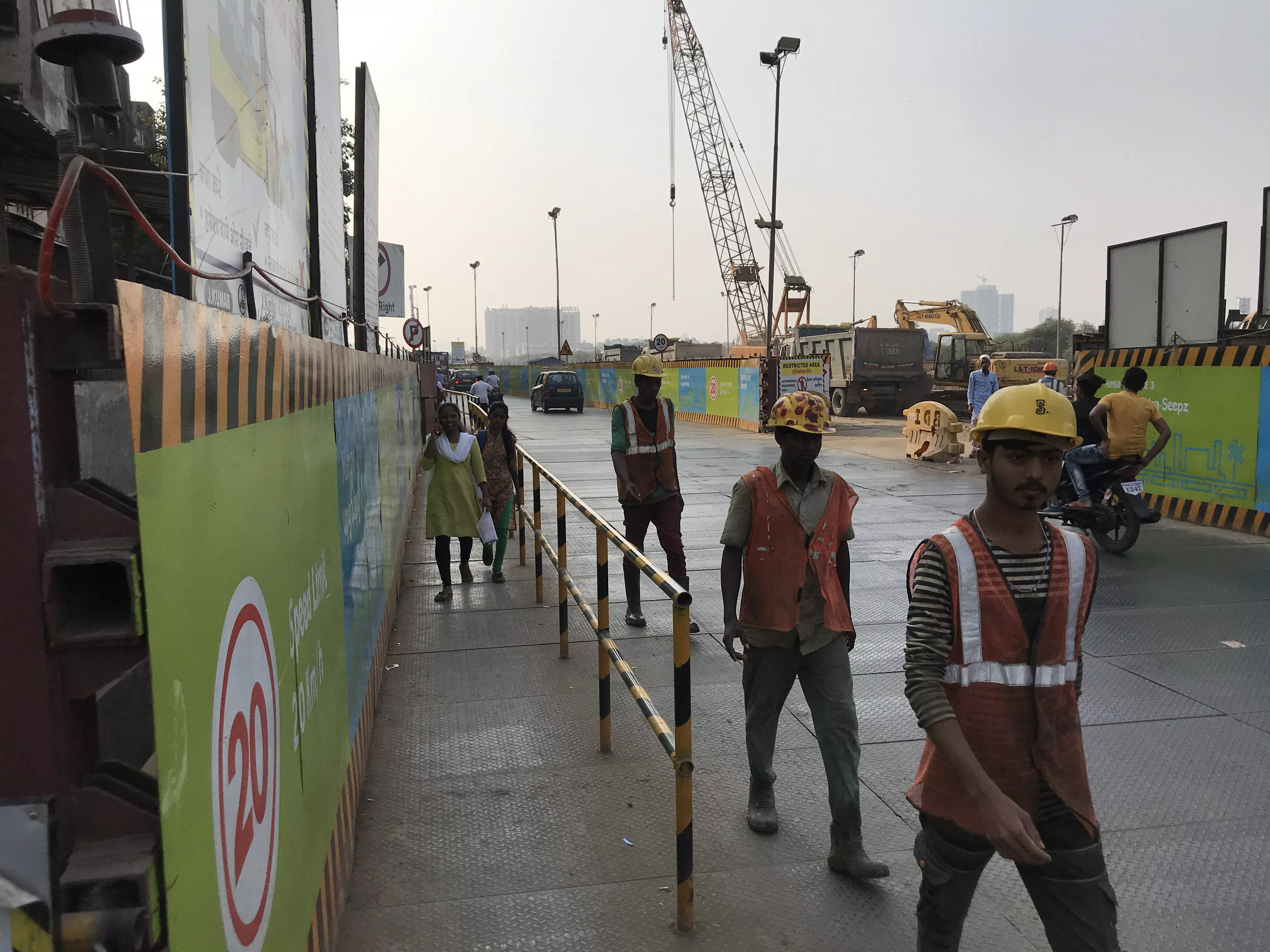
How the Mumbai Metro line 3 could affect Dharavi.

The mangroves of Mumbai are a metaphor for Dharavi - both have managed to survive and thrive in areas where others cannot, are tolerant of difficult conditions, are extremely productive, have far-reaching influence and provide the foundations for larger ecosystems.


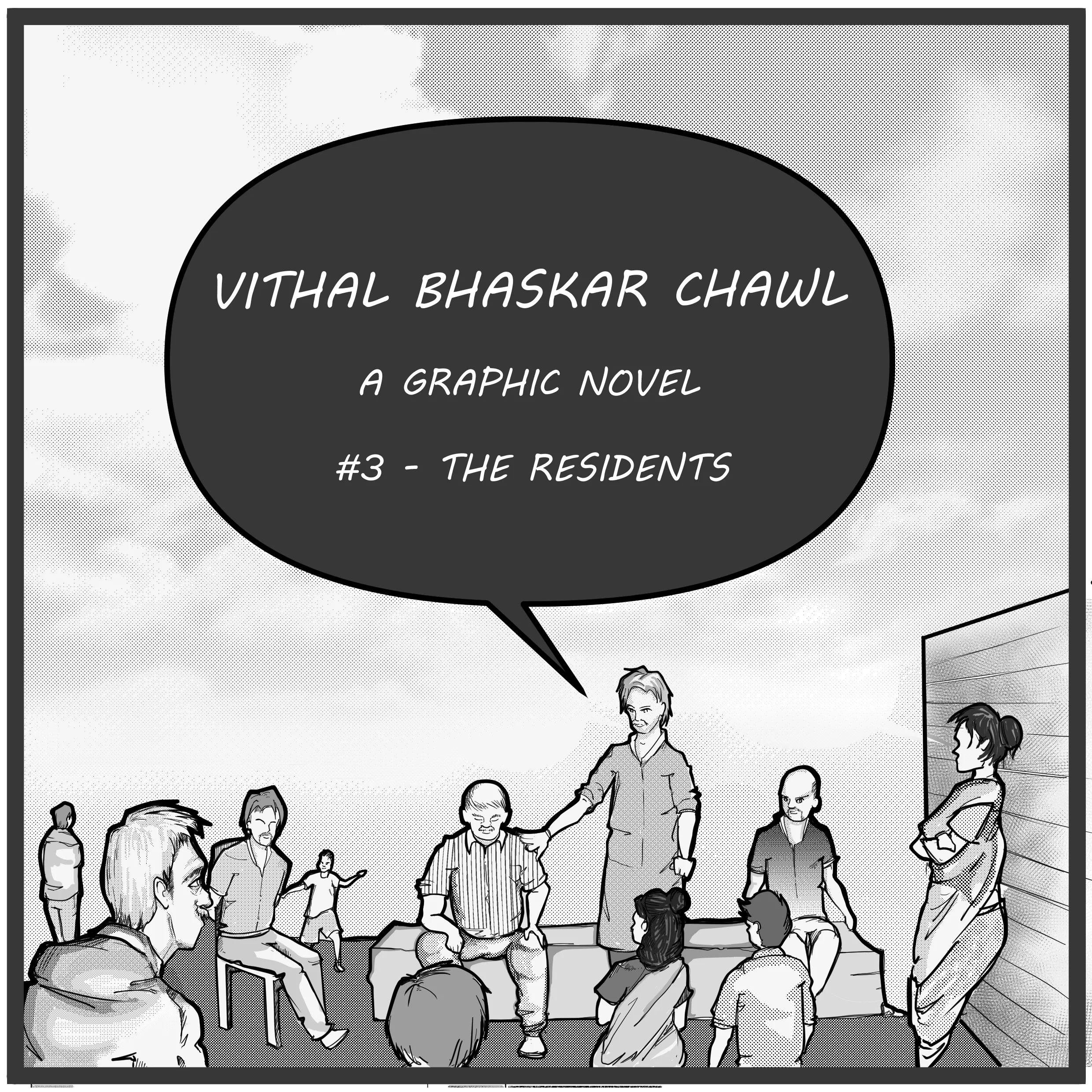
Issue 3 is out now! We open Pandora's box to discover the residents concerns.


Studies, workshops, street exhibition and plans towards making a small square in Dharavi children friendly

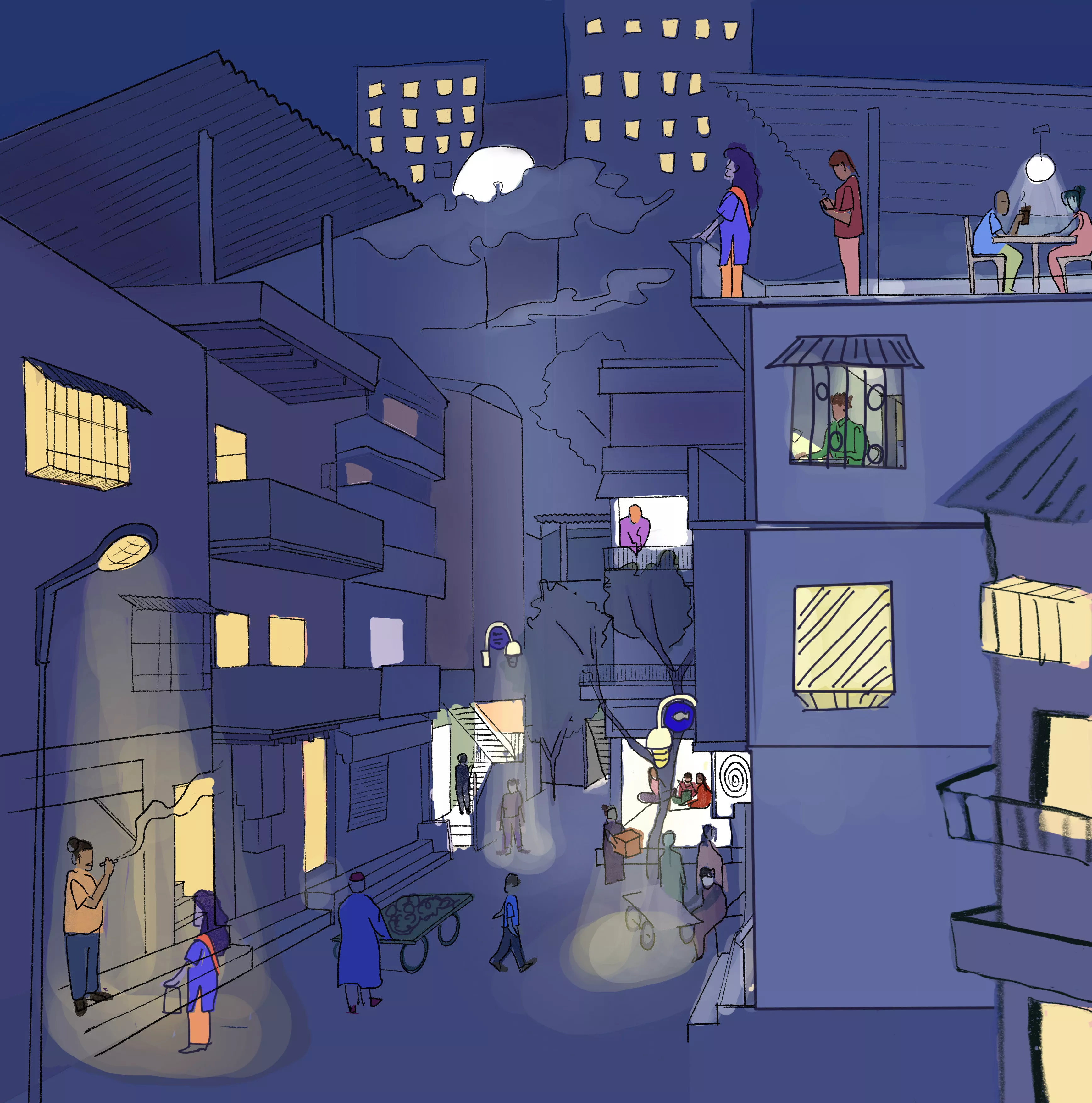
As part of the ABCD project, street lighting emerged as an urgent need for the residents of Dharavi Koliwada. A need that was addressed through a year-long collaboration between urbz, the Dharavi Koli Jamat, local electricians and residents. Read about how the process unfolded and what comes next.
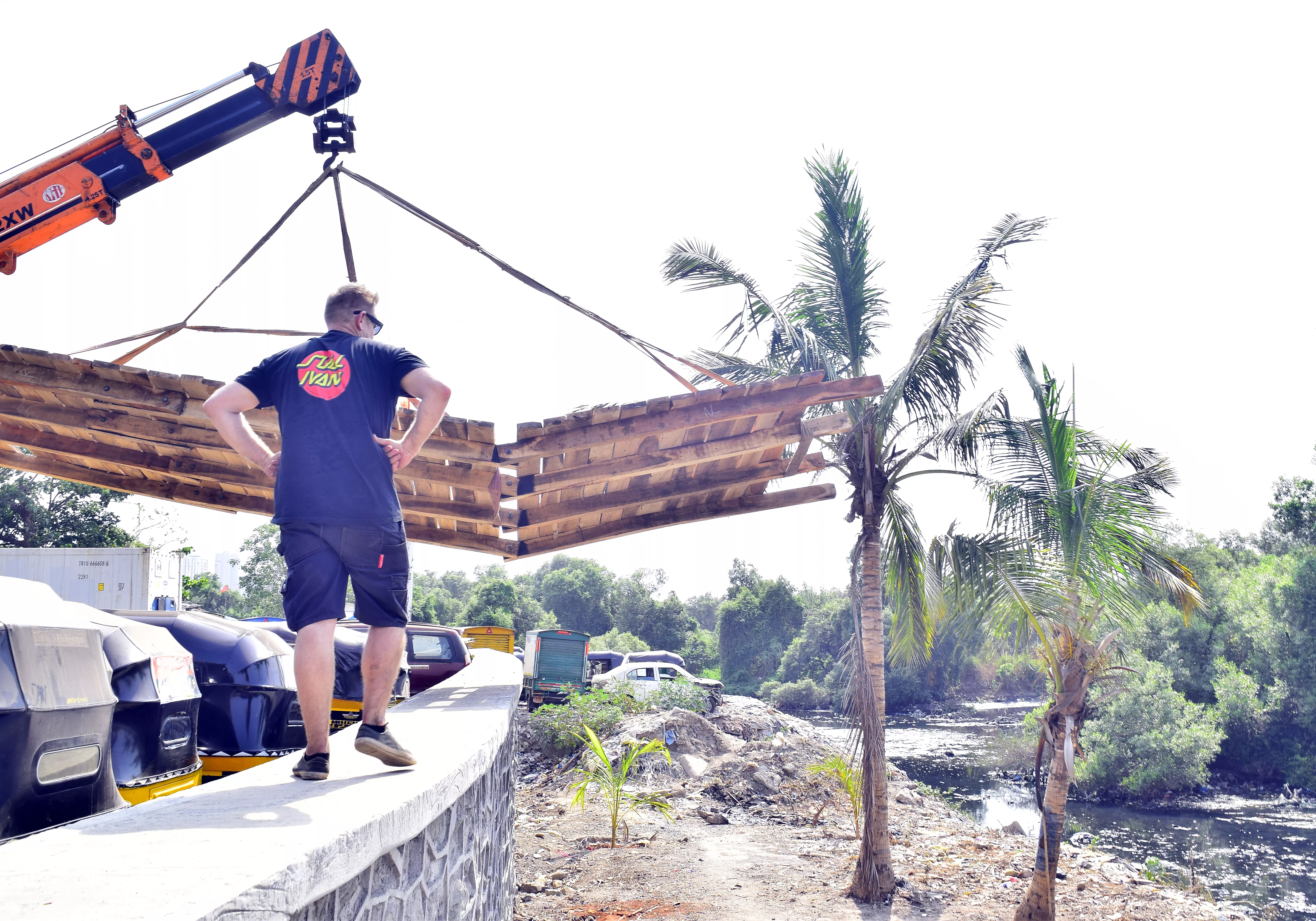
Dharavi Koliwada is on a mission to re-establish a dwindling connection to its fishing ponds. Along with the crew from Sullivan Carpentry and urbz, they are actively designing and building an amphibious device that helps fishing boats get into the water.