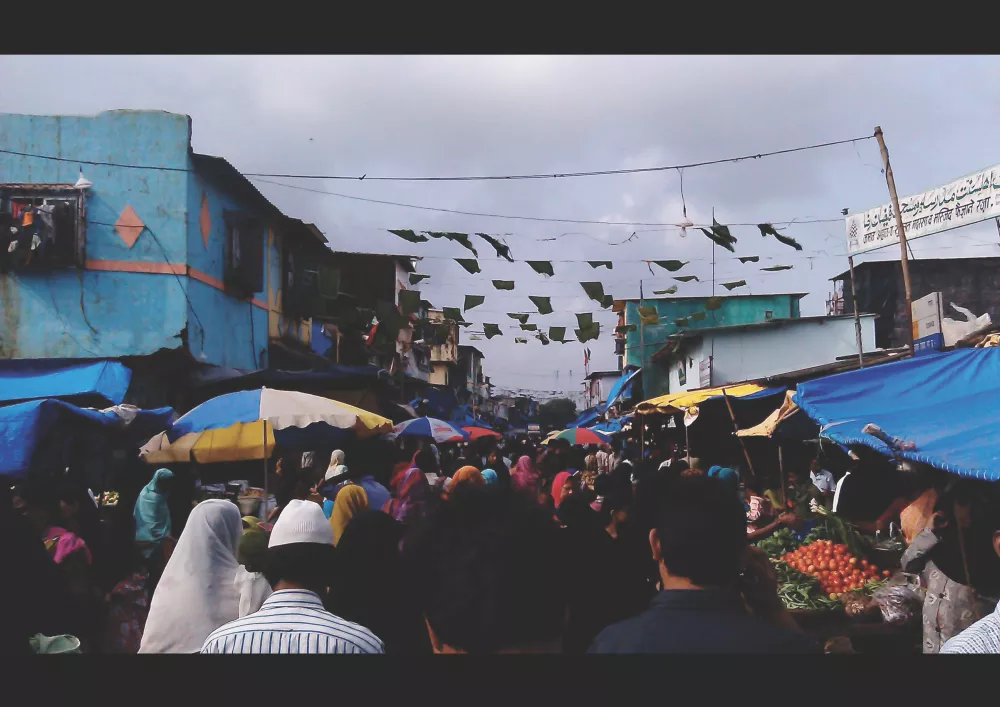
While residents may live here and work elsewhere, this neighbourhood also shows a high level of its own economic activities.

All you need to bring along are your hands, a desire to produce something useful and beautiful which you feel the residents would love to use and loads of enthusiasm.
It is commonplace in Brazil that ‘favelas’ are a pervasive part of the urban landscape. Recently however, alternative, bottom-up models have emerged that slowly change this scenario.
How local, community owned and managed housing co-operatives, can be a vital step towards improving the neighbourhoods, bringing good quality civic infrastructure and making the city genuinely ’slum-free’.
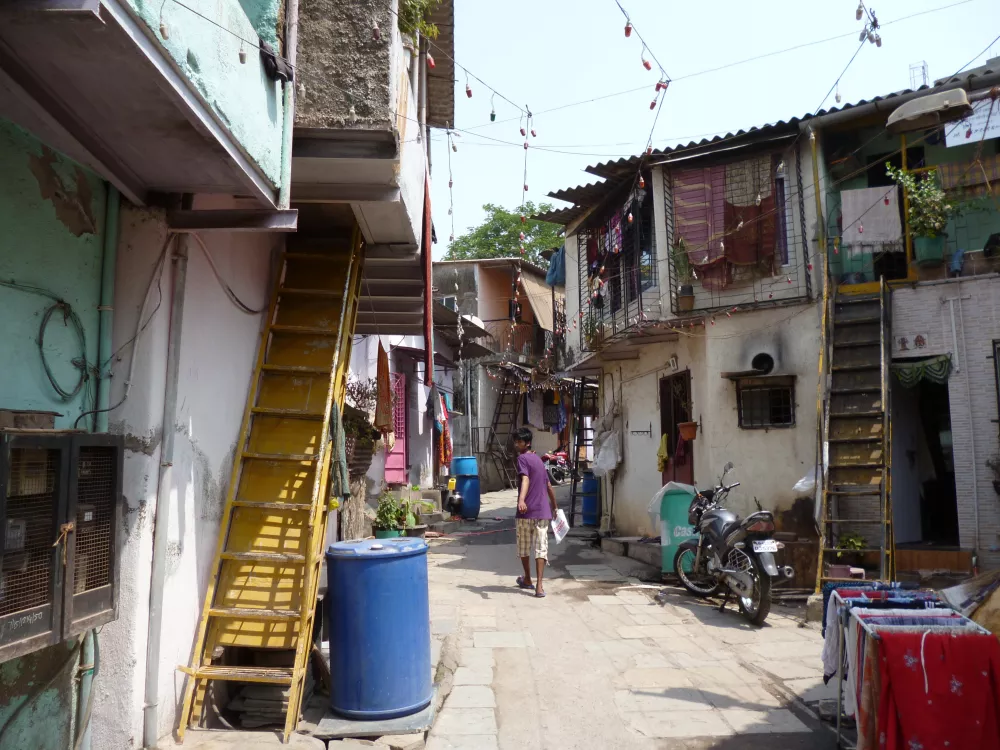
Behind the famed Renaissance hotel by the Powai lake is a small, homegrown village called Paspoli which is home to the workforce of the hotel.

An architectural and design practice that works with local builders and residents to create projects embedded in neighbourhoods’ cultural and economic fabric.
Where affordable housing is scarce but people have tweaked the system and the land to achieve the best possible results in the given circumstances.
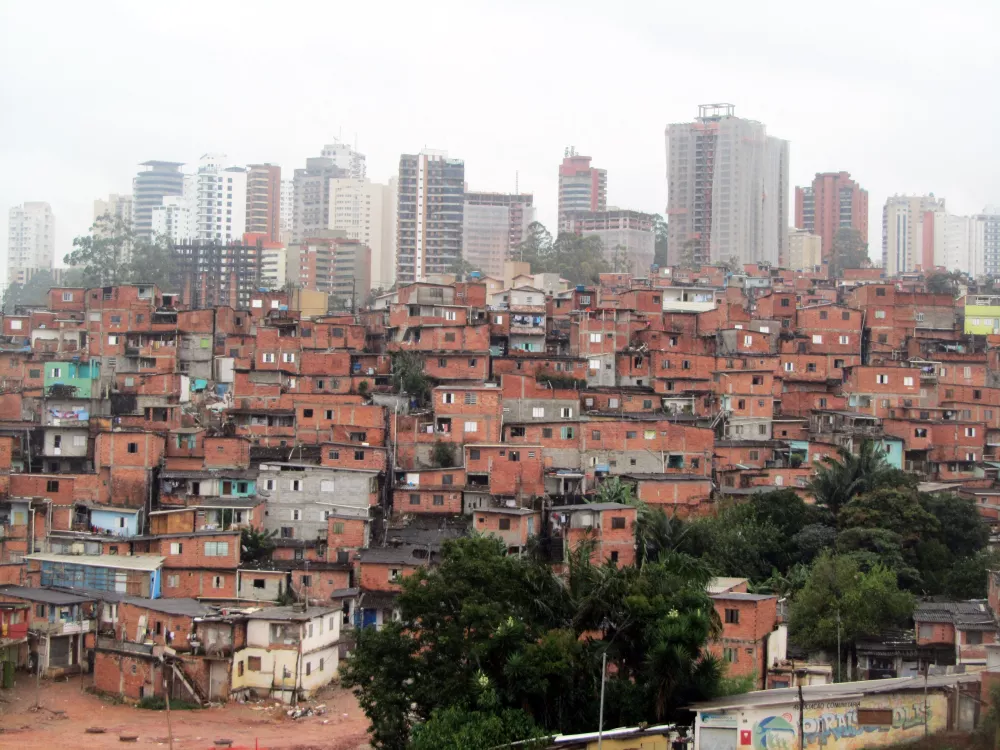
Architecture academics makes it difficult for the student to understand the practicality of the profession. This hands-on approach was taken by urbz and the team so that the students could understand the depth of it.
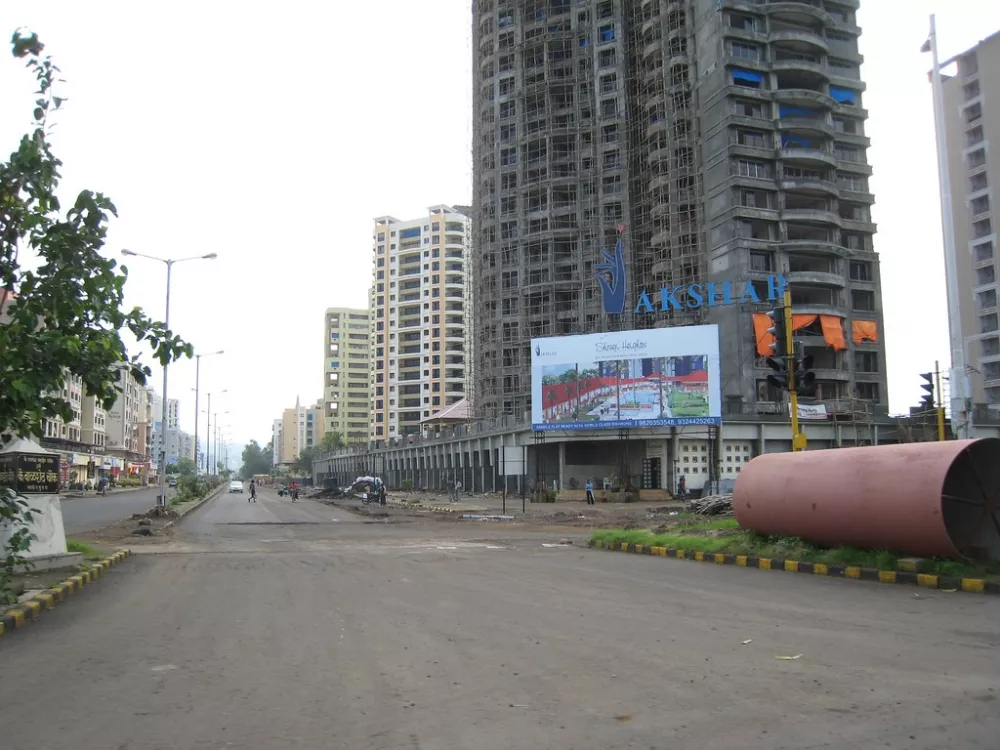
Local newspapers doubled, tripled and eventually quadrupled with classifieds about the shiny, affordable, chic new buildings with swimming pools coming up in every empty corner.
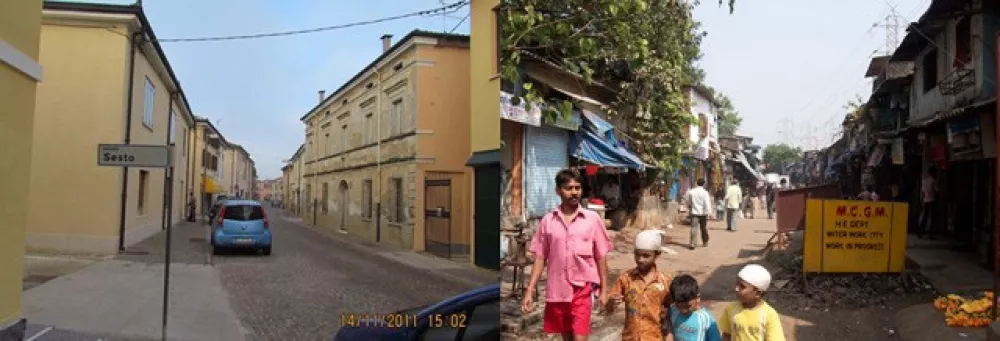
Similarities between urban villages in Mumbai and Italy.