Dharavi + The World
Authors
Authors
Dharavi + The World
Authors
Authors
Related articles
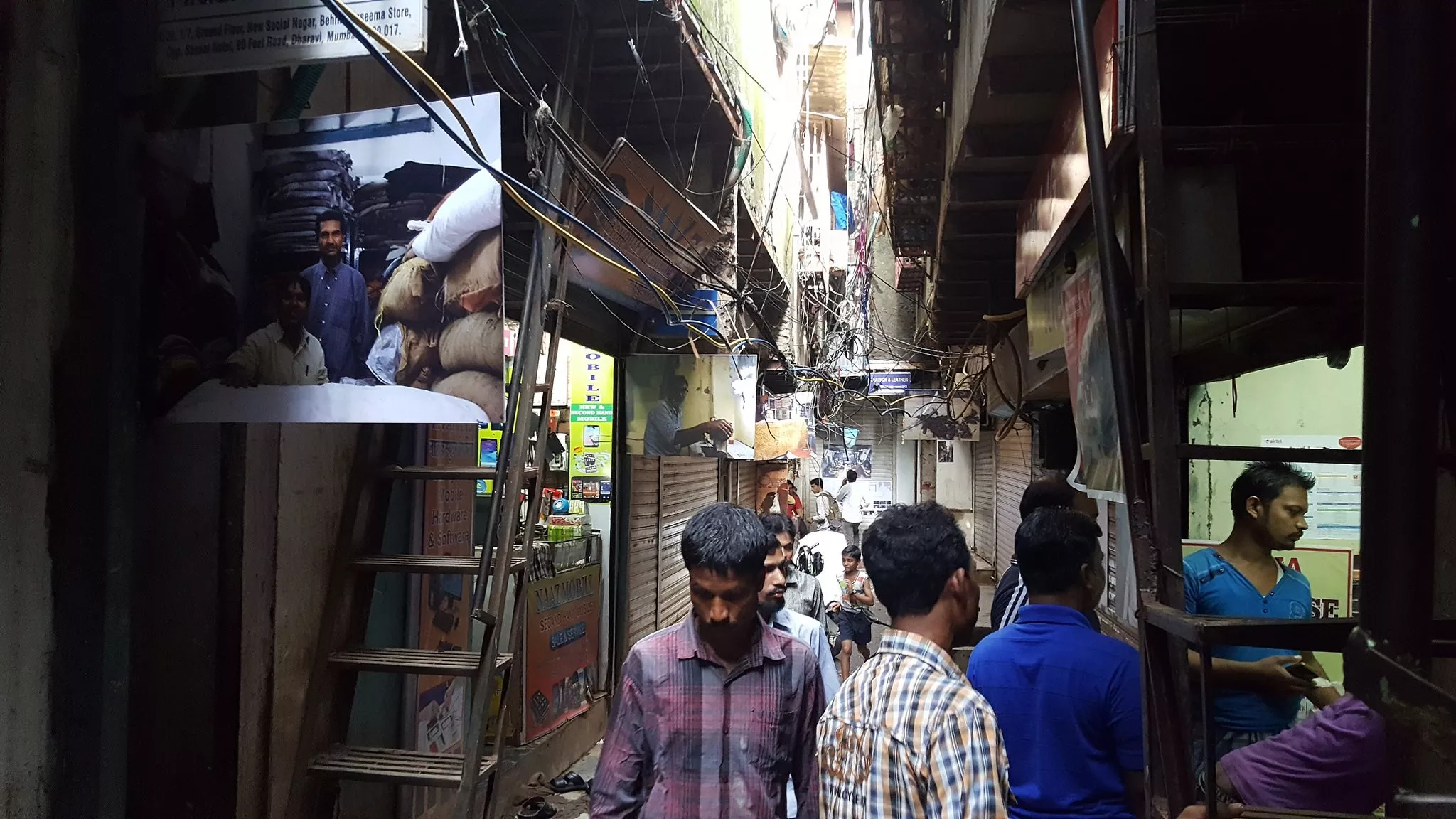
Why is there a Bareilly street in Dharavi when Bareilly is infact in Uttar Pradesh?

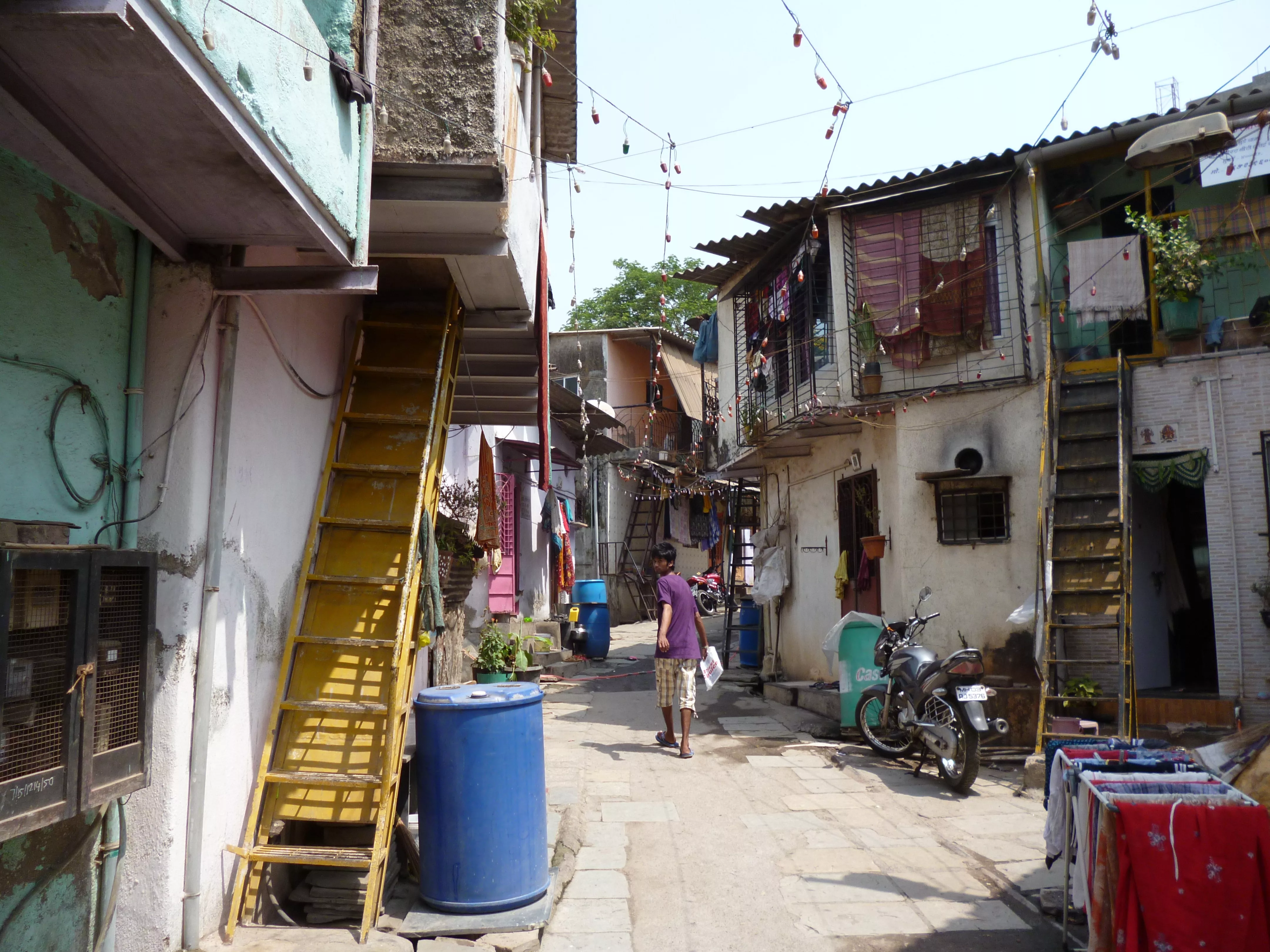
Behind the famed Renaissance hotel by the Powai lake is a small, homegrown village called Paspoli which is home to the workforce of the hotel.


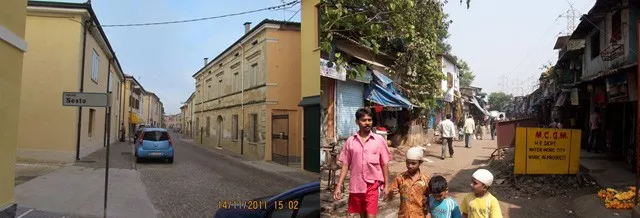
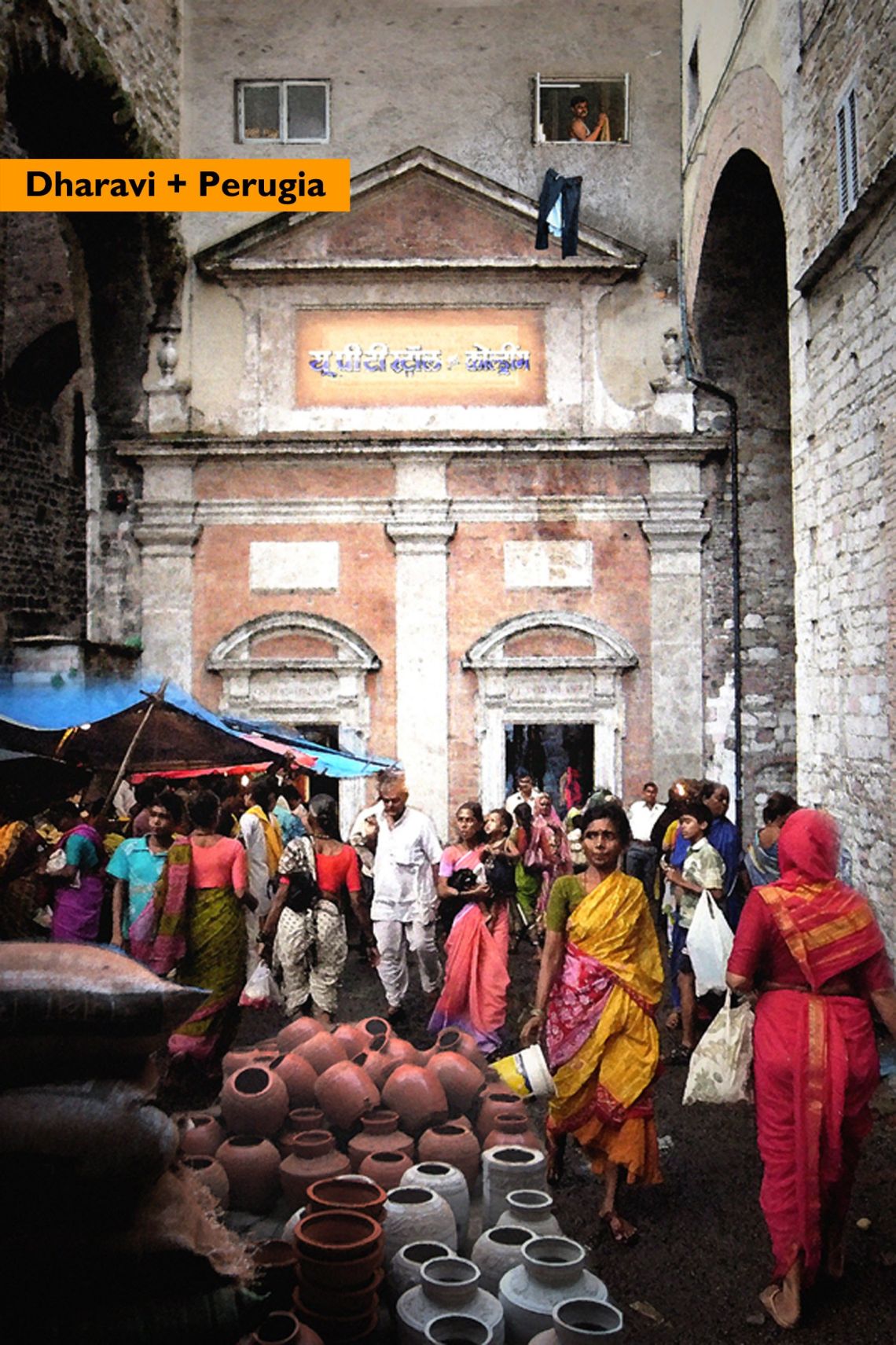
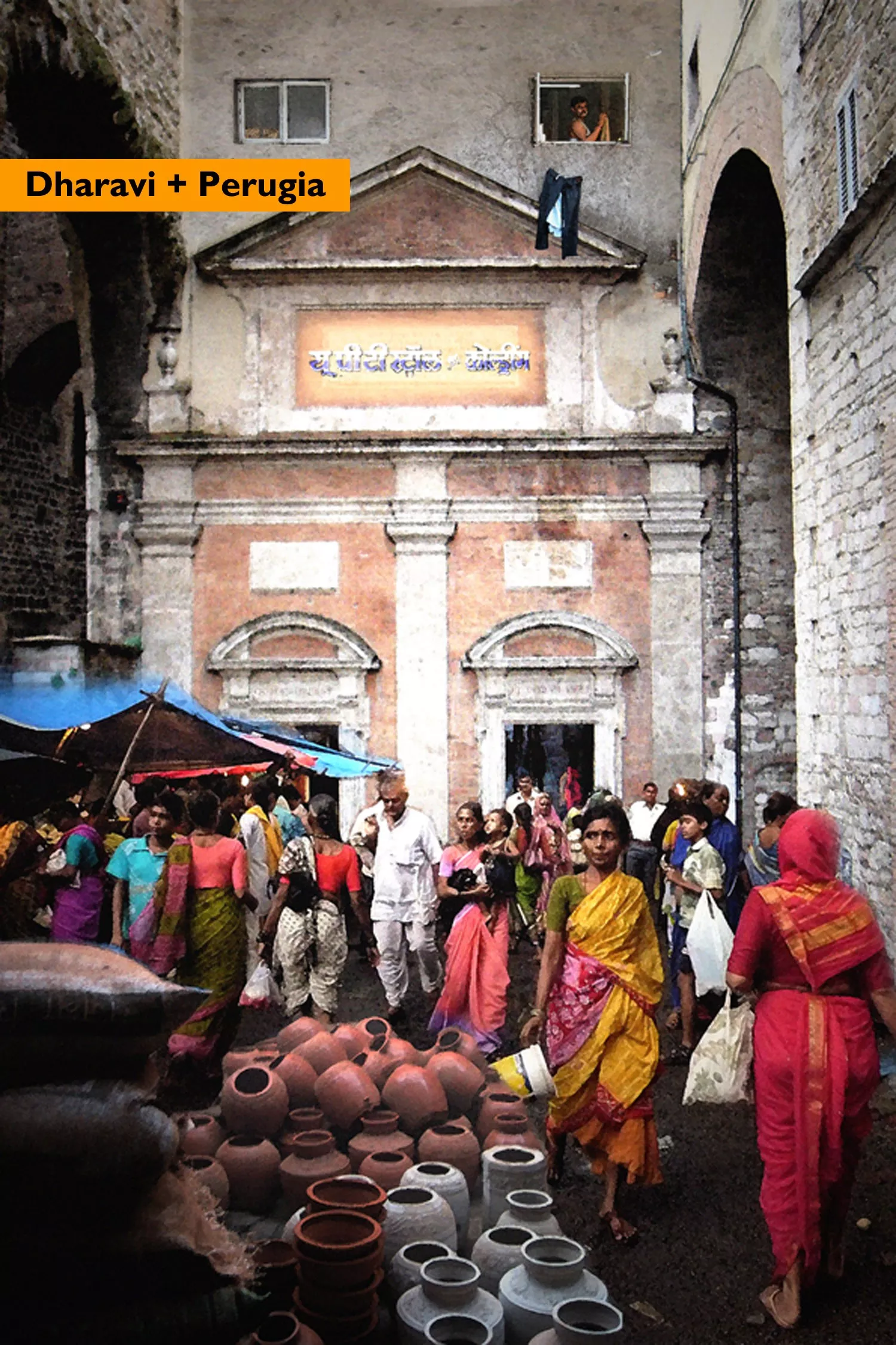
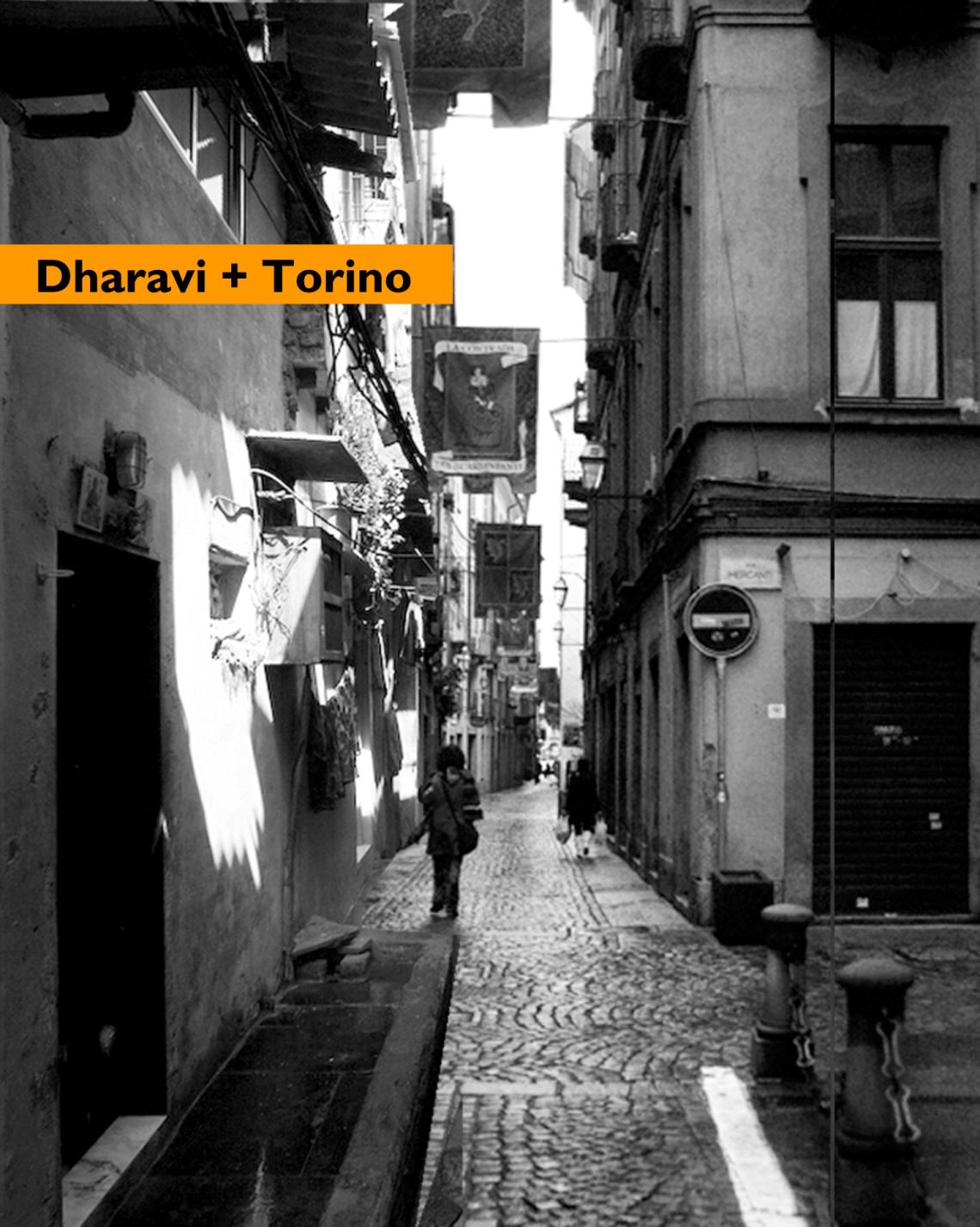
Similarities between urban villages in Mumbai and Italy.
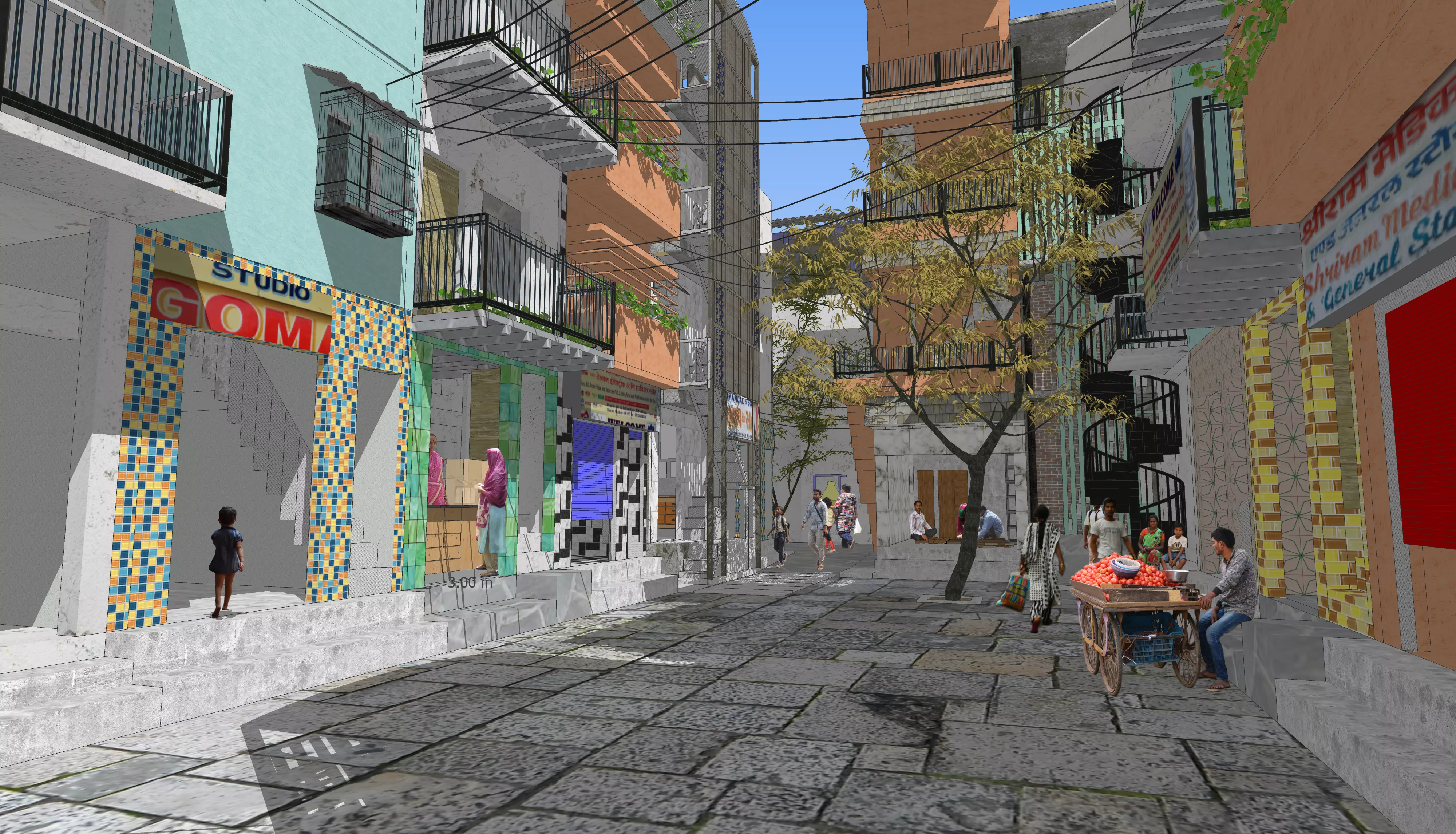
This animation presents what Dharavi could look like if it was allowed to continue develop incrementally. All designs in the video were conceived by contractors living and working in Dharavi, Mumbai, as part of the Design Comes as We Build project.

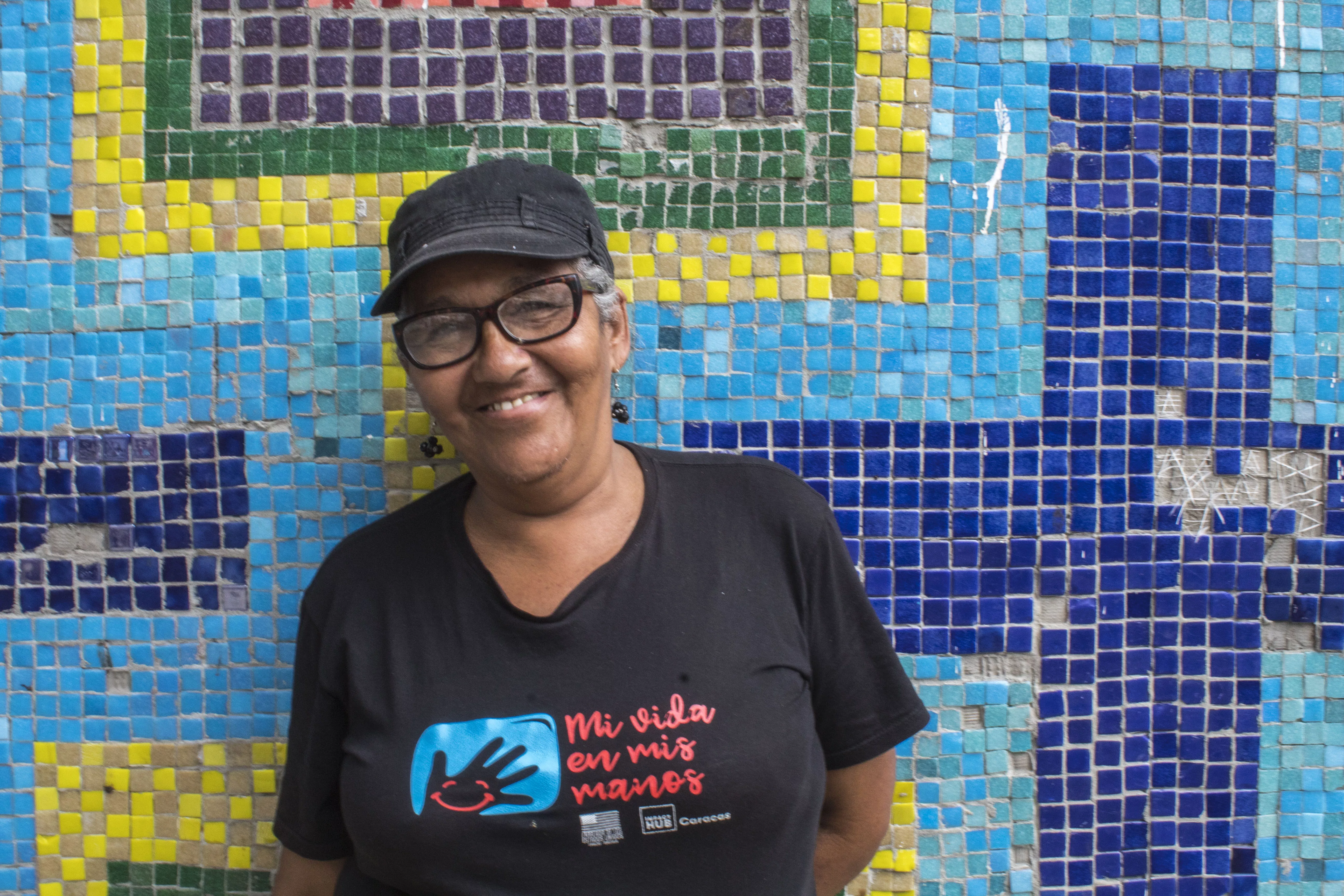
This series of articles seeks to shed light on the origin of the unplanned settlements that are home to more than half of Caracas’s population, but whose stories have never been told. Multiple inhabitants were interviewed and shared their stories of struggles, overcoming hardships, constant improvement and self governance that are the origin of unplanned settlements in Venezuela.

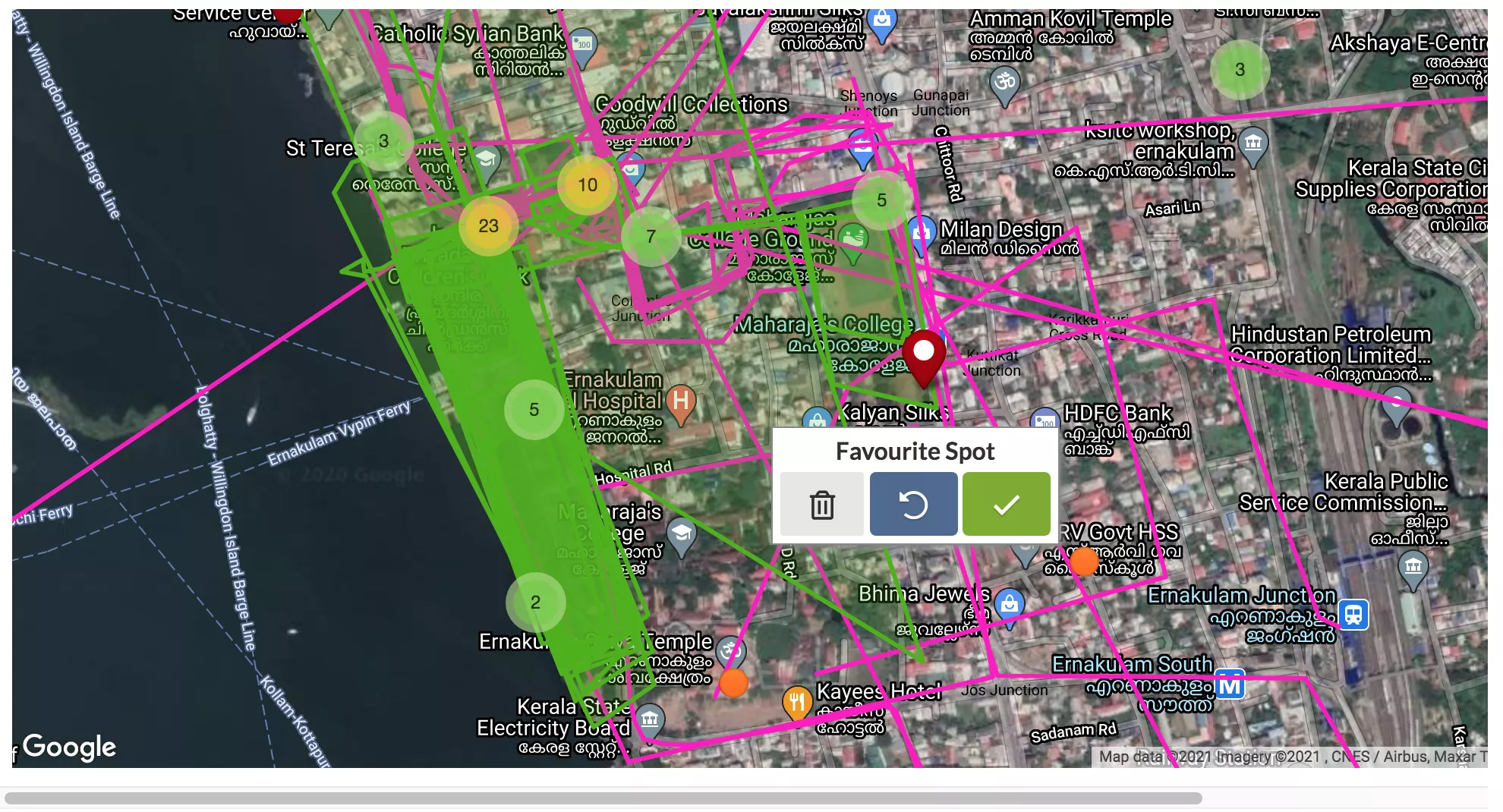
The urban design competition EnteKochi 2020 focused on integrating a participatory approach within the planning process for the city of Kochi. The competition was planned for, announced and conducted during the pandemic induced nation wide lockdown. This article provides a glimpse of the process.

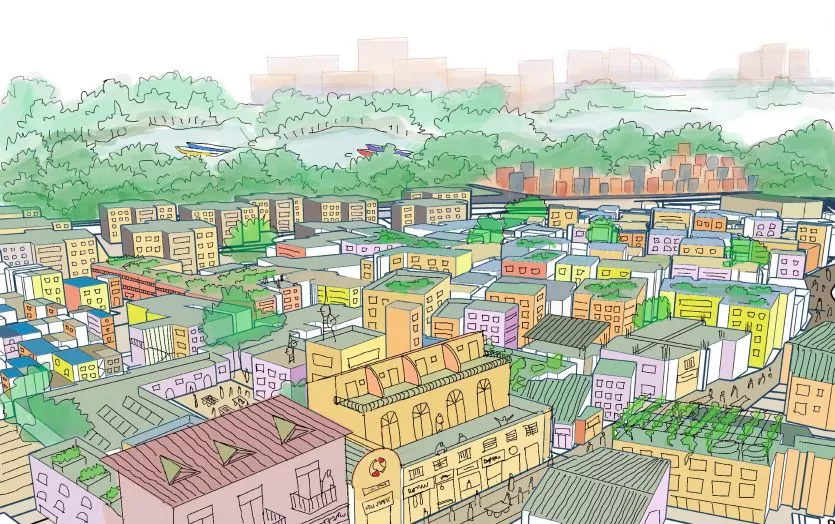
This article presents the Koliwada in Dharavi through the evolution of its built and natural environment, tracing the Koli's fight for their land, how the community is leading the development of their neighbourhood and our role in it.



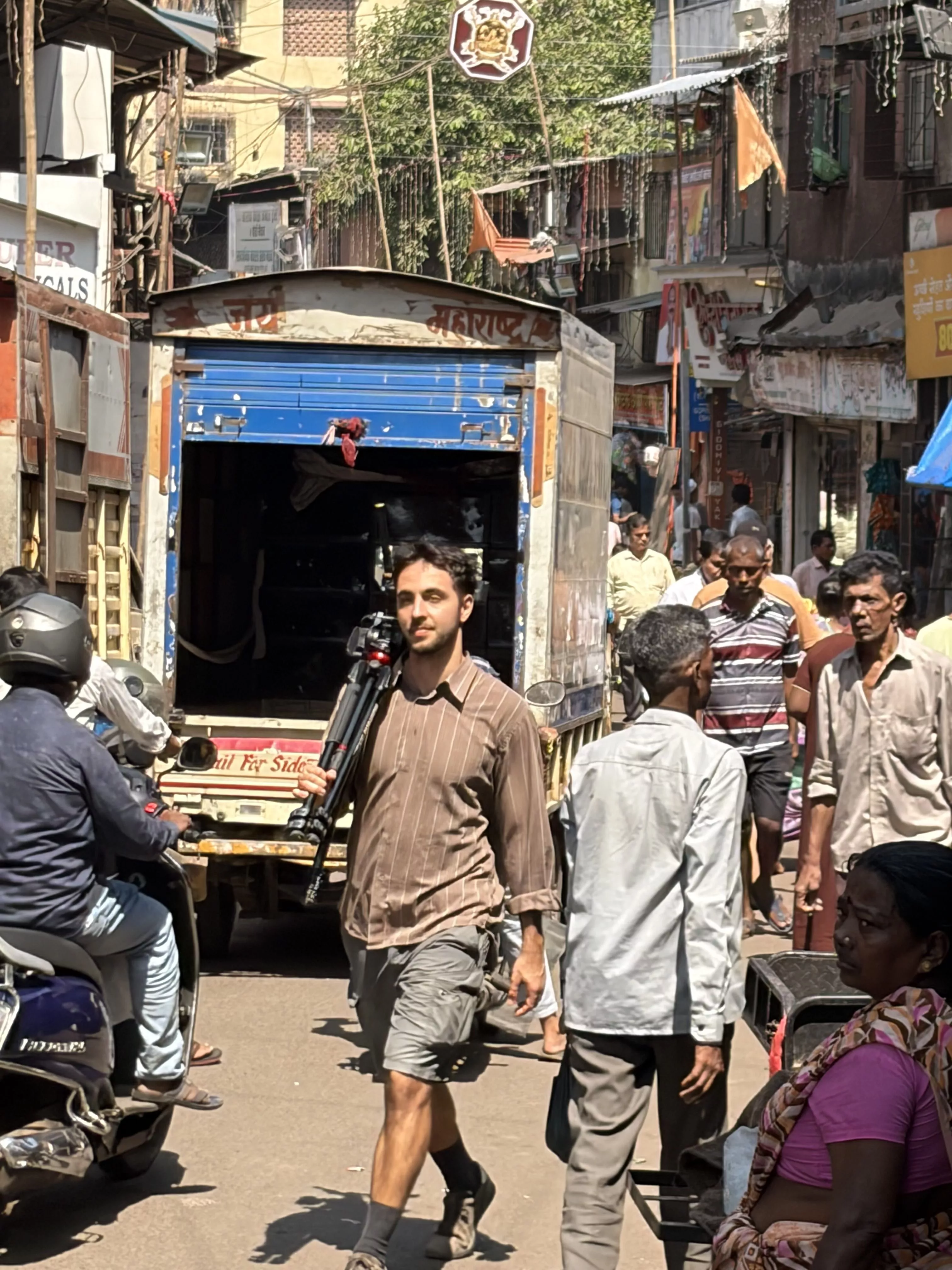
An interview with Liron Shalit, our filmmaker-in-residence. He is an award-winning documentary filmmaker focused on social issues, human rights, and ethical urbanism. Recently, the urbz office hosted a screening of his film Living Euljiro that traces the neglected losses of those living within a centuries-old district of maze-like alleys at the heart of Seoul (Synopsis). We speak to him about his craft, his lessons from Euljiro, and his time here in Dharavi.

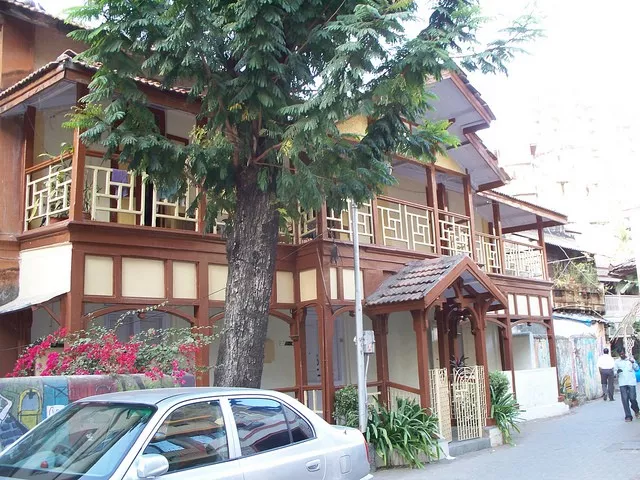
Residents keep intervening and changing their homes in the process of living, and this contributes to conservation