Dharavi Weekly 03 - The Food Issue
Authors
Authors


Dharavi Weekly 03 - The Food Issue
Authors
Authors
Related articles
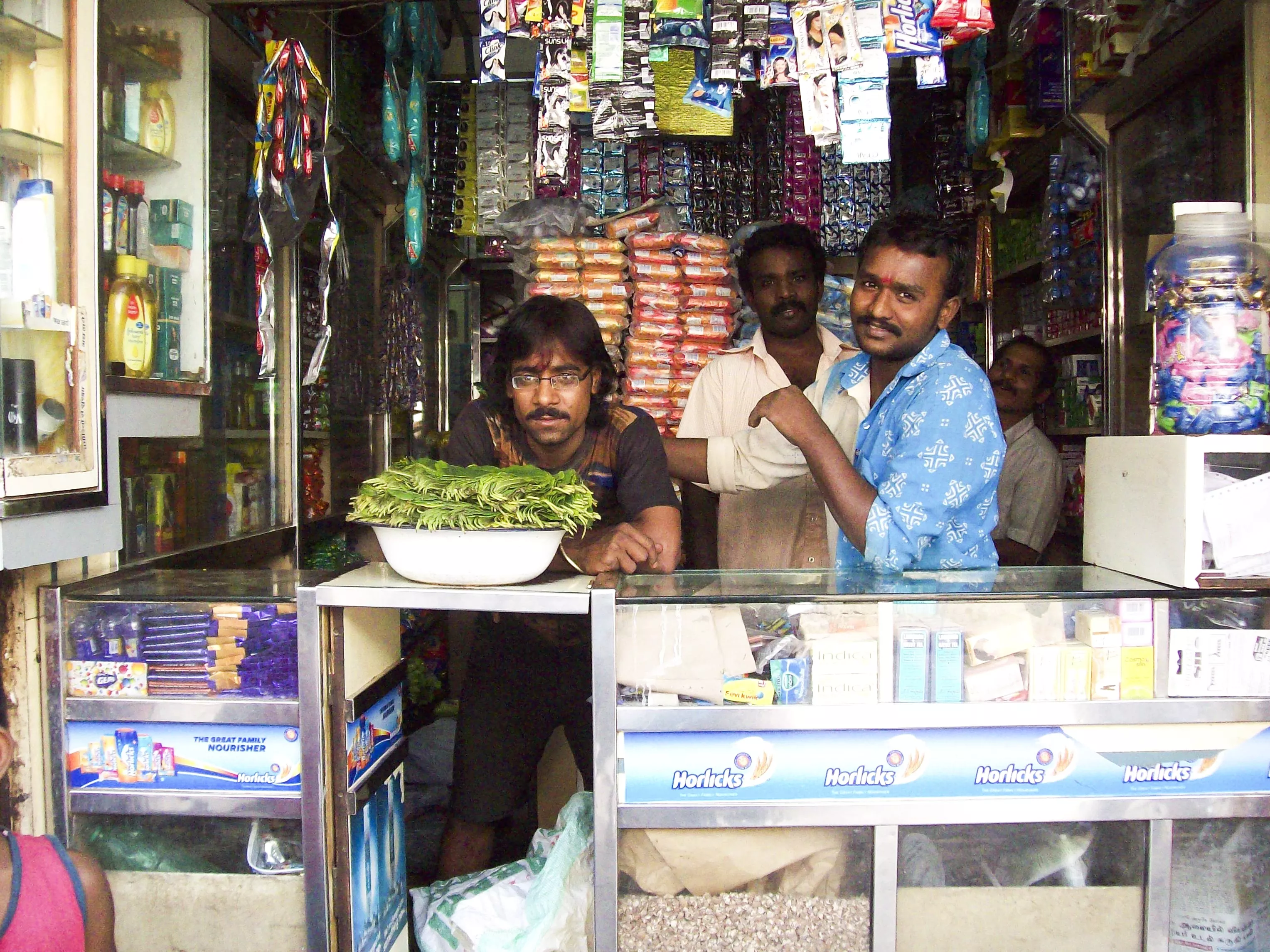
Walking on Mahatma Gandhi Road seemed like being part of a big never ending real time movie.
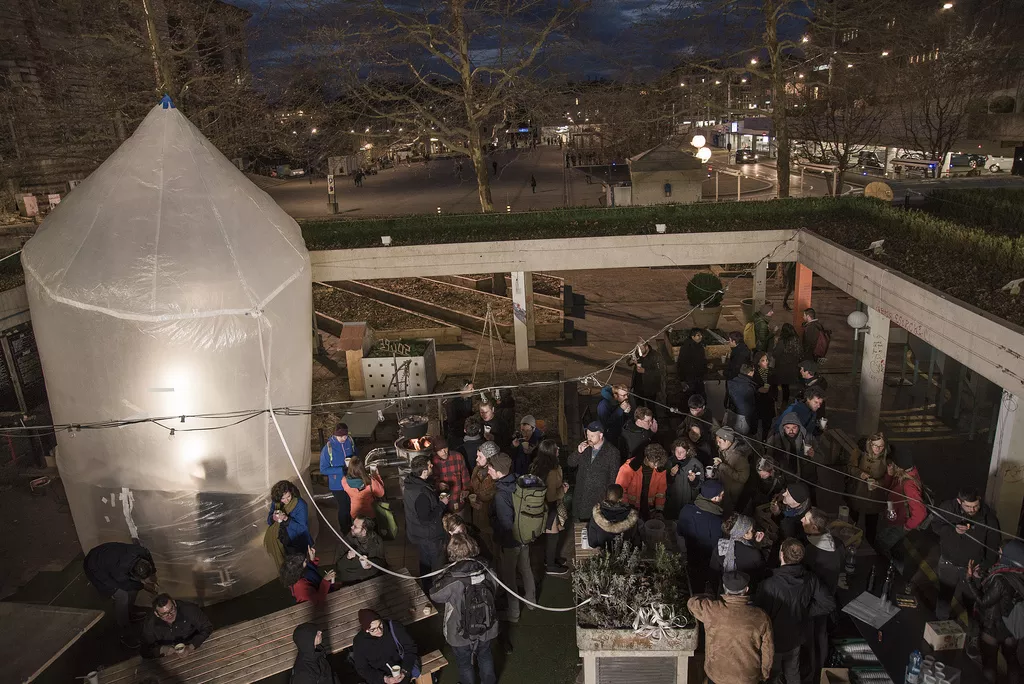
A Swiss city re-imagines public space and experiments with direct democracy in the process (The Hindu 16.03.2019)
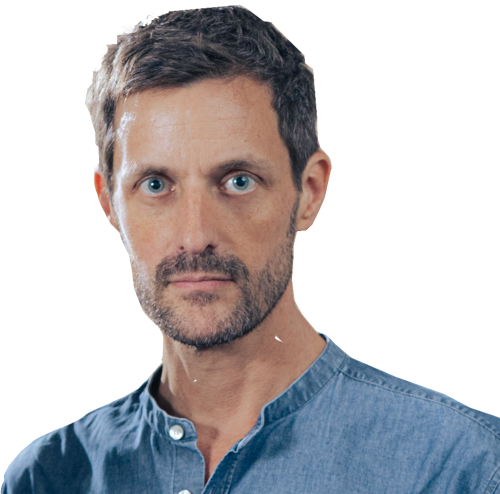

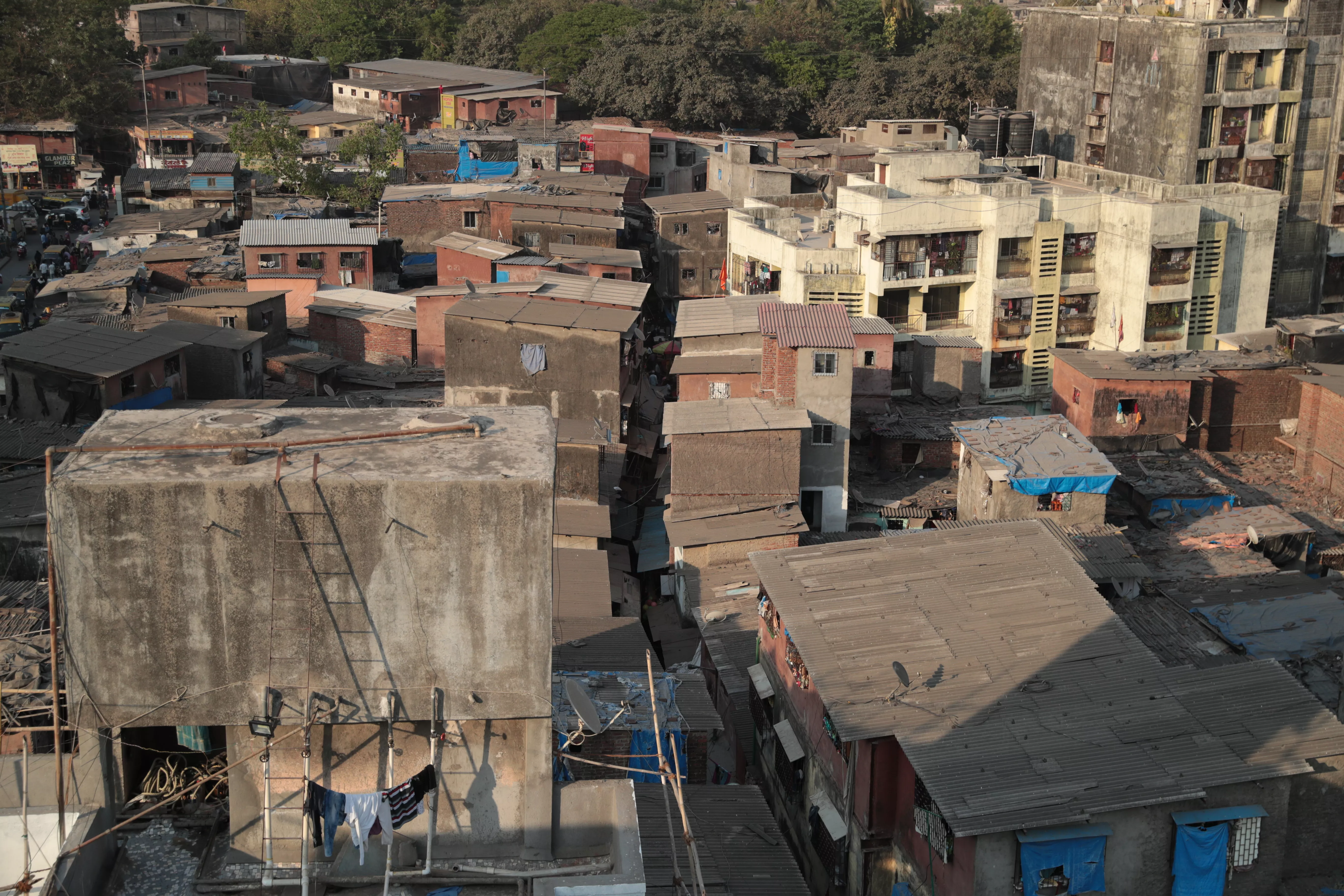
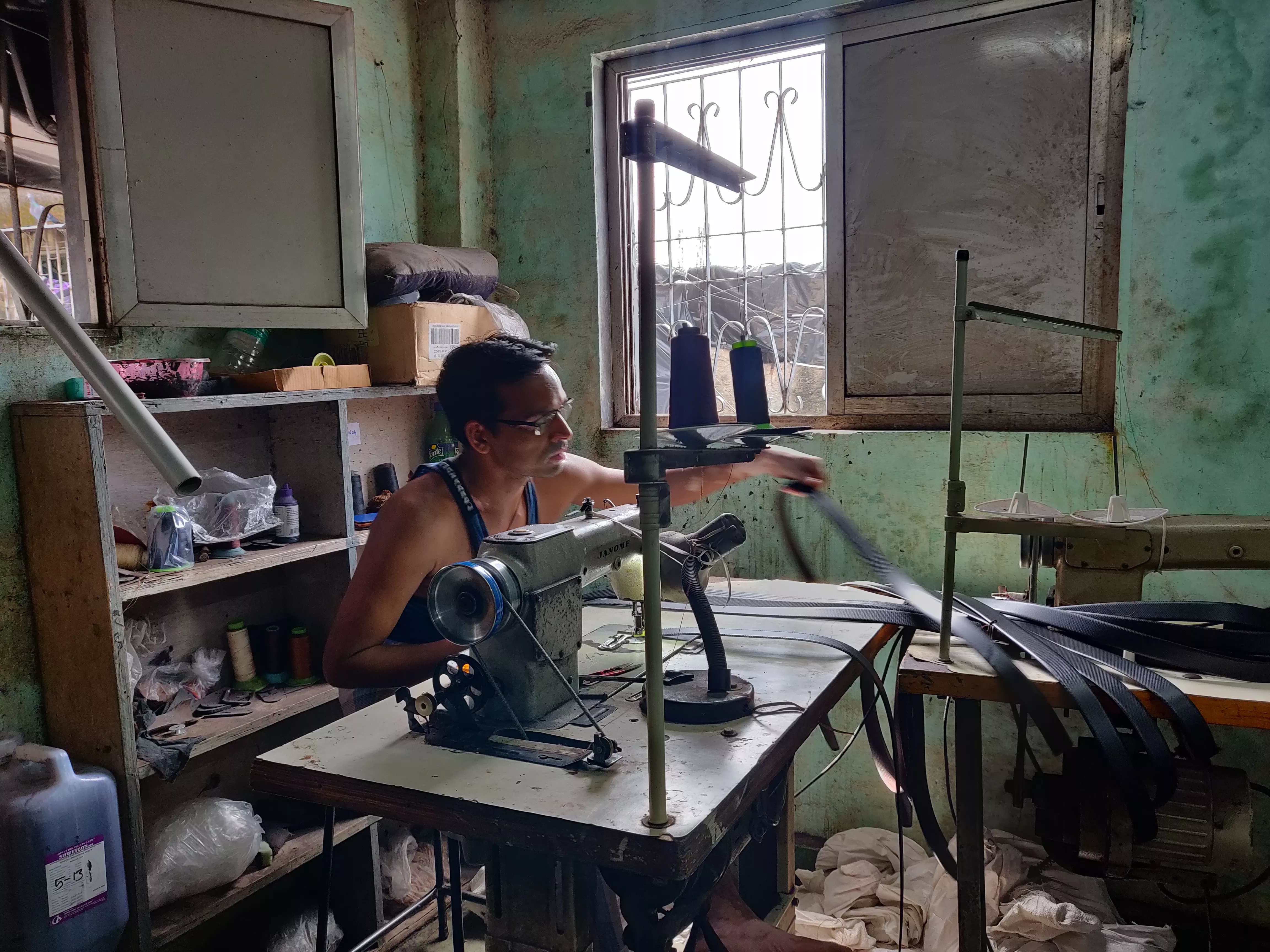
In the second part of this series, we explore two leather workshops near the 90 feet road in Dharavi, to understand where and how all processes in the creation of leather products are carried out.


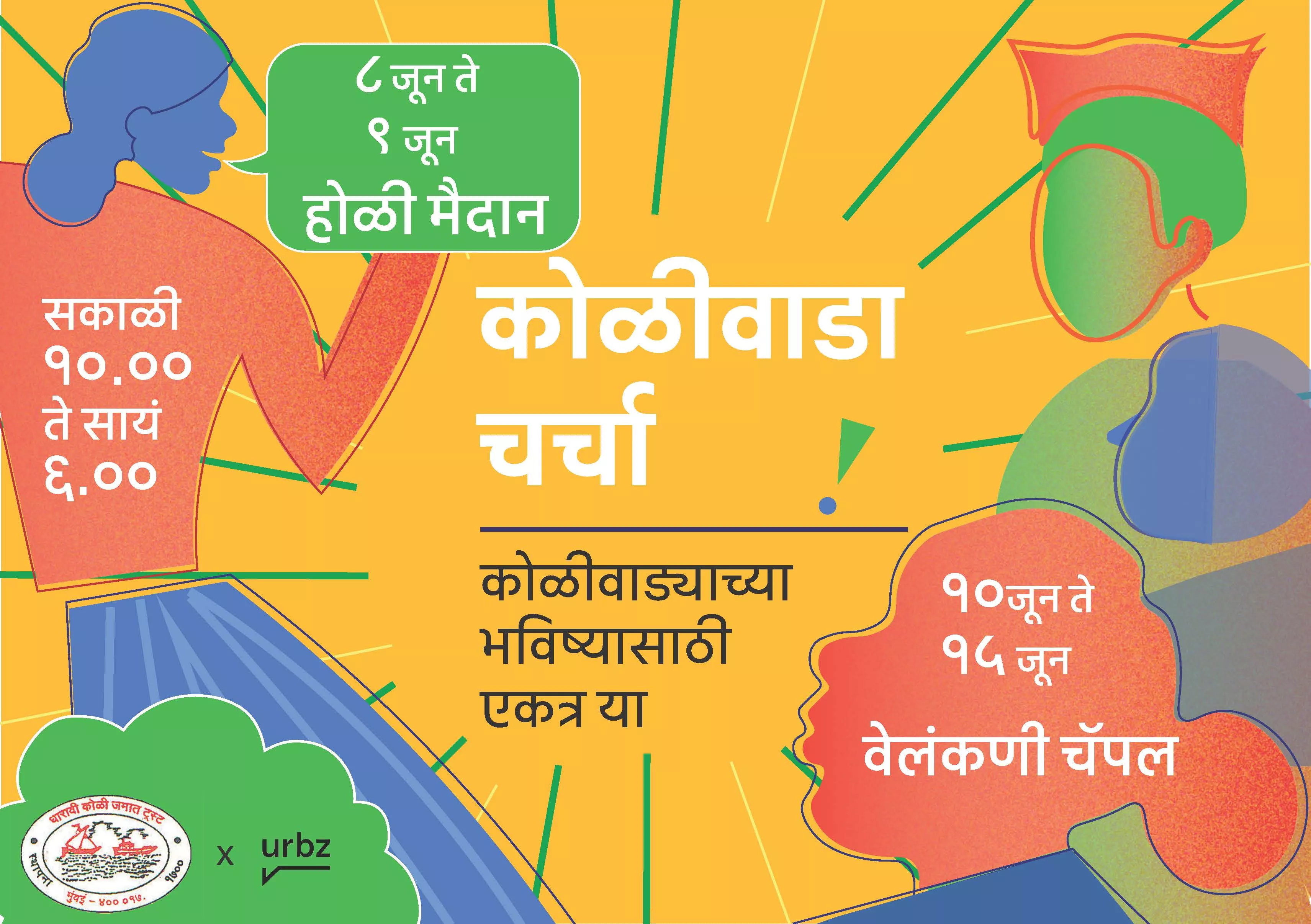
Koliwada Charcha is a week-long event with an interactive exhibition format, residents who visit will give feedback and comments about the 4 interventions planned for their neighbourhood. These interventions were identified by speaking with various stakeholder groups from Dharavi Koliwada, including the Dharavi Koli Jamat. The projects act as triggers to start thinking and strategising about an alternative development model for Koliwada, as part of the Action Based Comprehensive Development plan for Koliwada, or the ABCD.

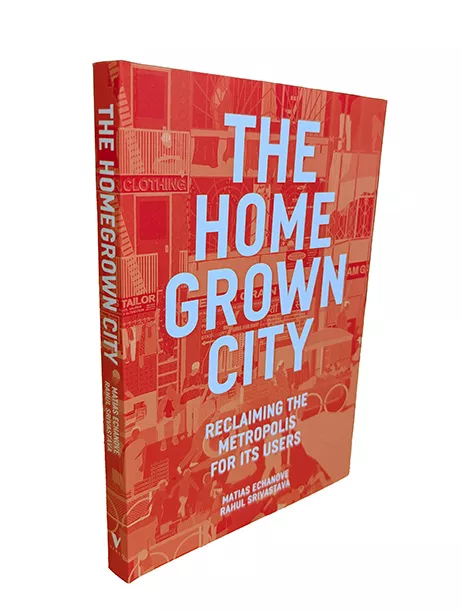
A new book by urbz co-founders, Matias Echanove and Rahul Srivastava, drawing on their learning from Mumbai, Tokyo and other cities where they have been active for over 15 years.
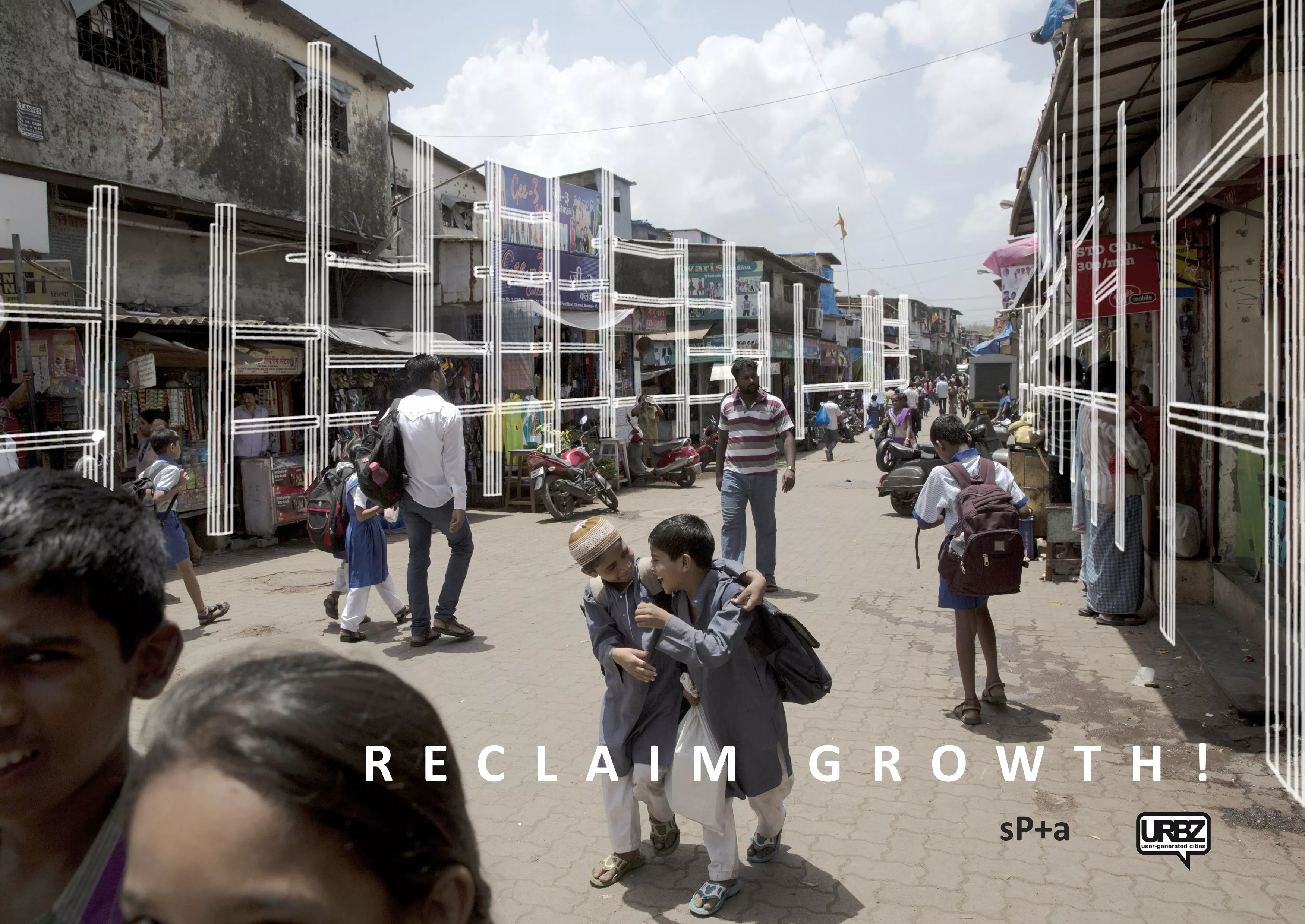
Many people involved in urban issues in Mumbai (and elsewhere) have tried their hand at making the definitive proposal for Dharavi. Read more about ours in collaboration with sP+a
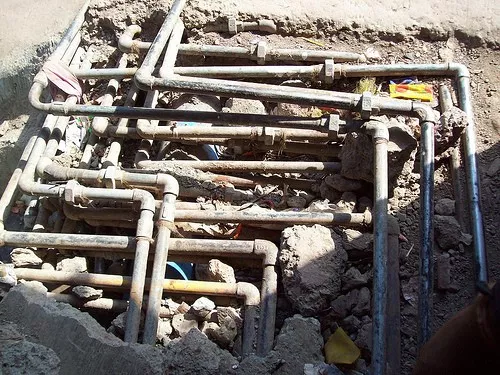
Daily early morning BMC, the local civic body of Mumbai will release water for mere 2 hours, and Dharavi witness the chaos caused by it at the main community water supply connection.


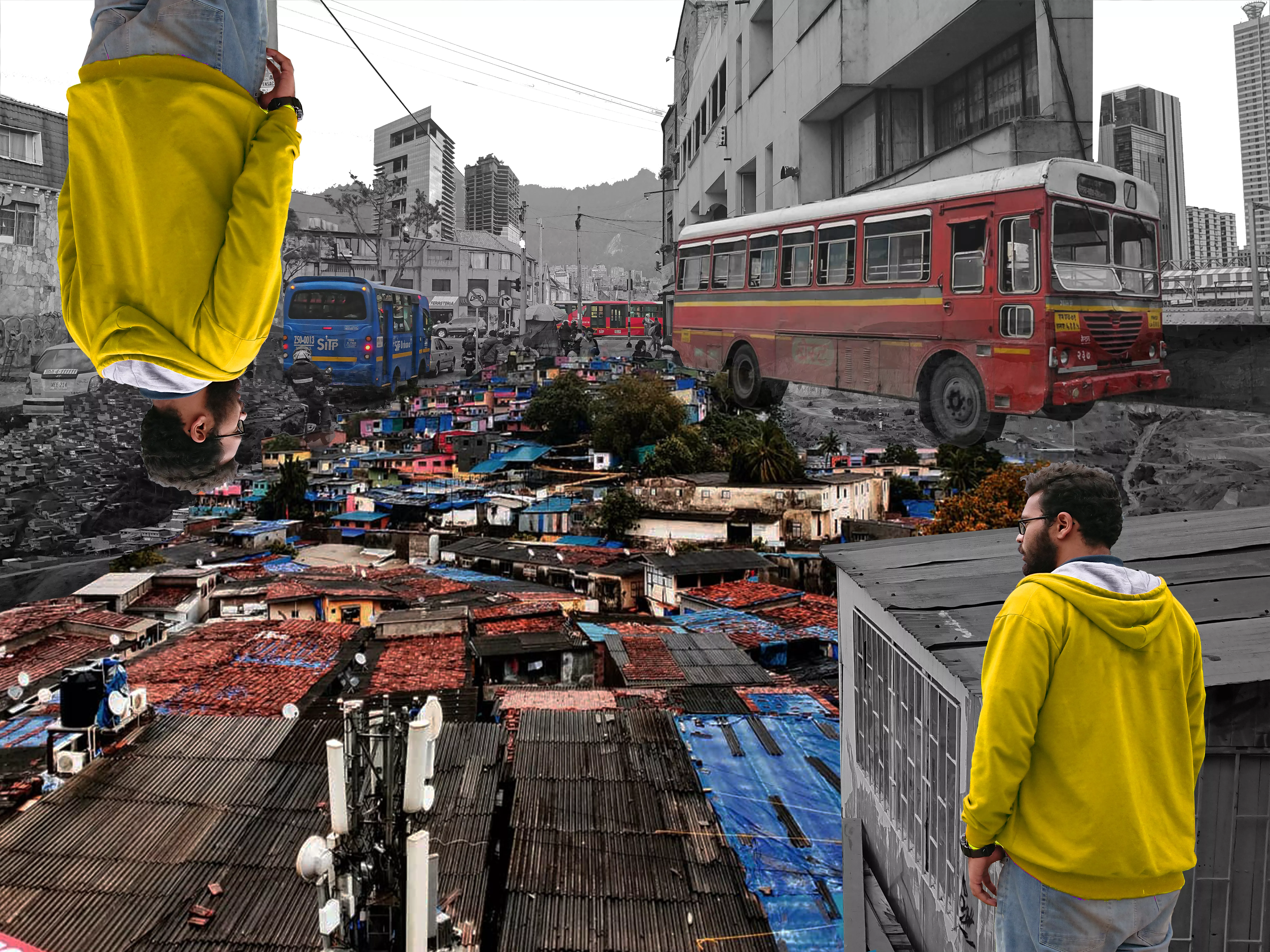
"I was fortunate enough to be a part of the urbz network through my internship with them in Mumbai. I then travelled to Bogotá, Colombia as part of their network. Having lived in Mumbai, combined with my experience of life in Bogotá, naturally led me to compare the two cities; their multiple similarities and not so many differences".