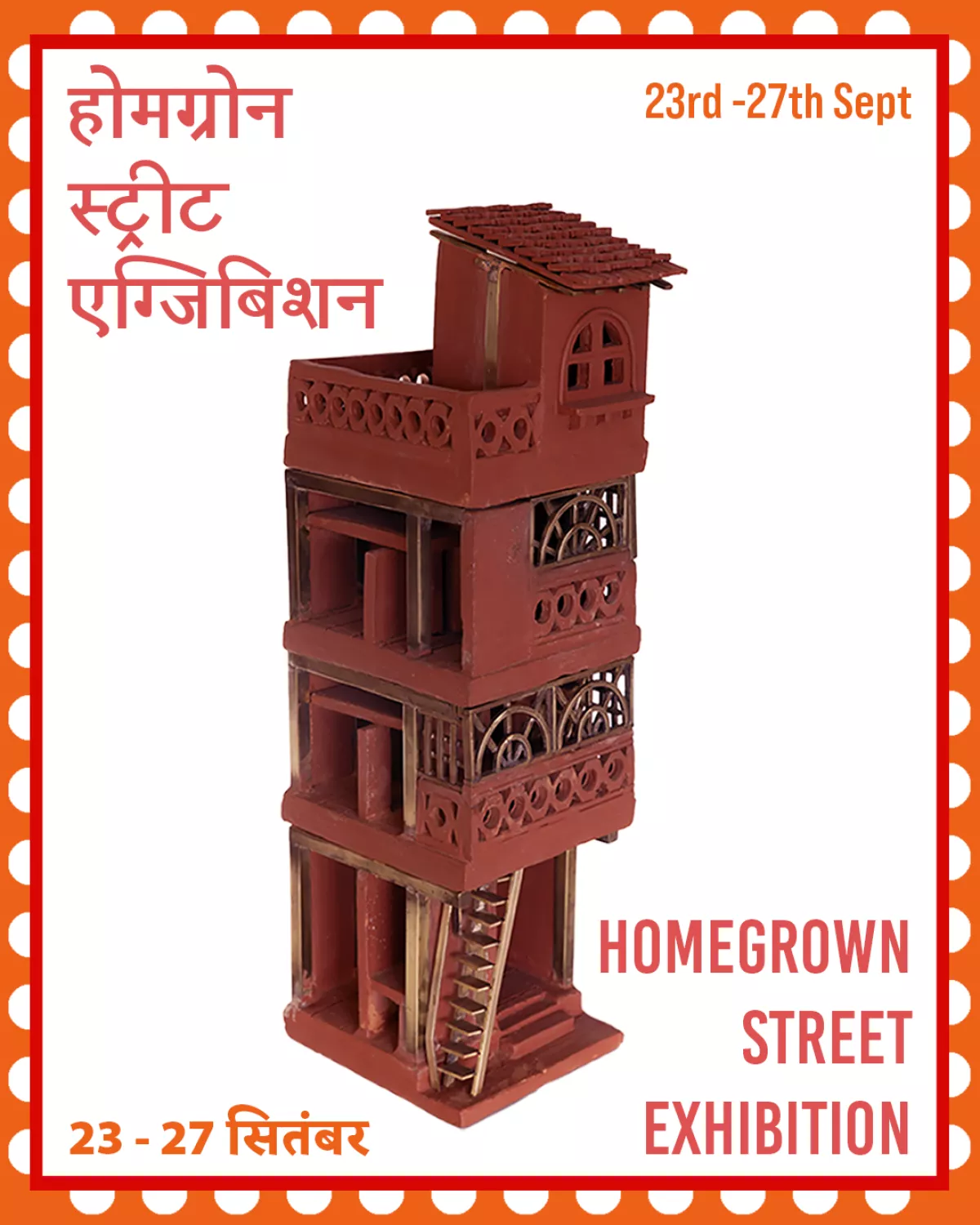

This article explores the subjectivities of Dharavi’s residents within the framework of the Dharavi Redevelopment Project (DRP), highlighting how marginalized communities navigate the social and spatial changes imposed by neoliberal urban projects. Through interviews with 20 residents, it examines the DRP’s promises of modernization, which often result in exclusion and displacement. While residents support redevelopment, they stress the need for in situ relocation and preserving community cohesion.

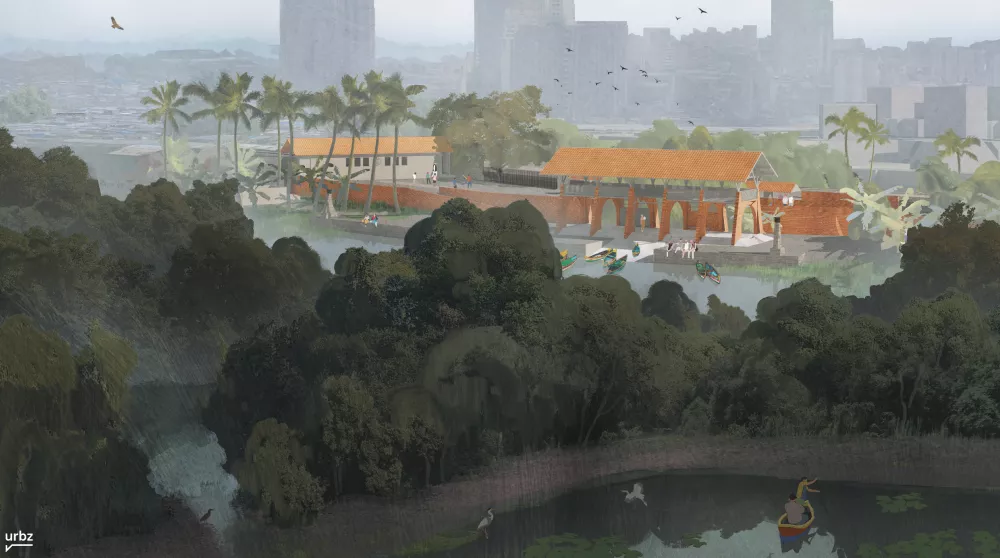
‘The Garden of Festivities’ is a project that attempts to unite livelihood concerns with an ecological imagination that grows from the Kolis collective, ancestral knowledge and expertise. The project's first step is a participatory landscape intervention on the last remaining commons within a habitat they are struggling to preserve.

Pramod Vishwakarma, a carpenter working with the urbz team, talks to us about his connection to the dual places or worlds he belongs to and his indecisiveness over what 'home' truly means to him.
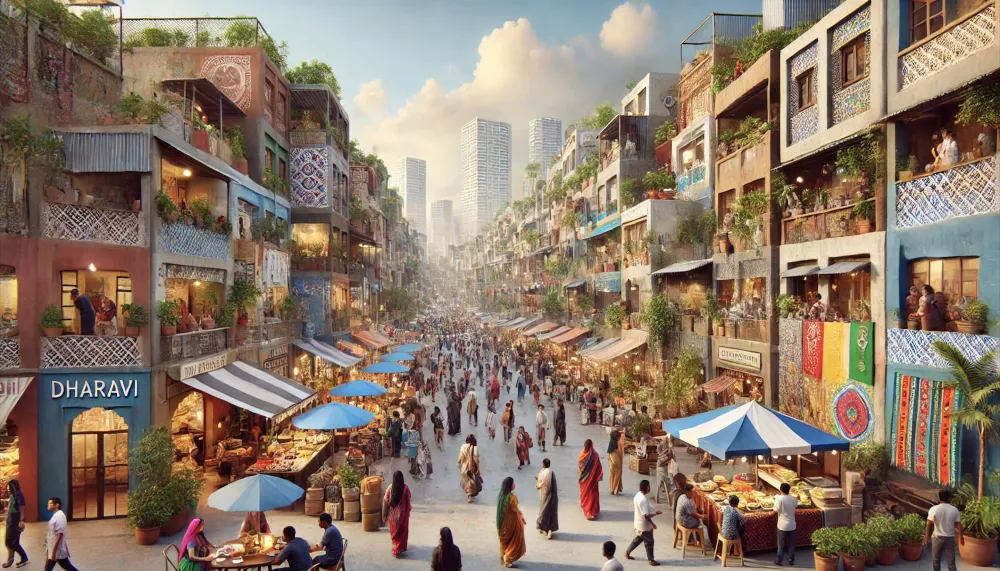
Dharavi’s massive redevelopment project aims to turn it into a ‘world-class’ neighborhood, but this vision risks erasing its unique identity and thriving homegrown economy. Instead of replacing it with glass towers and luxury spaces, Dharavi could be a model for a ‘world-grown city’—one that values its community-driven development while staying connected to the global economy.
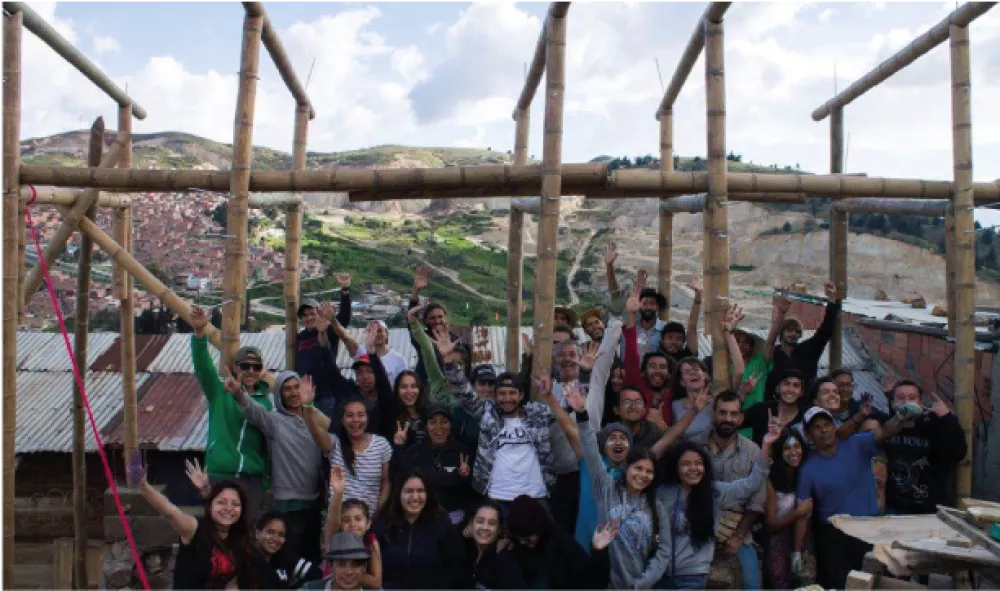


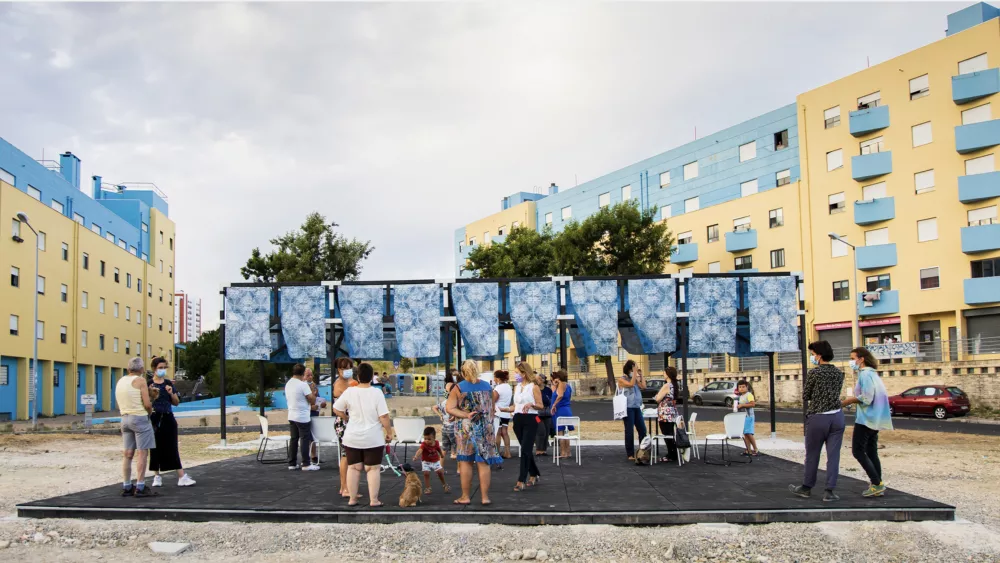
In Portugal, Architects are revolutionising participatory urban planning by actively immersing themselves in a collaborative efforts with local municipalities. Through our interaction with Mariana Licenciada, we try to understand the negotiation process, the limitations within existing frameworks and how Res Do Chao has embedded co-Design as a tool in their participatory approach.

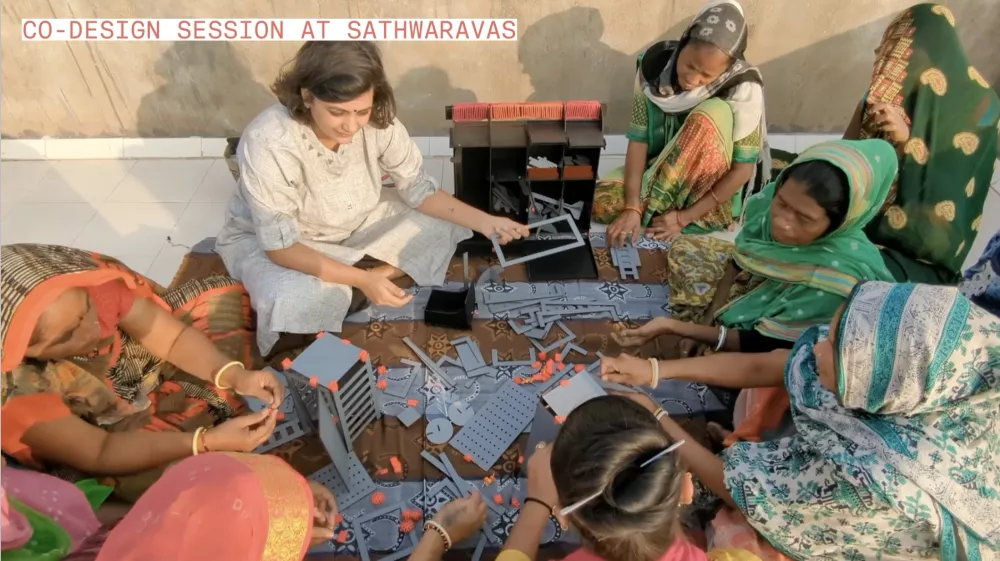
Policies can be supportive or prohibitive, depending on who they serve. A public policy student tries to understand how marginalised communities navigate urban realities from the lens of the architects and urban planners who work with them.
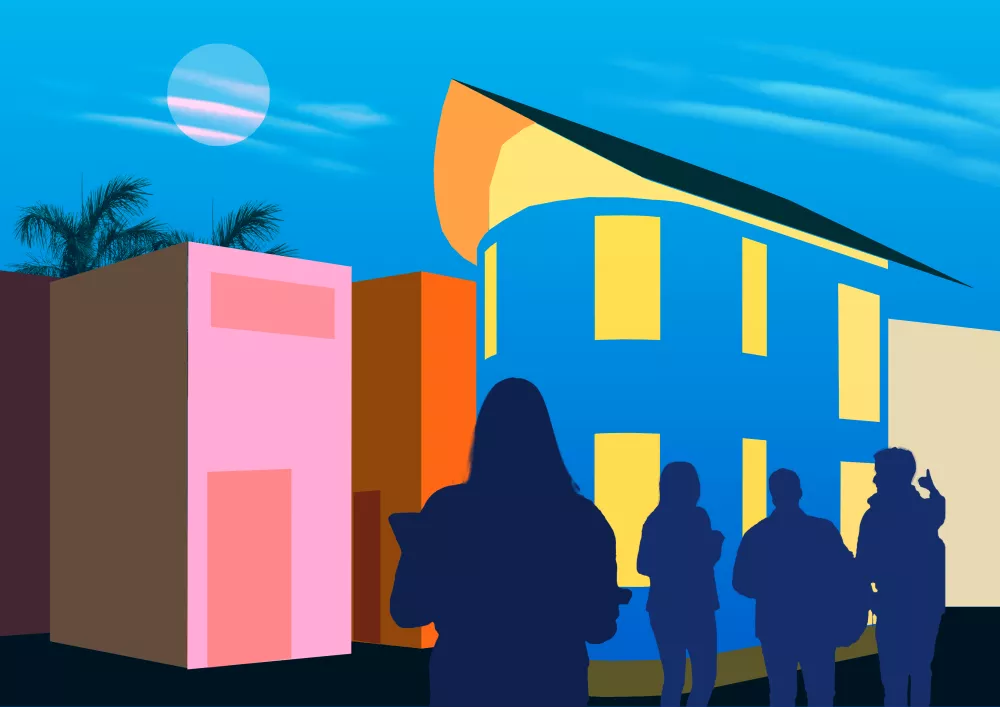
As part of the ABCD project, we have been busy transforming a historical site in Dharavi Koliwada into a study space. We recount its history and revival.
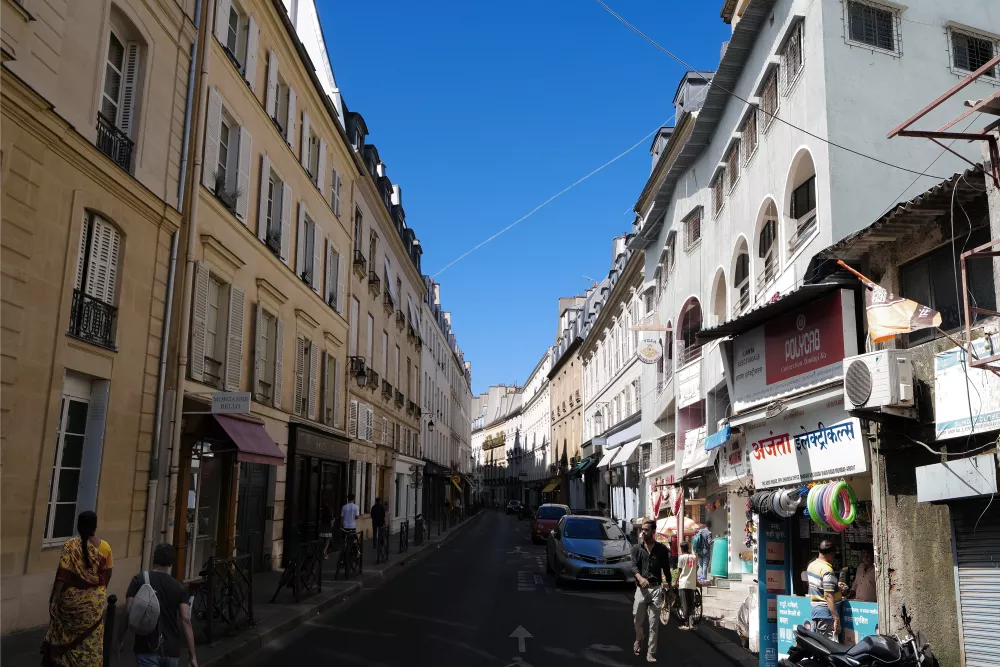
Fictional imaginaries help us move towards an important starting point in urban practice - 'recognition'. A way of seeing that transforms our understanding of urban spaces.

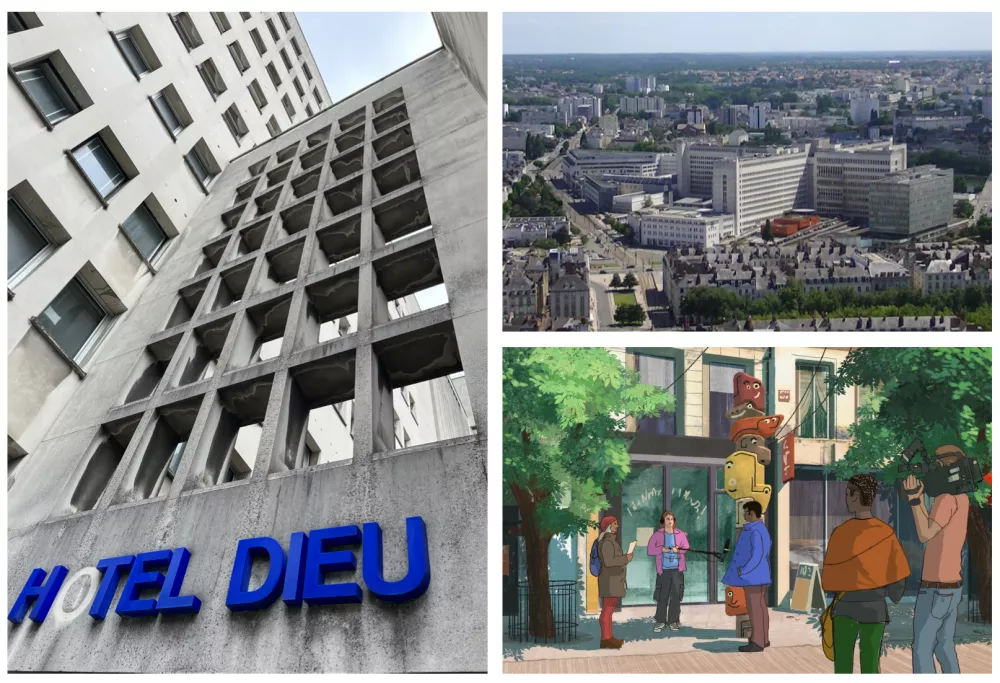
The Hôtel-Dieu in Nantes: a fictional process to a citizen-inspired approach