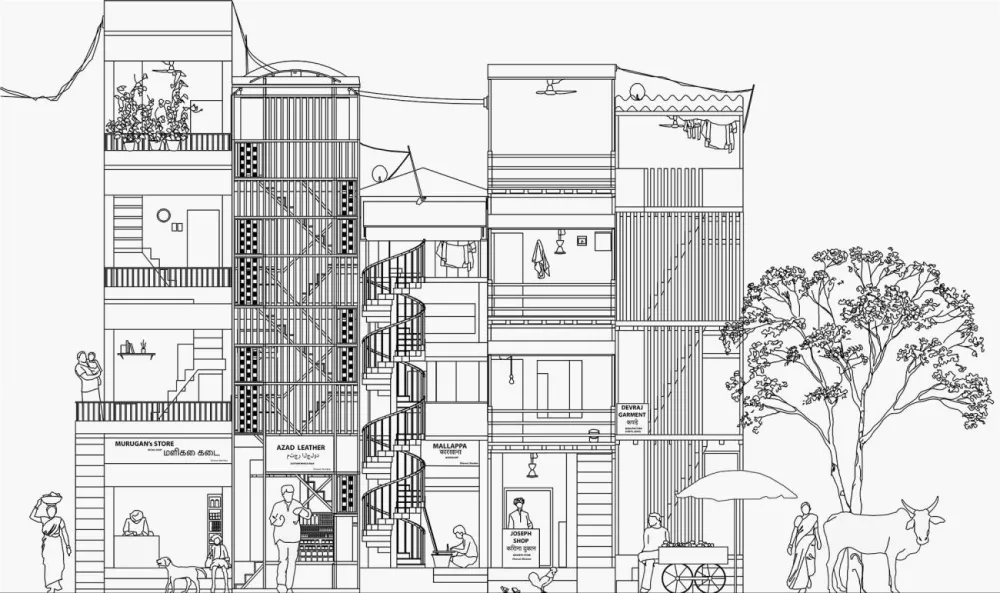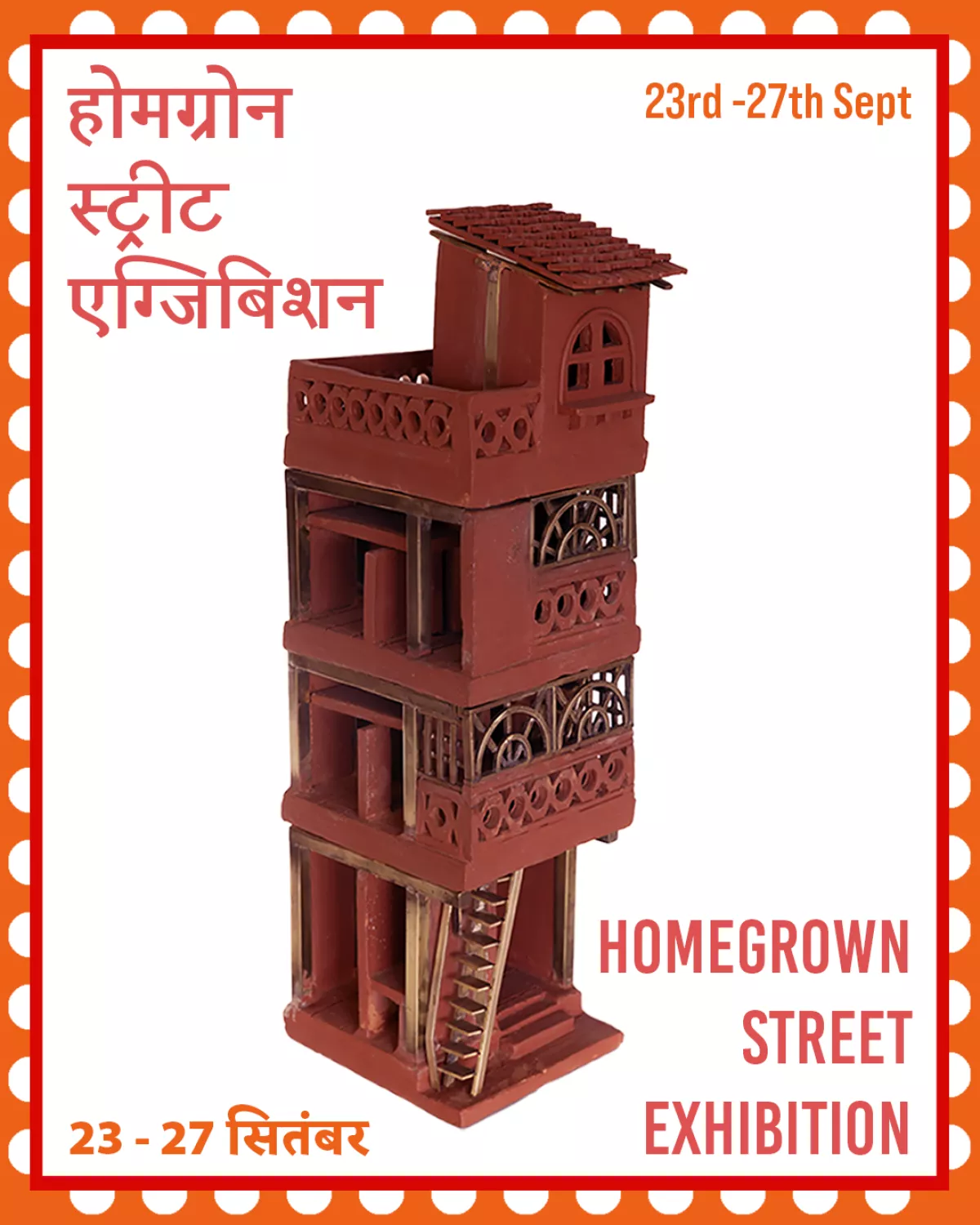
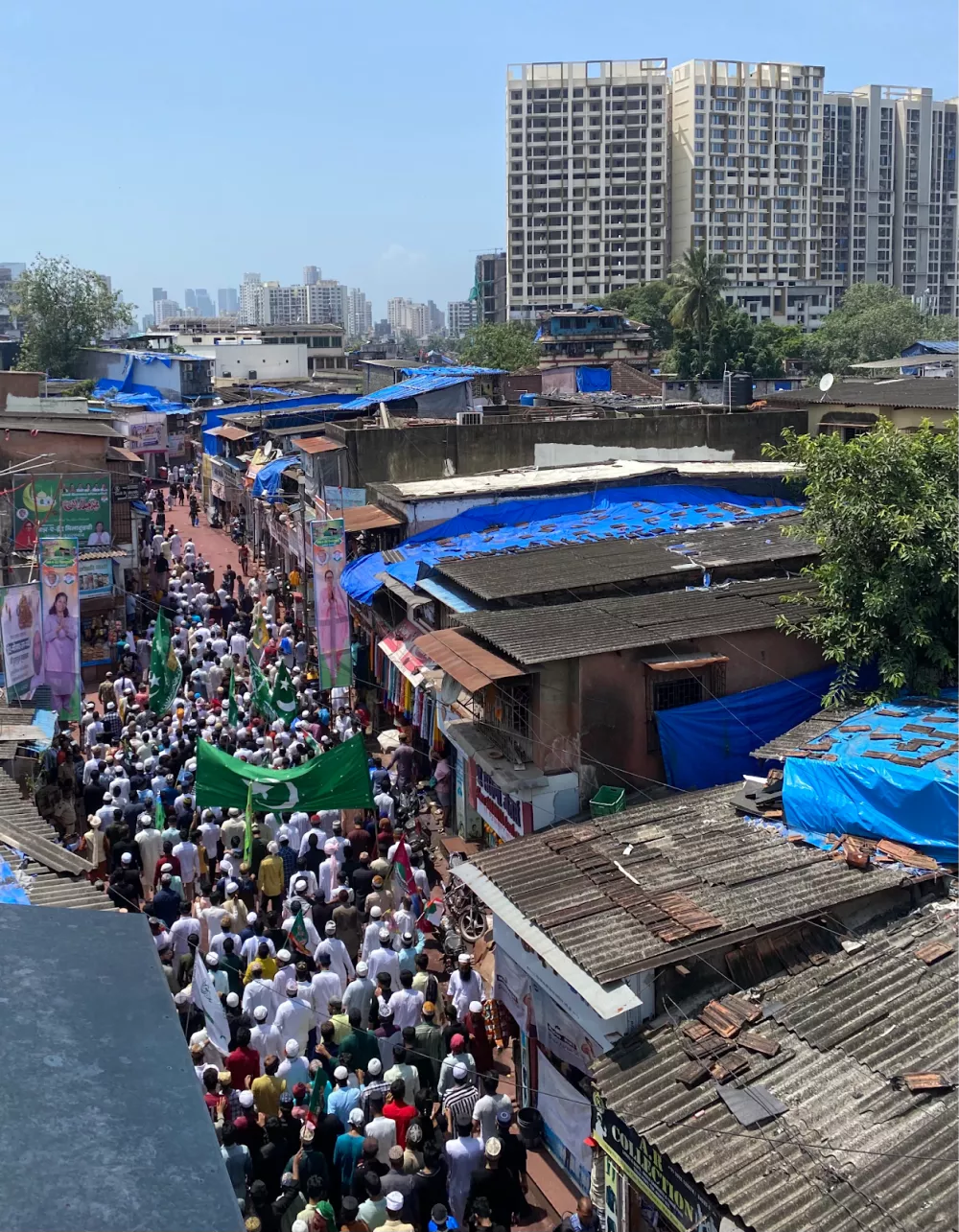
Streets, typically seen as the arteries of daily hustle, transform into a public stage during ceremonial processions where tradition and resistance are celebrated in unison. For communities of Dharavi, these processions denote a larger familial solidarity highlighting the struggles of urban life against the erasure of culture during calls for redevelopment. A declaration of presence that co-opts the neighbourhood, these processions also signify moments of resistance towards urbanisation-induced alienation in urban spaces.

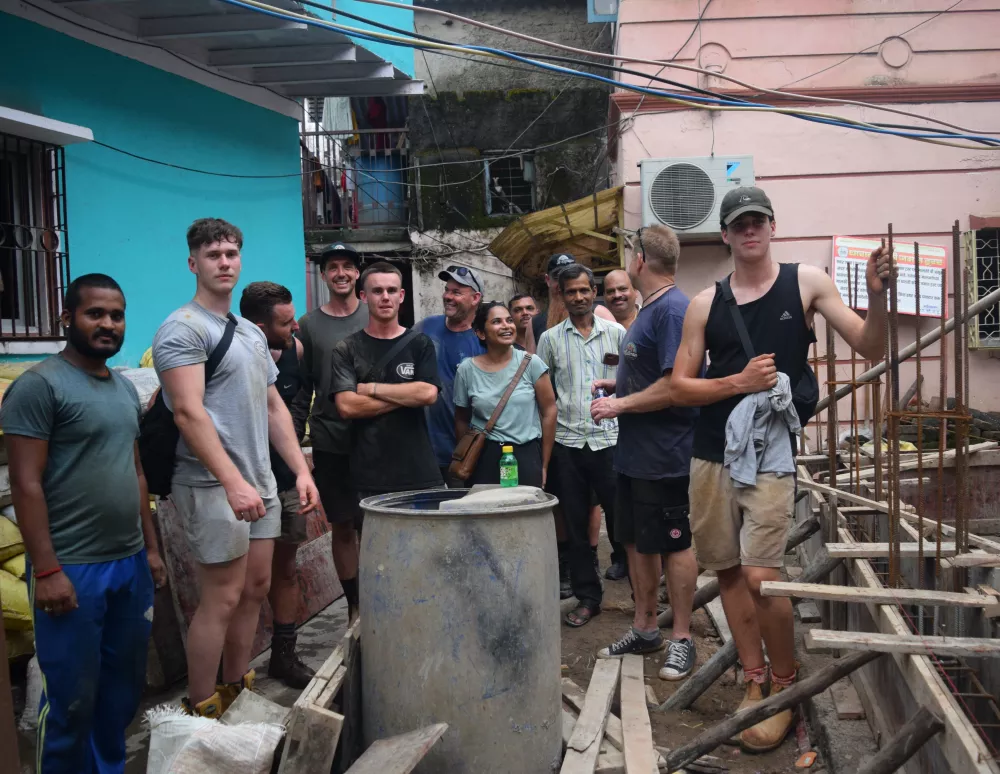
Dharavi Koliwada was abuzz with news of the 8 Australians helping to build the Customs House study space for students. From ferrying huge blocks of basalt stone to putting together a teak wood chair, the team from Sullivan Carpentry did it all.
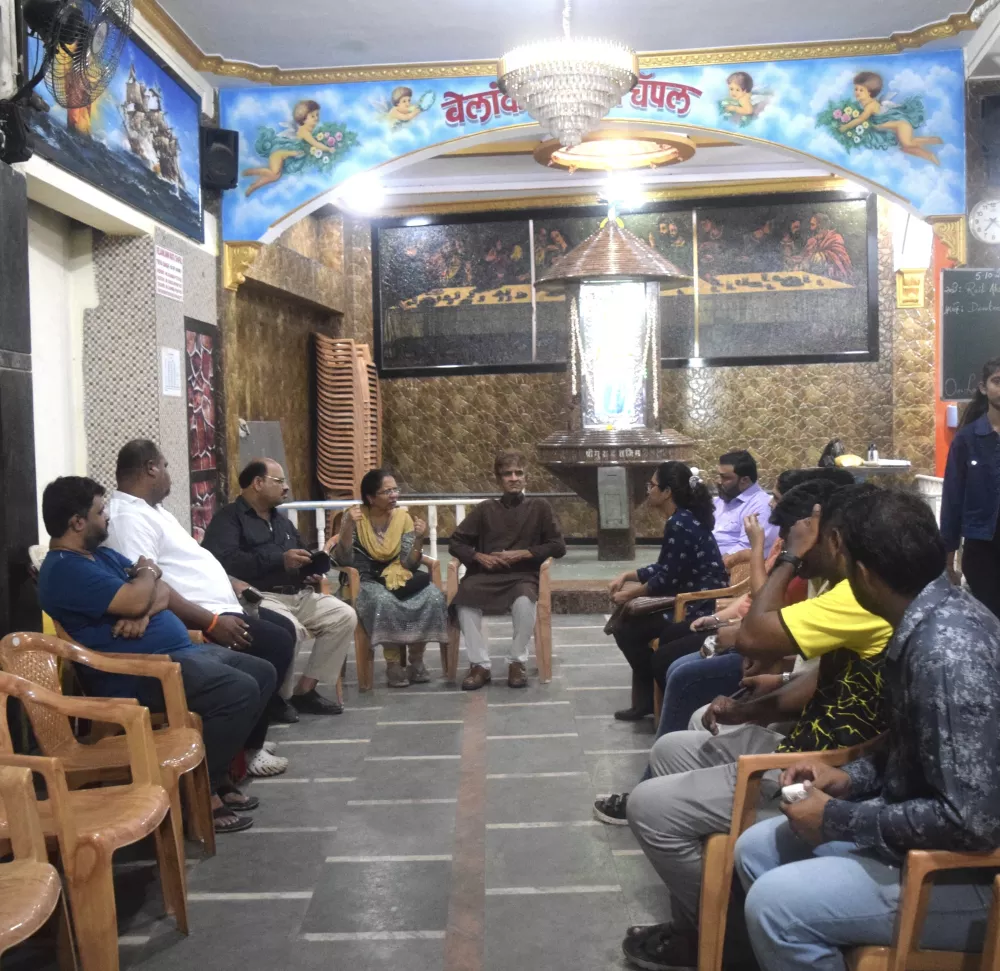
The Dharavi Koli Jamaat Trust has been entrusted the responsibility to address socio-economic and spatial challenges in Dharavi for the Koliwada community. The Dharavi Koli Jamaat Trust is a functional example of urban local bodies promoting grass-root level governance with a community centric approach.
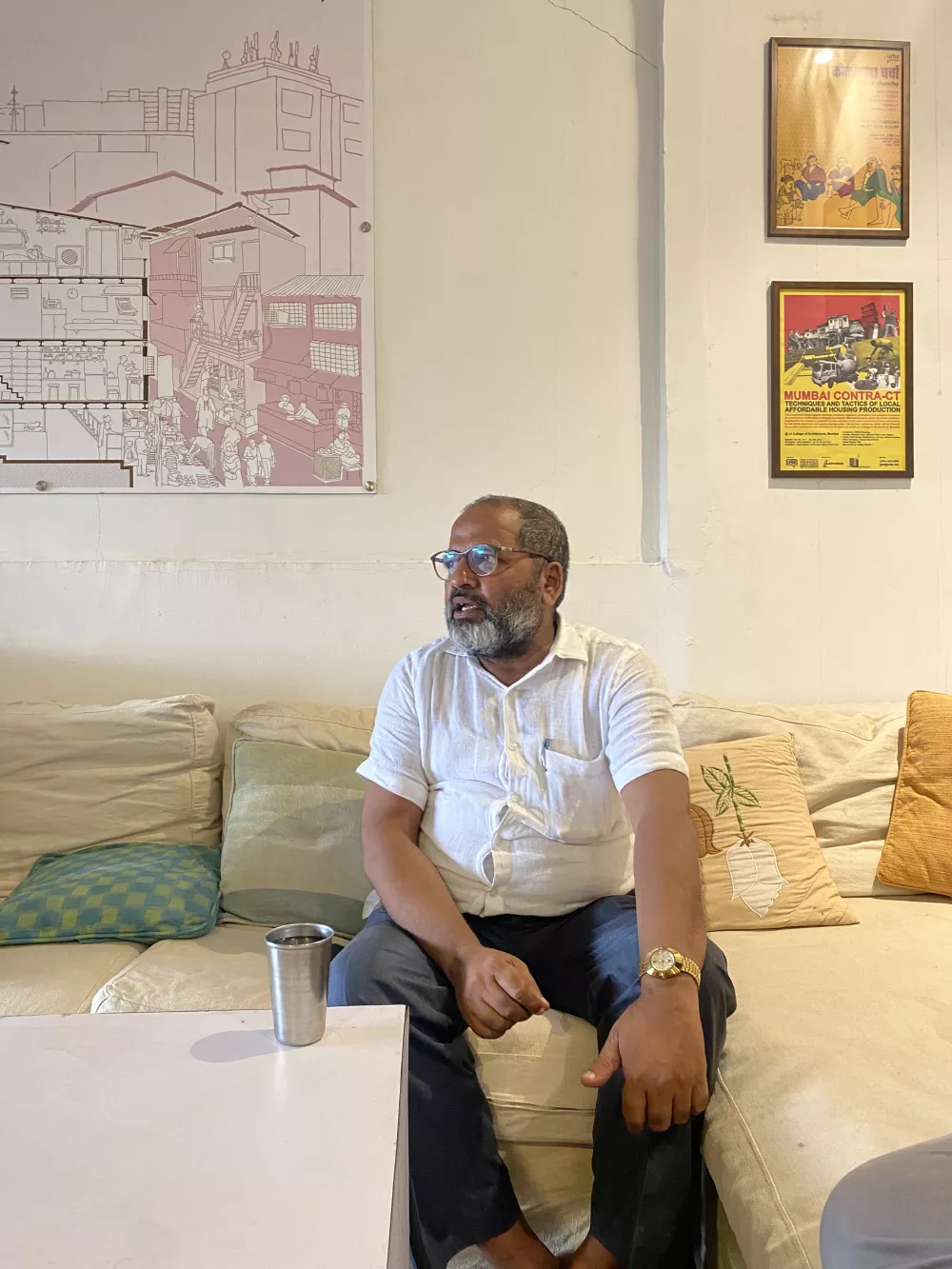
Tahir Bhai takes us through his journey of self-exploration, bitter-sweet memories of his Kismat (fate) and being a spect-actor in Dharavi’s emergence as a socio-economic powerhouse.
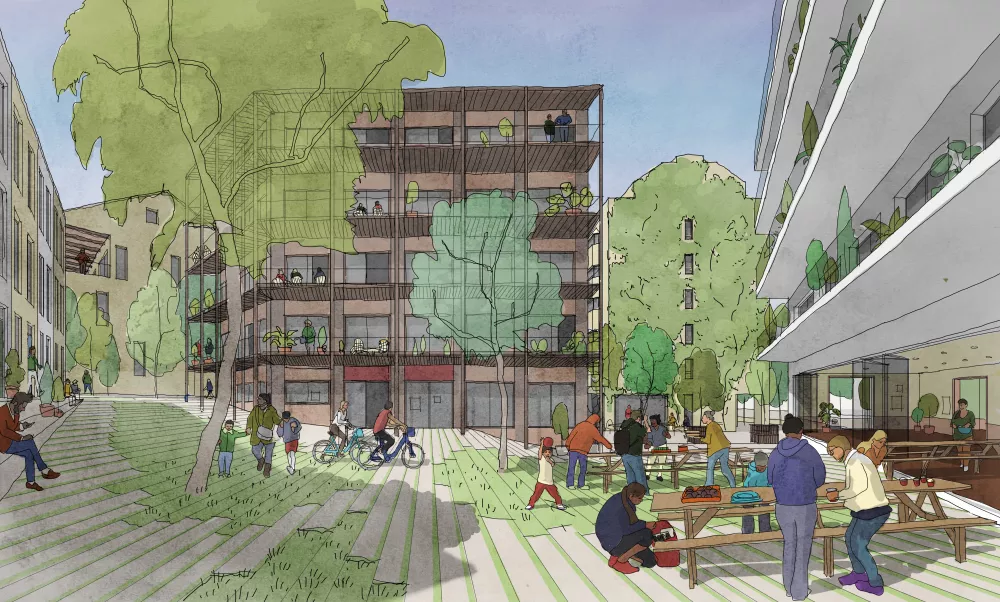
We must recognize our collective strength and resources: every locality has human capital (skills), existing constructions (assets) and a rich natural ecosystem. This article is based on a keynote presentation at PlaceMaking Switzerland on the impact of participation on urban form.
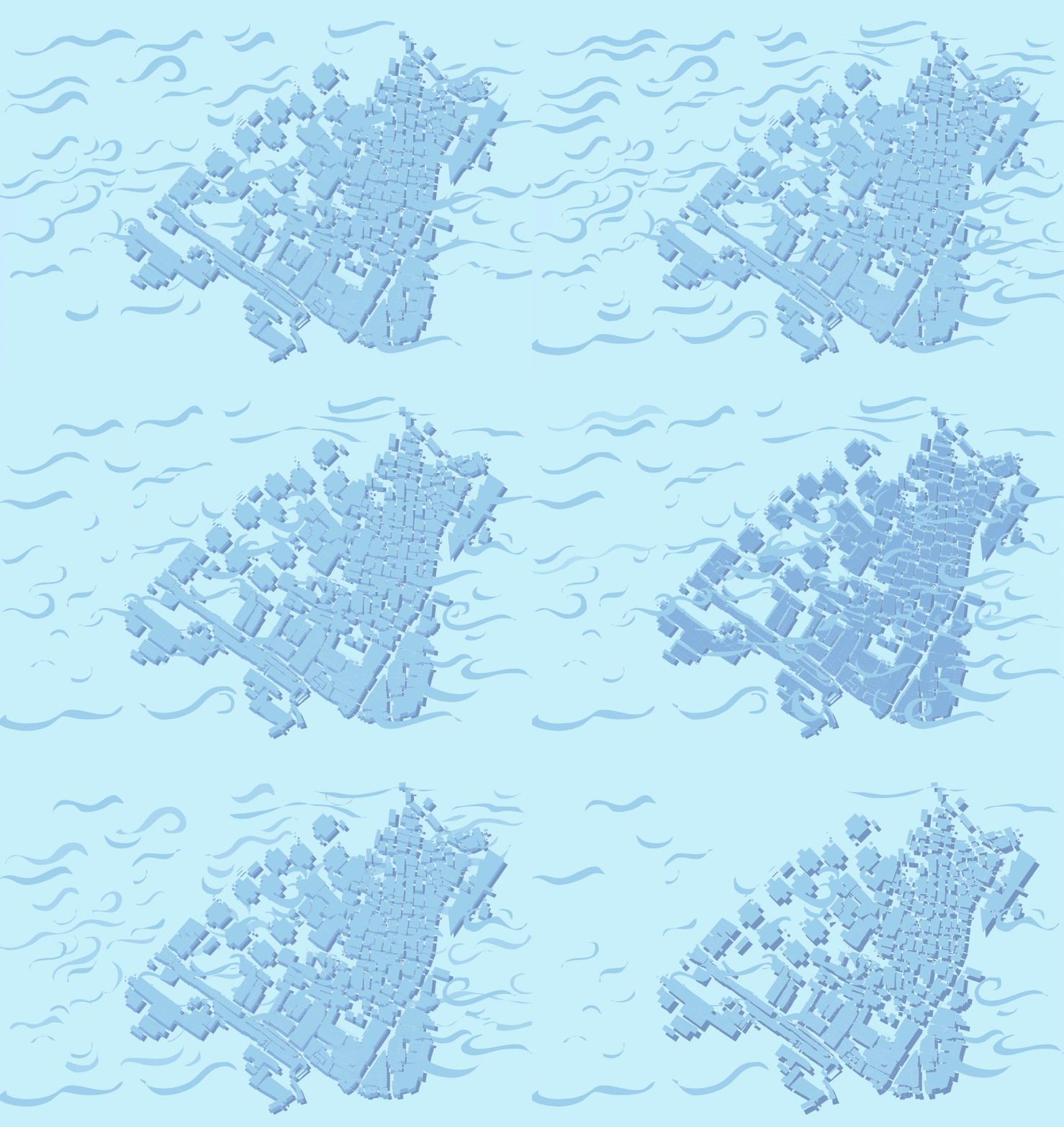
Koliwada's are fishing hamlets in Mumbai city and unlike most settlements, they extend beyond terrestrial boundaries. The waters of rivers, creeks and seas, all form part of an amphibious habitat that is integral and deeply familiar to the Kolis.
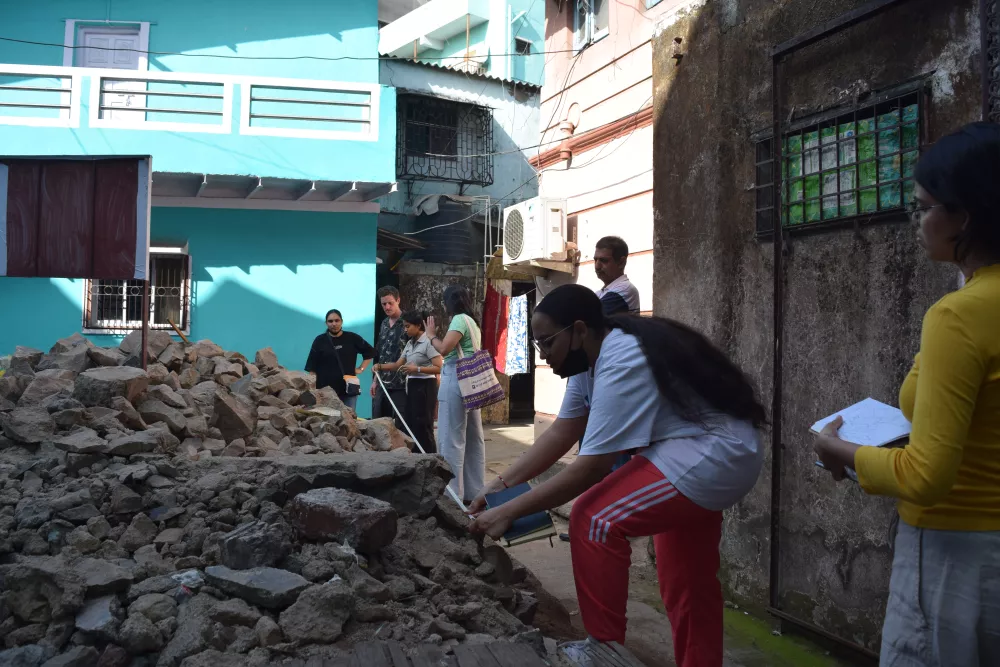
This year, the students provided us with their technical expertise for interventions of the ABCD of Koliwada. The students helped with four projects - the upgradation of water and sanitation infrastructure, solar energy to power street lamps, activating community land along the Mithi River and the adaptive reconstruction of a customs house.

urbz Paris a lancé une enquête participative et créative, visant à découvrir et raconter les espaces spontanés de sociabilité dans nos quartiers à travers le regard de leurs habitués.

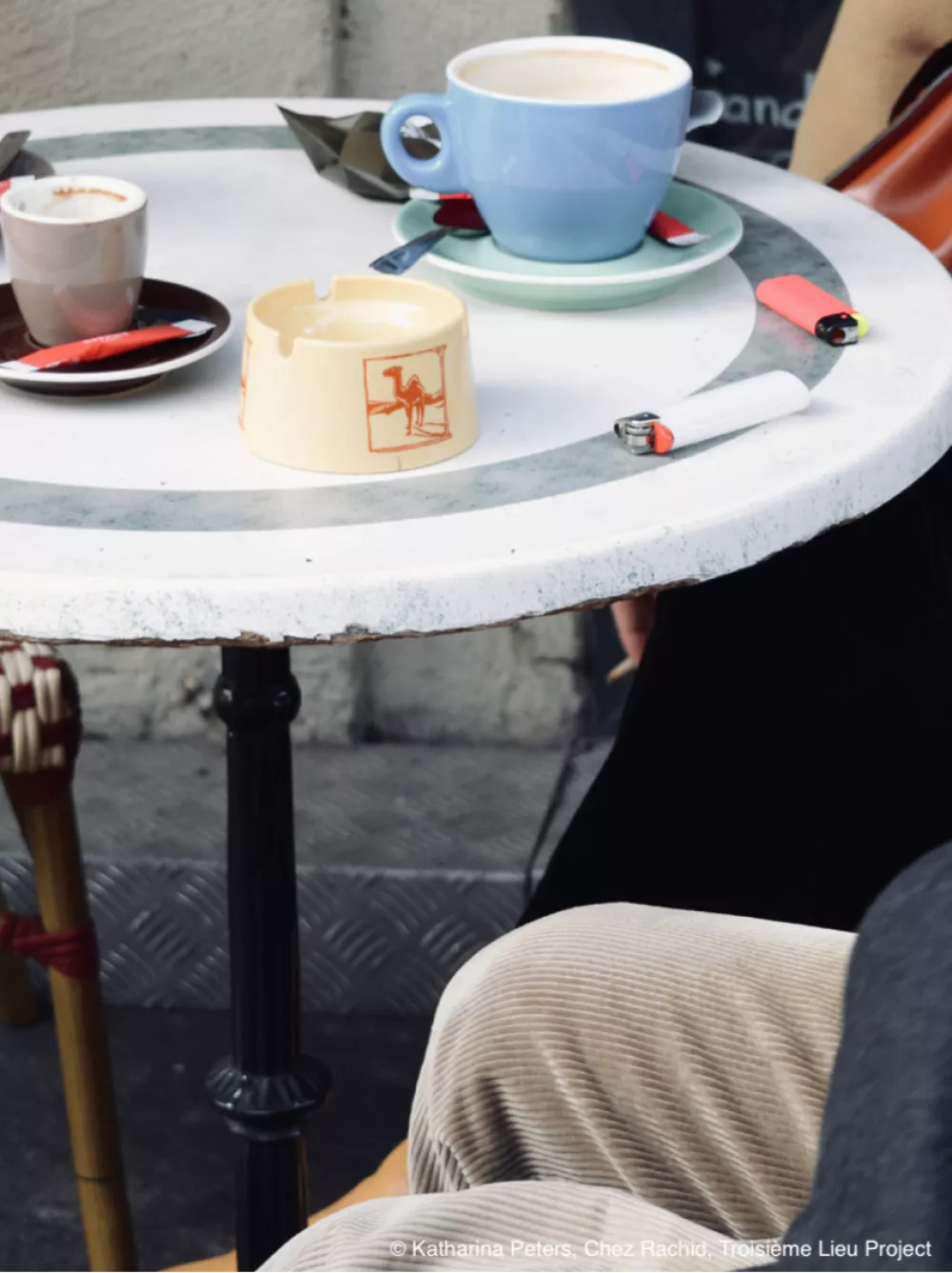
urbz Paris has started a creative participatory inquiry, aimed at discovering and narrating spontaneous spaces of sociability in neighborhoods through the eyes of their users.