
This post examines game methodology as a potential method for qualitative data collection to understand the subconscious behaviour of a commuter and the various factors influencing it, continuing our explorations of various data collection techniques as part of our research on Gendered Mobility and Climate Action.



This post reflects on the methodological challenges faced in our ongoing research on Gendered Mobility and Climate Action.


This post addresses how the Comunidade continues to be relevant in Goa especially to achieve goals of environmental sustainability.


Continuing our series on examples of homegrown neighbourhoods and impulses from the United States- an inspiring story of the Tent city movement lead by activist Mel King.
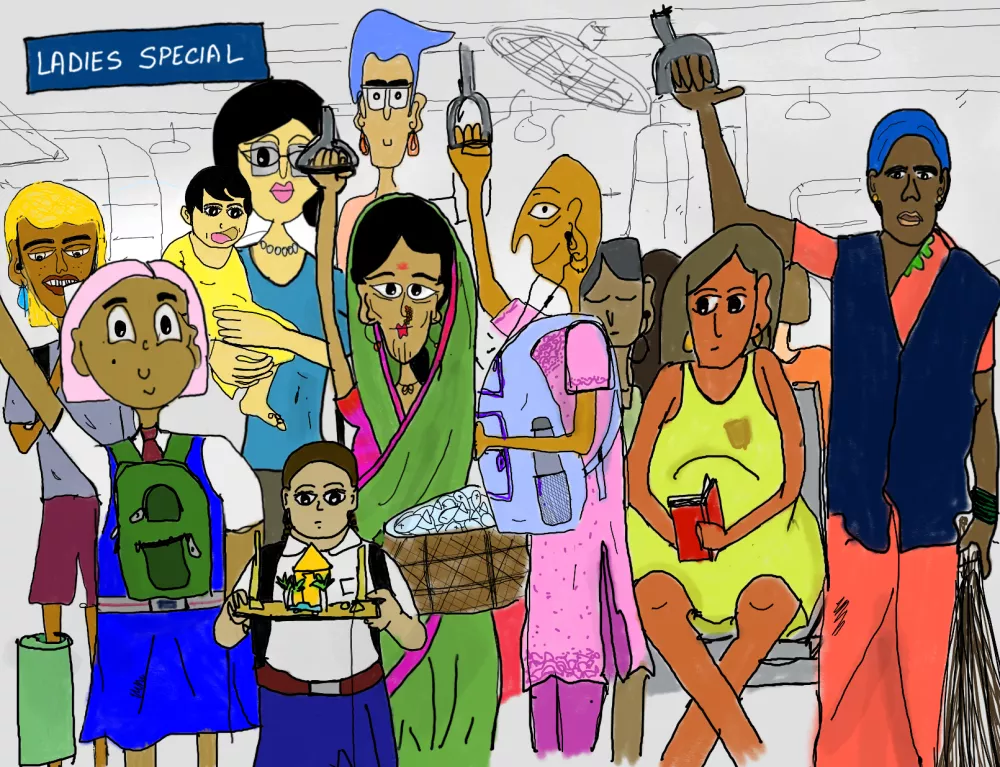
The second blog in the series on Gendered Mobility and Climate Action discusses the methodology and approach we used to conduct the research.
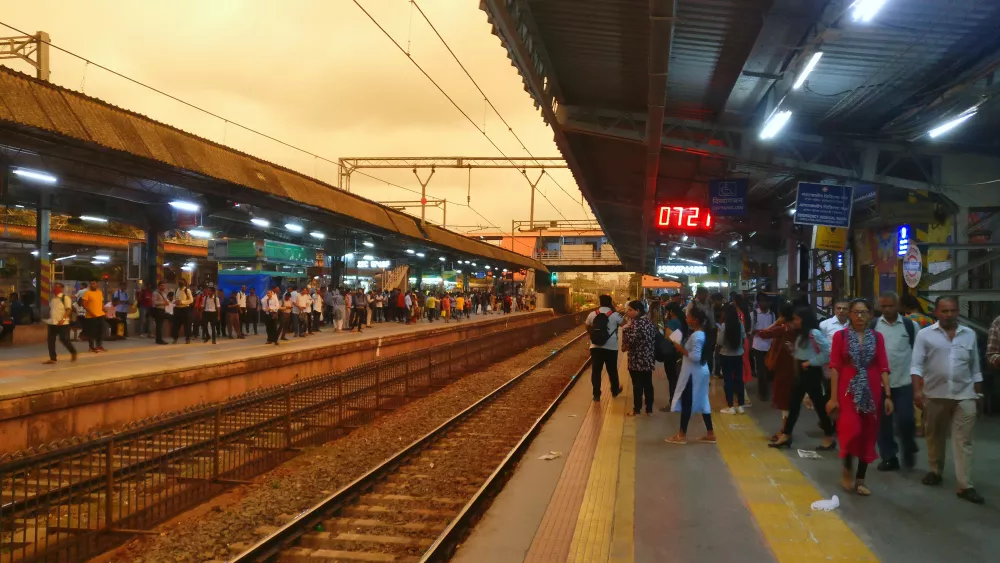
An introduction to the effect of gendered travel behaviour on carbon emissions.
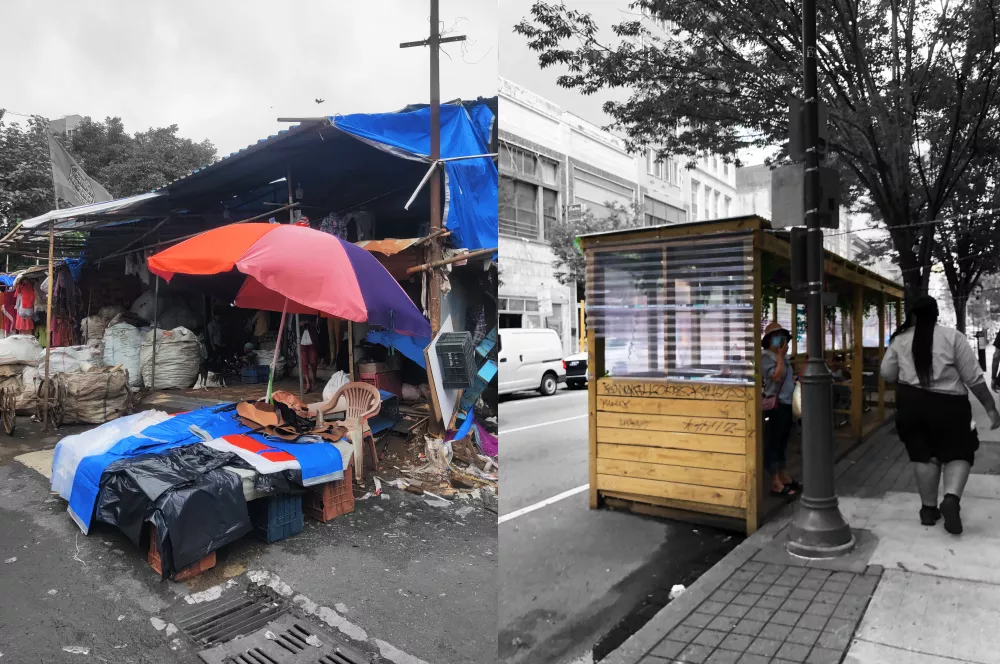
On how self-built structures in cities claim legitimacy bit by bit - A comparison between Mumbai and Philadelphia

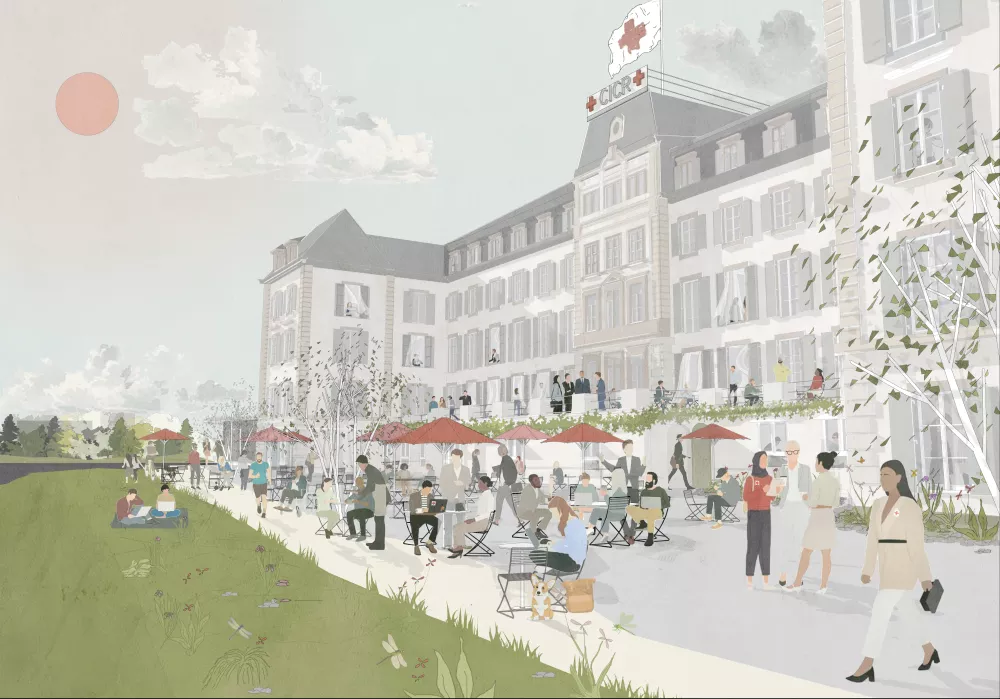
On why we should consider Hospitality as a fundamental principle in urban planning and design
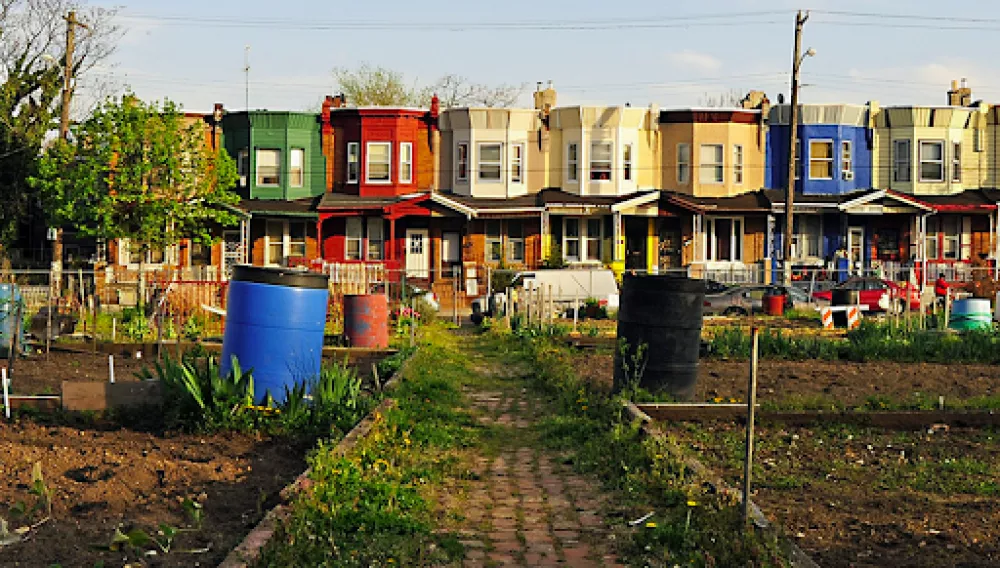
In a global context, populations marginalized because of race, class, gender, creed, etc. are those most incessantly stripped of this right to design the city in their own image within formalized constraints. In this way, the “informal” urban process of self-construction is inherently a product of this same marginality that excludes these groups from “formalized” city-making.