1000 Voices
Authors
Authors

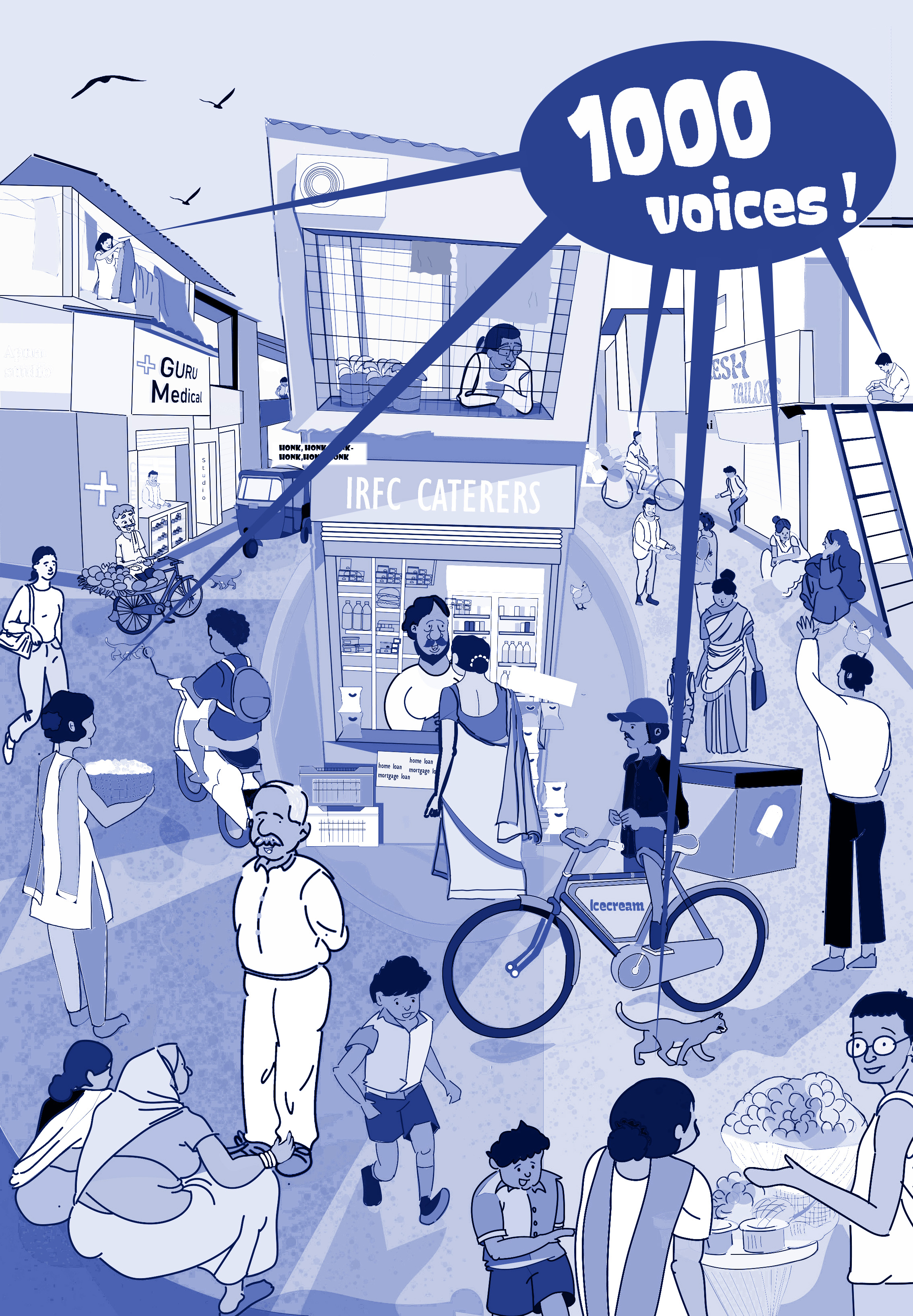
1000 Voices
Authors
Authors
Dharavi has creativity and diversity deeply embedded in its landscape. It houses schools, hospitals, mosques, temples, pottery studios, craftsmen, leather industries, textile workshops, food production units, markets of all sorts, people from all over India and much more. This mix creates a unique urban settlement, facilitating interactions and arrangements just as unique. Dharavi combines spatial density with temporal intensity - if no one quite understands how so many people can be accommodated over the 590 acres of Dharavi, it is even harder to figure how people manage their time. Days seem long enough to juggle jobs, businesses, industries, social work, friendships, festivals, carnivals, commerce, community, families, children, drawn-out chai breaks. Our project, 1000 Voices, aims to understand this grand terrain through the perspective of people who, through their presence and activities, keep on reproducing it day after day.
Articles in this collection
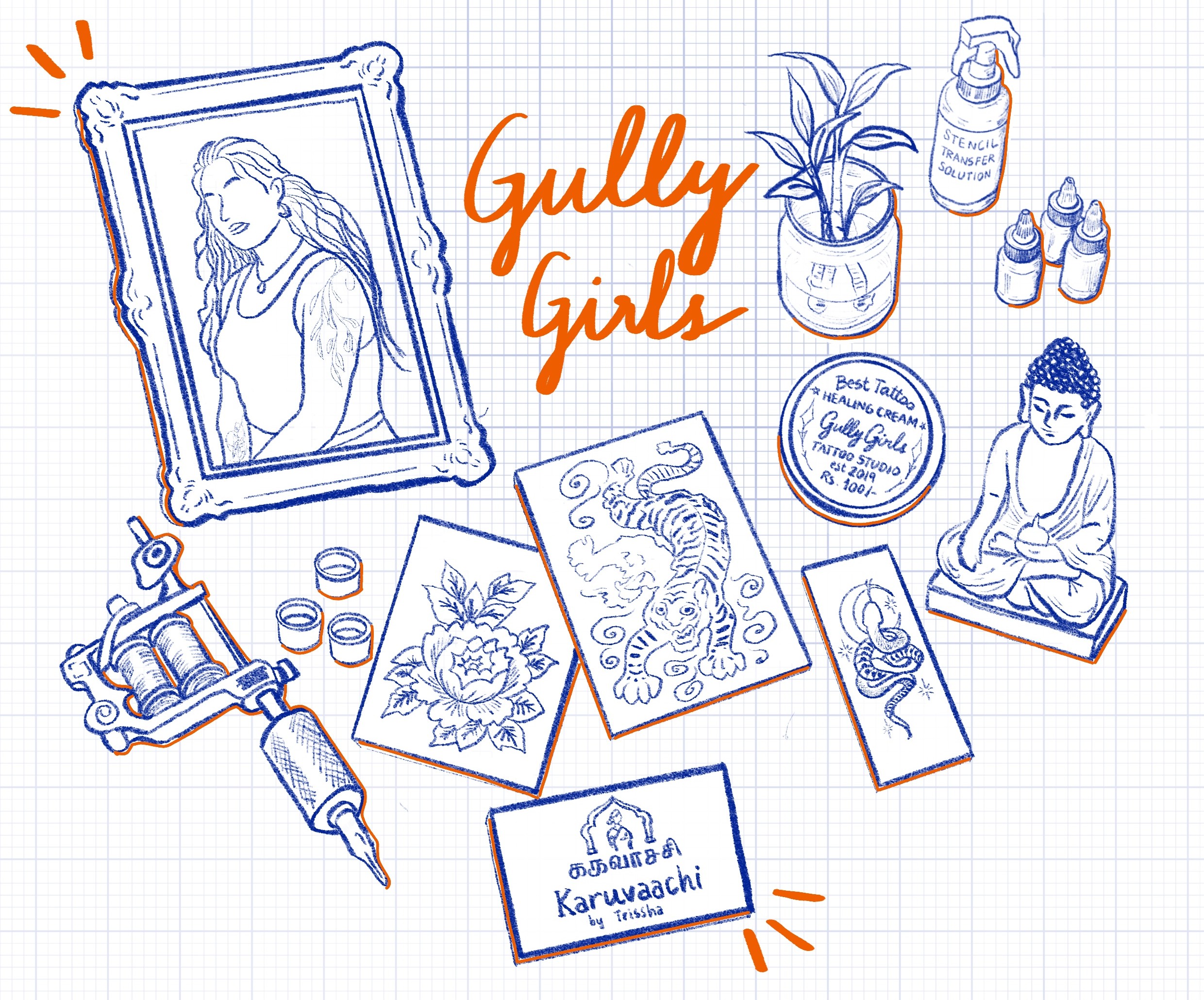
Tucked away in Sangam Gully, is Trissha's tattoo studio. She is a friendly woman, with a warm demeanour and a knack for challenging herself. Step into her studio to get a glimpse into the everyday life of an artist and the unspoken reliability of community.

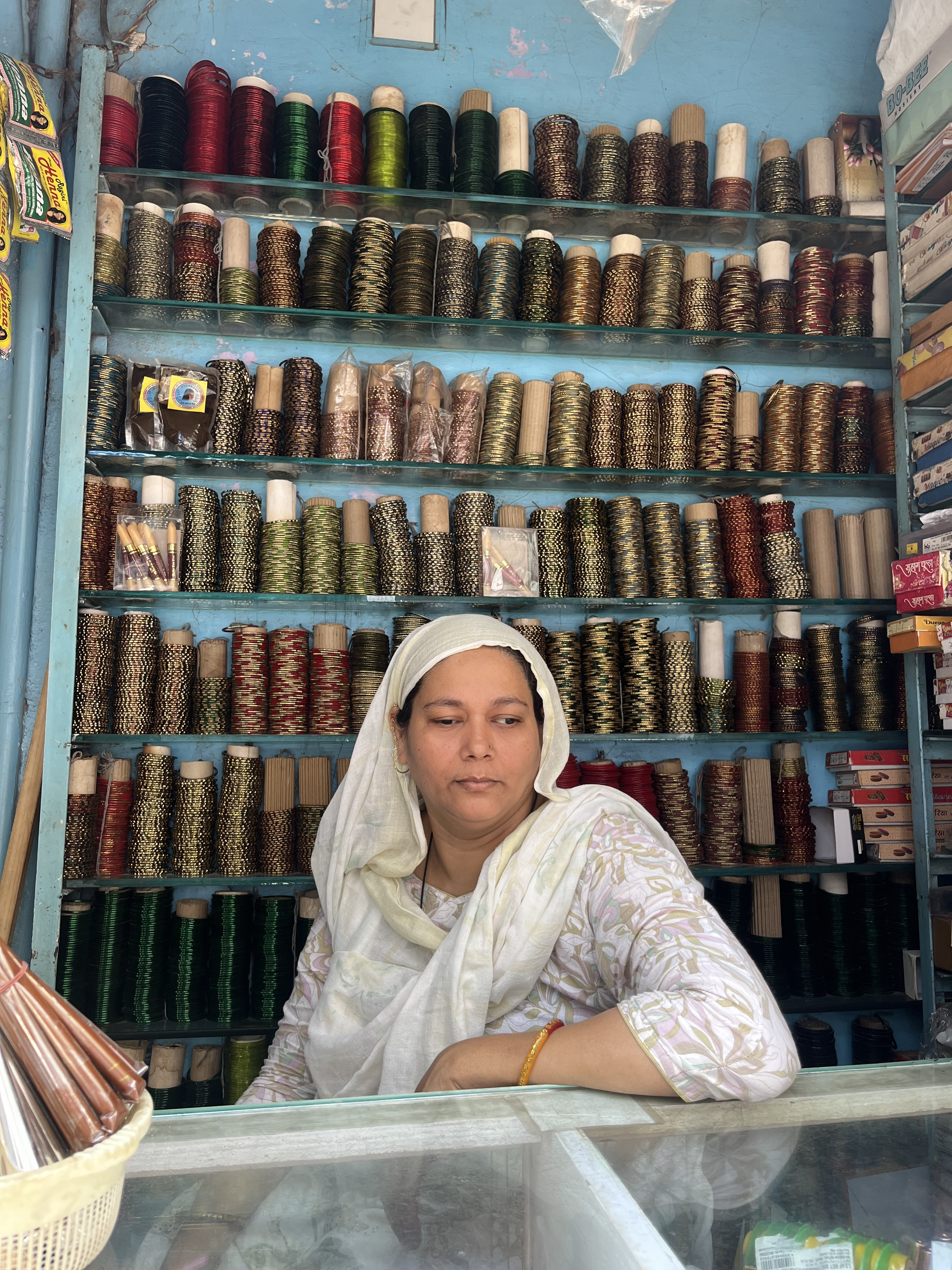
Some people leave to never look back. Ajeet left knowing exactly when he'd return. Now, you'll find him in Dharavi Koliwada, behind a wall of glass bangles and ceiling-hung toys, running a business that three years in Dubai quietly paid for.
A small gully, adjacent to Dharavi Main Road, takes you to Hasmat’s tool-house. She is a friendly businesswoman, with inspiring resolve accompanied by a small smile.

Anil Chawda, owner of Khushi Tailor, is a friendly, multilingual man, who enjoys his work-life balance, cricket, and the occasional beer!
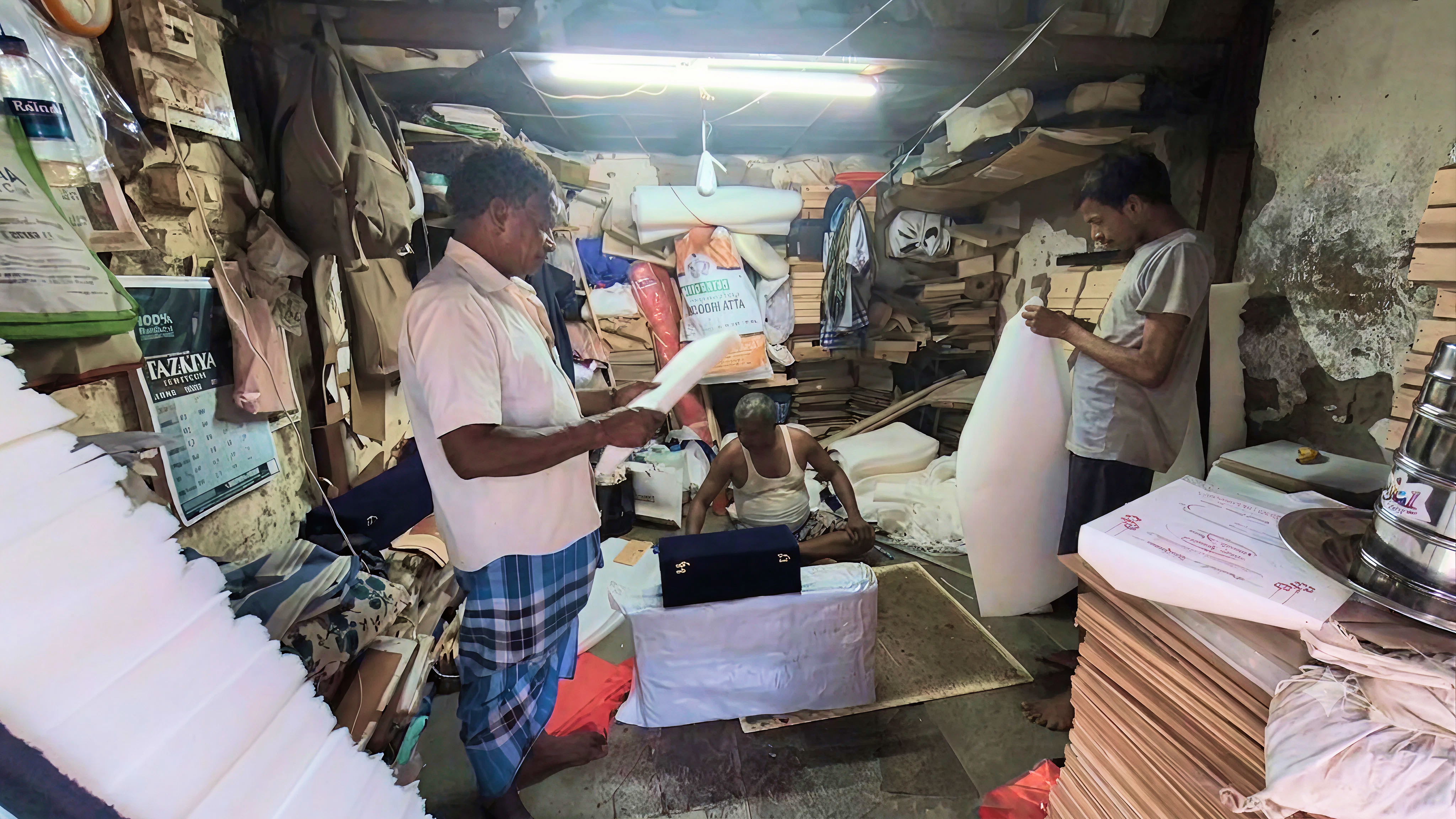
What happens when a home is also a workshop, a storeroom, and the centre of a livelihood? Step inside Bashir Ahmed's tool-house, where stacks of wood and velvet become jewellery boxes, while home and work remain inseparable parts of everyday life.
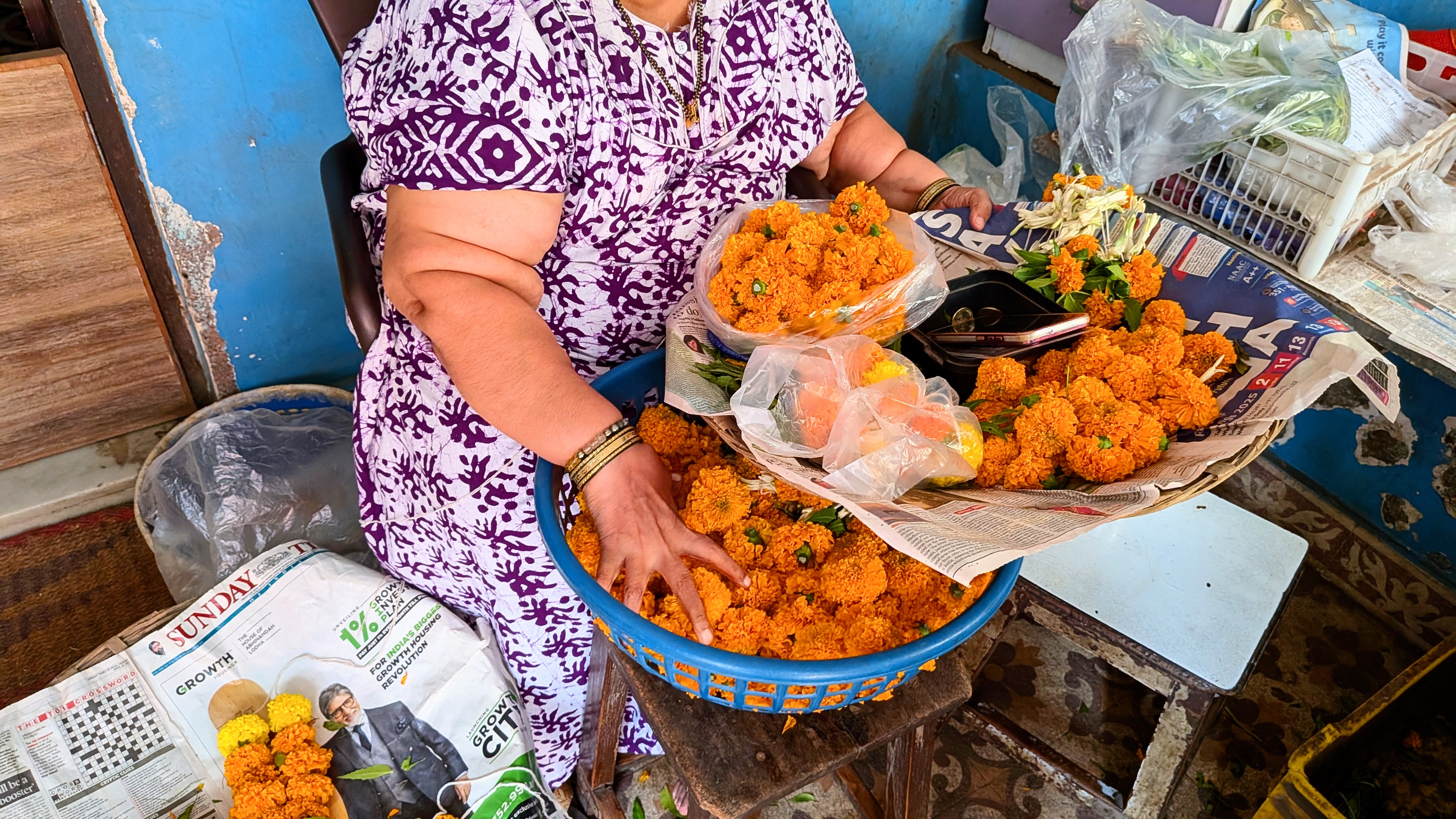
From a small porch in Koliwada, Laxmi Vaity strings flowers, shares conversations, and nurtures the relationships that shape her everyday life. A glimpse into a community where home extends far beyond four walls.
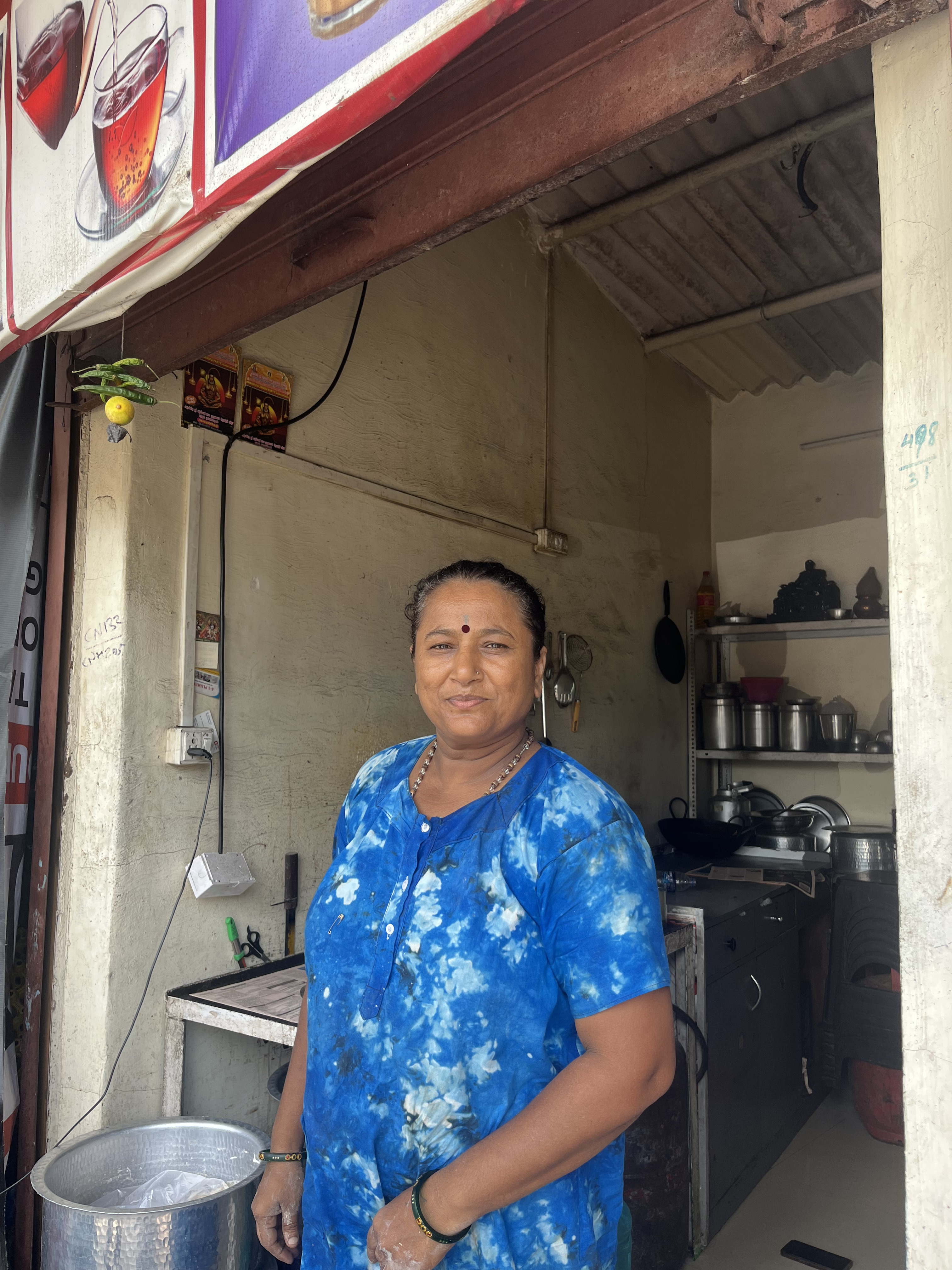
On a scorching summer afternoon, when the weather greeted us so badly, this sweet family welcomed us, distracting us from the heat with their warmth! That, and the wonderful smell of vadas too...
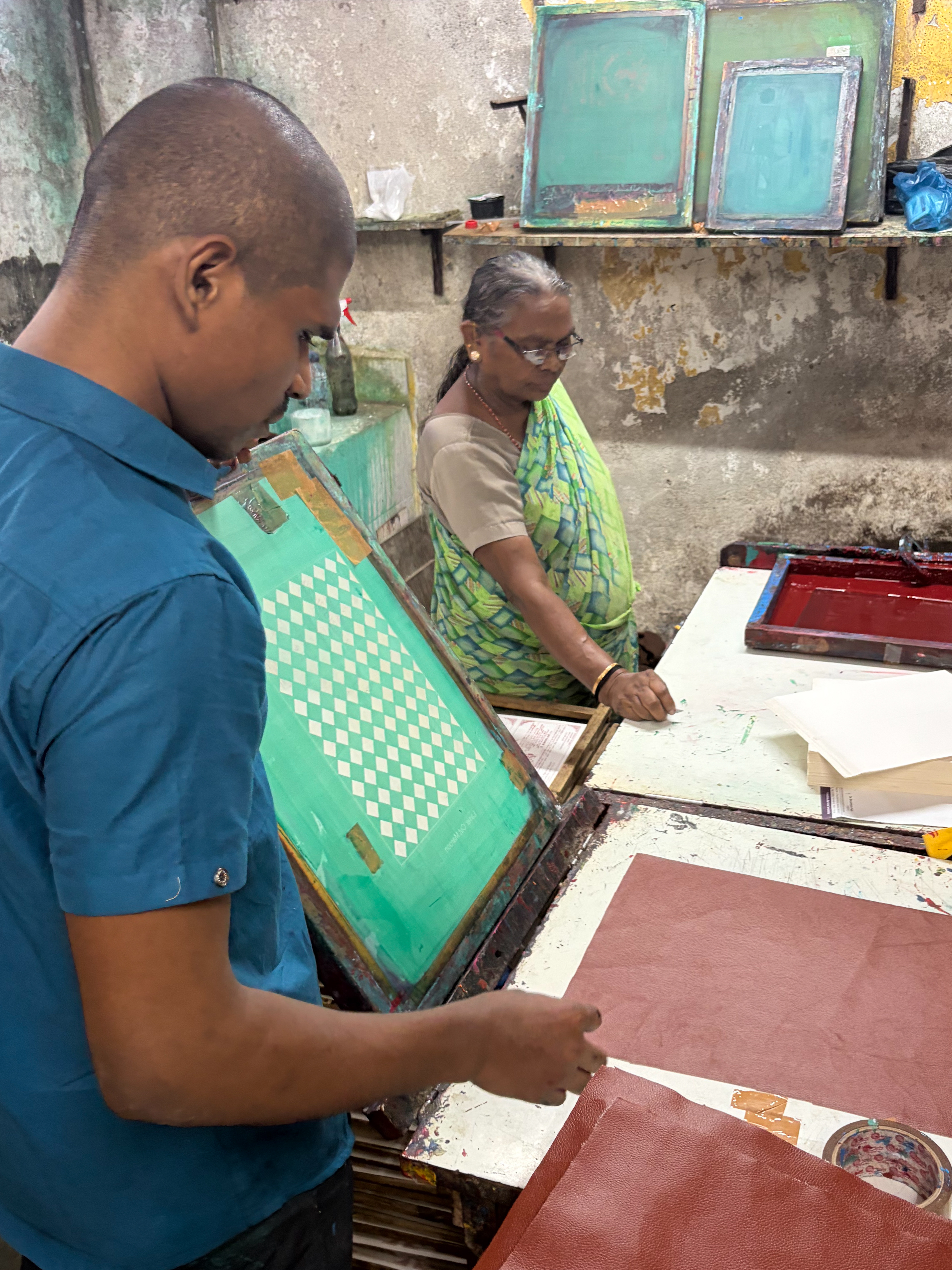
In a lane off the bustling 90 Feet Road in Dharavi, there is a tiny studio dedicated to all types of screen printing. Laxmi and Mani are an unlikely duo that expertly handle the screenprinting needs of customers across the city. They talk to us about a lifetime spent in the industry.
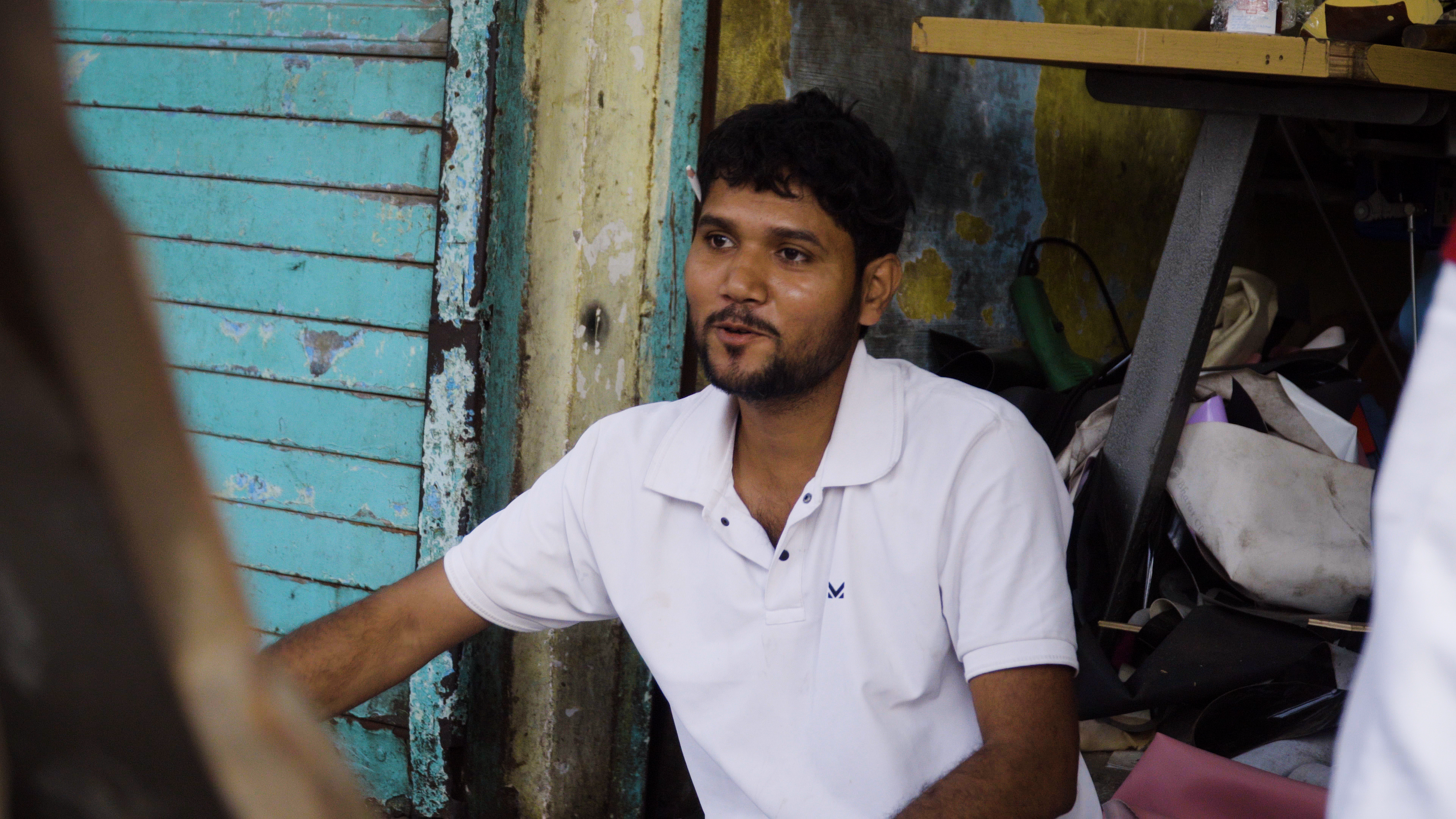
In Mumbai, autorickshaws are more than everyday transport; they’re personalised spaces on wheels. Drivers express parts of their identities through small interior details. From a tiny shop in Dharavi, Nanu Woodwallah designs and stitches these custom interiors. Carrying forward his father’s craft, he transforms standard rickshaws into distinctive, character-filled environments.
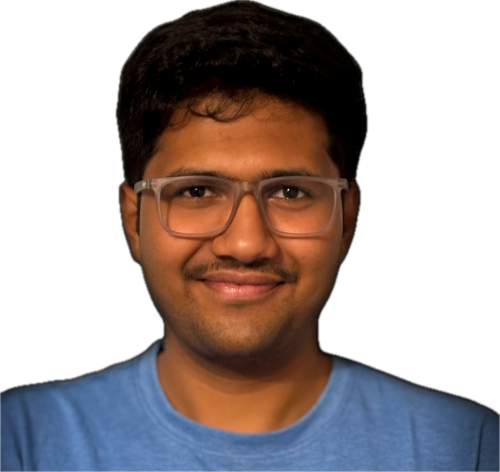
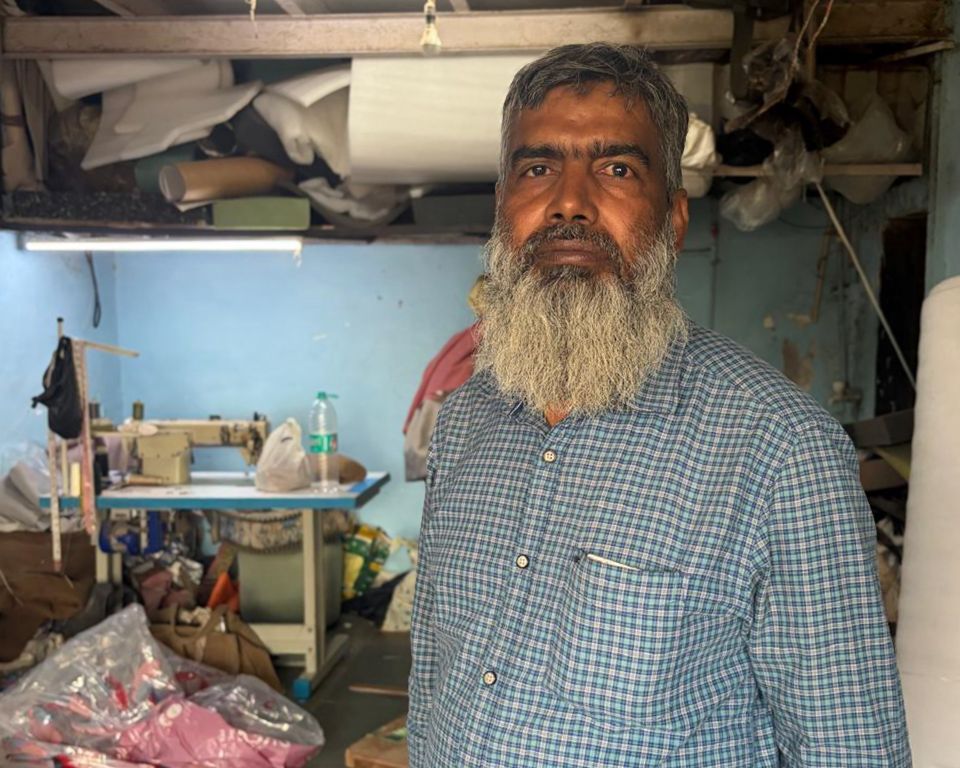
Abdul is a sofa maker who has spent decades cultivating a network of friends and work associates in Dharavi. Open to new challenges and willing to experiment with his craft, his perspective suggests an acknowledgement of his current social standing and external constraints, balanced by a focus on moving forward and maintaining a pragmatic approach to his future.
Related projects
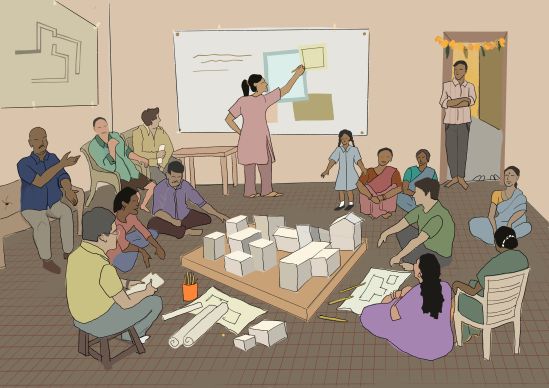
urbz has spent the last fifteen years in the neighbourhood of Dharavi, actively participating in the user-driven evolution of its material and social life. This has given us the confidence to conceptualise and embark on a project called “The ABCD of Dharavi Koliwada” - An Action Based Comprehensive Development Plan that aims to support the incremental development of the neighbourhood.
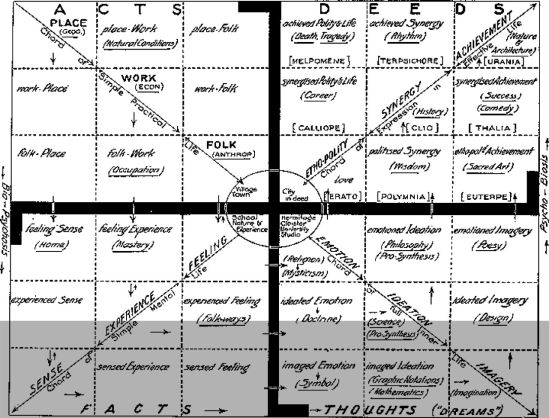
Place, Work, Folk is a fortnightly column in The Hindu Sunday Magazine by Matias Echanove and Rahul Srivastava, which is inspired by Patrick Geddes and analyzes current urban issues in India and beyond.
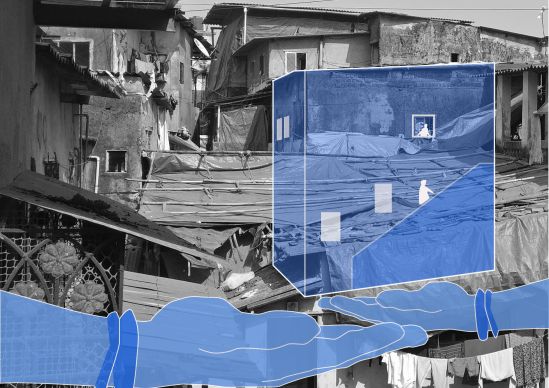
We are excited to be working on a new architectural project in Dharavi Koliwada. Our friend, collaborator, and contractor Joseph Koli, approached us to work on his latest project - the redevelopment of a chawl owned by brothers Vithal and Bhaskar Koli.
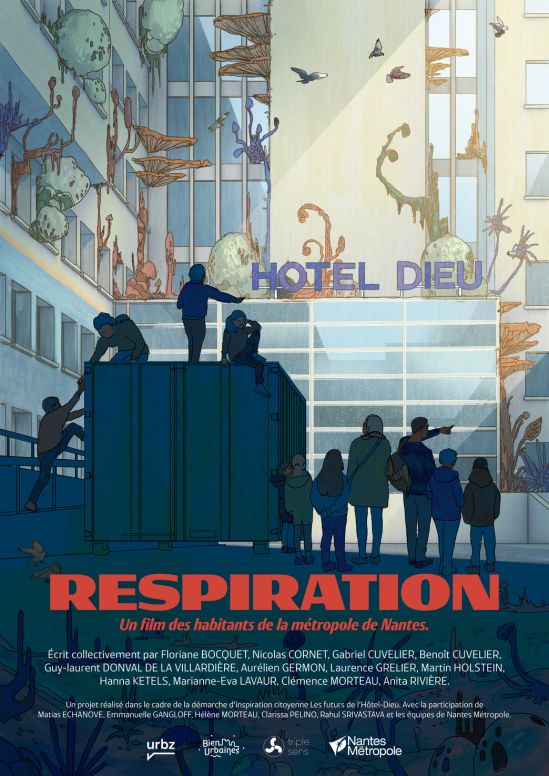
Respiration, Hôtel-Dieu, Nantes. Automne 2024.
urbz researched and reported on the ground realities in Dharavi during the COVID-19 pandemic. This series of reports was published from April to November, 2020. We have compiled a collection of four pandemic-focused articles, fifteen Dharavi Weekly issues, and five Dharavi Fortnightly issues available for download.
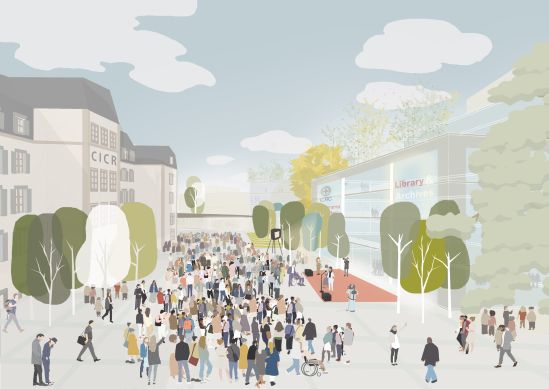
urbz planned a makeover of the campus of the International Committee of the Red Cross (ICRC) in Geneva, where approximately 1,500 employees are based. With around Around 20,000 employees in over 100 conflict zones worldwide, the ICRC is one of the most important humanitarian organizations in the world.
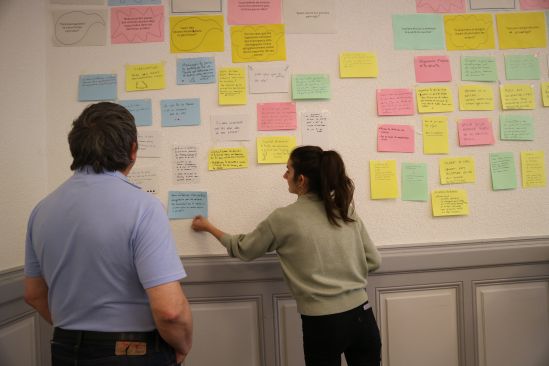
Réaménagement des rues Pré-du-Marché et du Clos-de-Bulle
Redevelopment of Rue Pré-du-Marché and Rue du Clos-de-Bulle
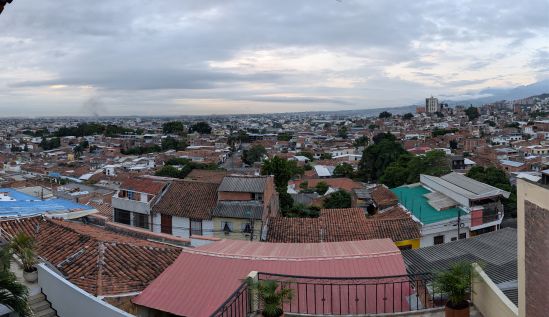
urbz is working on the development of a set of tools and methodologies for participatory planning for the city of Cali in Colombia.
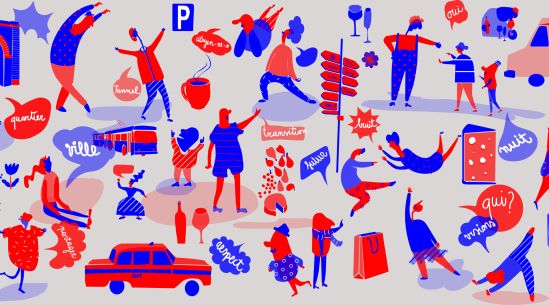
urbz is carrying a 18 month long participatory process to redefine the two largest public squares in Lausanne.
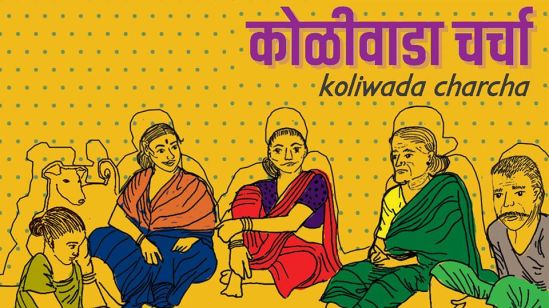
The exhibition Koliwada Charcha is an attempt at understanding the essence of Dharavi Koliwada's architectural and visual language.
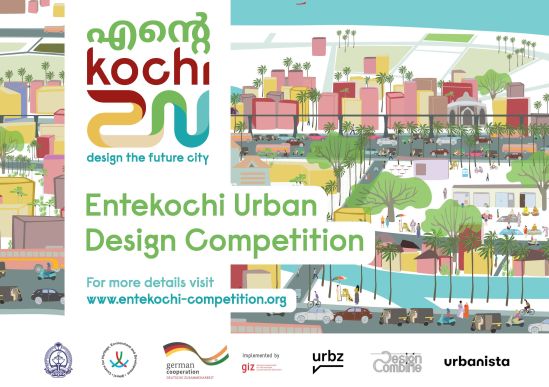
Remember the Urban Typhoon workshops in Kochi? These workshops were part of the EnteKochi citylab. We are now back with the Entekochi competition. This is a national level Urban Design Competition, aiming to jointly ‘design the future city’ of Kochi. It is envisaged to plan and then facilitate the implementation of an integrated civic project.
The Kochi Municipal Corporation called all creative minds to participate!
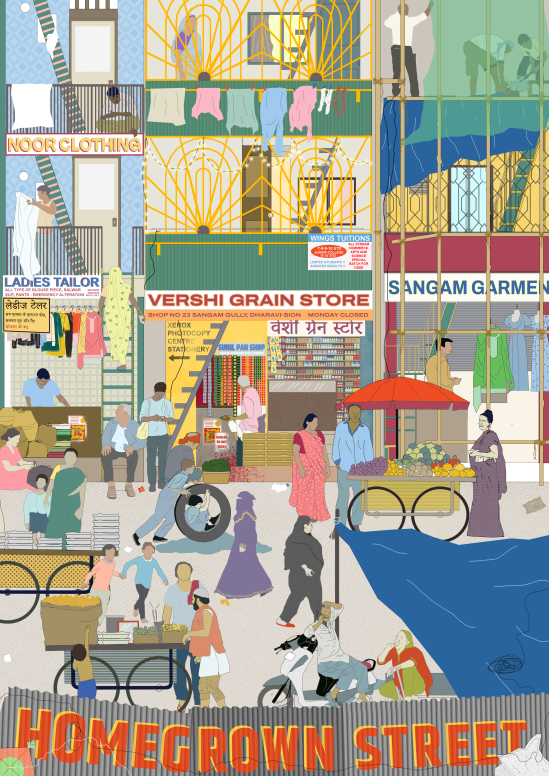
We are taking the Design Comes as We Build project to the next level - the Homegrown Street!
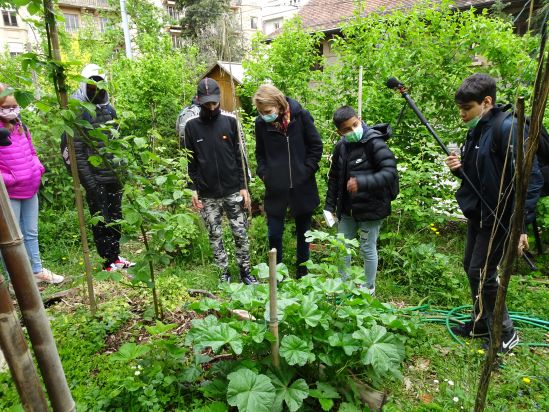
An ongoing project on the ecological transition and how it can foster quality public spaces.

In The Shapes of Third Places series, we delve into the work of the three student groups of GDI 2025, exploring how their creative and insightful approaches have helped us gain new perspectives on Third Places.
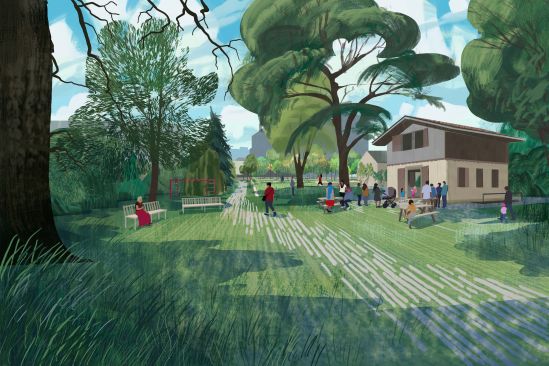
The urbz team is working with the International Federation of the Red Cross and Red Crescent societies (IFRC) in Geneva on a participatory landscape design involving staff, neighbors and partners.
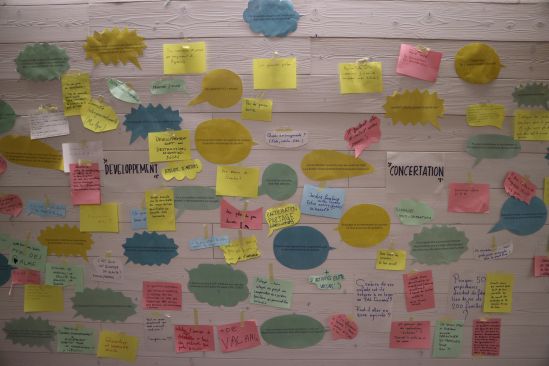
Concertation pour le réaménagement d’un quartier de villa en ville de Genève
Consultation for the redevelopment of a villa district in the city of Geneva
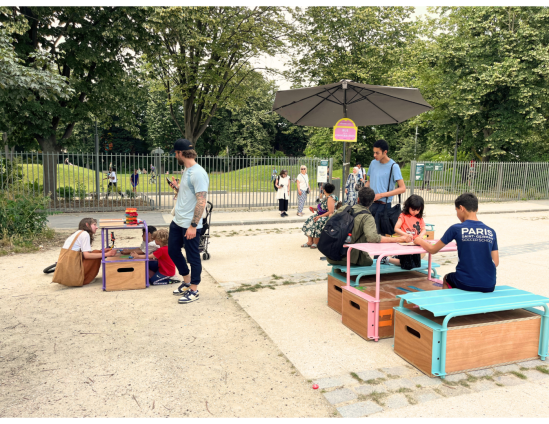
©Arthur Crestani, Rue de la Conversation. Juillet 2024.