65 result(s)
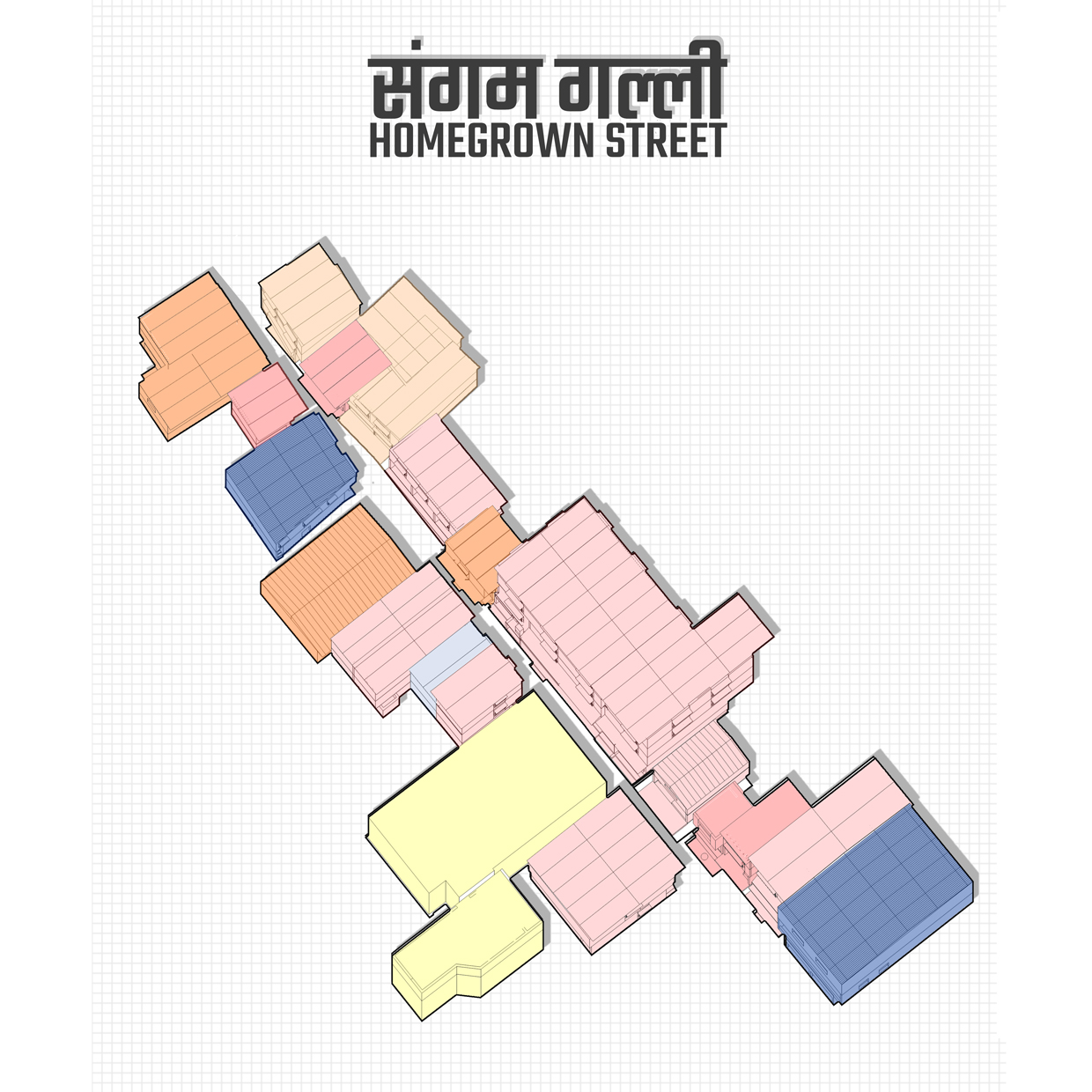
After the relaxation of the lockdown, our interns worked on the Homegrown street project. This article presents their work and experience.

In this article, we travel to Cape Town in the western capes of South Africa. The homegrown settlements in Cape town have emerged from occupations of underutilized buildings and vacant lands in peripheries of the city. ‘Occupations’ in Cape Town act as points of contact and interaction between homegrown communities, grassroots housing movements, and the city’s planning institutions.
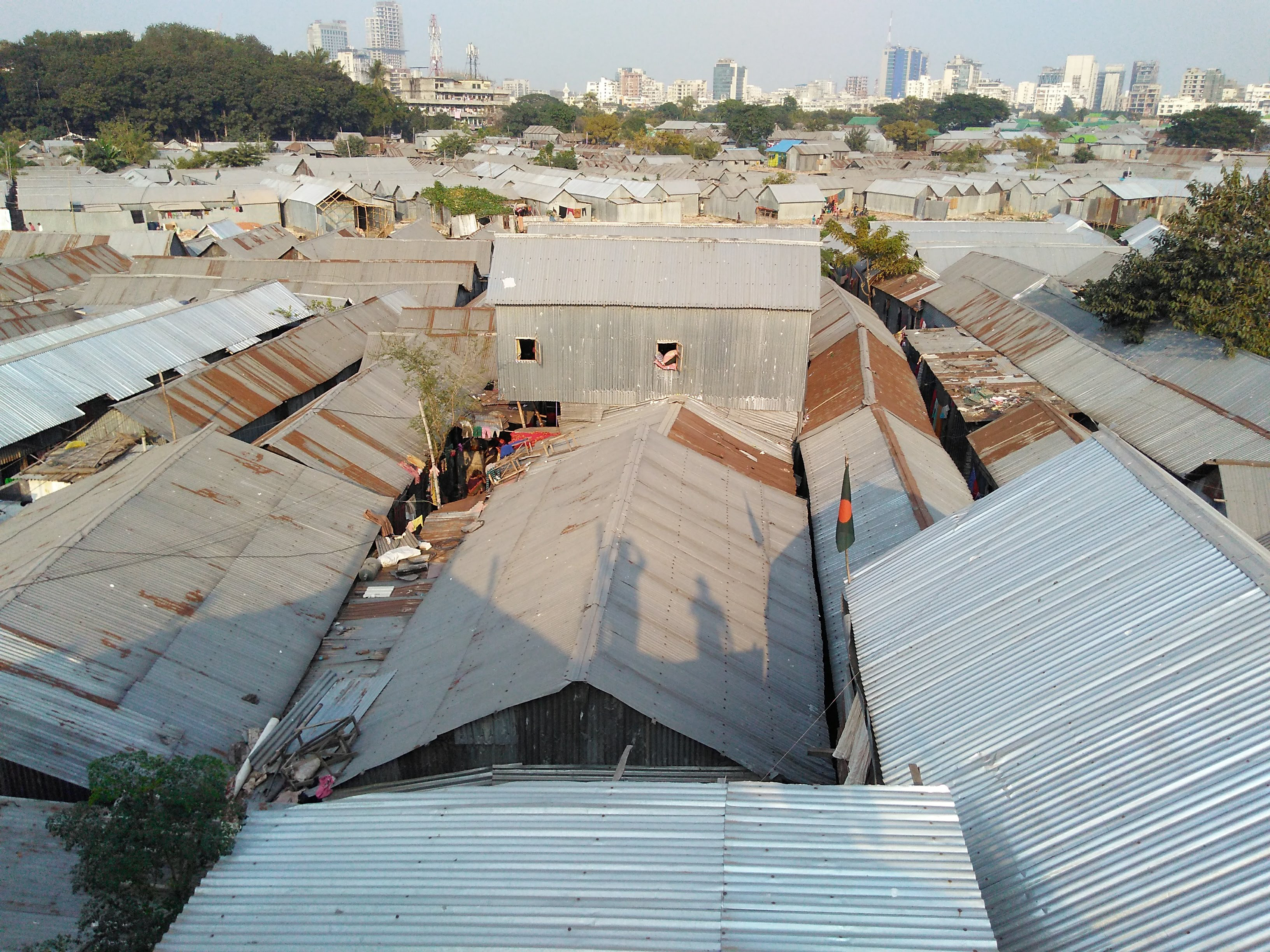
We continue across the border to Karail, a basti (neighbourhood) in Dhaka, Bangladesh to understand homegrown settlements and their formation.

More than a third of Bogota, the capital of Colombia, is estimated to be self-built by the inhabitants, mainly in the periphery of the city. In this article, we learn from Andrés Sánchez of urbz Colombia about the emerging forms of organisation and constant transformation in these self-built neighborhoods.
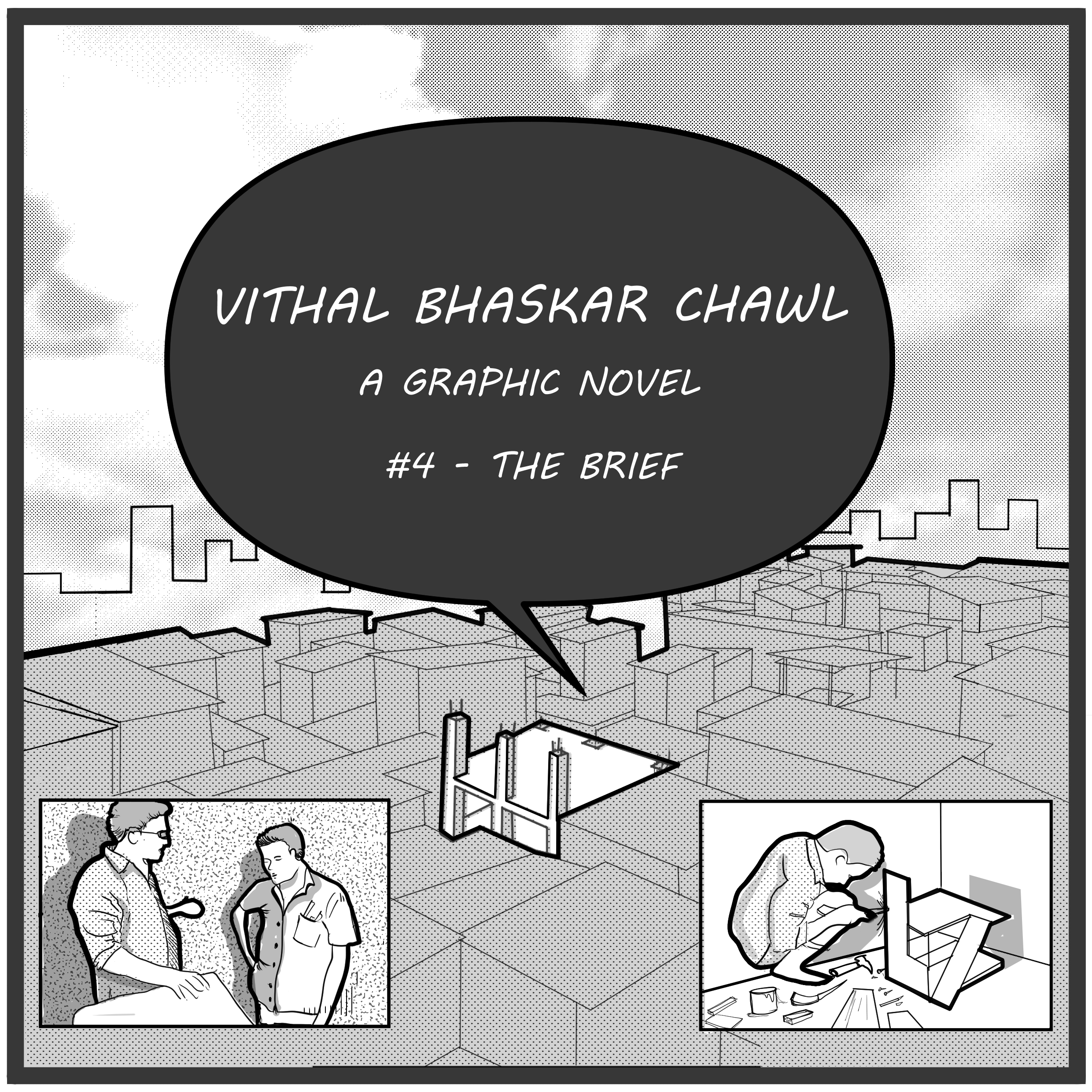
Issue 04 - The Brief, illustrates all the preliminary steps taken by urbz and residents of Vithal Bhaskar Chawl to ensure that the design meets their social and spatial needs.

In this article, we situate ourselves in Chile and examine homegrown neighbourhoods in various terrains.
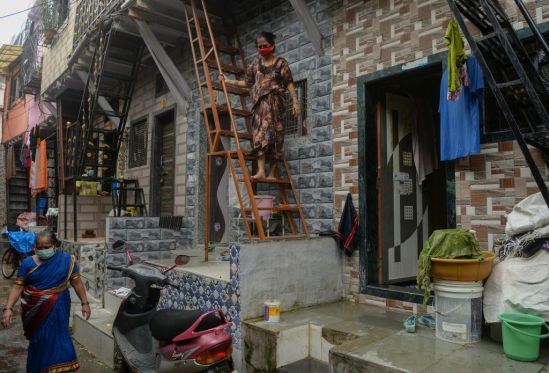
In this article, published in The Architectural Review, Matias Echanove and Rahul Srivastava discuss the significance of local builders and contractors in preserving the functionality of the neighbourhood. It takes a simple shift in perspective to uncover the driving forces behind the vibrant growth of homegrown settlements such as Dharavi.
Neighbourhoods such as Paraisópolis in Sao Paulo, Cazuca in Bogota, or Dharavi in Mumbai are generically referred to as slums, even though they represent a more nuanced reality to their inhabitants. (The Hindu 20.07.19)

What the world’s largest city can teach us about local development (The Hindu 16.02.2019)
