Dharavi Weekly 02
Authors
Authors


Dharavi Weekly 02
Authors
Authors
Related articles

After the earthquake that shook El Choco region and Cali, local associations are mobilising to provide basic necessities and build shelters.
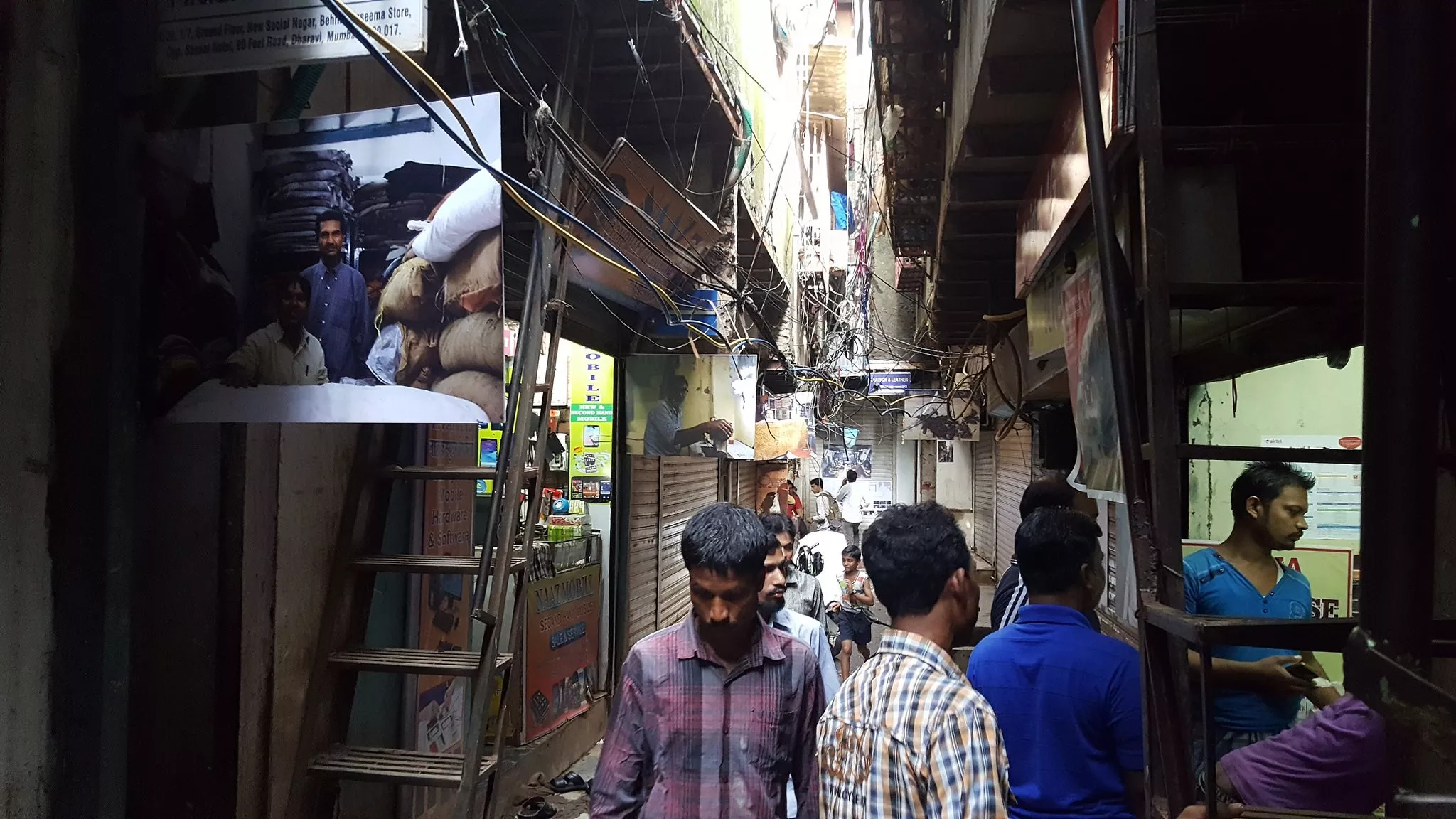
Why is there a Bareilly street in Dharavi when Bareilly is infact in Uttar Pradesh?

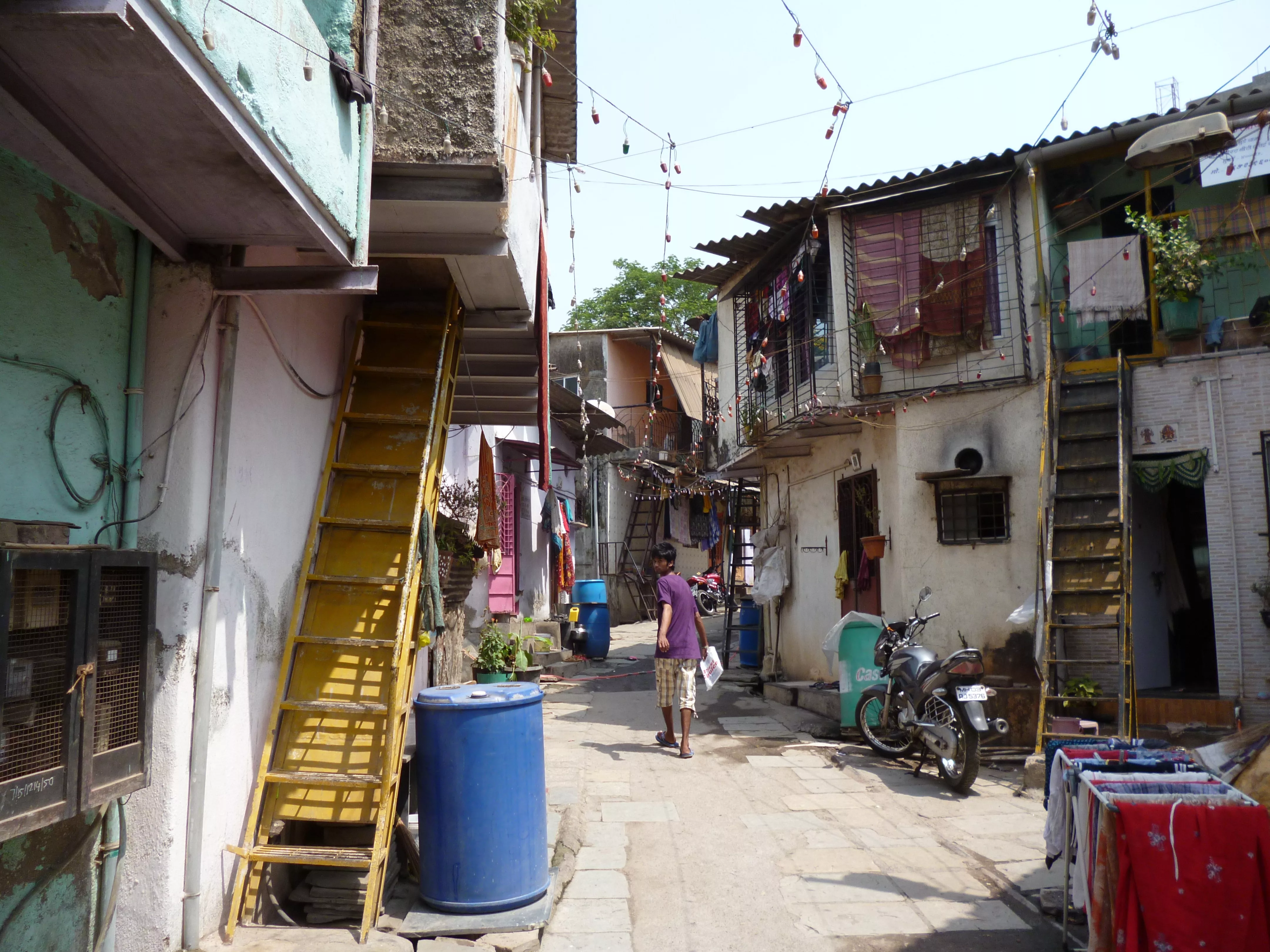
Behind the famed Renaissance hotel by the Powai lake is a small, homegrown village called Paspoli which is home to the workforce of the hotel.



Street vendors in Dharavi
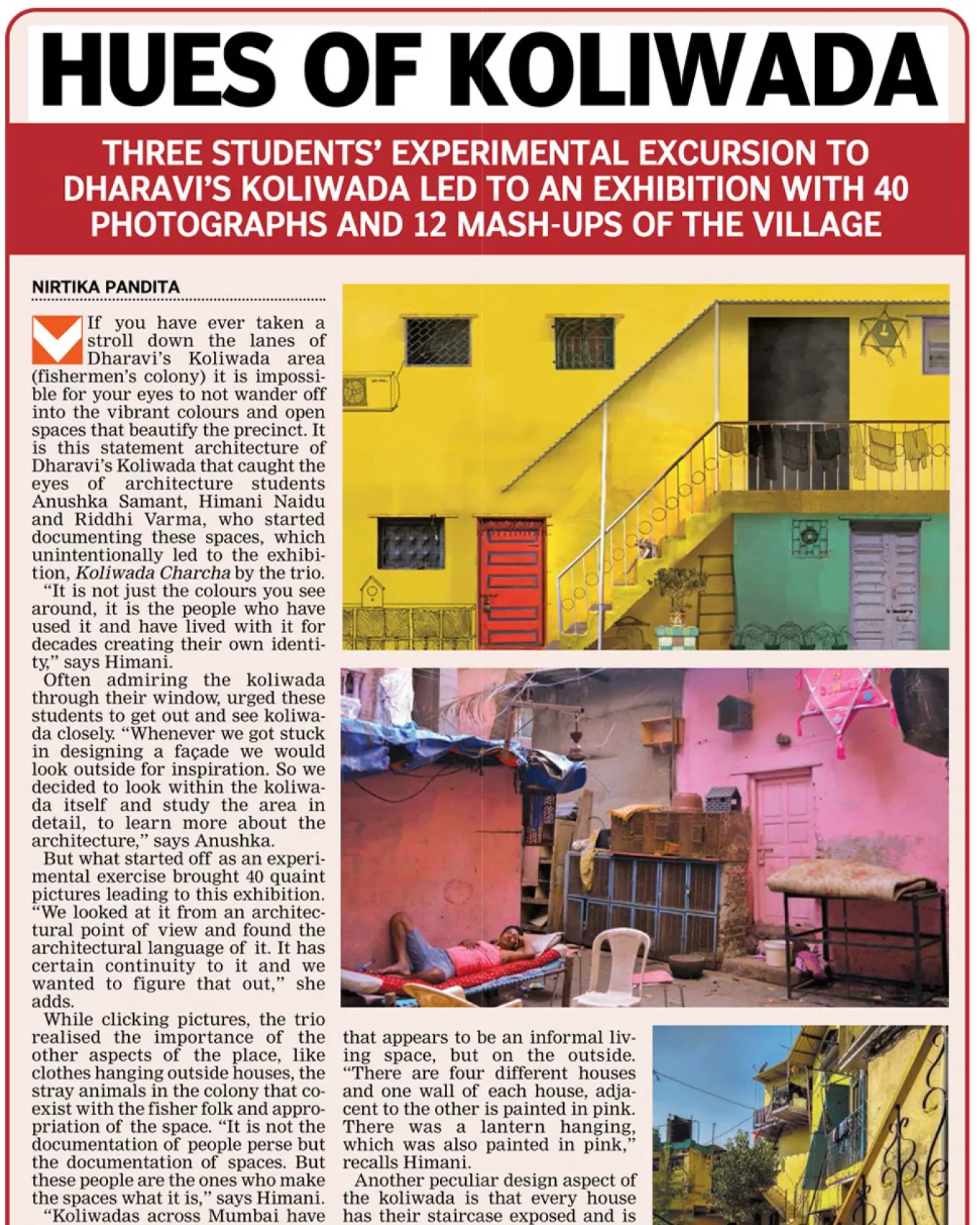
Our exhibition Koliwada Charcha was in the news (Asian Age)
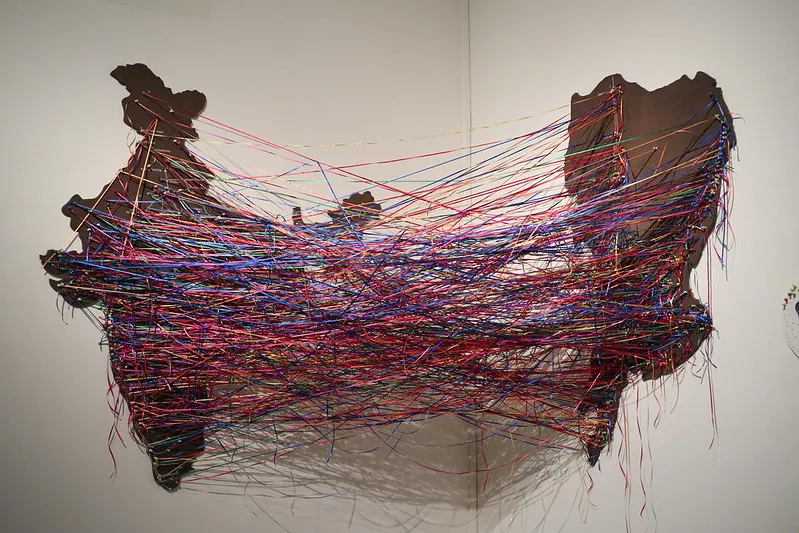
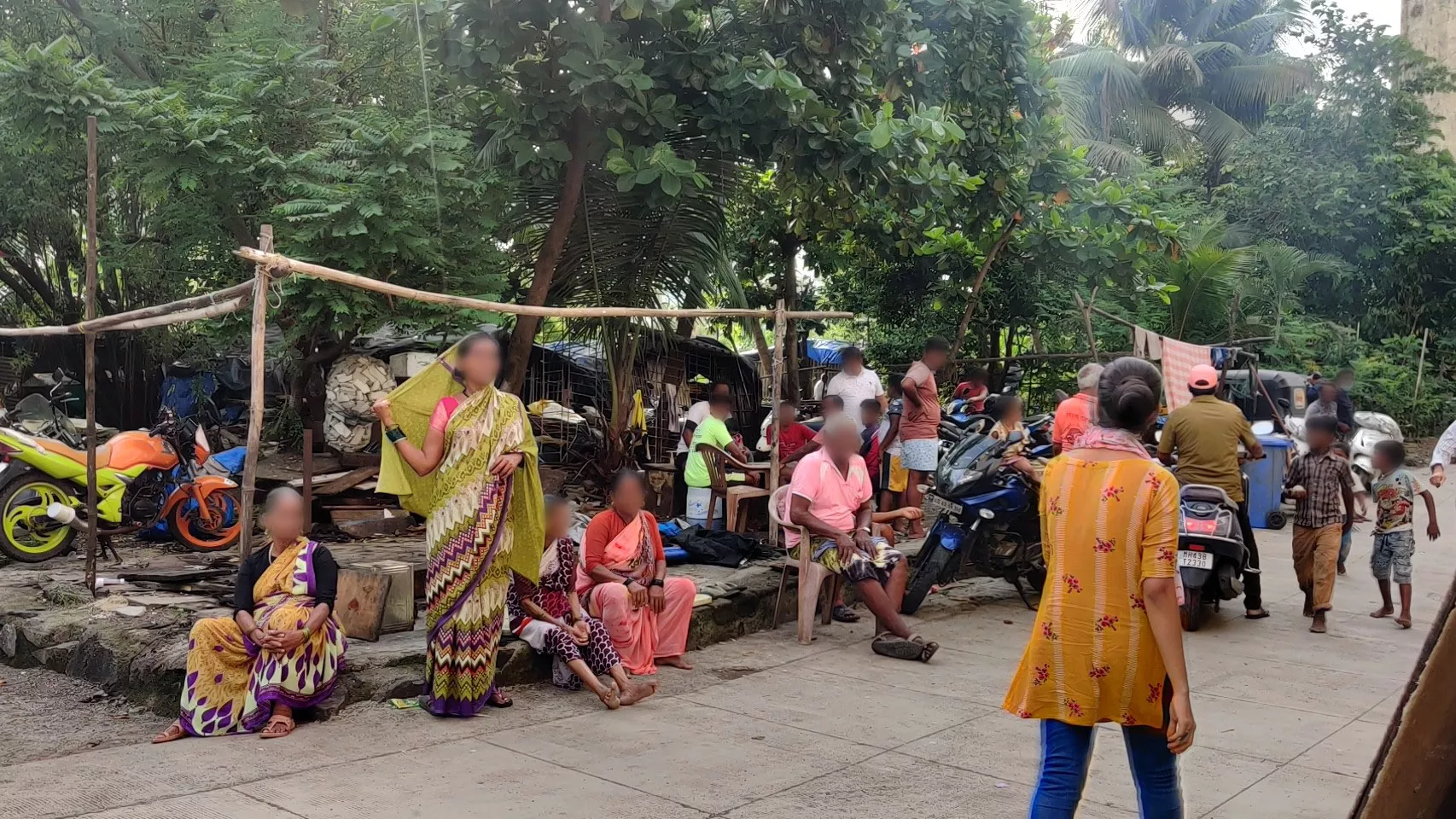
In continuation to the last article on place making in an urban village, we explore Diwale goan to understand various collaborations.


On a rainy afternoon, we visited Irfan’s workshop, somehow quieter than the surroundings. We assisted and watched him while he worked, and he narrated his story to us.
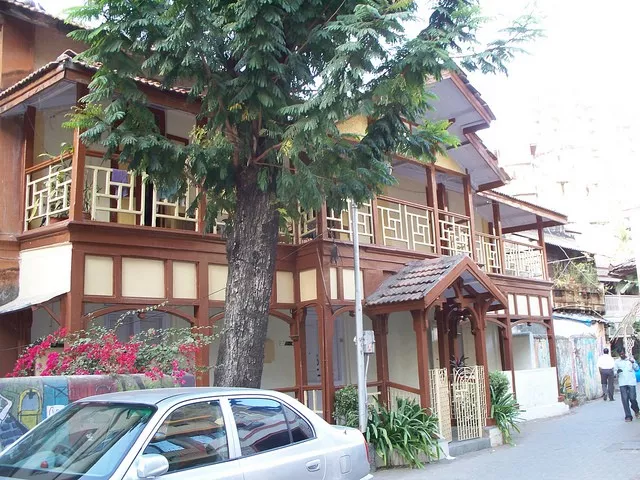
Residents keep intervening and changing their homes in the process of living, and this contributes to conservation
This article is part of the following collection
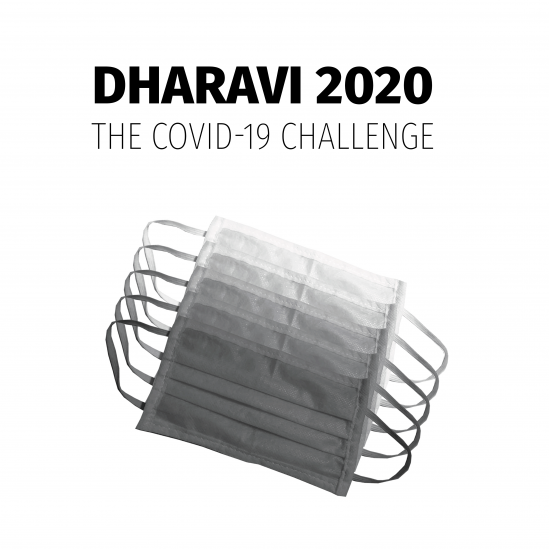
urbz researched and reported on the ground realities in Dharavi during the COVID-19 pandemic. This series of reports was published from April to November, 2020. We have compiled a collection of four pandemic-focused articles, fifteen Dharavi Weekly issues, and five Dharavi Fortnightly issues available for download.