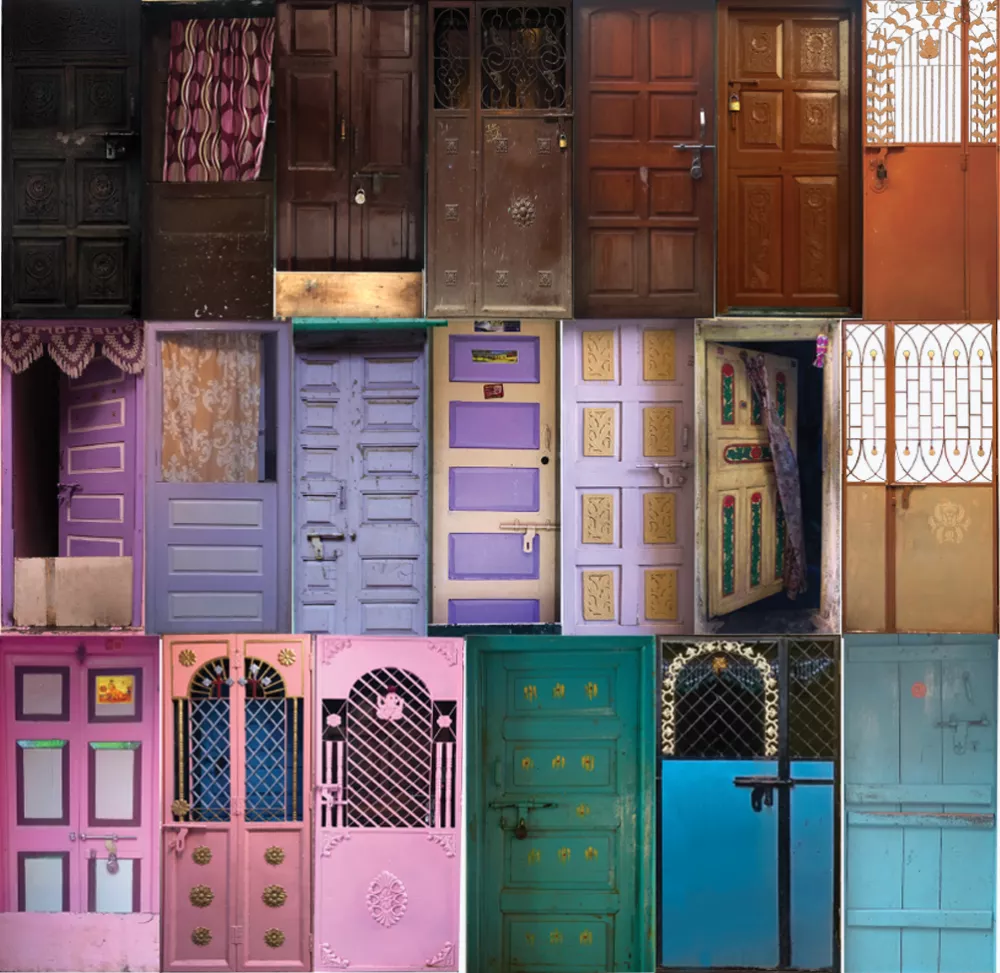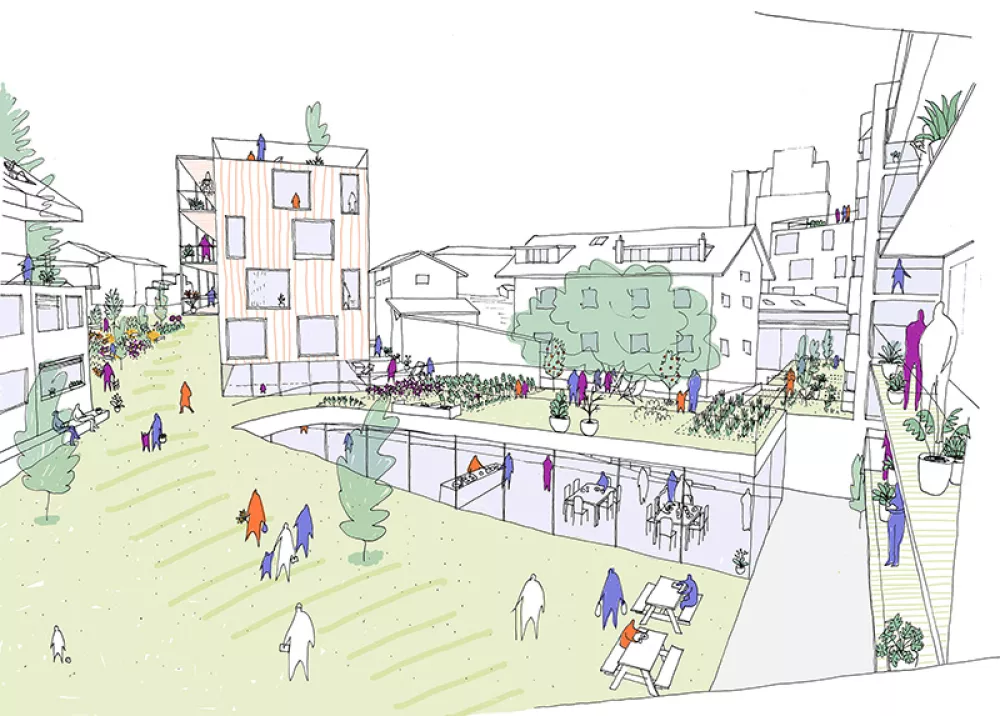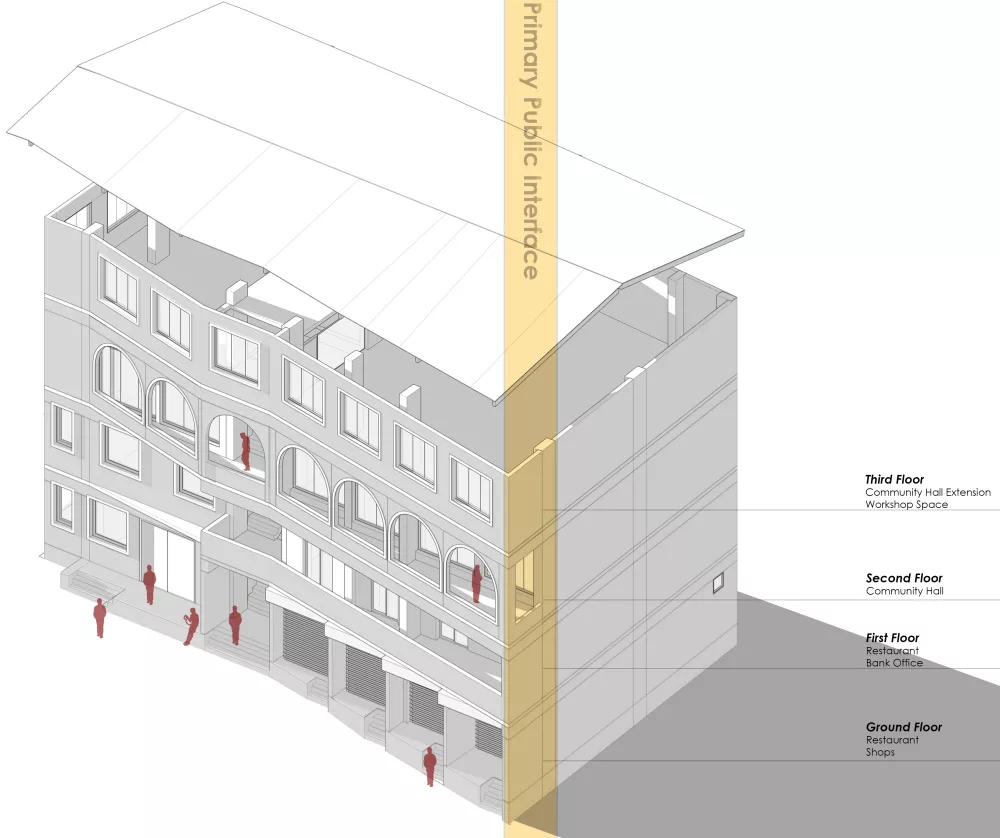
Inviting contractors from all over Mumbai to collaborate on designs for homes in Dharavi with residents, architects, and artisans.
In this issue of the Dharavi Fortnightly, we aim to understand the experiences of people now returning or seeking to return to Dharavi, the connections they have to their hometowns, and ways in which they are keeping these connections alive in the fast-paced world today.
Amid the Covid-19 pandemic, Dharavi has received much attention from the media, first for a steep increase in the number of Covid-19 cases and then for it’s commendable strategies to control and deal with its spread. In this issue of the Dharavi Fortnightly, we interviewed 30 people that included NGOs and beneficiaries to understand people’s strategies to deal with in-migration, unlock process and the new rise in Covid-19 cases.
While public transport is slowly resuming in the city, it is still inadequate to meet user needs. This issue of the Dharavi Fortnightly seeks to explore how restricted mobility due to the lockdown has affected the movement of people and goods within and around Dharavi.
One month after the extended lockdown ended on August 31st, we speak to our respondents to know how they are coping. Based on their responses, and first-hand observations of our very own team member in Dharavi, it seemed like life had bounced back to normal. We explore how the Tool-house, a live-work housing typology, may have contributed to this.
As the new normal sets in, and Dharavi gears up to resume business as usual, its vital workforce is on their way back or have been here for some time now. With various discourses about India’s lockdown policy claiming an exodus of workers from cities, our first issue of Dharavi fortnightly attempts to present a parallel narrative through the lens of circulatory urbanism.
This issue of the Dharavi Weekly takes you through 11 personal accounts of religious and cultural celebrations from the people themselves, as a culmination of our now, 15-week long endeavour to document their lives. Moving forward, The Dharavi Weekly will transition into a fortnightly issue wherein we hope to give to you, our readers, a much more in depth ethnographic representation of these communities.
For this week’s update, we spoke to 27 young adults from Dharavi, aged 18-25 years, about their experience in the lockdown and how they deal with it.
This week we take a look at water-related issues and uneven distribution systems across neighborhoods.
In this 12th weekly report, respondents spoke about the importance that phones and devices have taken in their everyday life.