Khotachiwadi all over the news
Authors
Authors

Khotachiwadi all over the news
Authors
Authors


Come to Khotachiwadi tomorrow, Sunday 28th from 5 to 7pm.
Related articles

This series of articles seeks to shed light on the origin of the unplanned settlements that are home to more than half of Caracas’s population, but whose stories have never been told. Multiple inhabitants were interviewed and shared their stories of struggles, overcoming hardships, constant improvement and self governance that are the origin of unplanned settlements in Venezuela.

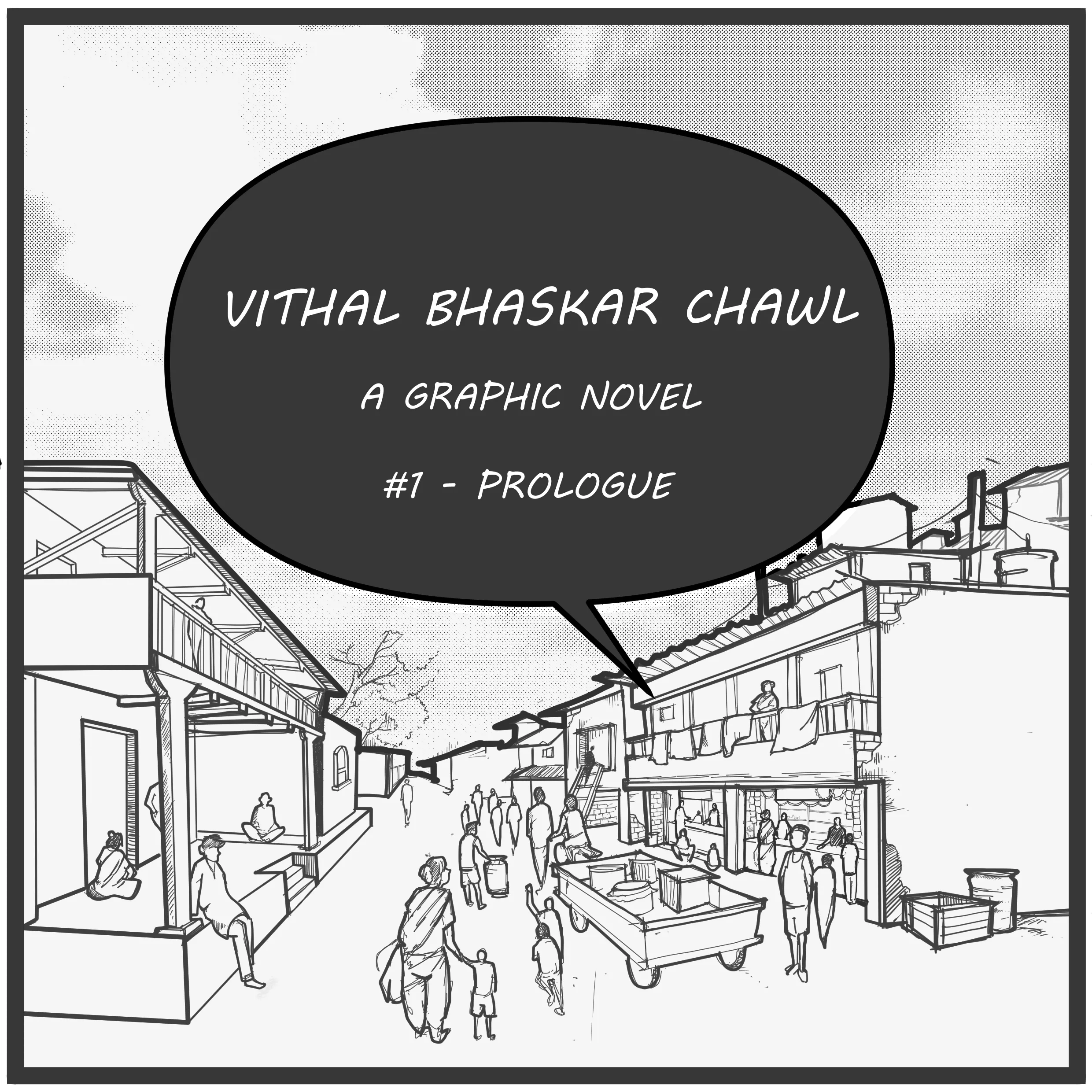
We are excited to present the first issue of a graphic novel about the Vithal- Bhaskar Chawl in Dharavi Koliwada. This issue sets the historical context for the issues to follow - where we draw and tell you more about the participatory redevelopment project initiated by the residents.

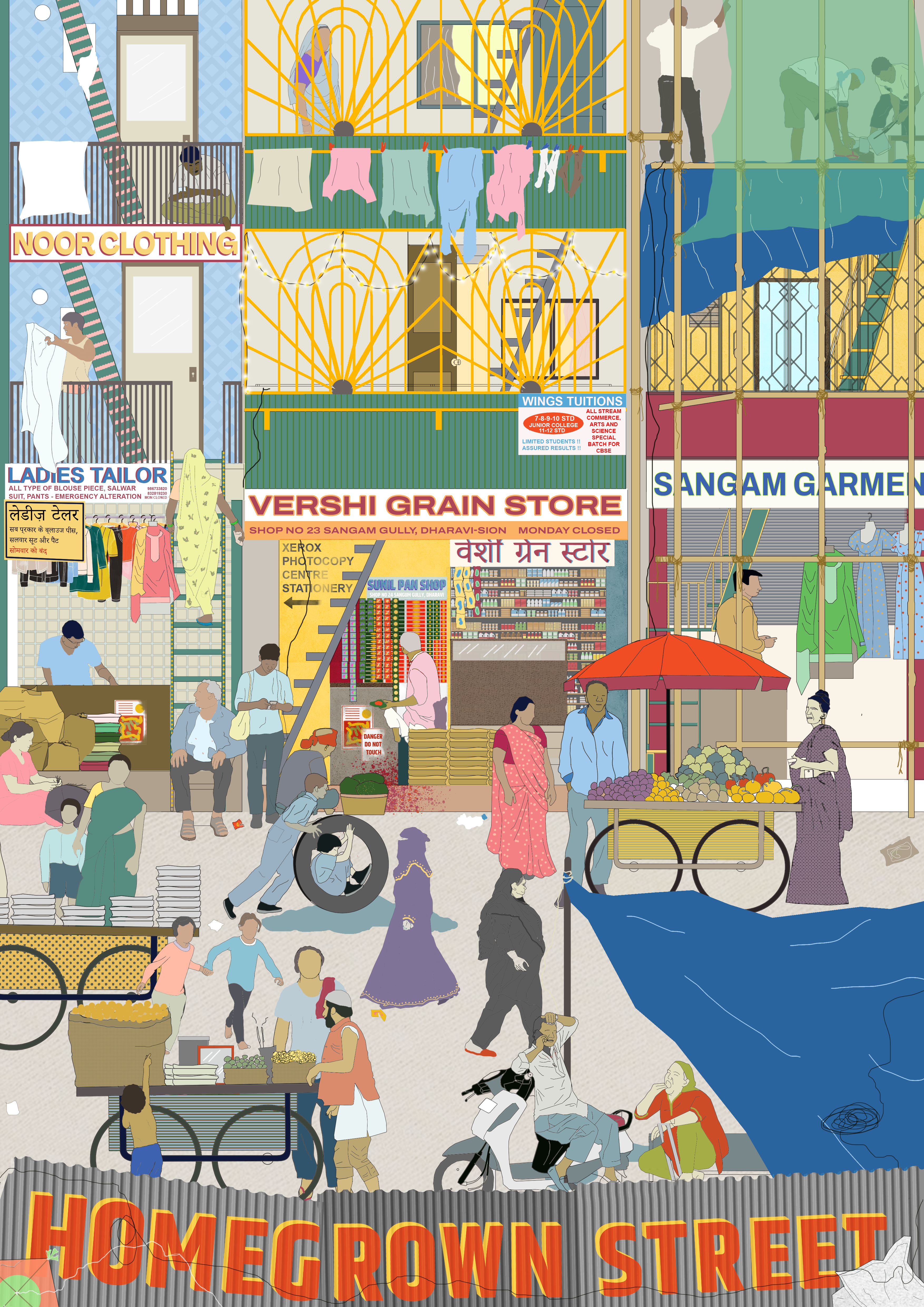



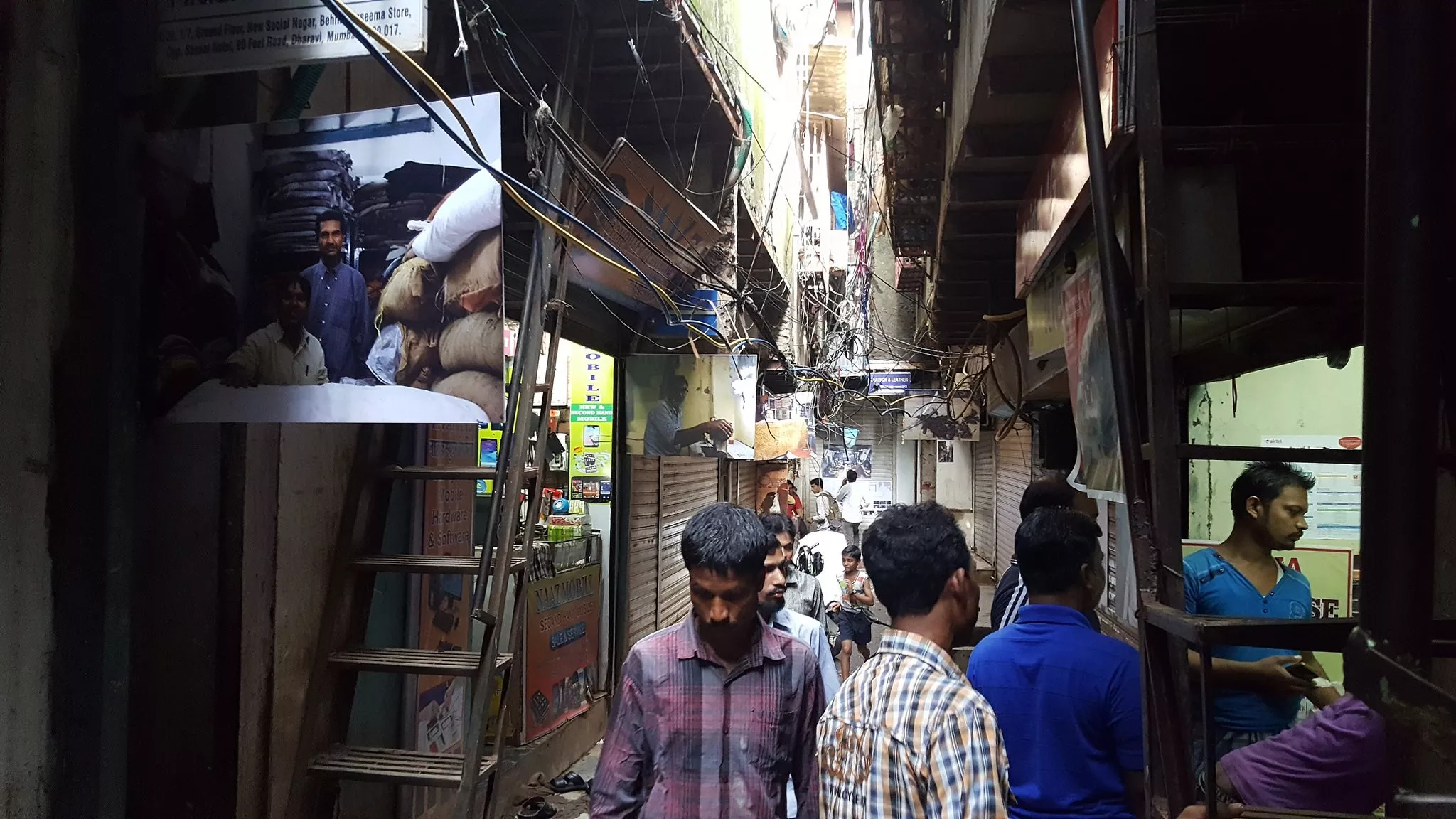
Why is there a Bareilly street in Dharavi when Bareilly is infact in Uttar Pradesh?

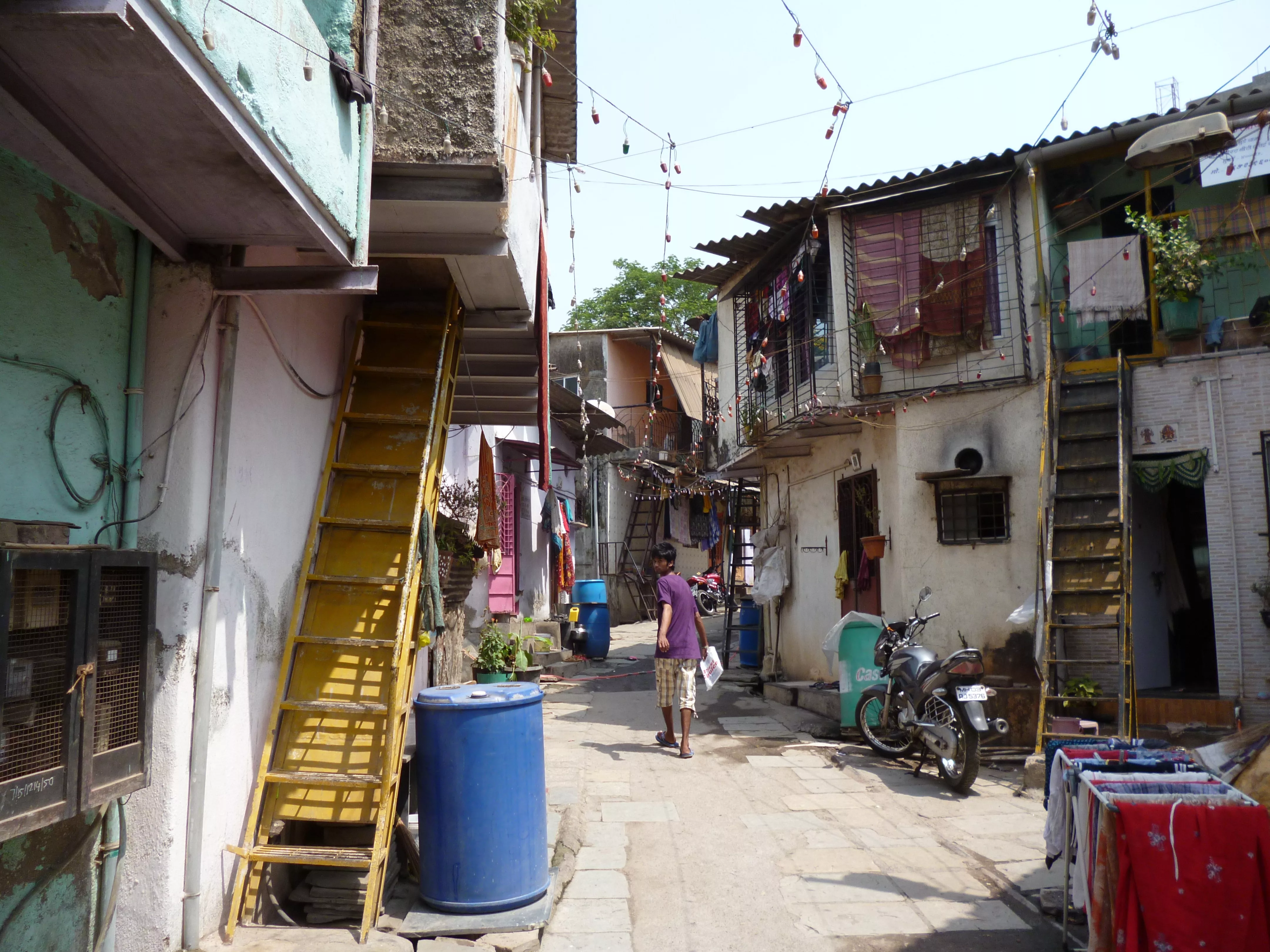
Behind the famed Renaissance hotel by the Powai lake is a small, homegrown village called Paspoli which is home to the workforce of the hotel.


Street vendors in Dharavi

What the world’s largest city can teach us about local development (The Hindu 16.02.2019)
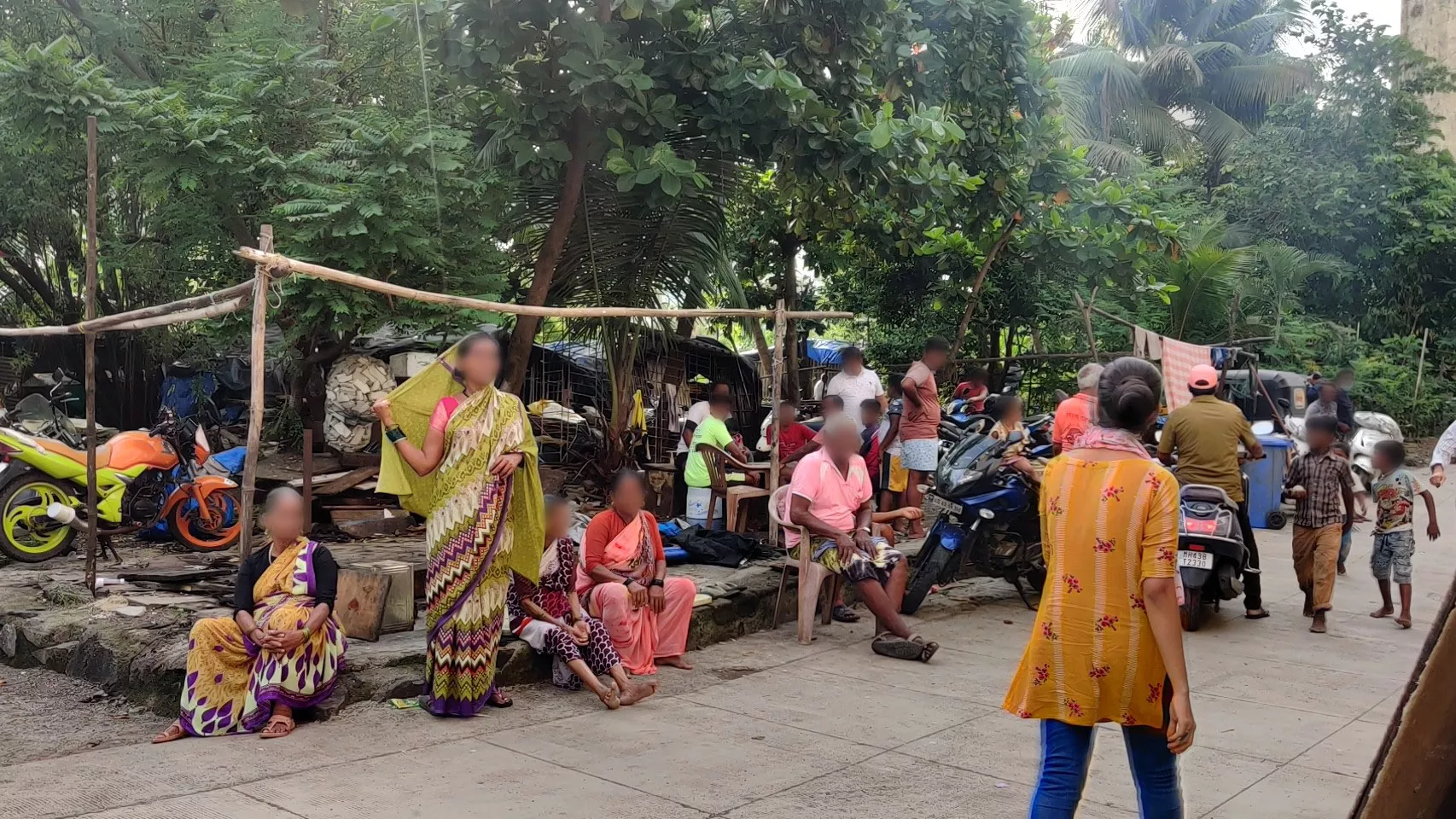
In continuation to the last article on place making in an urban village, we explore Diwale goan to understand various collaborations.