Dharavi Weekly 02
Authors
Authors


Dharavi Weekly 02
Authors
Authors
Related articles
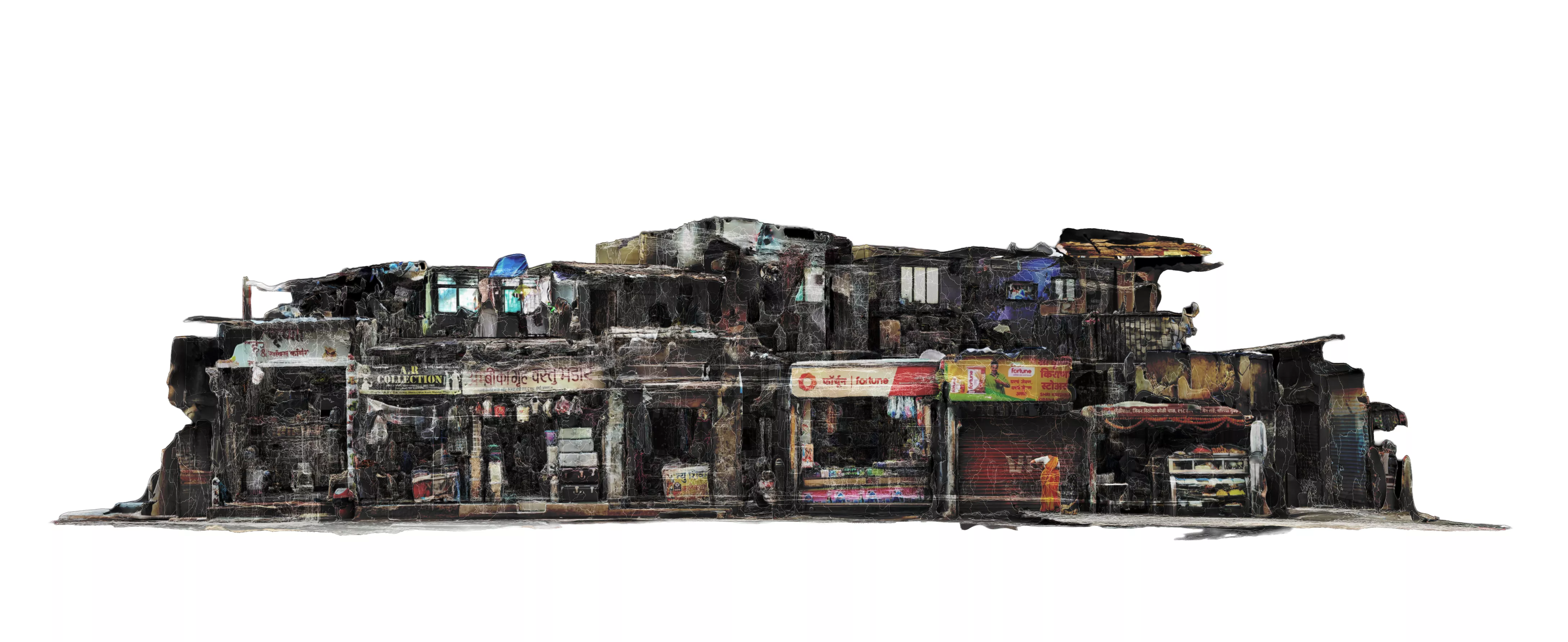
The following text recounts Paarth and Abhay’s experience measuring a plot of land owned by Ramesh Koli and his family. The plot includes a house and 7 shops that face the street. The family hopes to redevelop the plot with urbz.
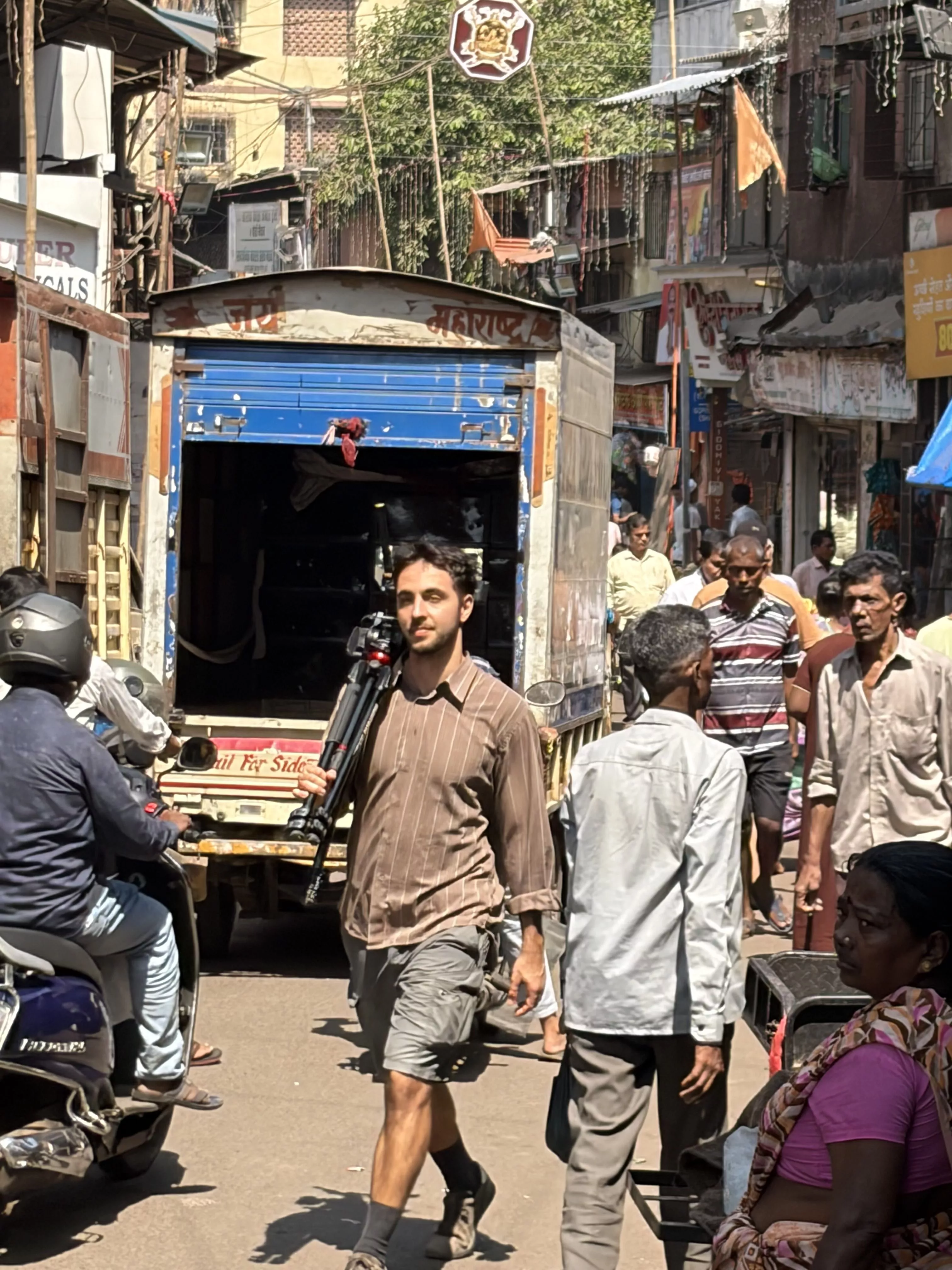
An interview with Liron Shalit, our filmmaker-in-residence. He is an award-winning documentary filmmaker focused on social issues, human rights, and ethical urbanism. Recently, the urbz office hosted a screening of his film Living Euljiro that traces the neglected losses of those living within a centuries-old district of maze-like alleys at the heart of Seoul (Synopsis). We speak to him about his craft, his lessons from Euljiro, and his time here in Dharavi.
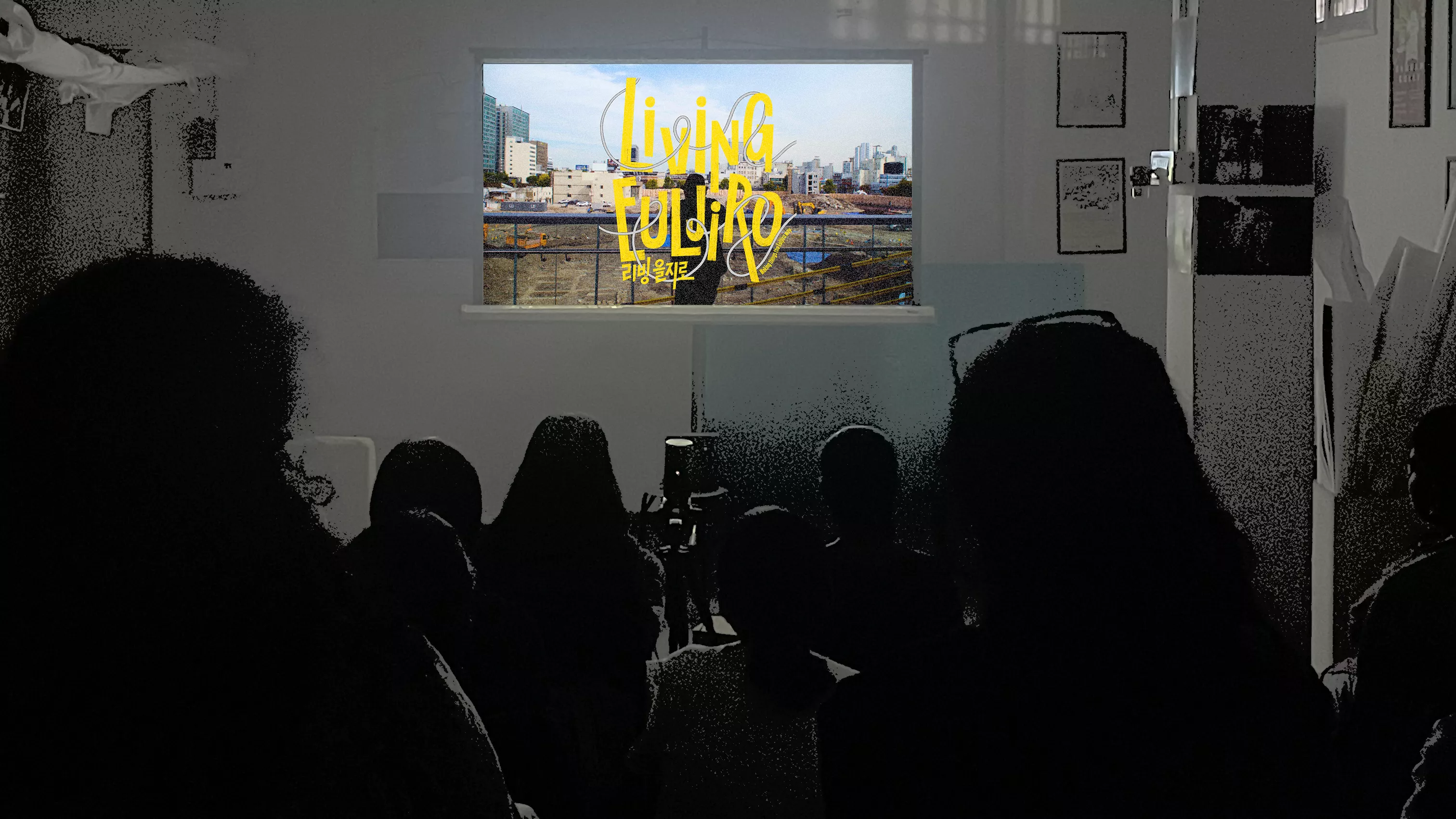
Living Euljiro is a film directed by Liron Shalit. Liron has been creating award-winning short documentaries since 2017, exploring themes such as social issues, human rights, disability, natural disasters, and urban life. Since relocating to Seoul in 2022, he has focused on documenting disappearing spaces and communities, capturing the distinctive culture of Euljiro and the stories of the people who live and work there.
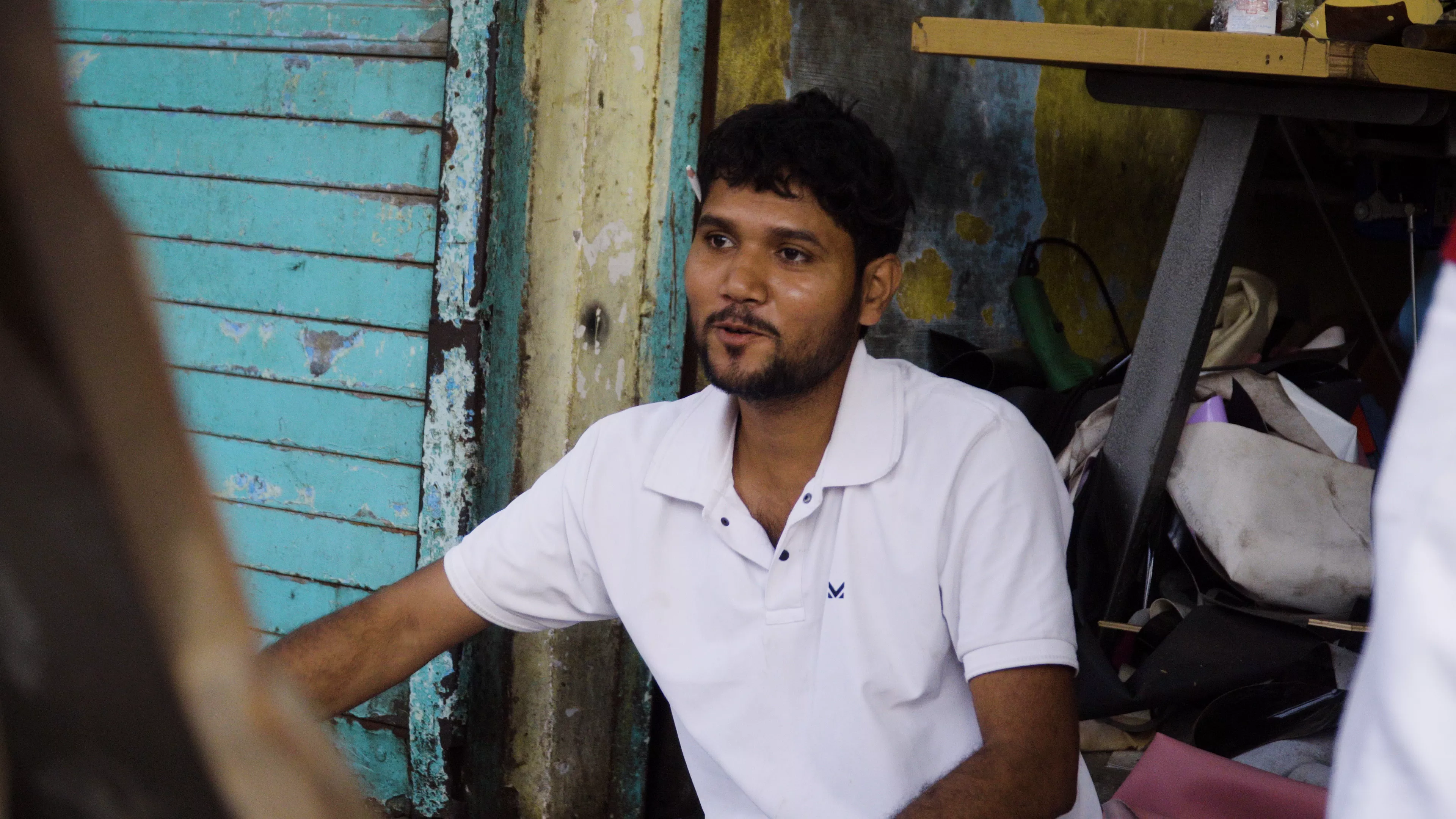
In Mumbai, autorickshaws are more than everyday transport; they’re personalised spaces on wheels. Drivers express parts of their identities through small interior details. From a tiny shop in Dharavi, Nanu Woodwallah designs and stitches these custom interiors. Carrying forward his father’s craft, he transforms standard rickshaws into distinctive, character-filled environments.
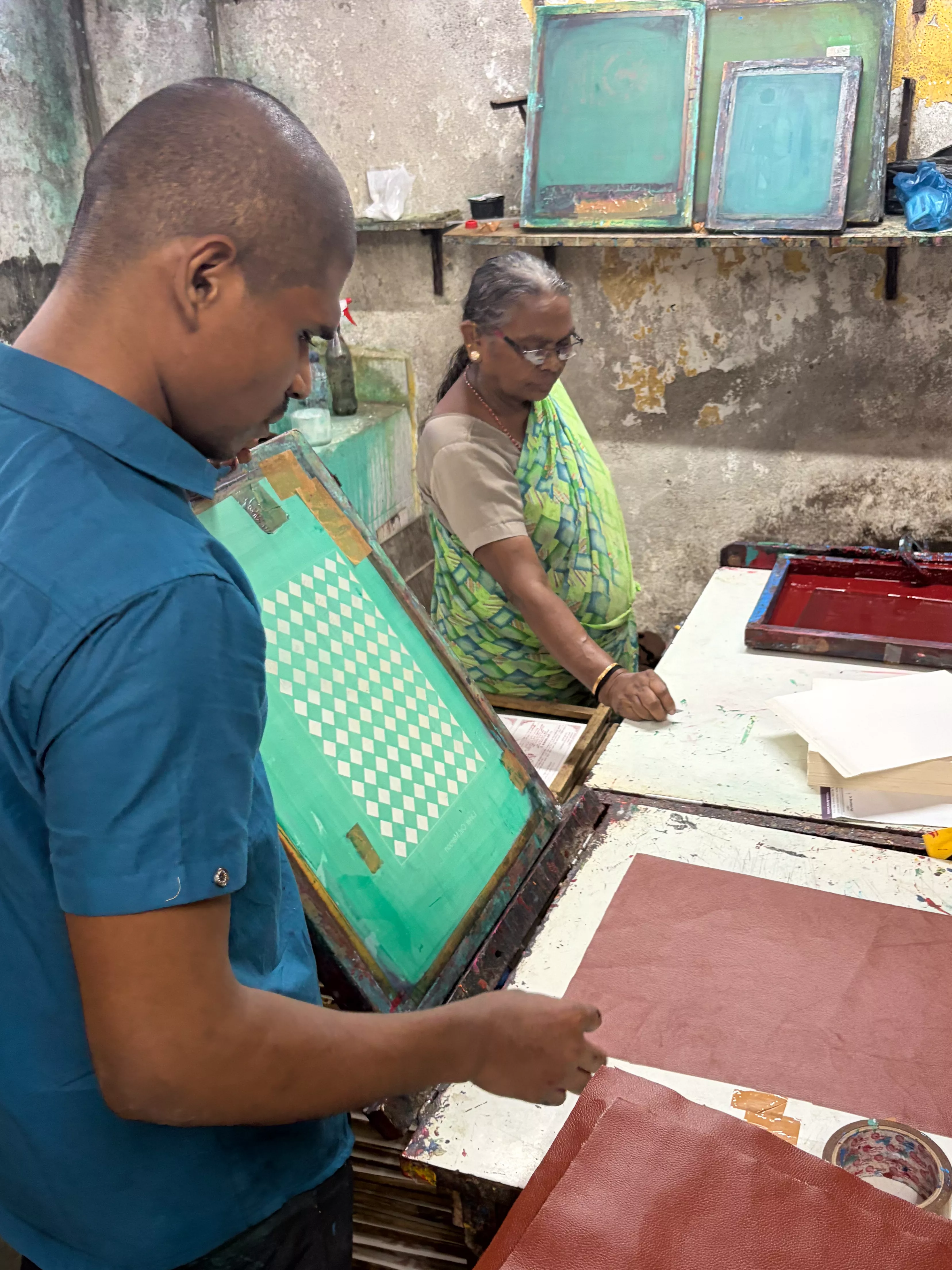
In a lane off the bustling 90 Feet Road in Dharavi, there is a tiny studio dedicated to all types of screen printing. Laxmi and Mani are an unlikely duo that expertly handle the screenprinting needs of customers across the city. They talk to us about a lifetime spent in the industry.
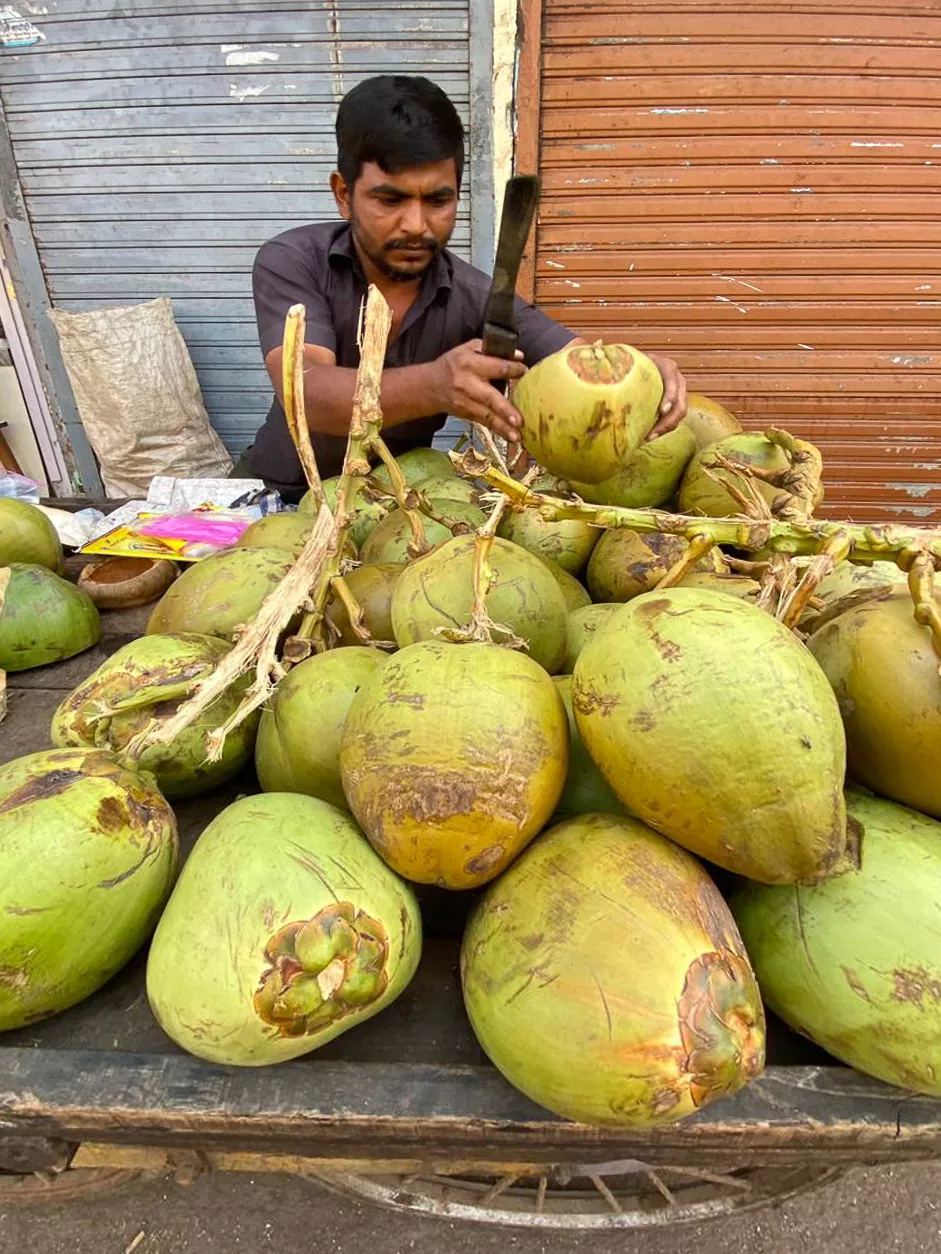
As the title suggests, Life Got Better with Coconuts for Kausar Shaikh. He came to Mumbai 15 years ago, leaving his family farm in Jharkhand, because he was not keen on agriculture and was seeking a different path. Seeing other migrants from his region successfully start small businesses gave him the confidence to leave years of unstable work in Mumbai behind and become a thriving coconut vendor in Dharavi.
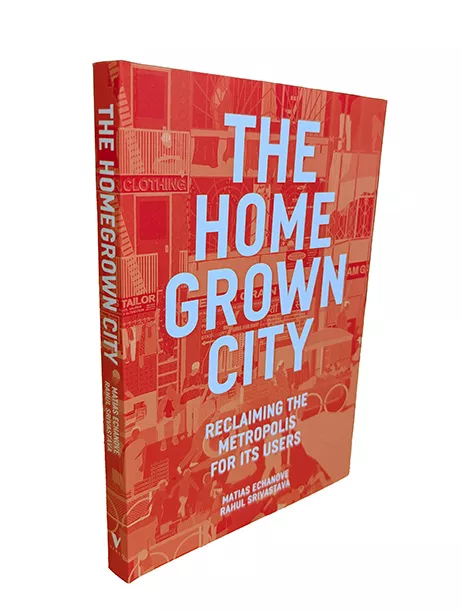
A new book by urbz co-founders, Matias Echanove and Rahul Srivastava, drawing on their learning from Mumbai, Tokyo and other cities where they have been active for over 15 years.

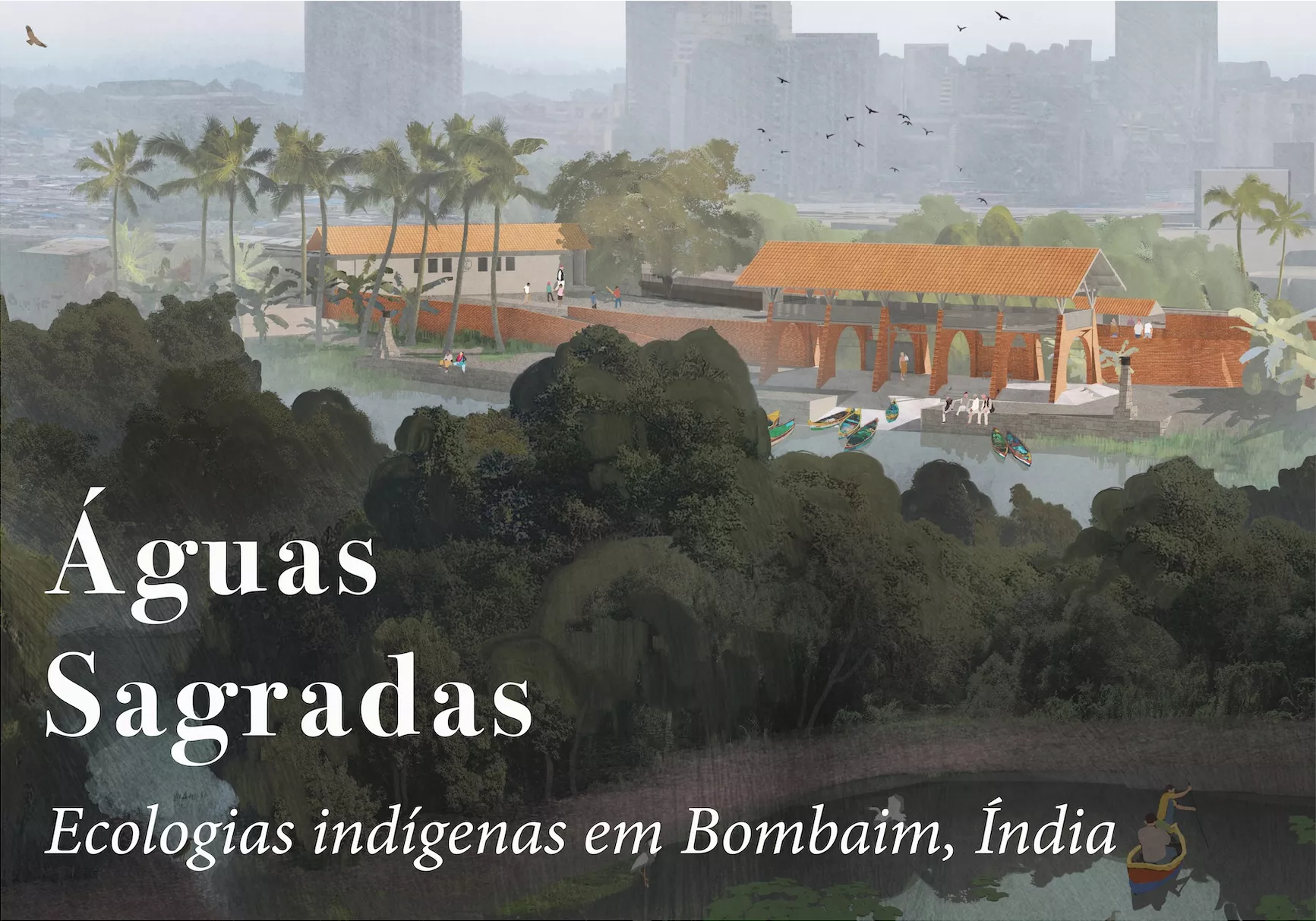
Our project with the Koli community of Dharavi - Sacred Waters/ Águas Sagradas - made it all the way from Mumbai to São Paulo, for the @14th International Architecture Biennale at the Oca, Ibirapuera Park, São Paulo!

On a rainy afternoon, we visited Irfan’s workshop, somehow quieter than the surroundings. We assisted and watched him while he worked, and he narrated his story to us.
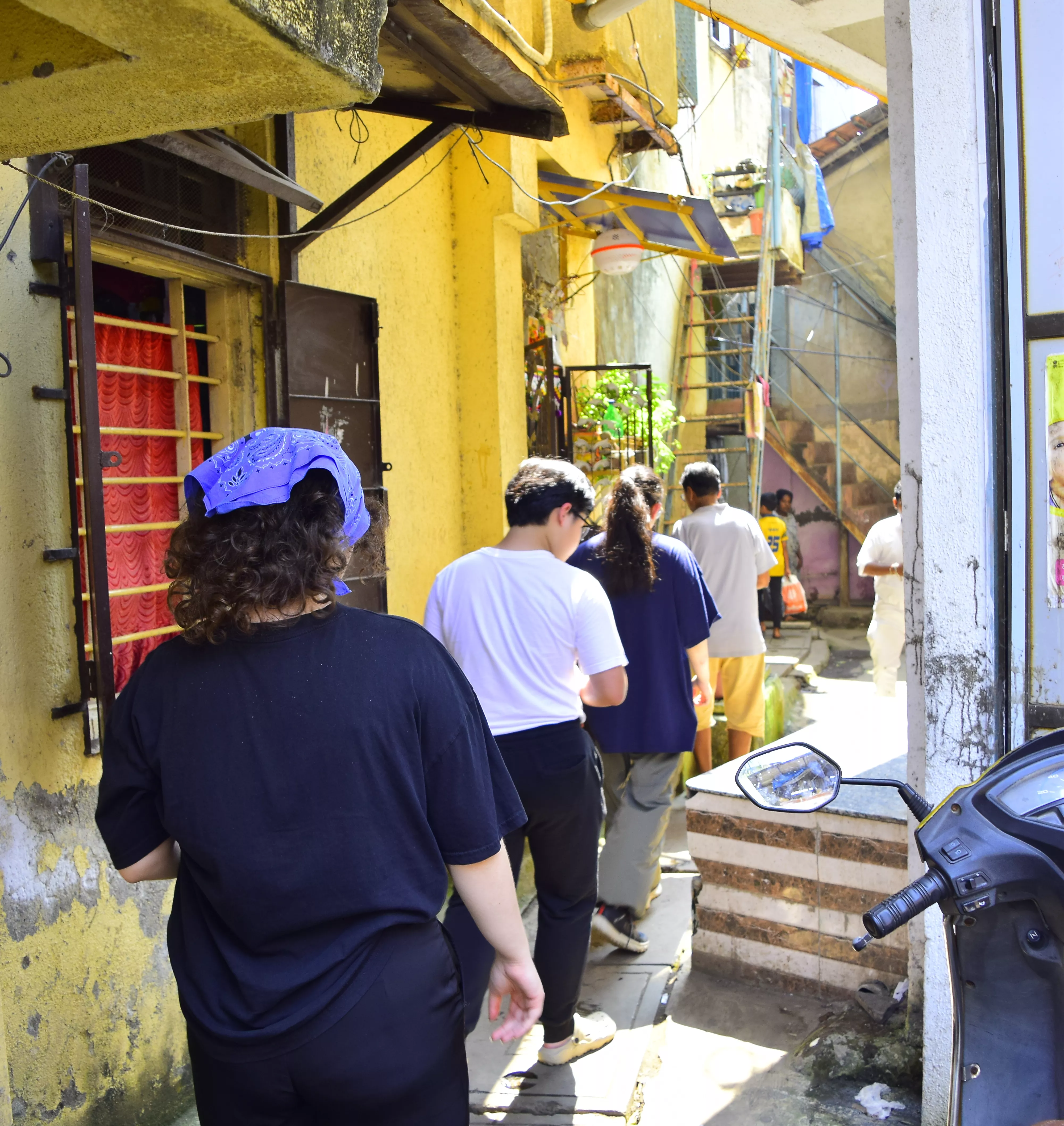
The Handstorm workshop in Dharavi, with the Engineers for Social Impact from NYU, Abu Dhabi took place for the second time this year in October, 2025. We walked through the lanes of Dharavi Koliwada, observing Water in the diverse and unexpected paths that it took to and from people’s homes. Students diligently followed the water, listening carefully to the stories it had to tell.