Dharavi Weekly 01
Authors
Authors


Dharavi Weekly 01
Authors
Authors
People involved

Related articles
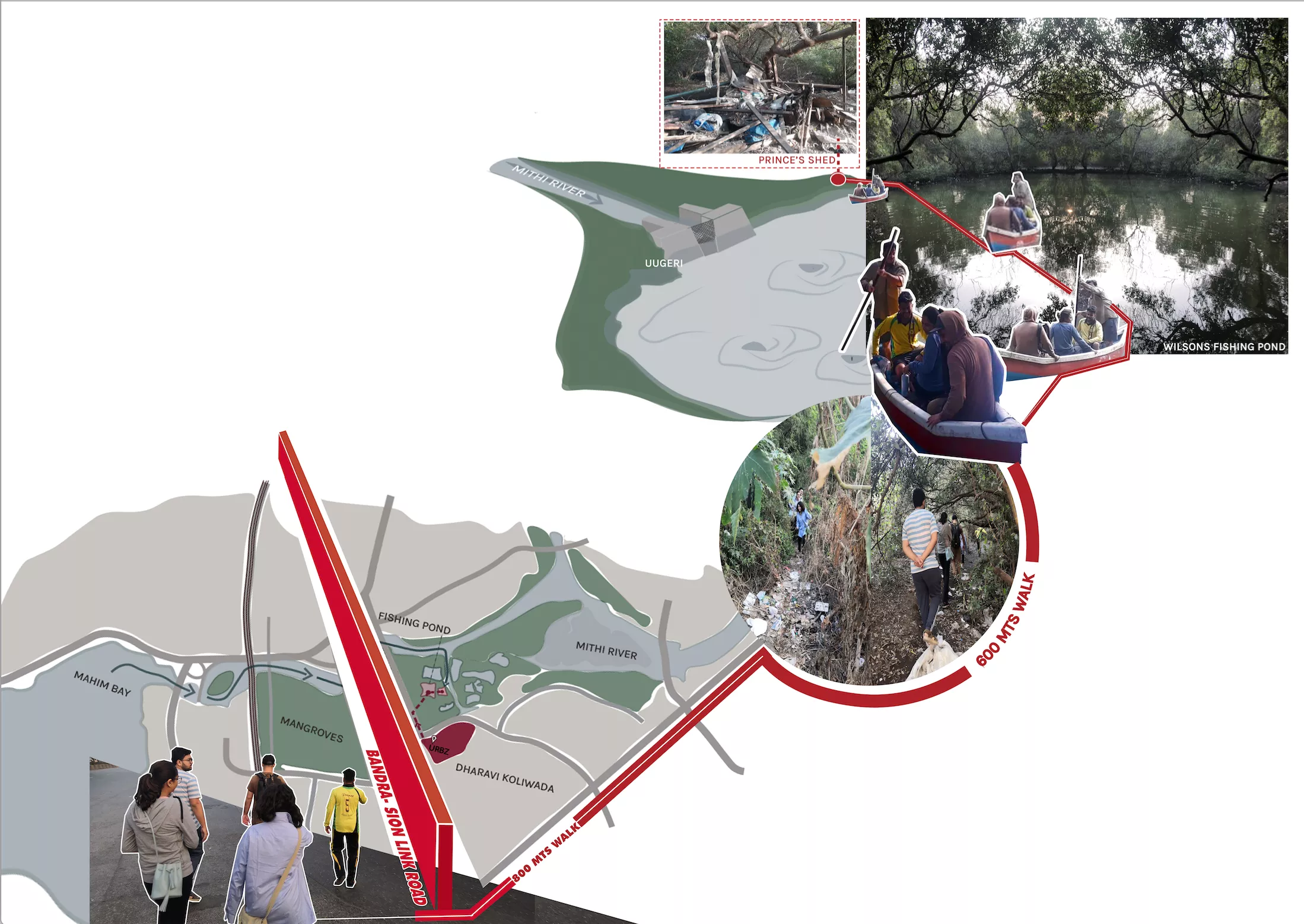
Over the last few months, we at urbz have been talking about interventions to engage with the ecological and economic aspects of the mangroves. So we went on an expedition to explore the mangroves near Dharavi.

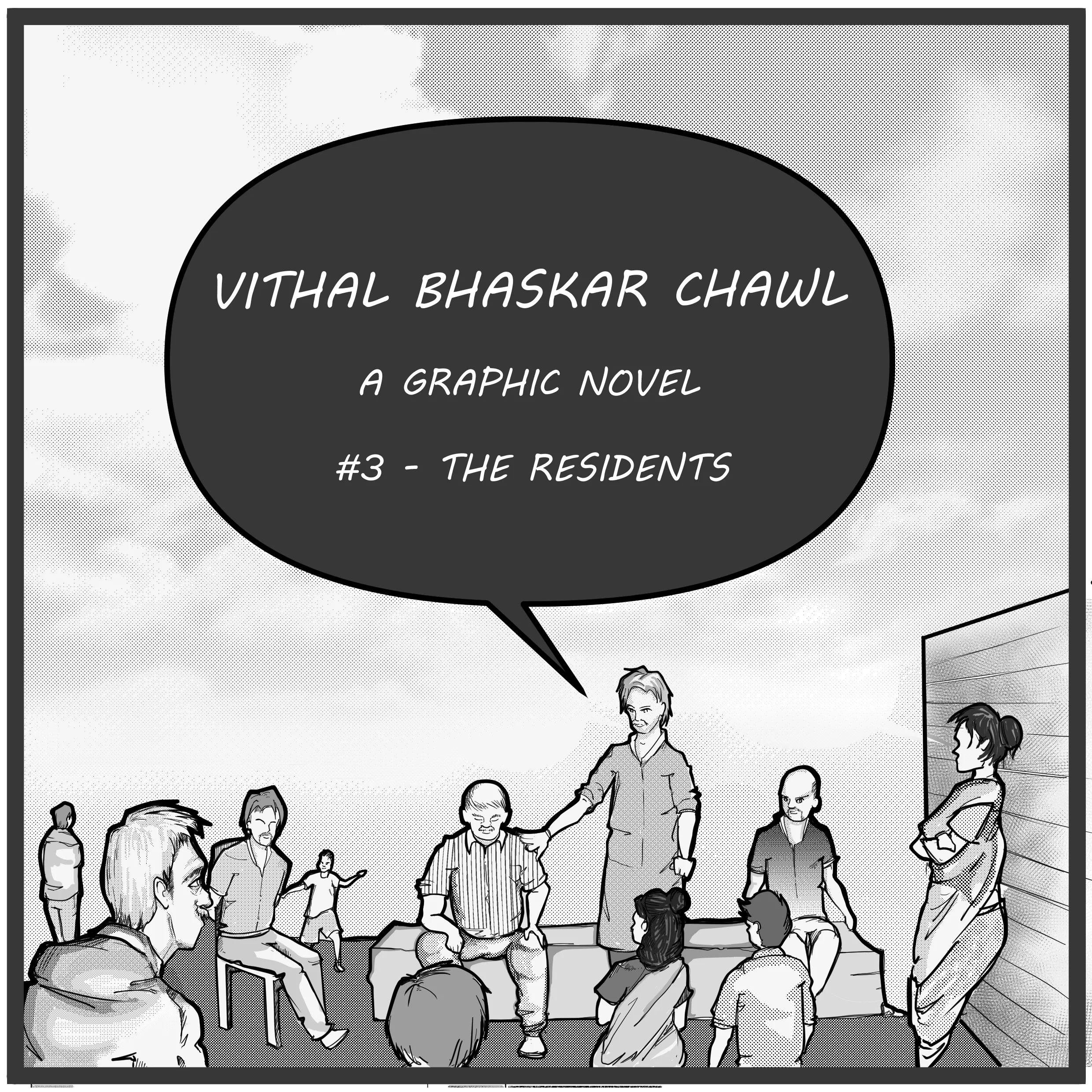
Issue 3 is out now! We open Pandora's box to discover the residents concerns.


Studies, workshops, street exhibition and plans towards making a small square in Dharavi children friendly

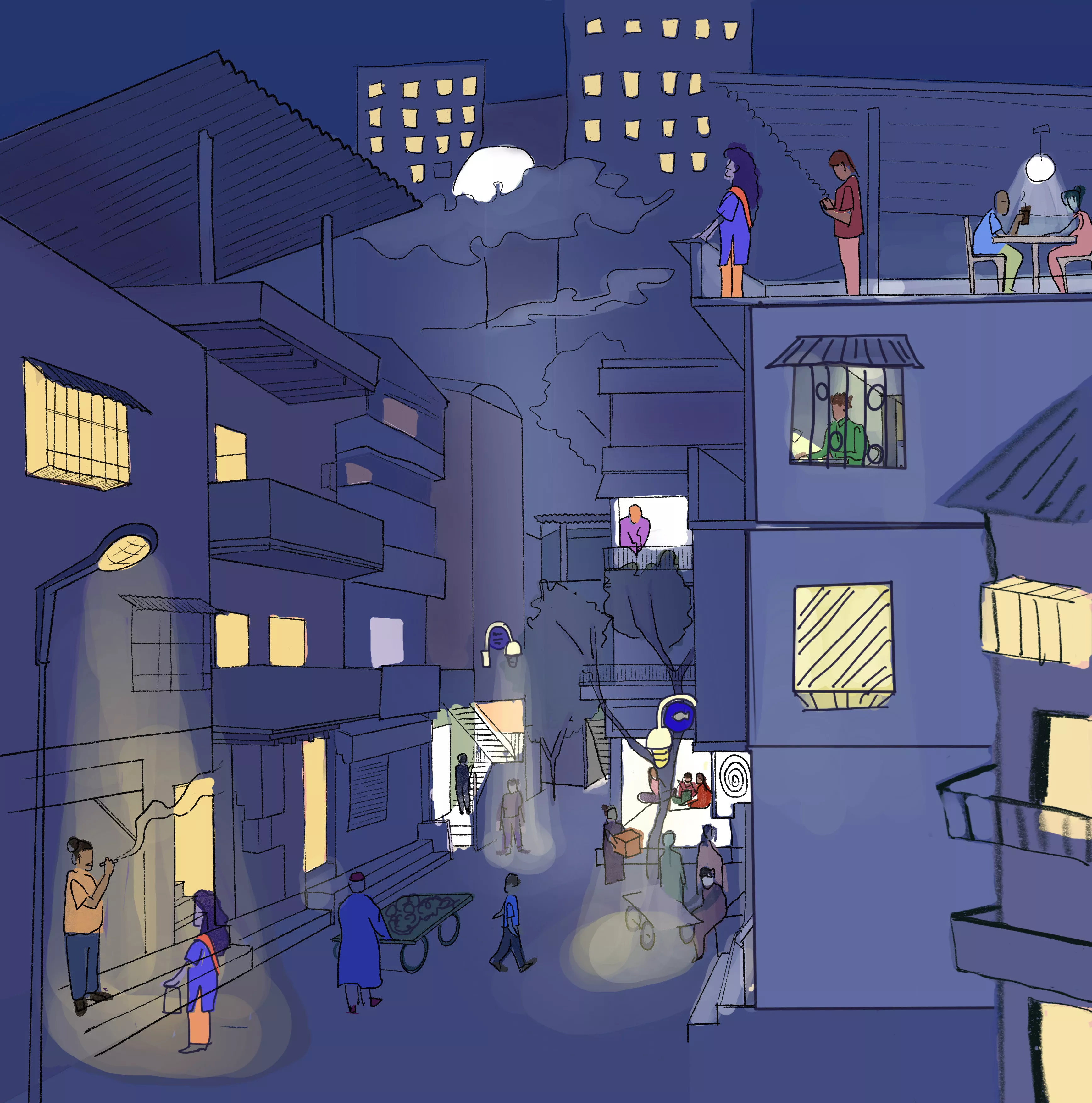
As part of the ABCD project, street lighting emerged as an urgent need for the residents of Dharavi Koliwada. A need that was addressed through a year-long collaboration between urbz, the Dharavi Koli Jamat, local electricians and residents. Read about how the process unfolded and what comes next.

This compilation of prose and poetry emerges from the most incredible time I spent in Dharavi working with urbz Mumbai.
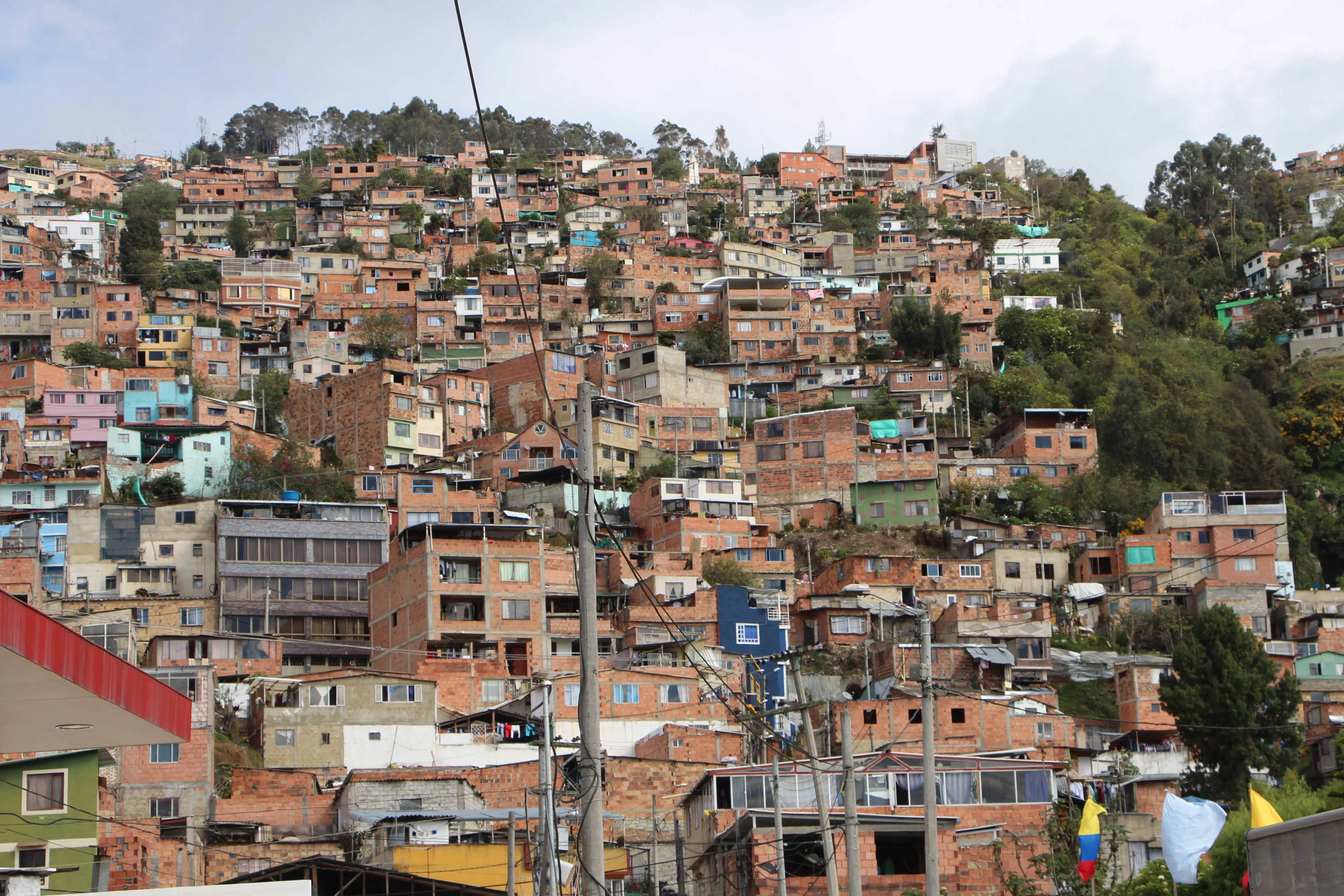
Started after a dynamic collaboration in Mumbai where team Colombia helped construct an office in Mumbai, Bogota announces itself and makes plans for the future.

An architectural and design practice that works with local builders and residents to create projects embedded in neighbourhoods’ cultural and economic fabric.
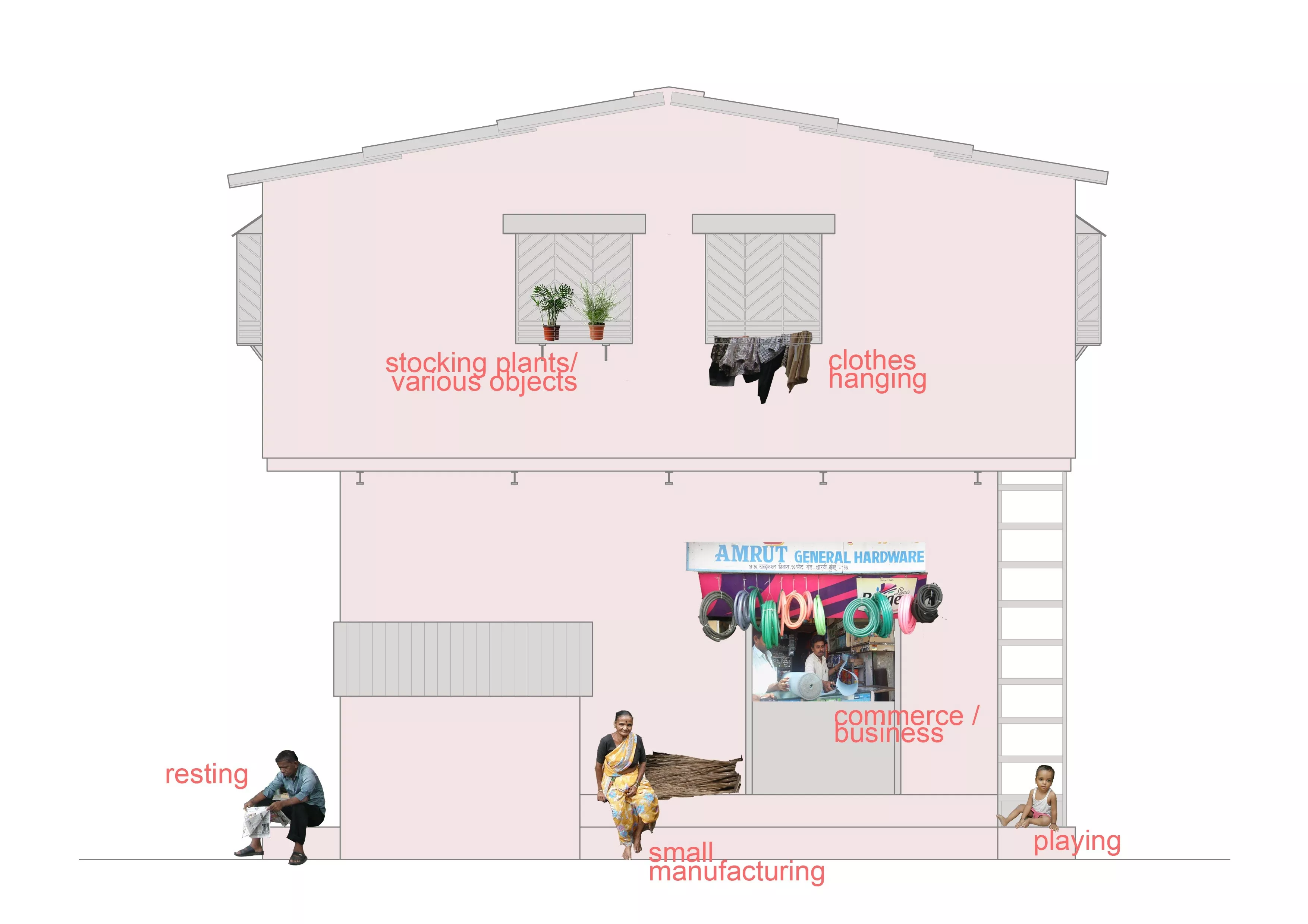
In the chaotic, overcrowded and over dynamic environment of Dharavi, space is the main resource. Every inch of space has its use and is exploited to its fullest.

For many years, the inhabitants of the San German neighbourhood (located in Usme, in the metropolitan area of Bogota) have been developing many different projects on public space improvement and infrastructure, which permitted the amelioration of living conditions. The main goal is to promote projects of community improvement on social and cultural levels of the San German community.

This is the second weekly report on how Dharavi is dealing with the pandemic and the government's response to it.