Dharavi Weekly 01
Authors
Authors


Dharavi Weekly 01
Authors
Authors
People involved

Related articles
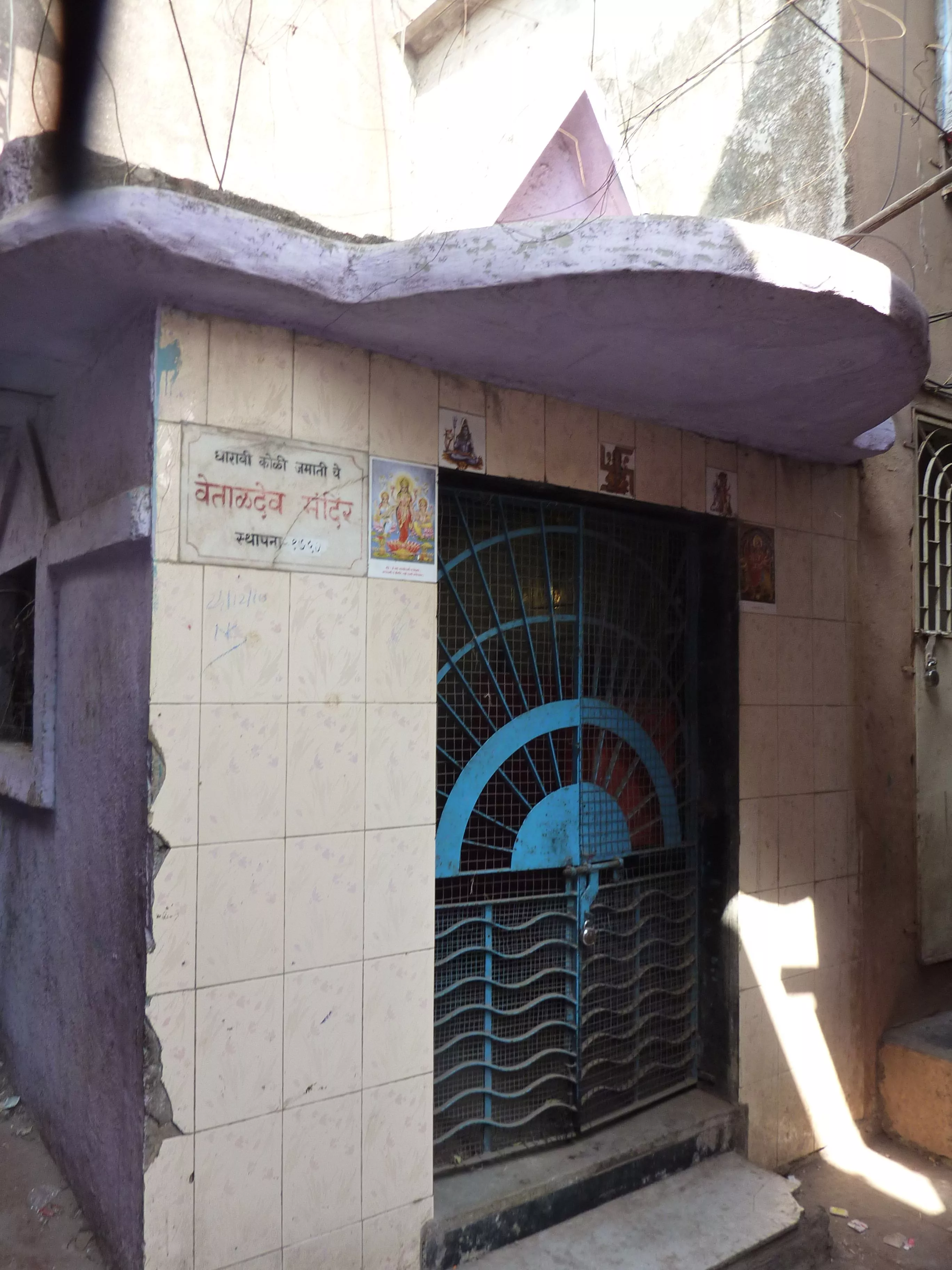
The number of religious sites in Dharavi is practically infinite. Small shrines and large temples dot the courtyards and roadsides with incredible density.

What the world’s largest city can teach us about local development (The Hindu 16.02.2019)
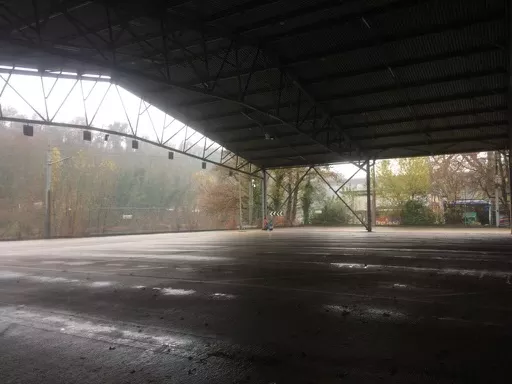
This text explores some reflections Andreas Ruby started to develop when participating in the workshop "Limites x Limites", organised by Aidec and ConstructLab, which questioned the uses and design of a future park in Geneva's iconic neighbourhood "Jonction".
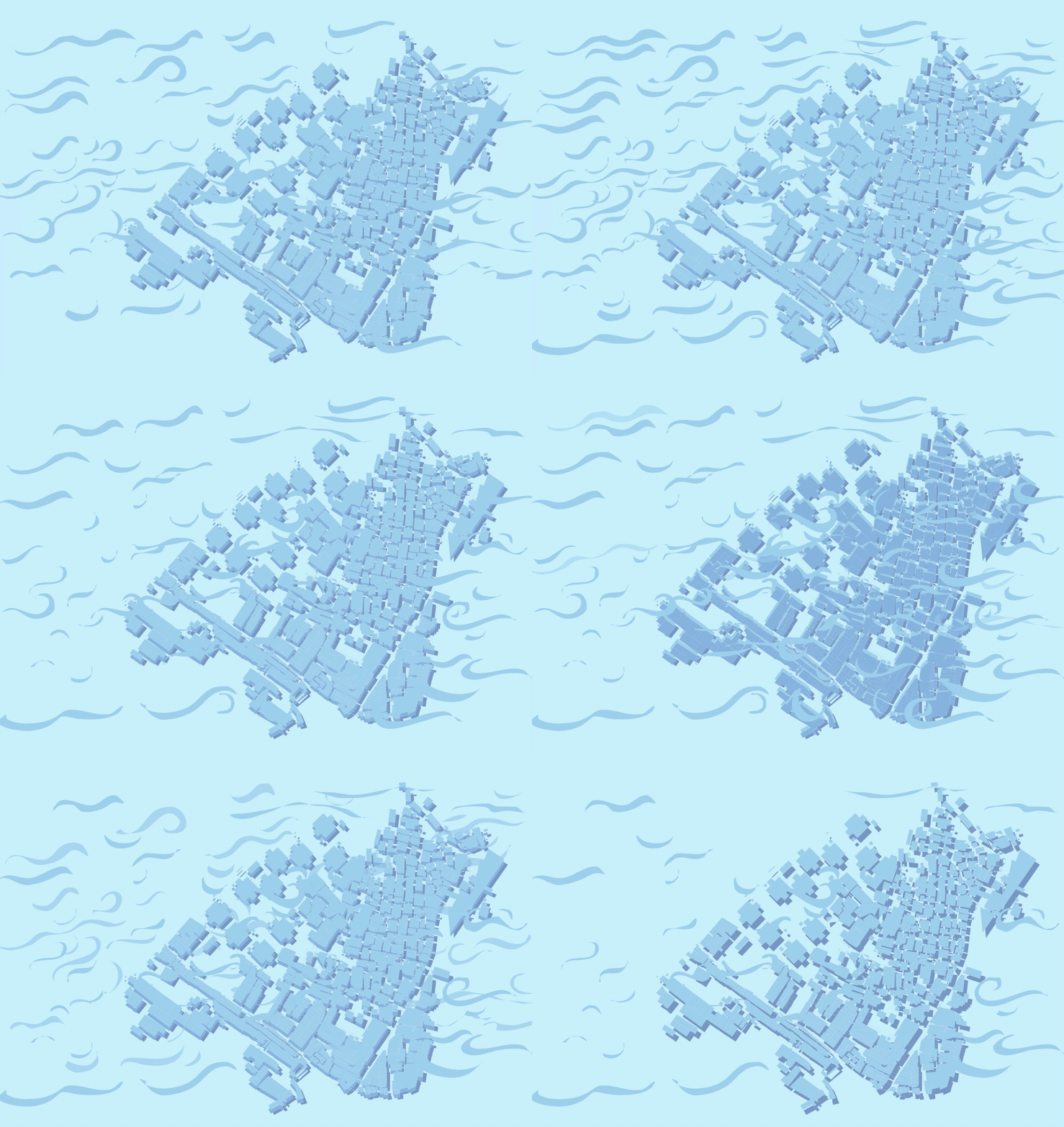
Koliwada's are fishing hamlets in Mumbai city and unlike most settlements, they extend beyond terrestrial boundaries. The waters of rivers, creeks and seas, all form part of an amphibious habitat that is integral and deeply familiar to the Kolis.
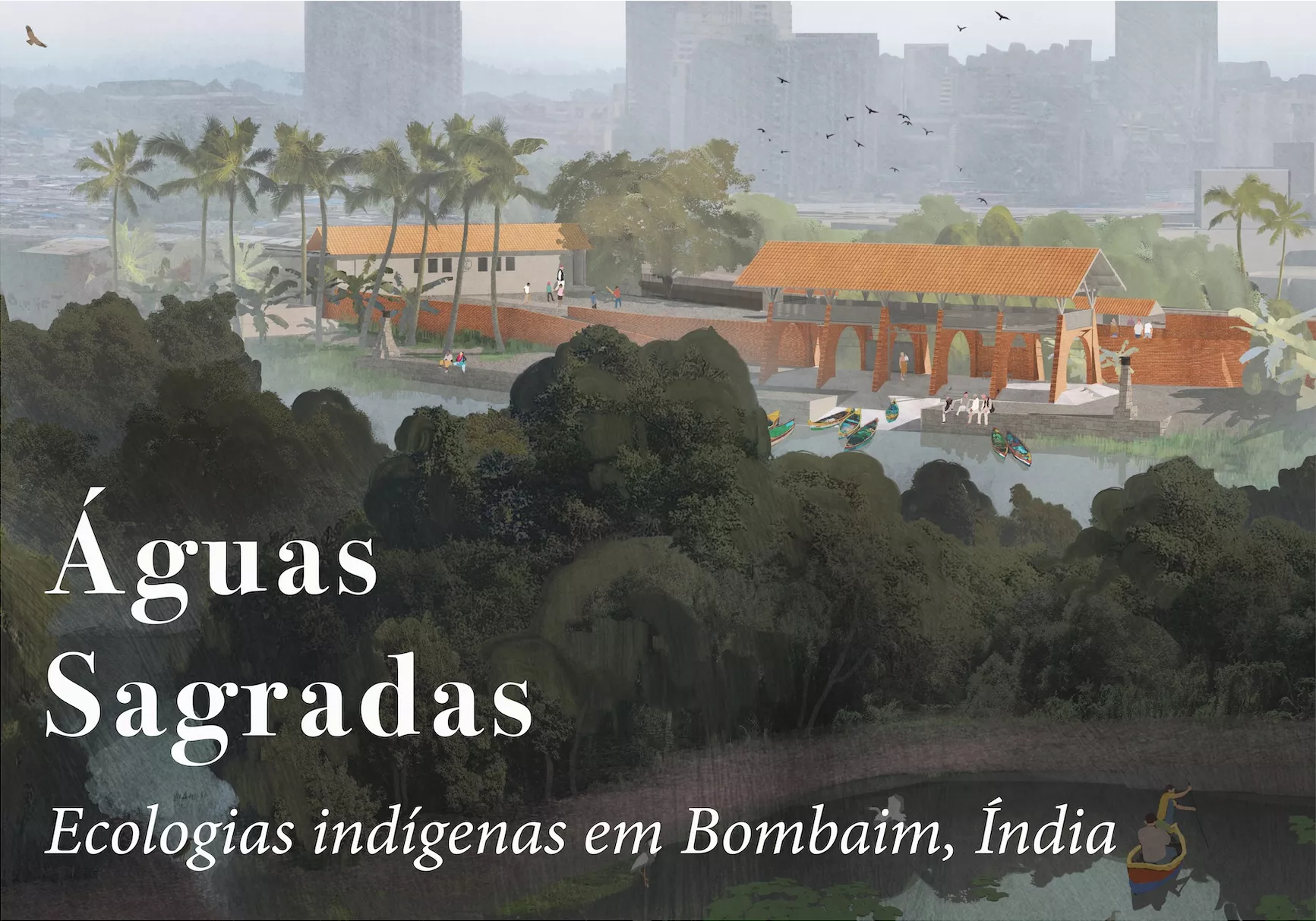
Our project with the Koli community of Dharavi - Sacred Waters/ Águas Sagradas - made it all the way from Mumbai to São Paulo, for the @14th International Architecture Biennale at the Oca, Ibirapuera Park, São Paulo!
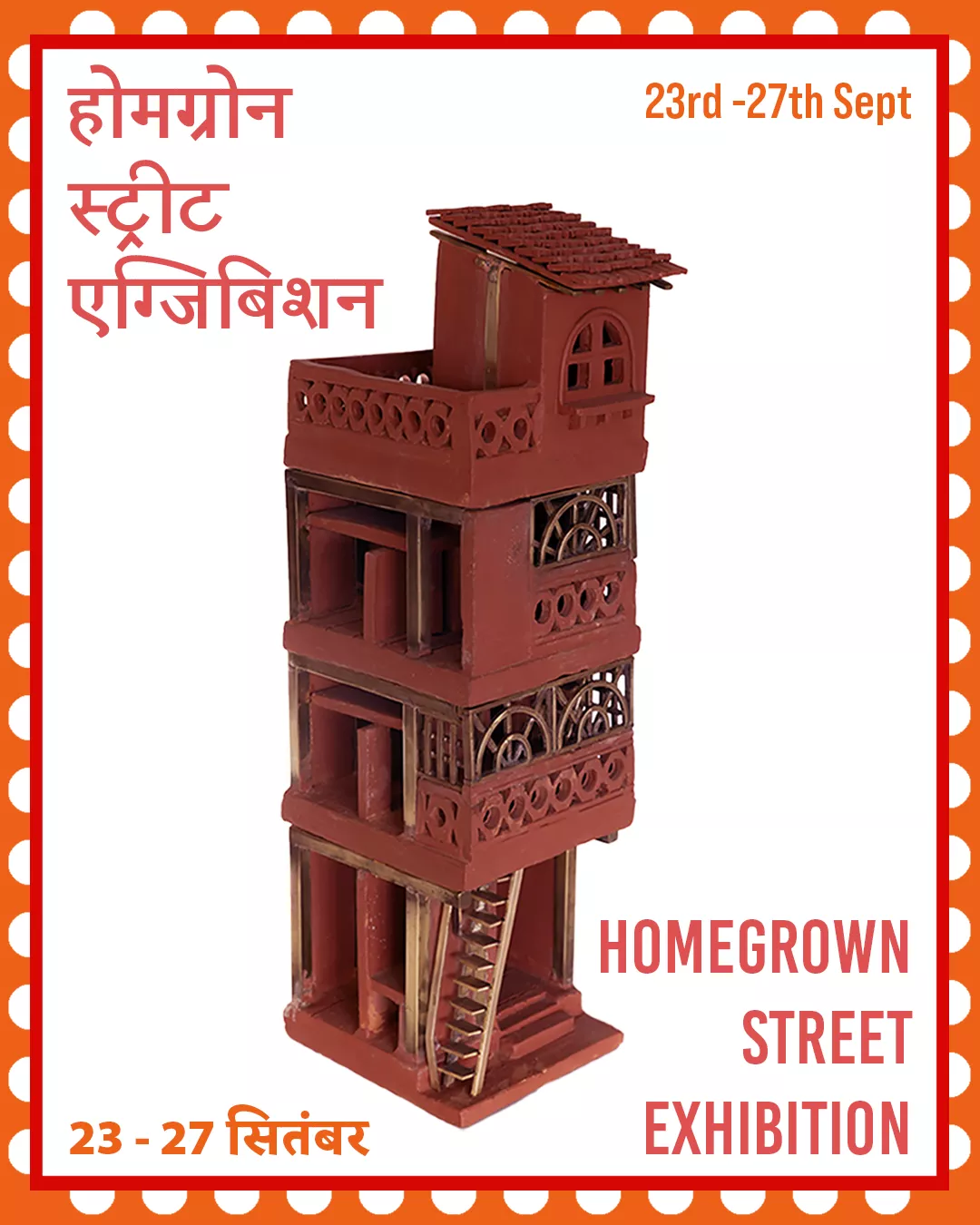
Join us to celebrate the talent and skills of local builders in Homegrown settlements!

The Breaking Ground Workshop in Geneva involved some interesting comparisons with density levels in Mumbai. Learnings from one space were strong inputs in discussions at another.

Drooging around the informal economy, exploring the city’s streets that are dedicated to the production of goods and objects
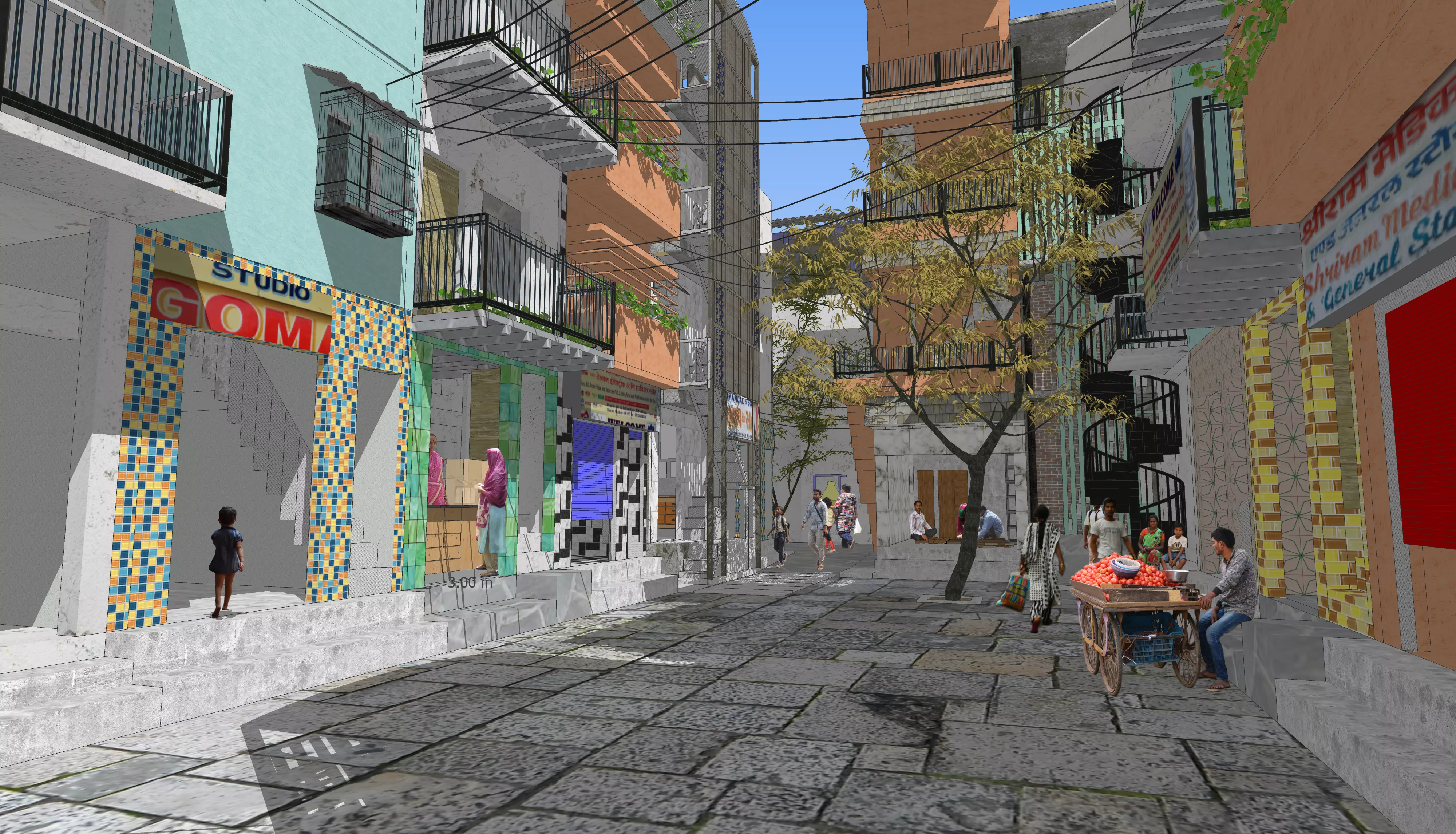
This animation presents what Dharavi could look like if it was allowed to continue develop incrementally. All designs in the video were conceived by contractors living and working in Dharavi, Mumbai, as part of the Design Comes as We Build project.