Beneath the Samvidhan Chowk: Shankar Jadhav's Story of Resilience
Authors
Authors

Beneath the Samvidhan Chowk: Shankar Jadhav's Story of Resilience
Authors
Authors
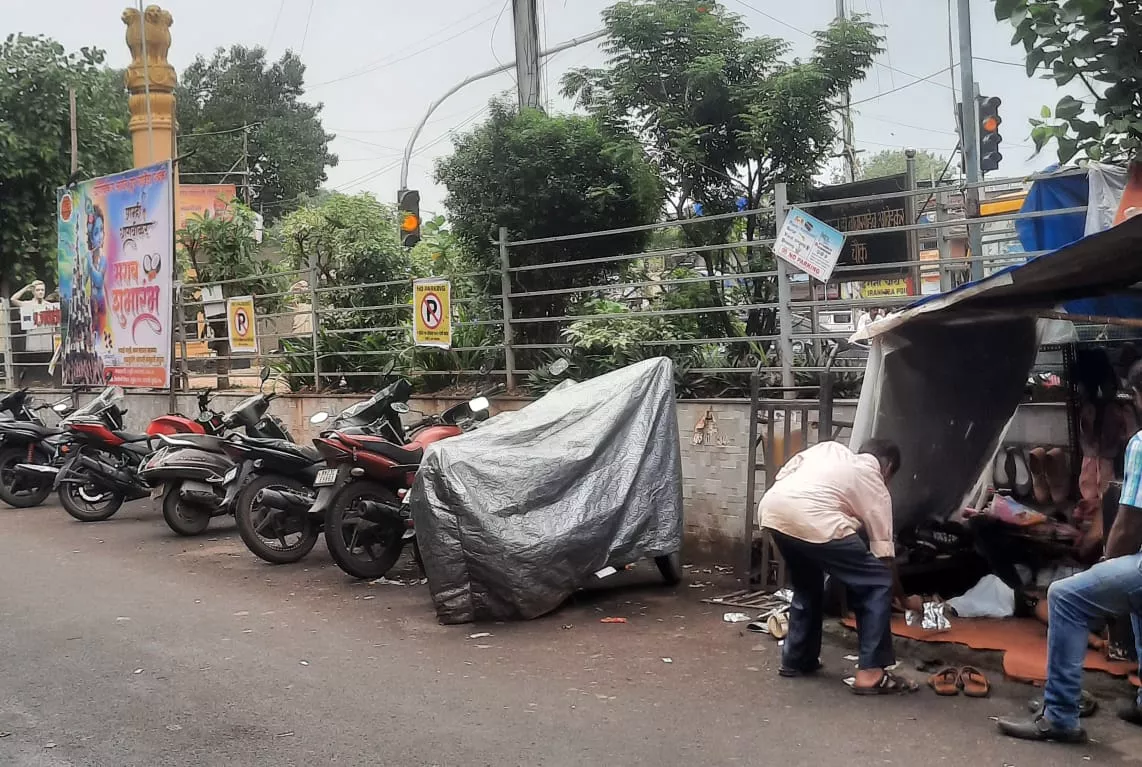
The air in Dharavi hums with the rhythm of survival —vendors calling, footsteps echoing, and the faint clink of tools on leather. At the heart of this ceaseless pulse, beneath the proud silhouette of Samvidhan Chowk, sits Shankar Jadhav, a 61-year-old cobbler whose weathered hands stitch more than shoes. They weave a life of defiance, dignity, and quiet devotion. Over the steam of his tenth cup of chai, Shankar's voice carries the weight of decades, his words painting a vivid portrait of a man who has made a corner of Mumbai his own.
Shankar has lived in Dharavi all his life, as did his father before him. His grandfather, from rural Maharashtra, migrated to Dharavi in search of socio-economic mobility, spurred by Dr.Ambedkar’s call for Dalits to seek opportunity in cities. In the early 20th century, Mahars flocked to urban centers like Mumbai and Nagpur, hoping urbanization would erode the rigid caste-based stratification that confined them. For Shankar’s family, Dharavi became home—a place where dreams of mobility met the gritty reality of survival. Yet, within this crowded mosaic of workshops and homes, Shankar carved out his own space, his cobbler’s stall.
I met Shankar in his small workspace under the Chowk's shadow on a sun-soaked afternoon. His tools—a hammer, a few nails, and a worn leather strap—lay neatly arranged, each item a testament to his craft. He sipped his tenth chai, the cup's warmth cradled in his calloused hands, and began to unravel his story. A Mahar by birth, Shankar was born into a caste which was ostracized, stigmatized and tied to sanitation work, a role society deemed his destiny. Yet here he sits, mending soles, a trade traditionally imposed by the rigid caste structures. "In Dharavi," he said with a wry smile, "we swap burdens, but they're still heavy."
A friend joined us as we spoke, adding another layer to the tale. A Chambhar by caste, he works as a sanitation worker, a mirror image of Shankar's defiance. The two men laughed softly, their camaraderie a quiet rebellion against the rigid lines of caste. "We've traded places," Shankar's friend said, "but we're still in the same arena." He gestured vaguely as if to encompass the continued discriminatory practices in India. Shankar nodded, adding a detail: "I'm the only Buddhist cobbler here. No one else in Dharavi does this work" His Buddhist faith, inspired by Dr. B.R. Ambedkar's teachings are a cornerstone of his identity, setting him apart in a community where caste and occupation often intertwine.
Shankar's workspace is no ordinary corner. Samvidhan Chowk, named after the Indian Constitution, is a place of pride; it's Ashoka Stambh gleaming under the sun. He led me around the square, his steps deliberate, pointing out the vibrant flowers. "I keep this place alive," he said, his voice tinged with pride and weariness. The Chowk's beauty is his doing, a labour of love born from early mornings spent sweeping and planting. Yet, not everyone sees the value in his work. "Some frail social actors," he said, his tone sharp, "think this job is low." Their scorn stings, but Shankar brushes it off, focusing on the Chowk's dignity.


His days begin long before the sun rises. Shankar wakes in the quiet hours when Dharavi's clamour softens to a murmur. He sits with a book, the pages worn from countless readings, his mind wandering through literature that costs anywhere from Rs. 10 to Rs. 1,000. Despite his modest earnings, he collects these books, each a small rebellion against the constraints of his life. "Reading feeds me," he said, his eyes bright. Food, however, two meals a day, one at noon, the other at midnight. These sustain him as he provides for a large family with two daughters and four sons, their needs pressing against his cobbler's income limits.
Dharavi is no ordinary neighborhood. Its live-work spaces, where homes double as workshops, set it apart from Mumbai’s so-called planned communities. Shankar’s stall, tucked under the chowk, embodies this ethos. Here, work and life intertwine, the clink of his tools blending with the hum of daily existence. This fusion increases efficiency, Shankar explained, his eyes glinting with pride. “In Dharavi, we don’t travel far to work. It’s all here, and it keeps life affordable.” The live-work model reduces costs, making survival possible in a city that often feels unforgiving.
The rhythm of Shankar's life is relentless but deliberate. After his morning reading, he takes his place under the Chowk, hammering and stitching as the world moves around him. The chai vendor knows his order by heart, delivering cup after cup to fuel his long hours. Shankar watches the square between customers, ensuring its flowers bloom and its pathways stay clean. The Ashoka Stambh, a symbol of justice, is a silent witness to his efforts. "This chowk is ours," he said, his voice firm. "We make it what it is."
Related articles
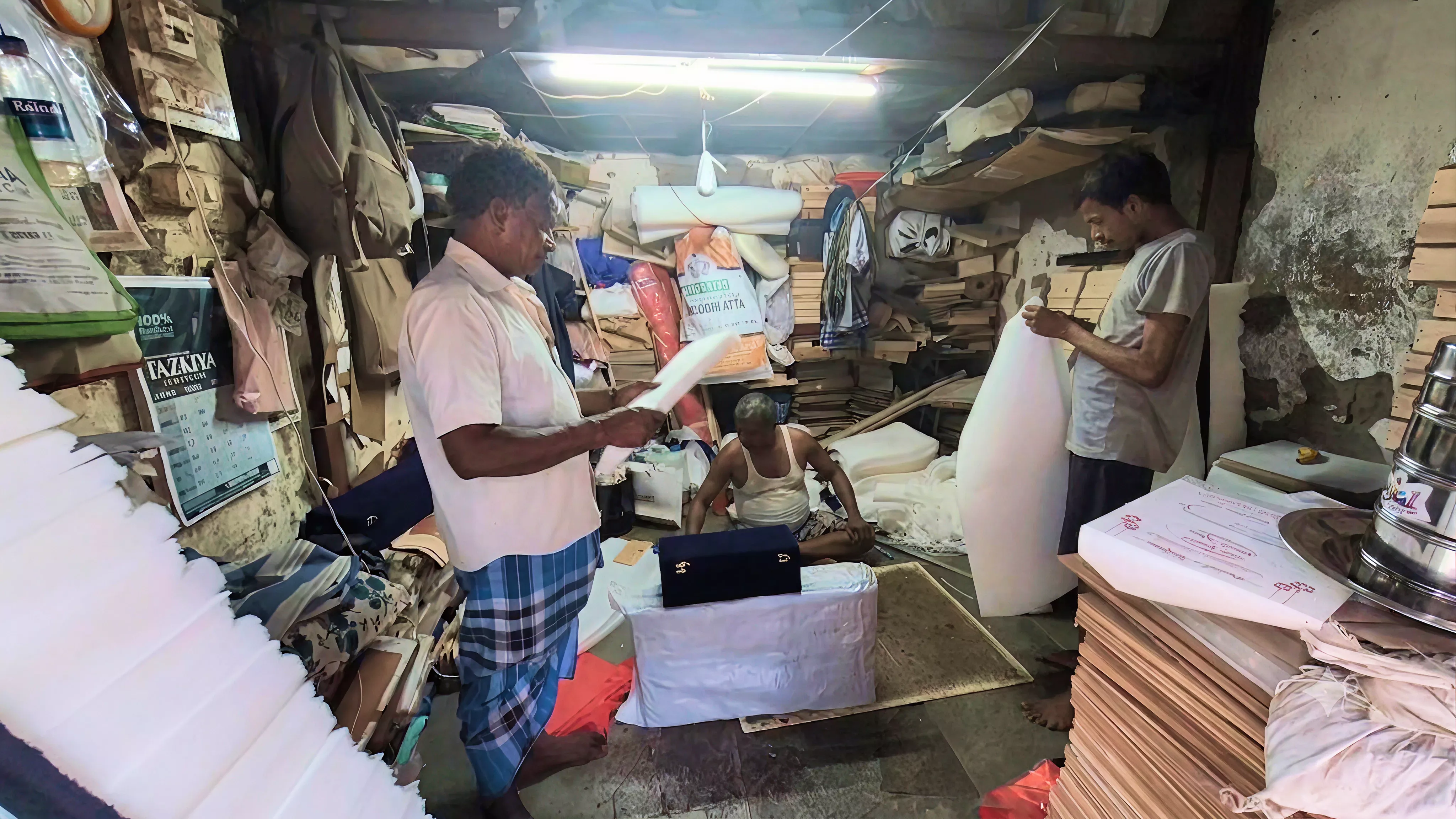
What happens when a home is also a workshop, a storeroom, and the centre of a livelihood? Step inside Bashir Ahmed's tool-house, where stacks of wood and velvet become jewellery boxes, while home and work remain inseparable parts of everyday life.

The Breaking Ground Workshop in Geneva involved some interesting comparisons with density levels in Mumbai. Learnings from one space were strong inputs in discussions at another.



urbz was invited to present our documentary on the construction of a house that we designed and built in a very challenging neighborhood in Mumbai.

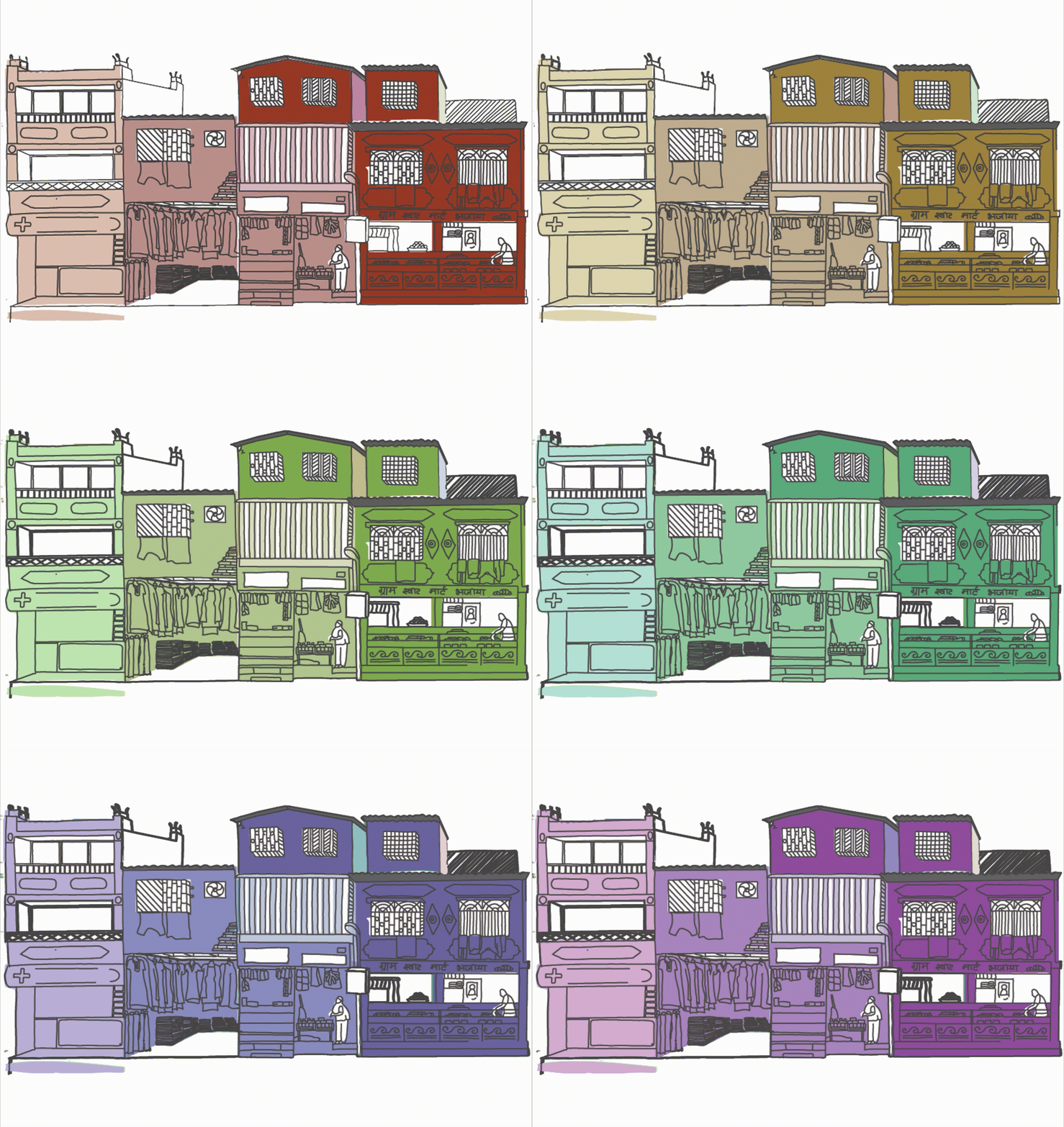
Dharavi is a homegrown neighborhood, its development occurred without a master plan or construction law, emerging from the inhabitants' needs. Built structures and open spaces come in many shapes in forms – with a recurring and flexible work-home typology known as the tool-house. Yet, the profound significance of acknowledgement and recognition in the context of the tool-house prompts us to delve deeper into its implications and societal value: What constitutes the heritage of the tool-house?
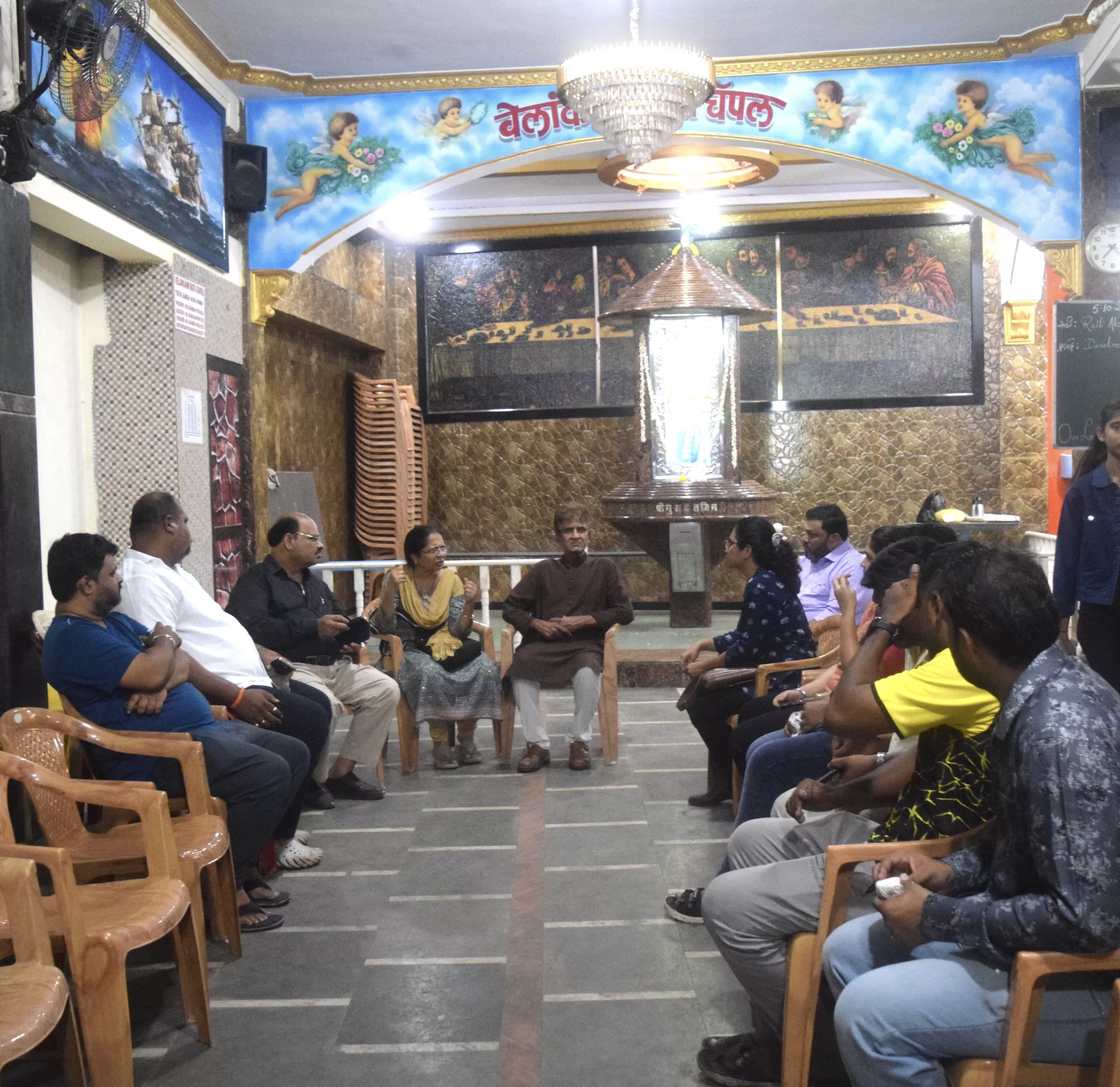
The Dharavi Koli Jamaat Trust has been entrusted the responsibility to address socio-economic and spatial challenges in Dharavi for the Koliwada community. The Dharavi Koli Jamaat Trust is a functional example of urban local bodies promoting grass-root level governance with a community centric approach.

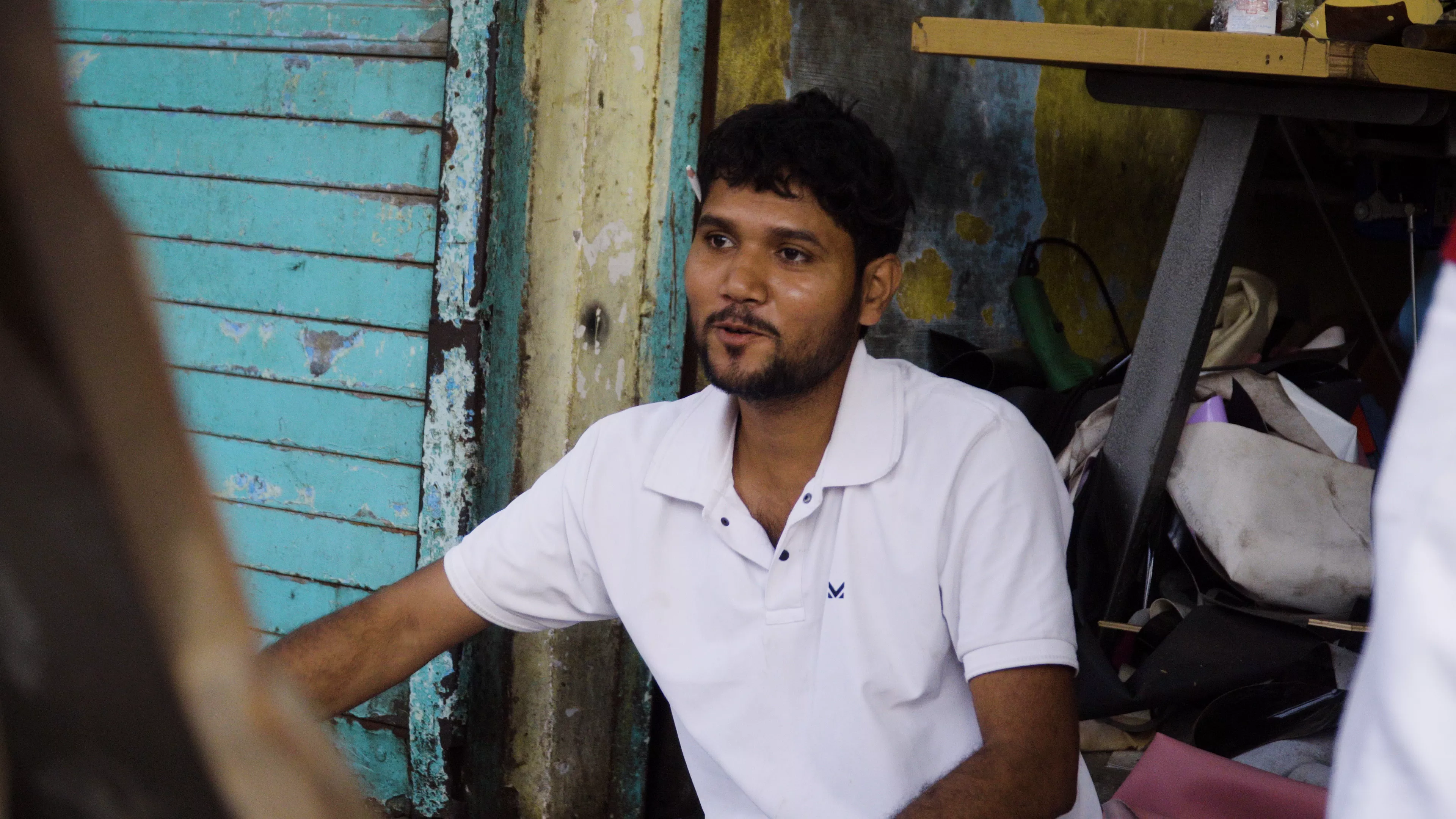
In Mumbai, autorickshaws are more than everyday transport; they’re personalised spaces on wheels. Drivers express parts of their identities through small interior details. From a tiny shop in Dharavi, Nanu Woodwallah designs and stitches these custom interiors. Carrying forward his father’s craft, he transforms standard rickshaws into distinctive, character-filled environments.


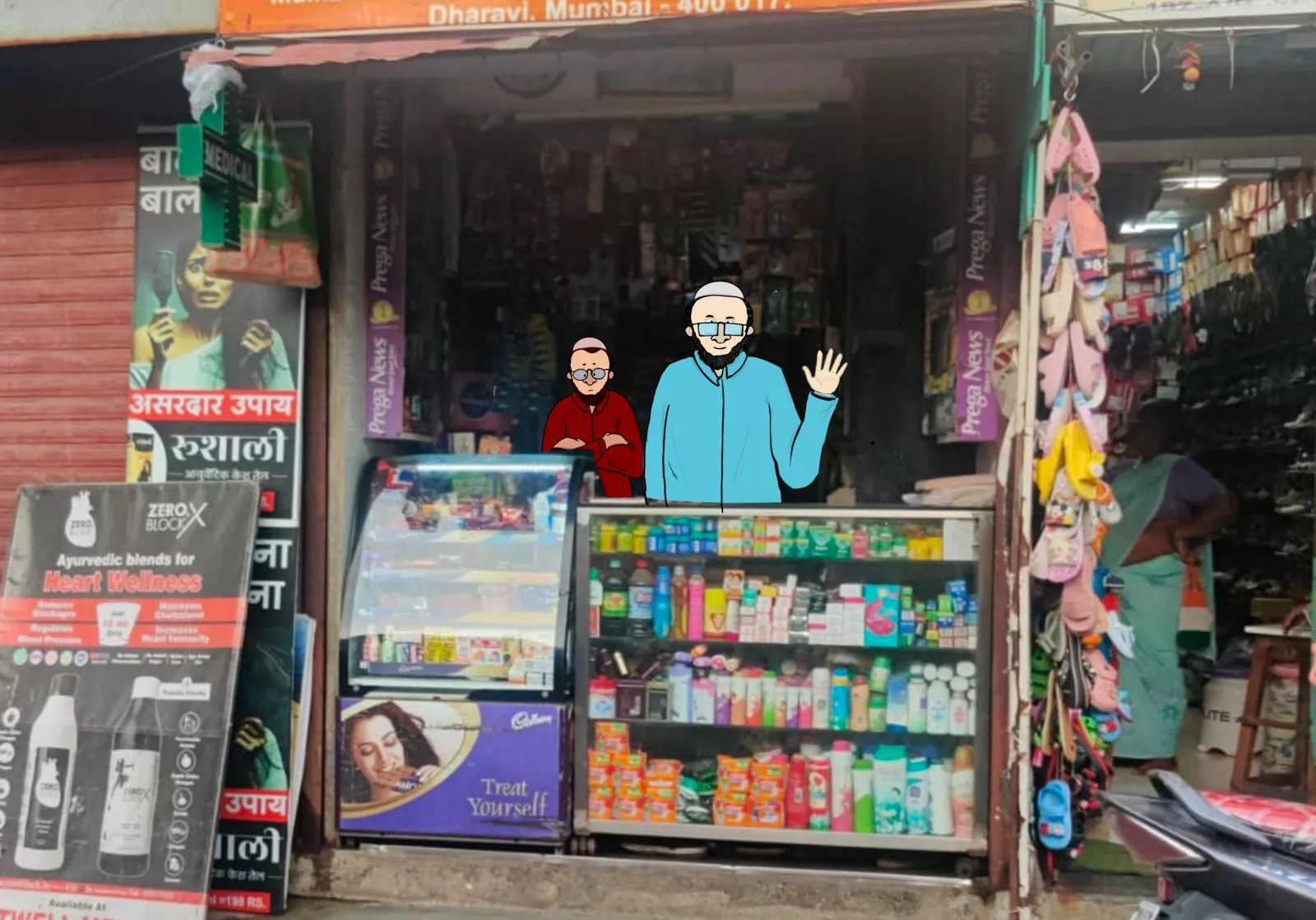
Two brothers behind a pharmacy counter tell us a story of resilience and adaptability, ranging from spreading wares in Bandra to spinning rakhis on an umbrella in the rains.



Digitalization can transform how SMEs operate in Dharavi. Made in Dharavi is a digital application that will support small-scale businesses in Dharavi to make them locally productive and globally connected.


Abdul is a sofa maker who has spent decades cultivating a network of friends and work associates in Dharavi. Open to new challenges and willing to experiment with his craft, his perspective suggests an acknowledgement of his current social standing and external constraints, balanced by a focus on moving forward and maintaining a pragmatic approach to his future.
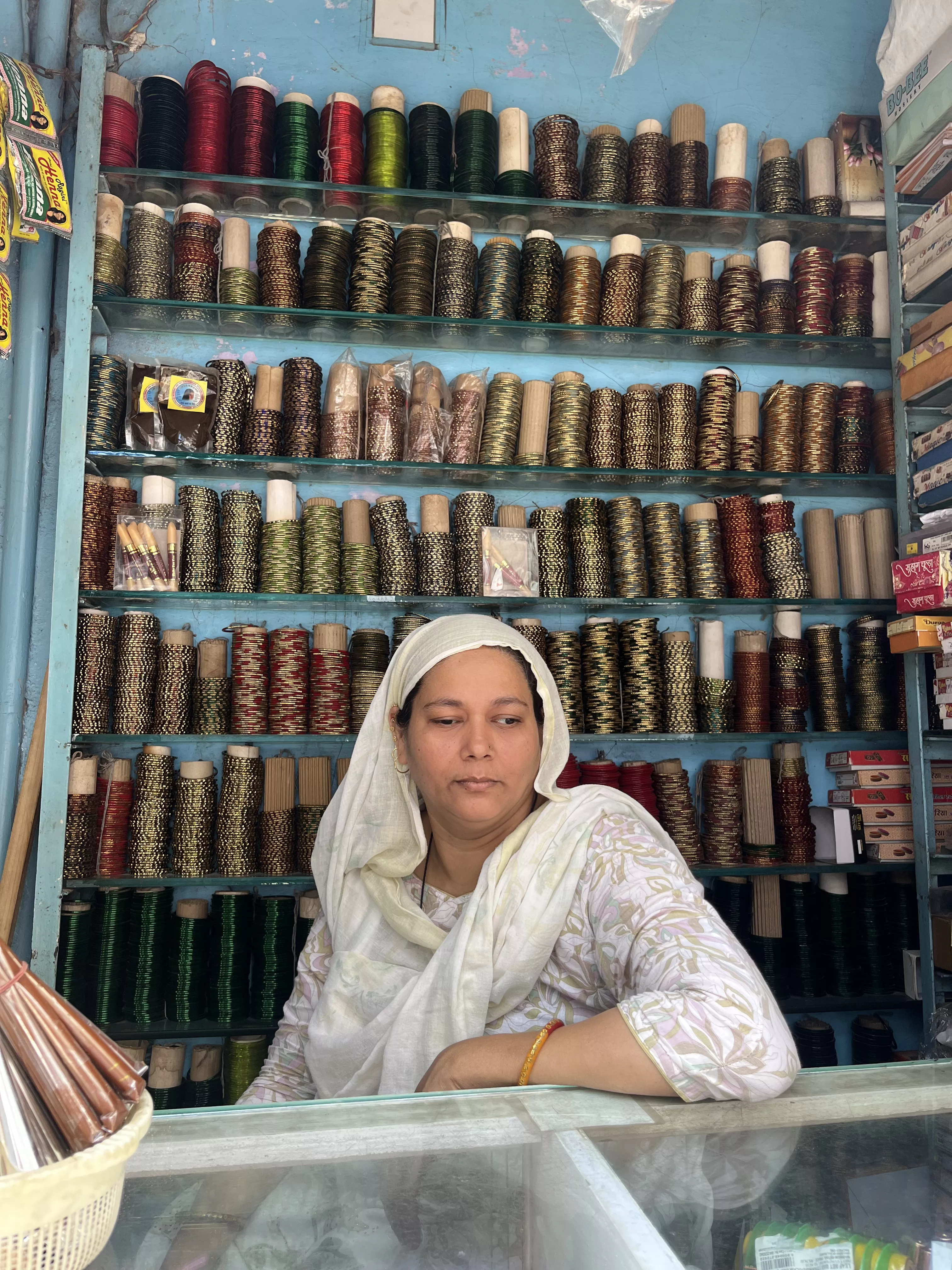
A small gully, adjacent to Dharavi Main Road, takes you to Hasmat’s tool-house. She is a friendly businesswoman, with inspiring resolve accompanied by a small smile.