The Auto-Auteur
Authors
Authors

The Auto-Auteur
Authors
Authors
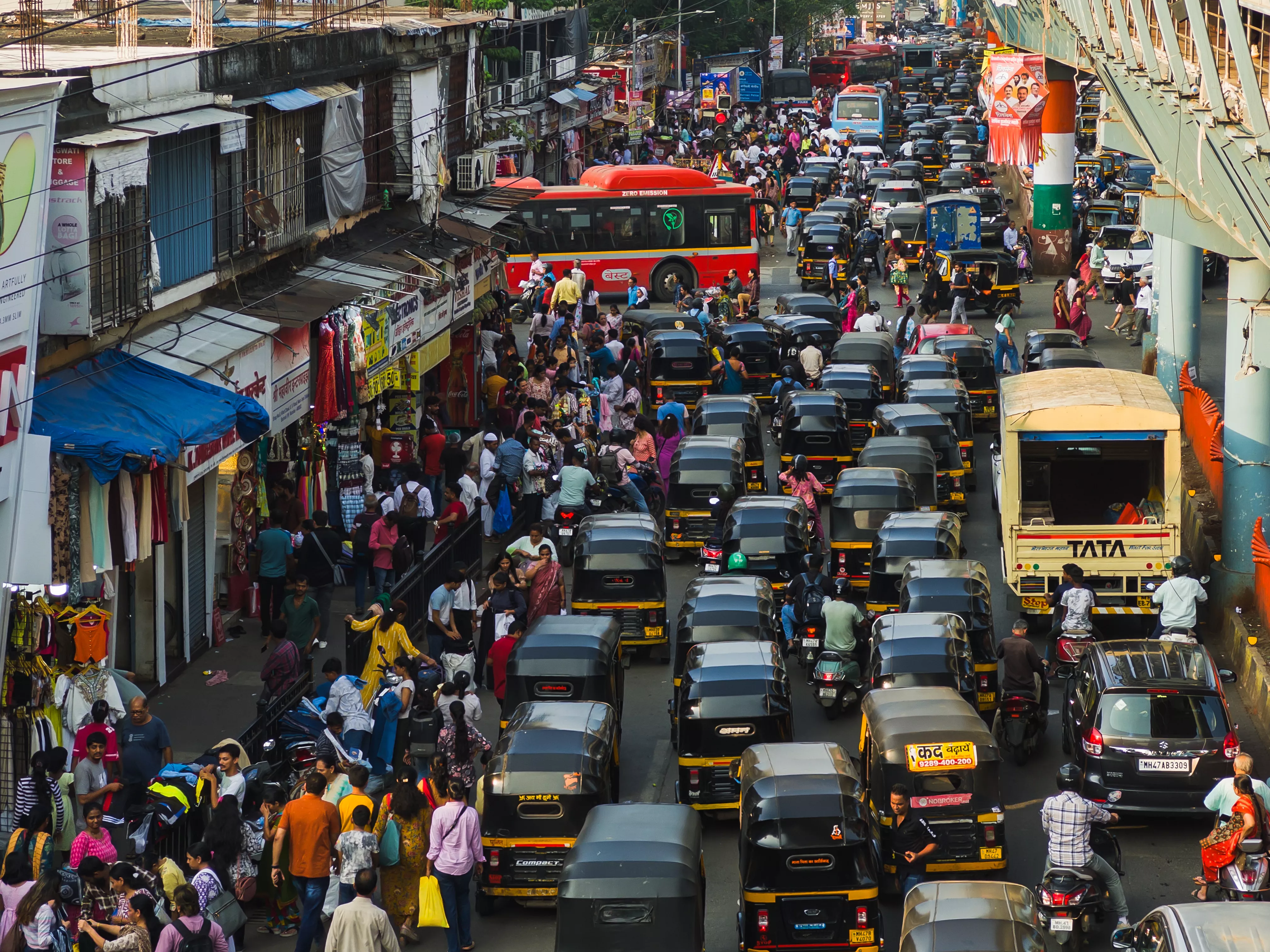
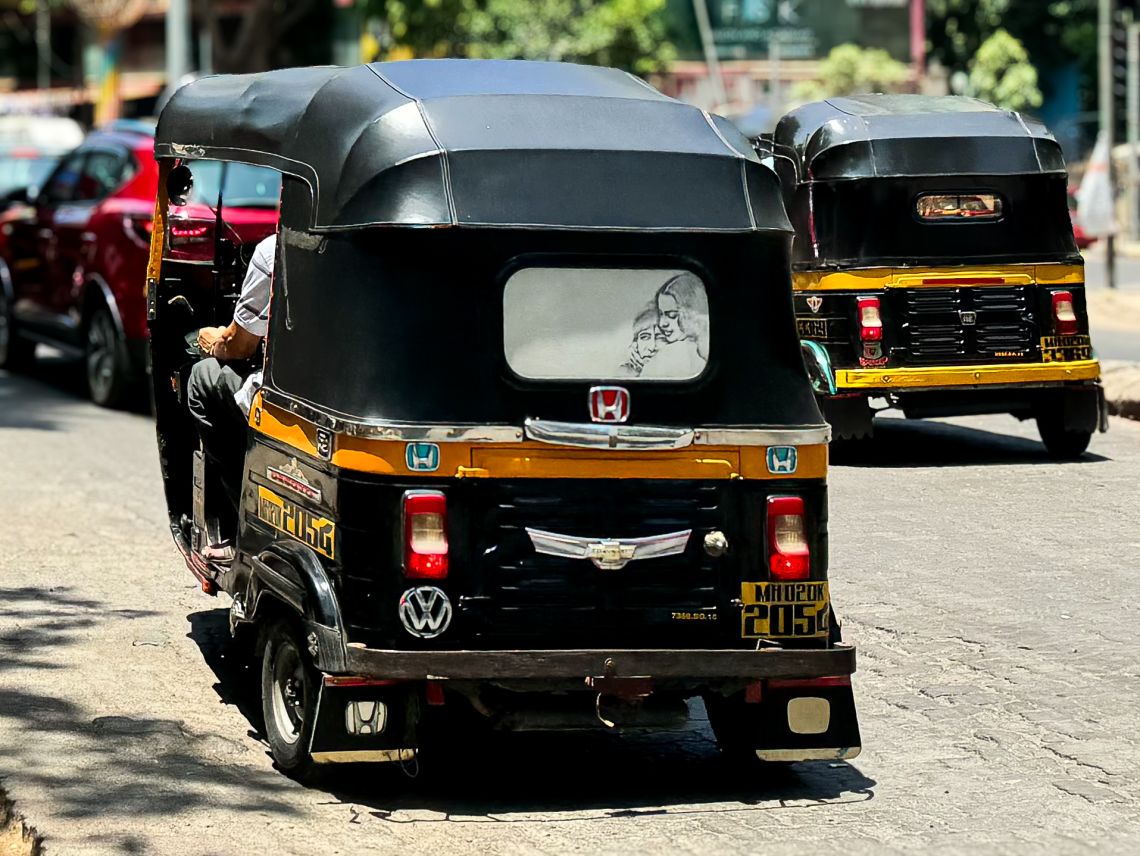
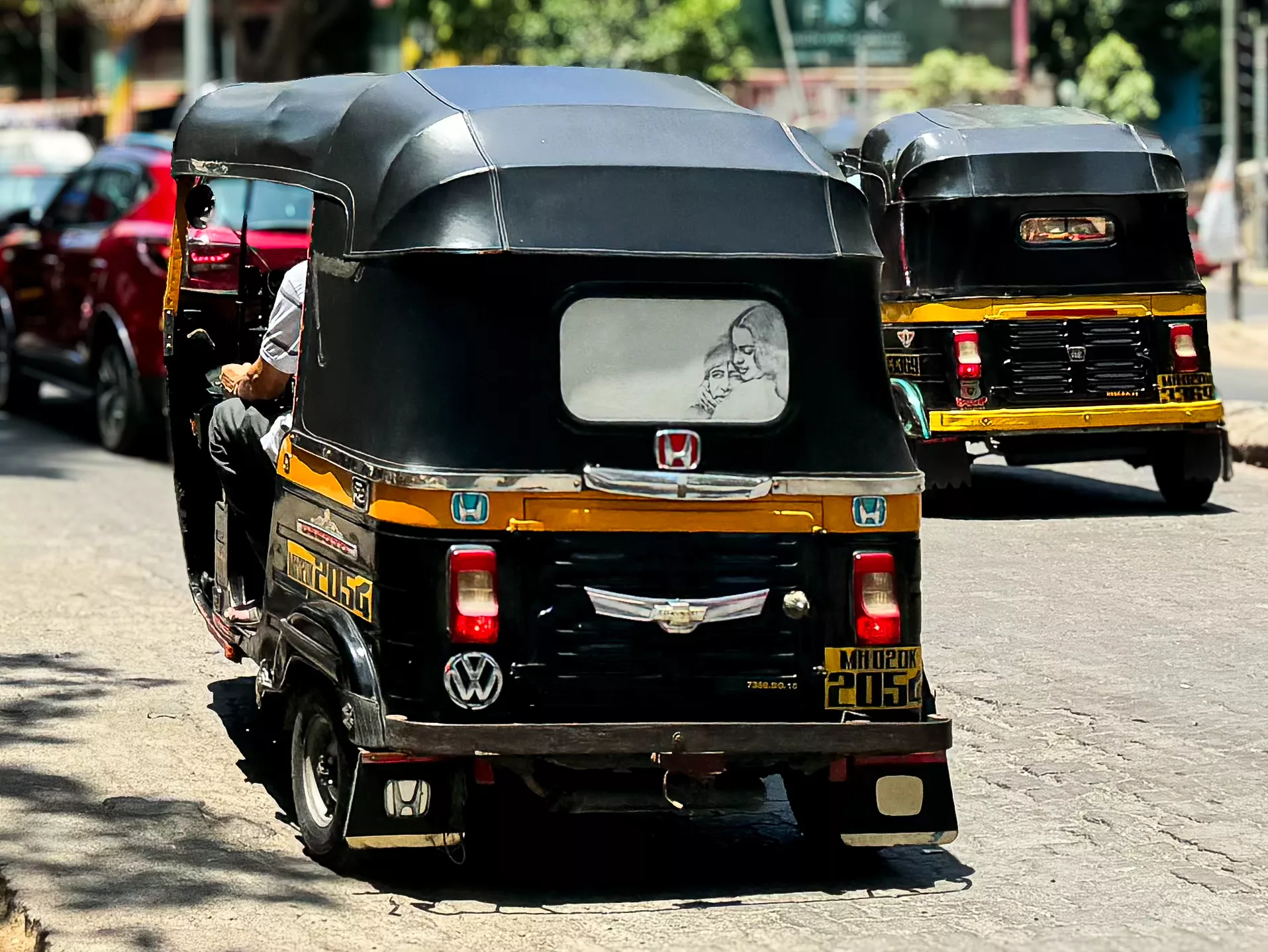
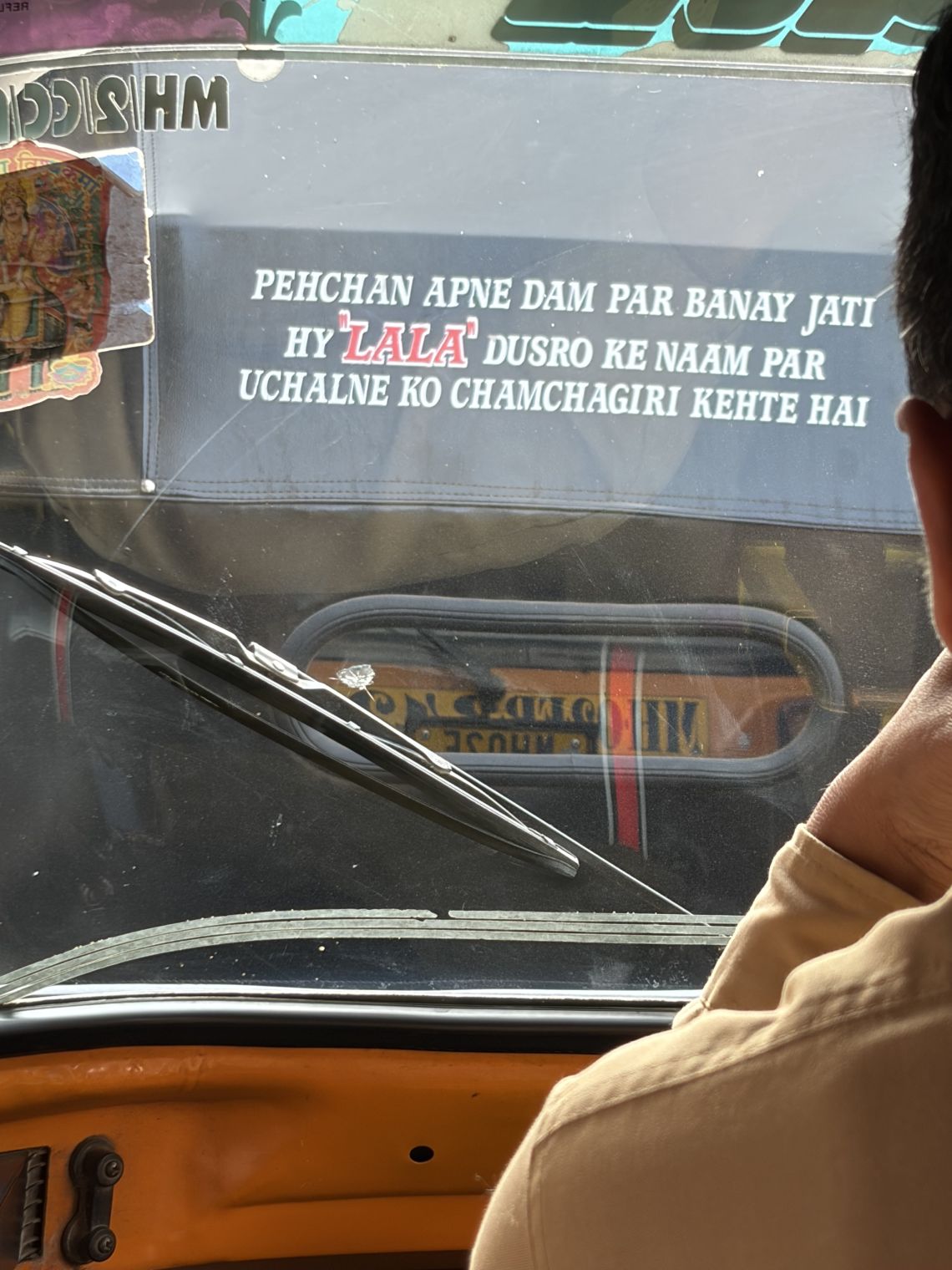
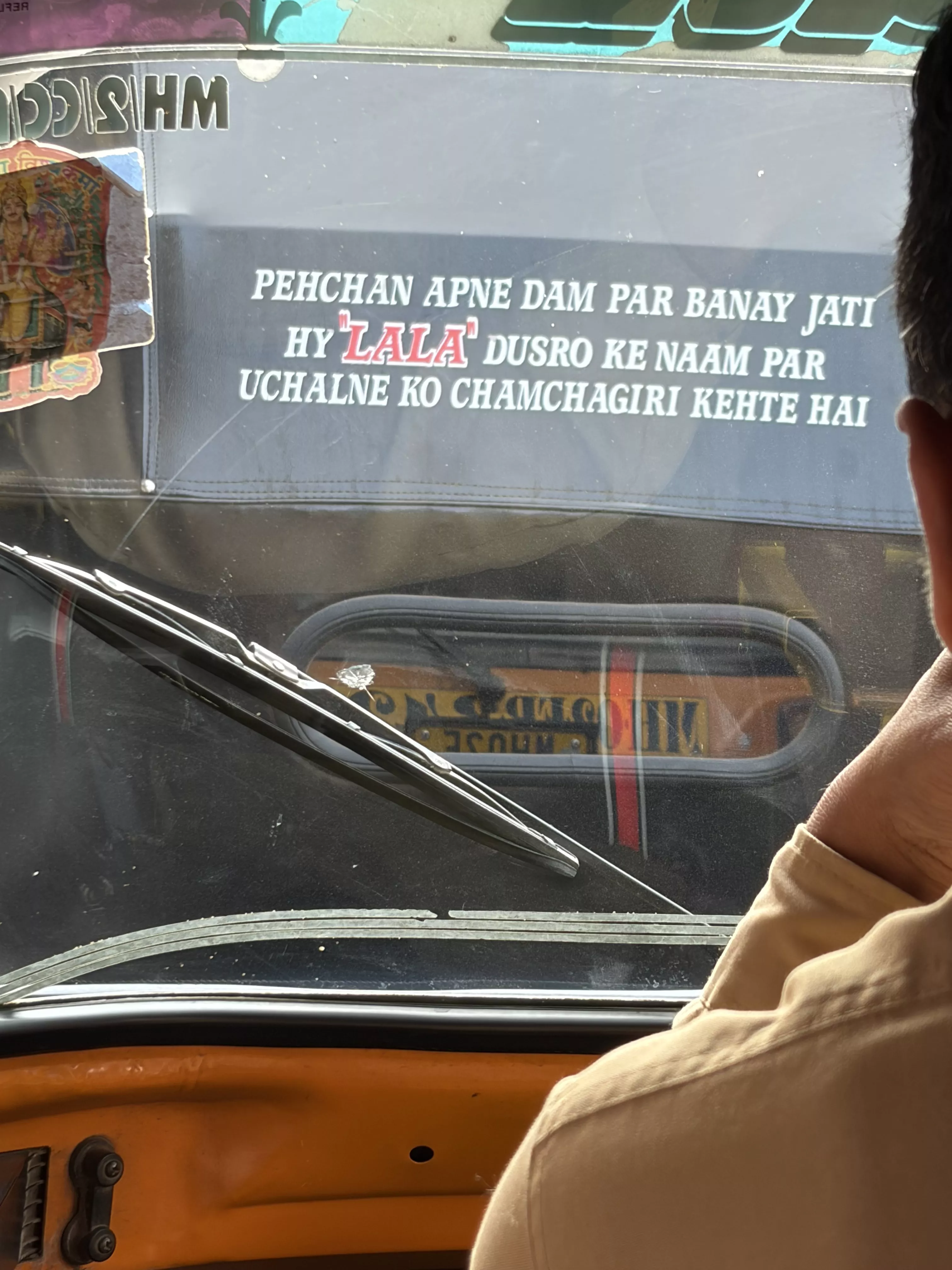
In Mumbai, autorickshaws are ubiquitous on the city’s streets. They provide comfortable, quick mobility and are especially useful for last-mile connectivity. The black and yellow three-wheelers race and manoeuvre through the city’s streets and highways. At first glance, they appear as a purely industrial object, a utilitarian mode of transport. If you look closely, you will begin to see some forms of personal expression - the names of loved ones or a popular dialogue from a Bollywood film. A few rickshaw rides later, you begin to appreciate their uniquely vibrant interiors. You might spot a hidden Rolls-Royce logo, a makeshift newspaper rack, a candy jar, or even a small fan tucked into a corner. The space becomes an assemblage of patterns, materials, found objects, and whimsical topographies. Every autorickshaw features a distinct interior, shaped by the driver’s personality, aspirations, philosophy, politics and love for their loved ones. These spaces are decorated with a variety of colours, materials, and motifs that reflect the driver’s imagination and personal history. While drivers often have a vision for their autorickshaws, they need a craftsperson to turn those ideas into something tangible. That’s where someone like ‘Nanu’ comes in.
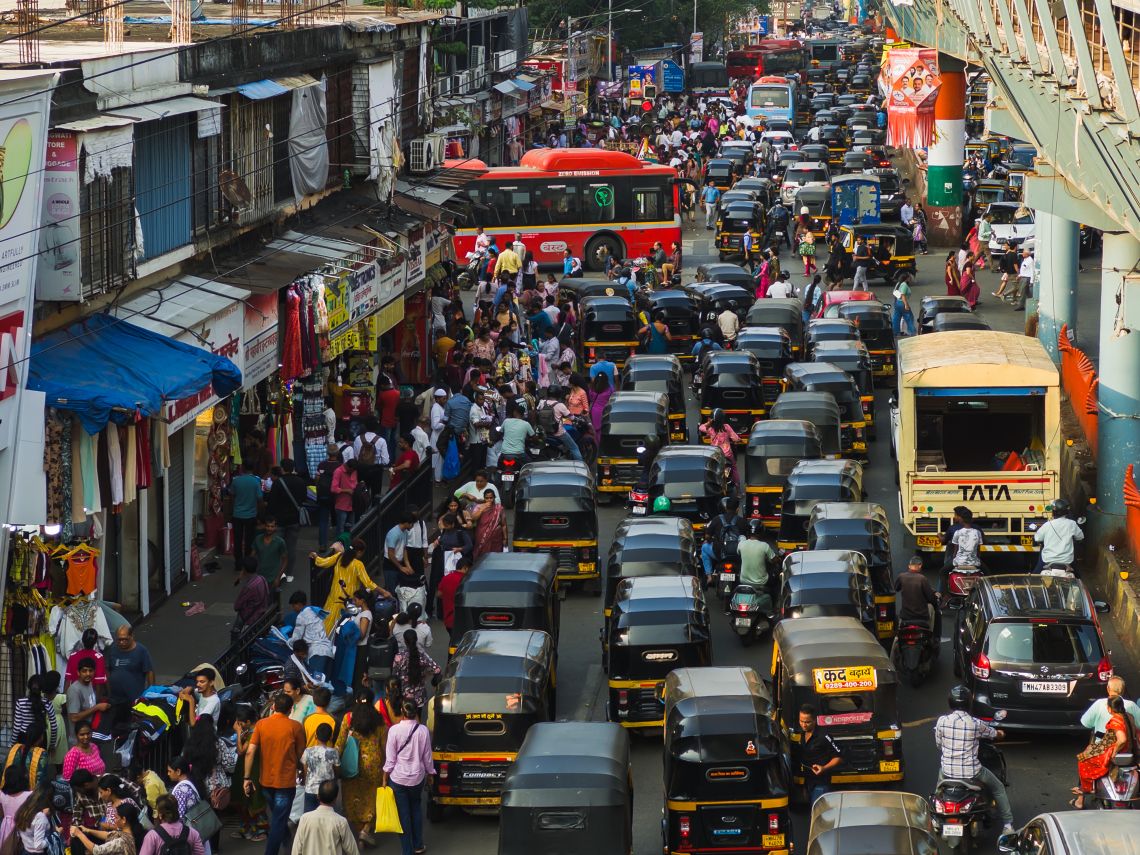
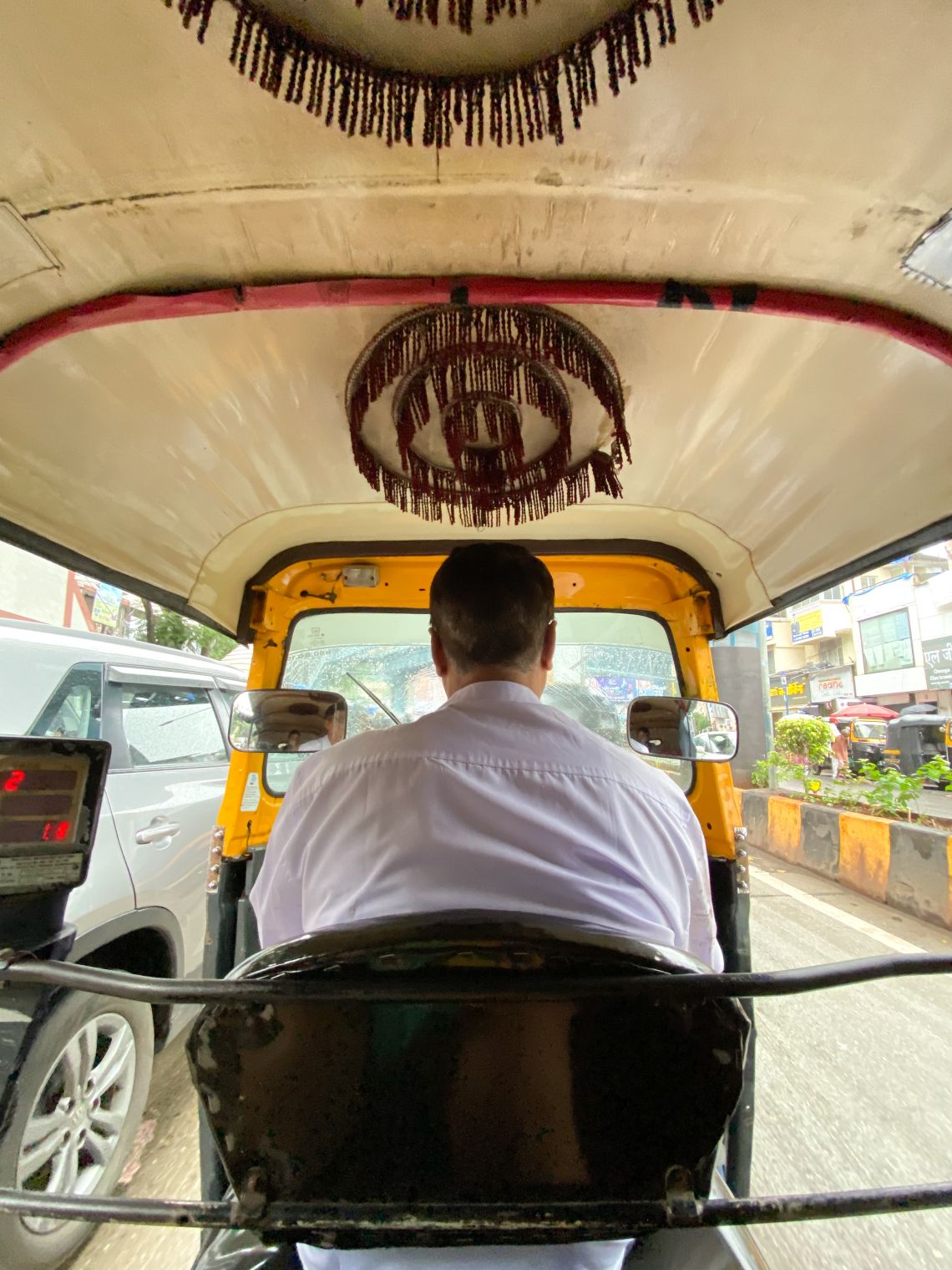
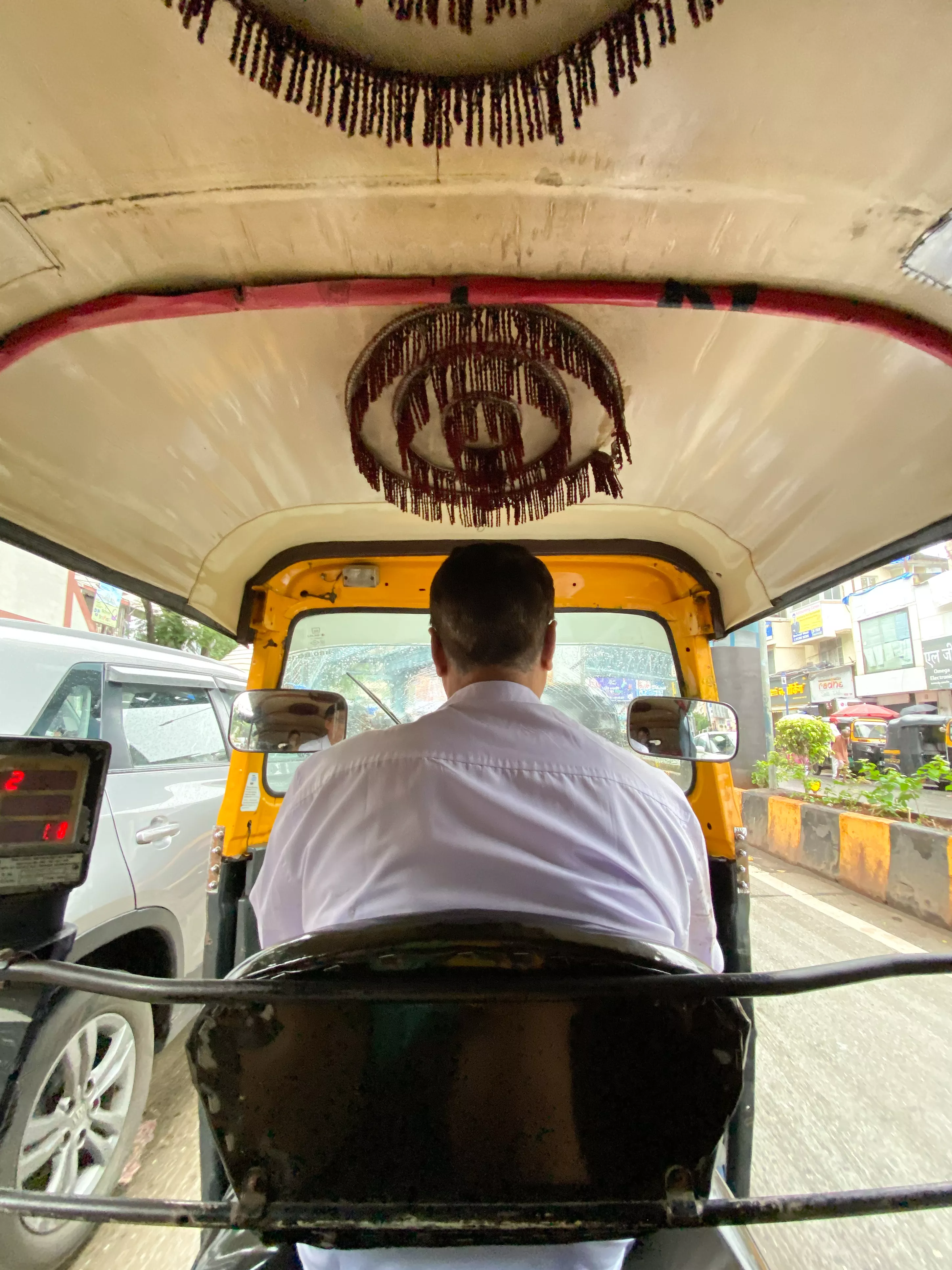
Inzamam-ul-Haq Farooqi, widely known as “Nanu” or “Nanu Woodwallah,” is one such autorickshaw interior designer in Mumbai. Born and raised in Dharavi, Nanu has spent his entire life in the neighbourhood, growing up, living, and working there, as well as across the city.
Nanu works from a three-foot-deep shop along the Bandra-Sion Link Road in Dharavi. One can find this typology in different homegrown neighbourhoods across Mumbai, providing space for micro-scale businesses. This specific location makes sense strategically, as his clientele frequently park their autorickshaws along the road directly across from his shop. As a result, the edge where Nanu’s shop is situated is populated with autorickshaw-related services like mechanics, garages, and wash and service kiosks.
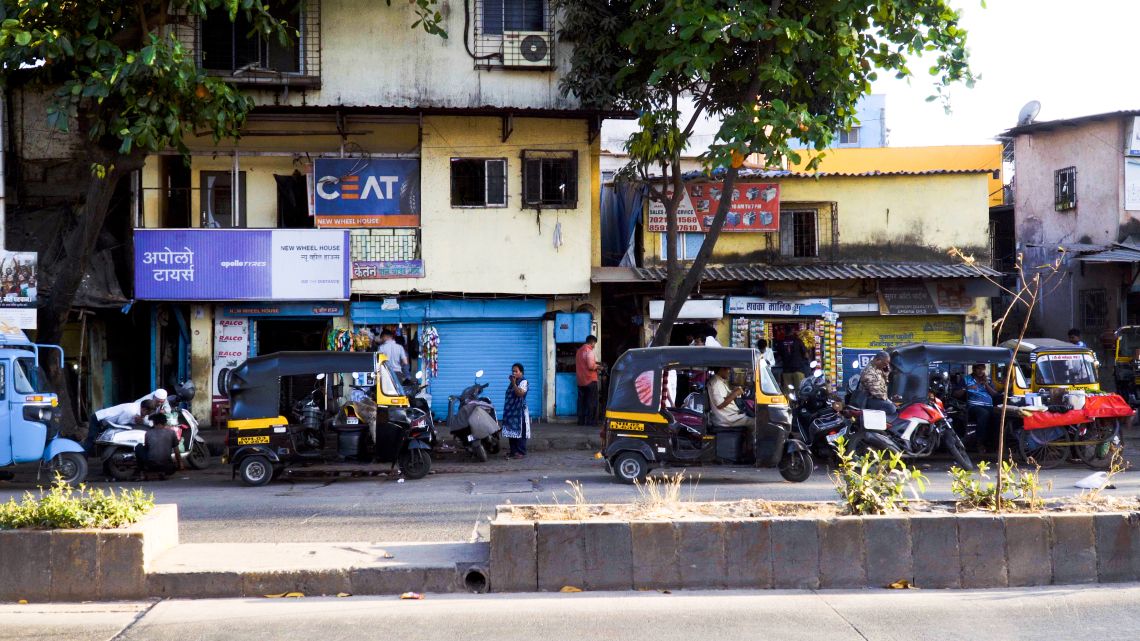
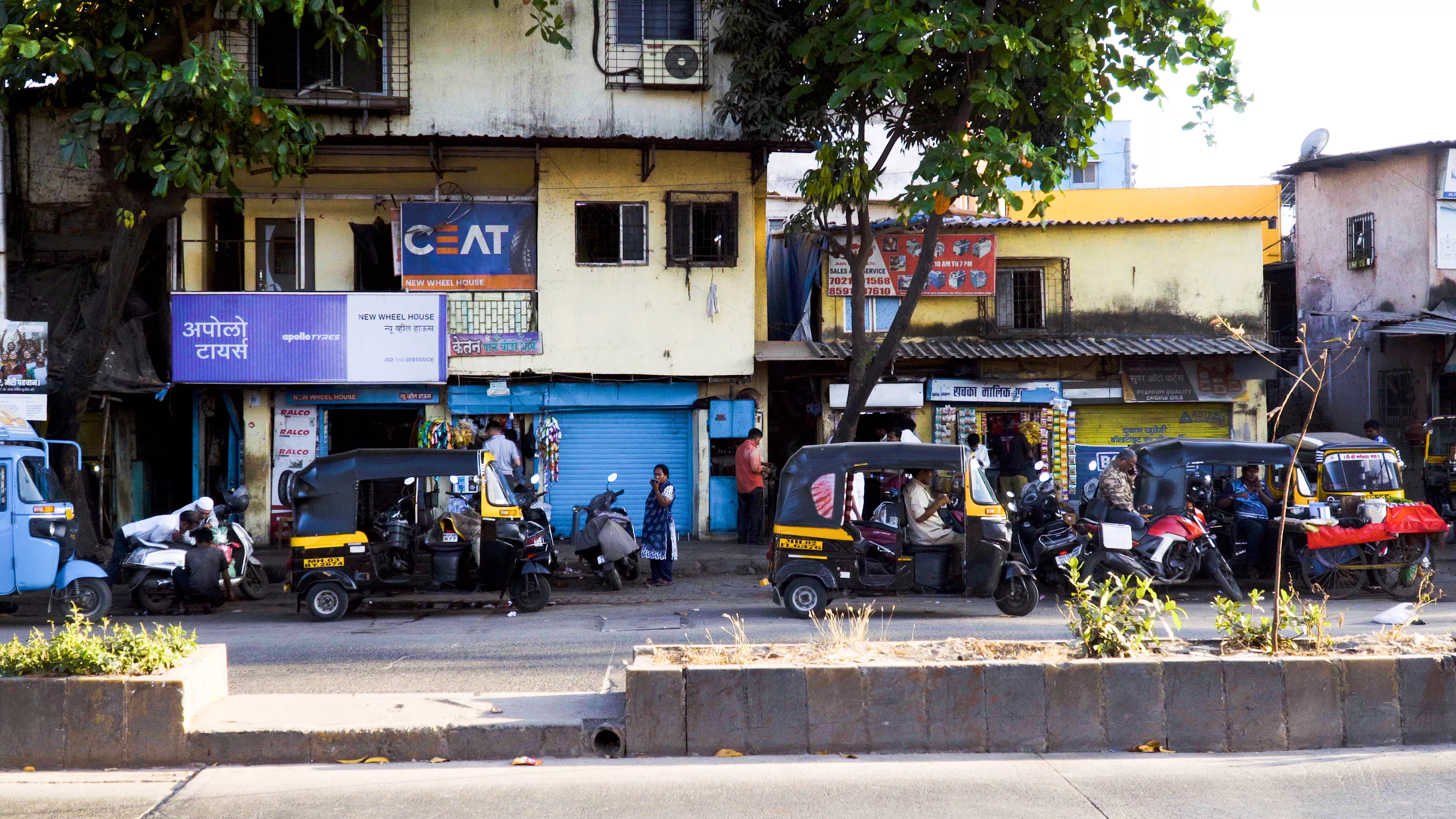
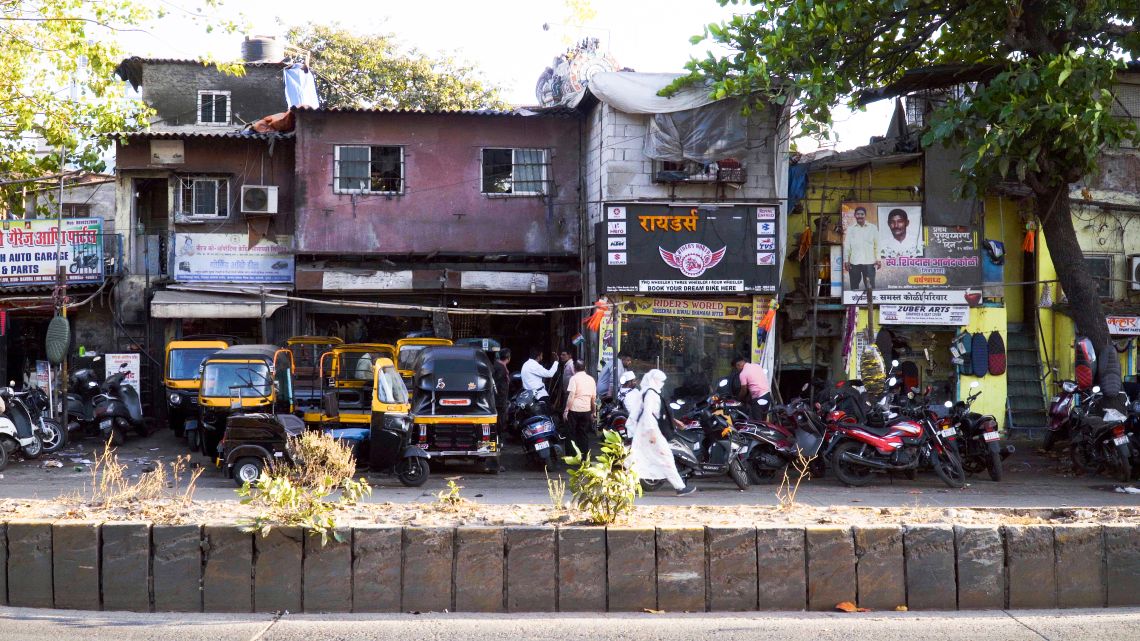
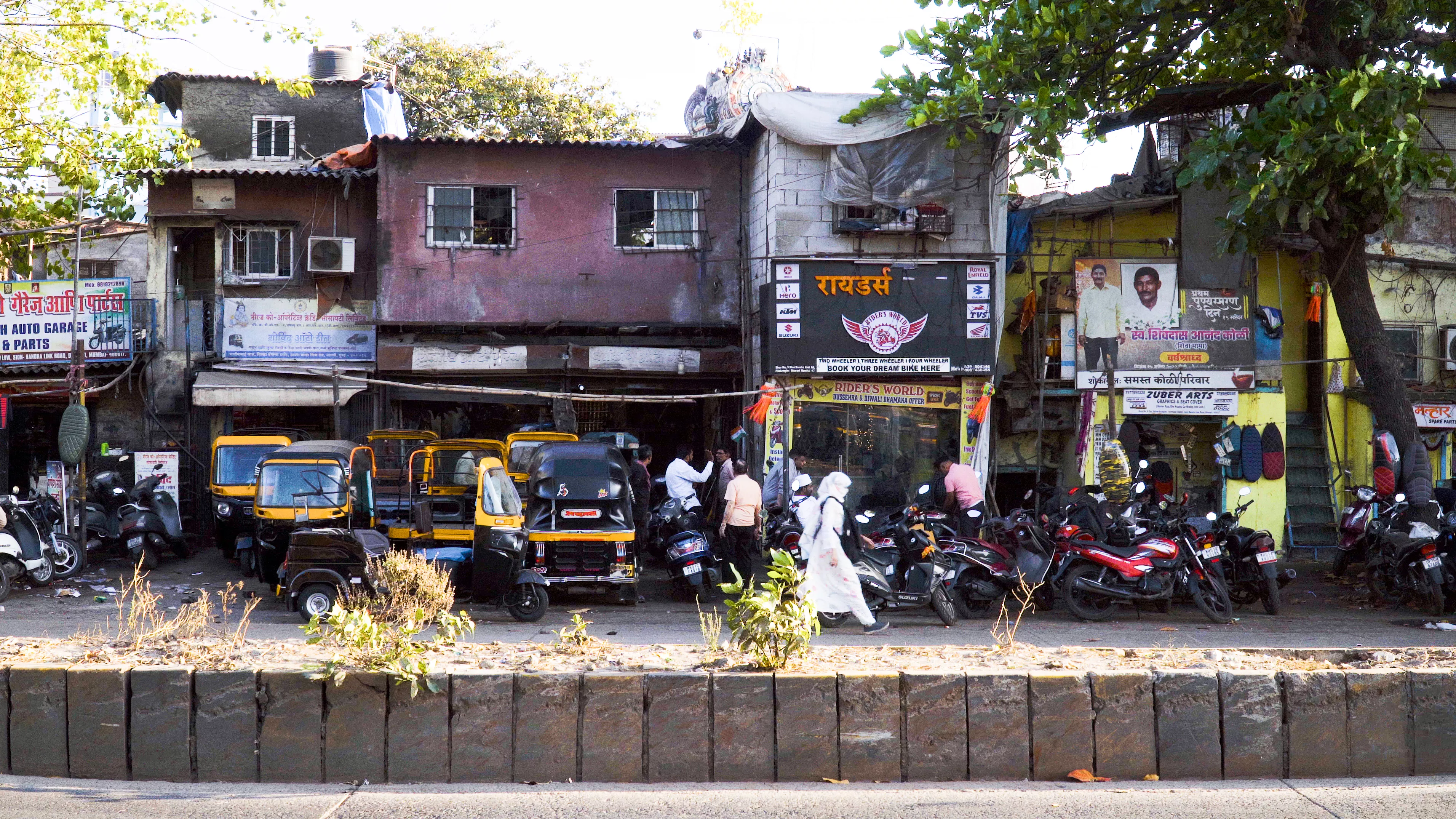
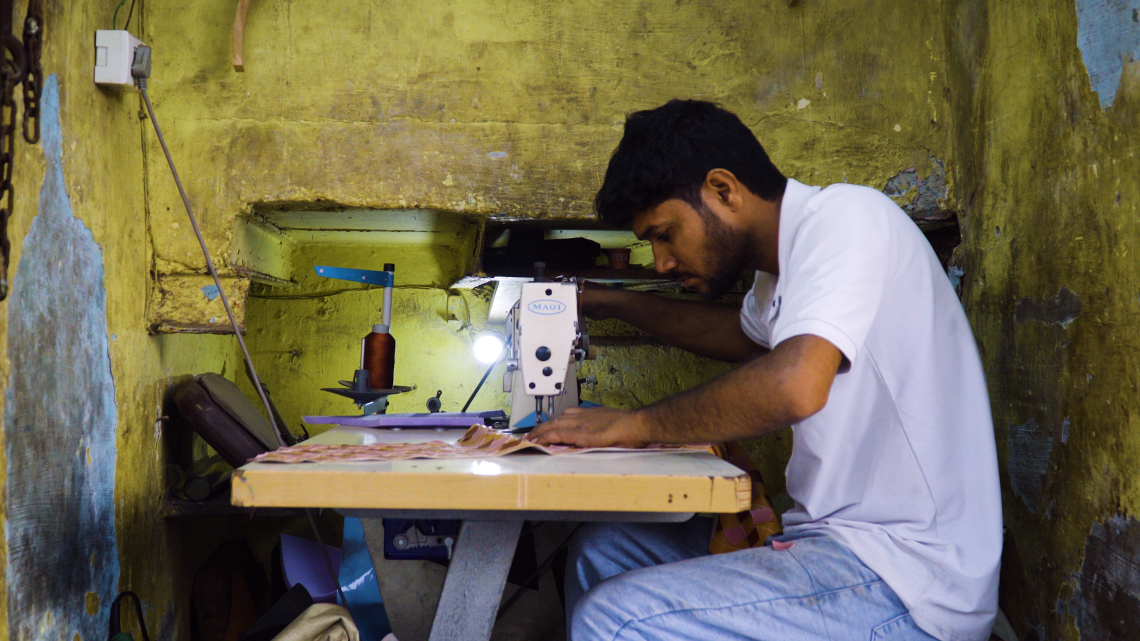
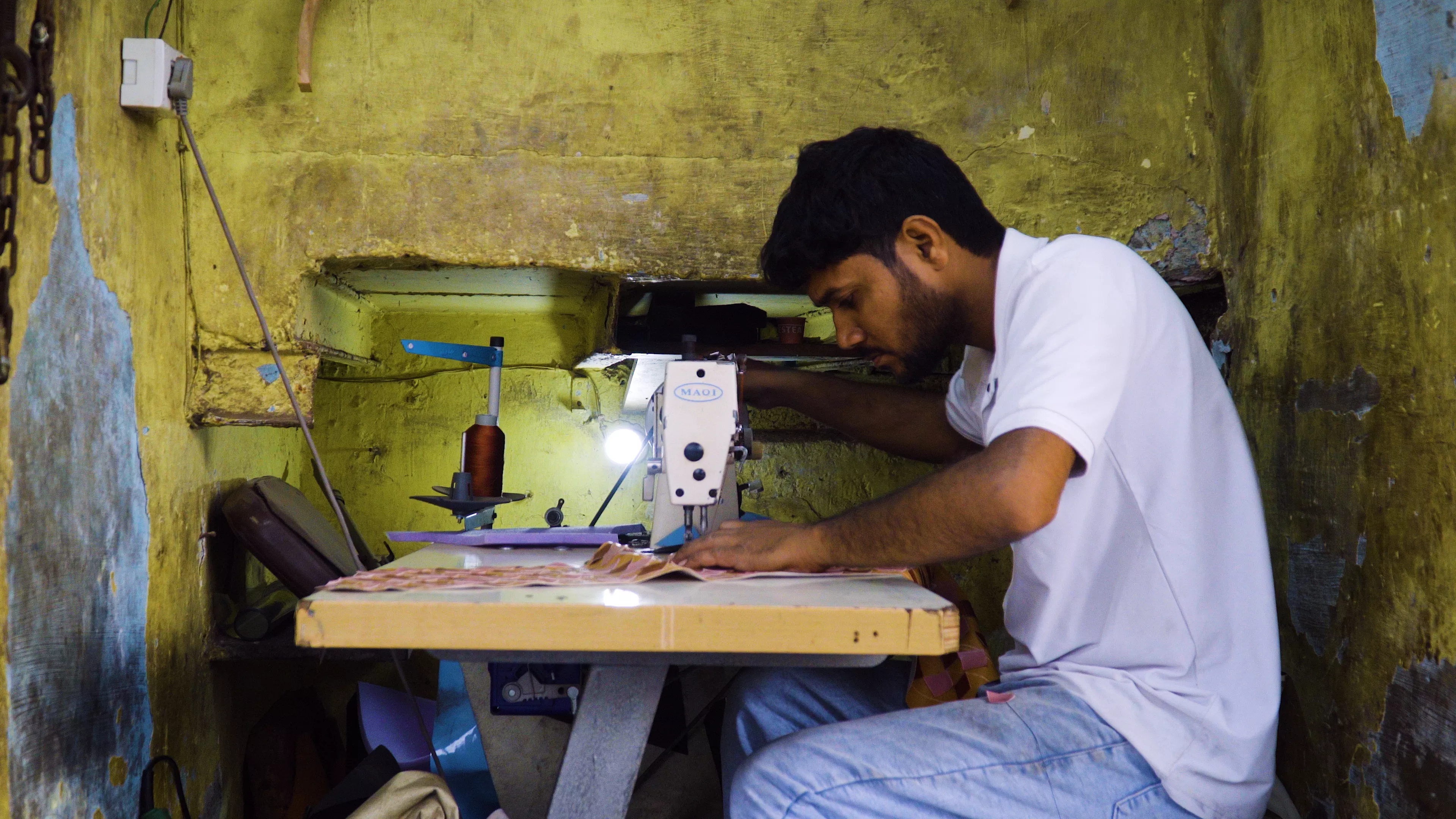
Within this footprint of roughly 12 square feet, he cuts and stitches long lengths of fabric to design entire rickshaw interiors; projects that are often three times the size of his shop itself. Because of the nature of his craft and the constraints of his space, Nanu’s work naturally spills onto the footpath and road. Similar to the neighbouring garages, his business turns the edge of the road into one continuous workshop.
Over years of practice, Nanu has developed a distinctive way of designing rickshaws. His process involves creating different motifs. He then experiments by repeating and altering these motifs, by arranging them radially, mirroring them, or combining them to generate entirely new patterns. At times, he assesses the drivers based on their conduct and then creates designs tailored to each specific driver.
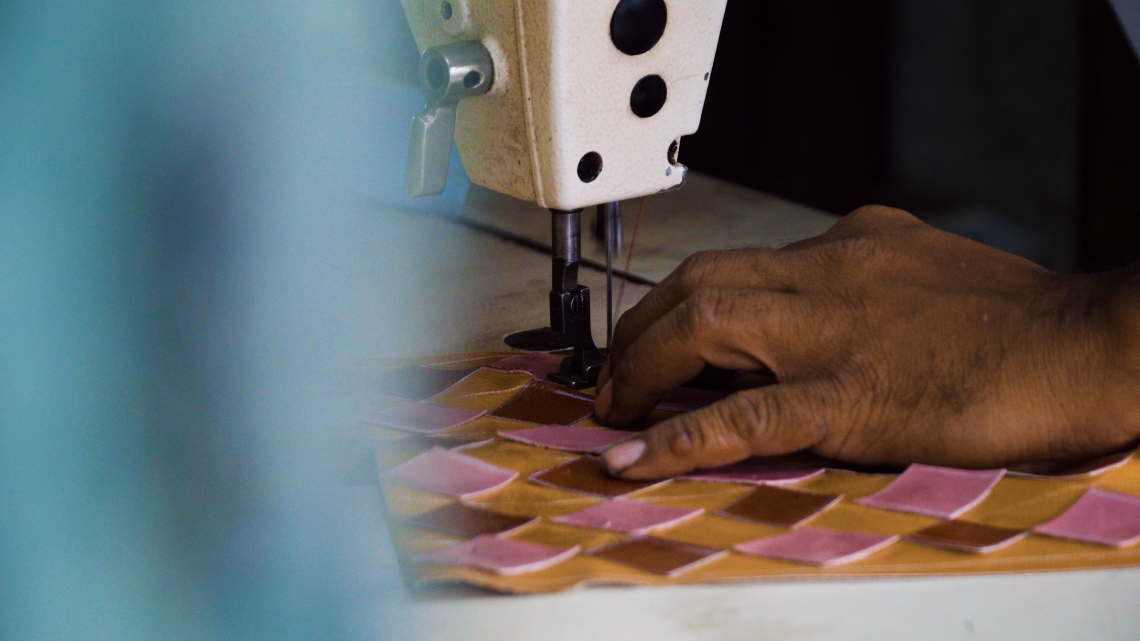
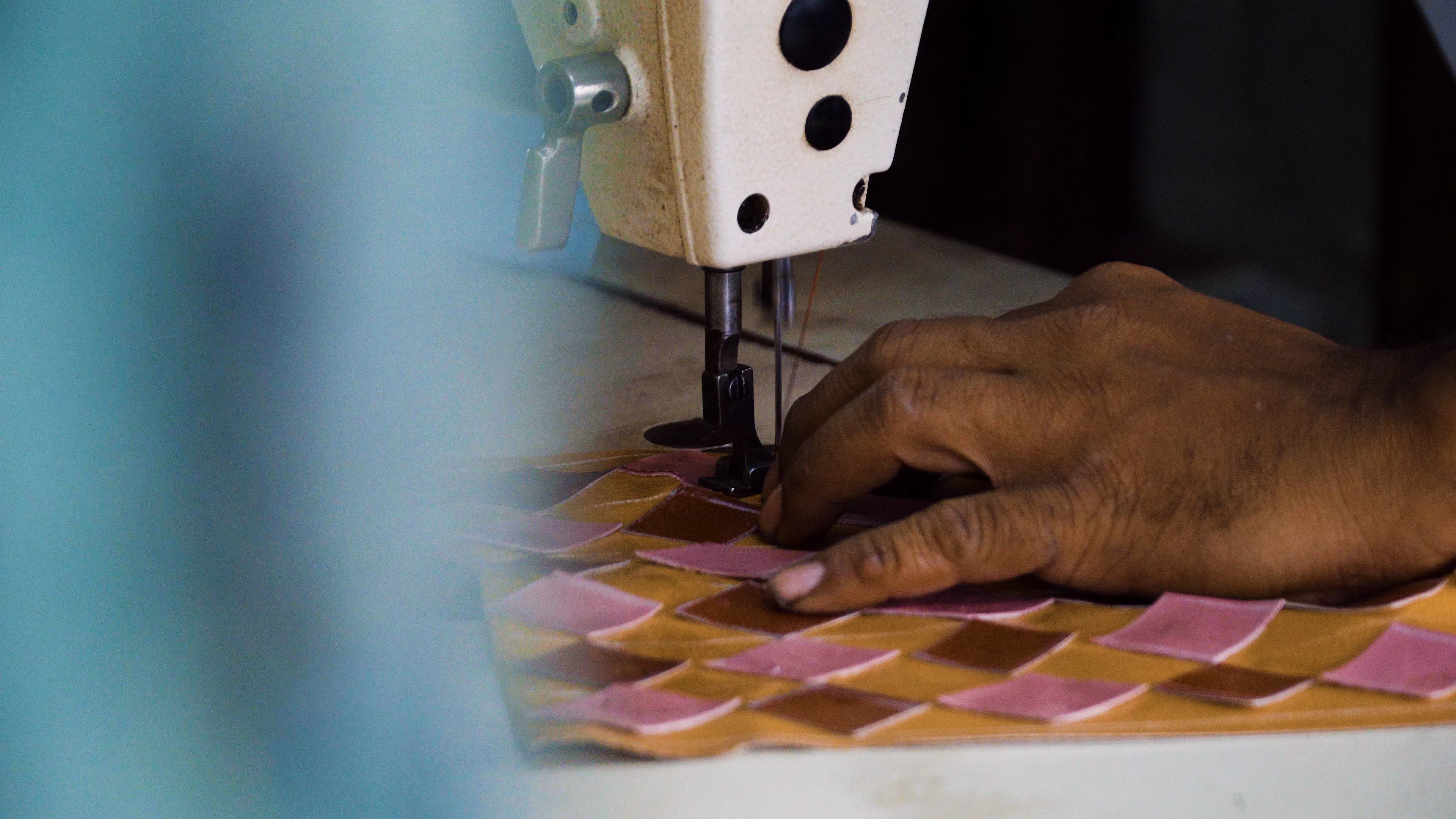
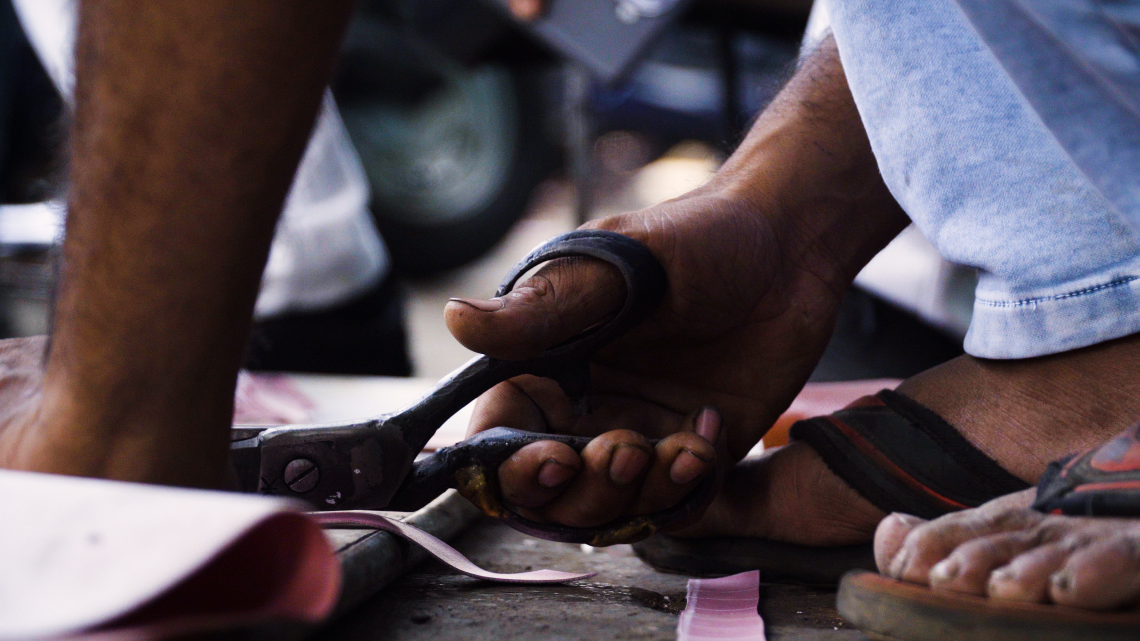
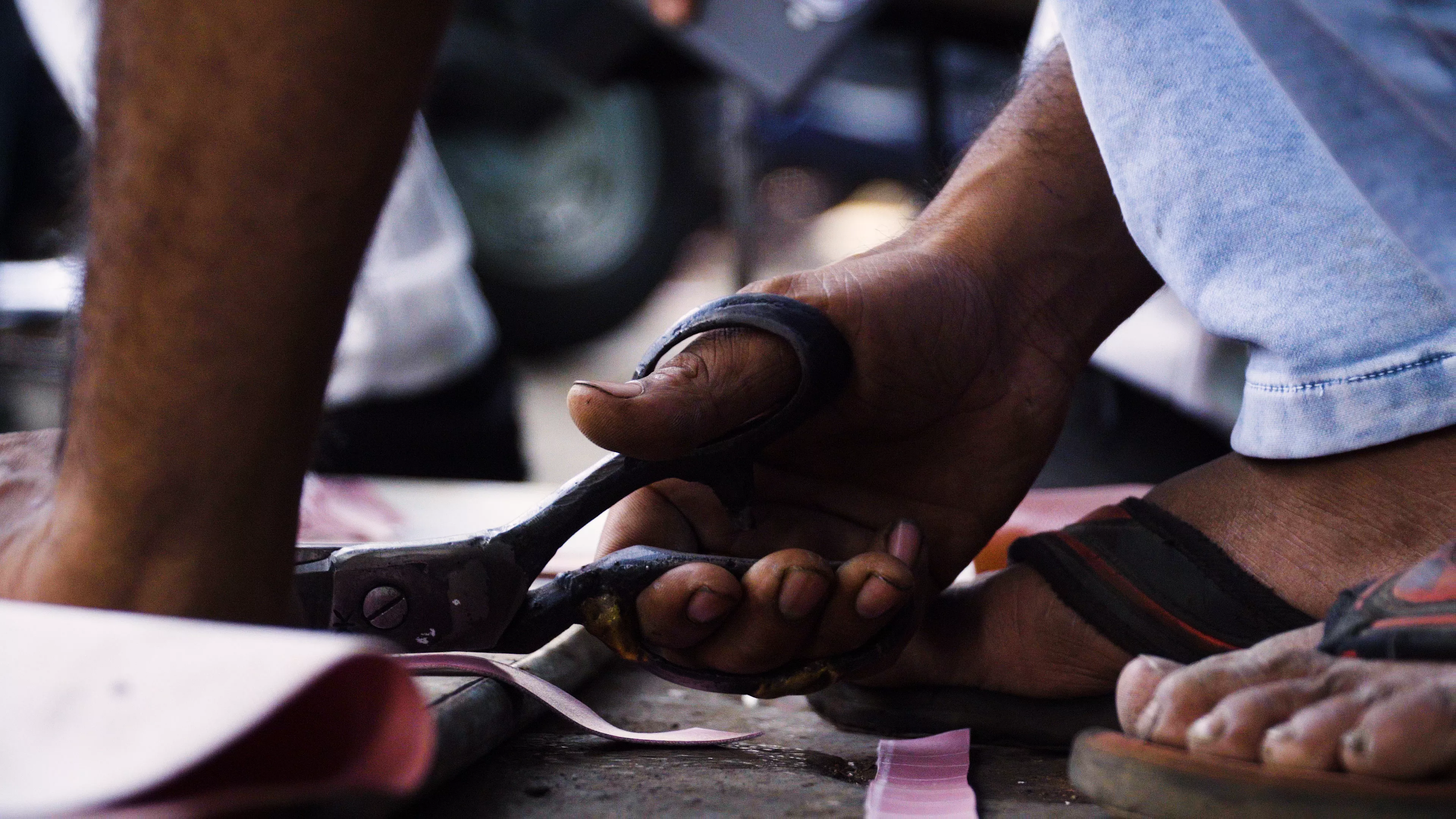
His creative prowess is highlighted by the fact that he secured second prize in an annual autorickshaw exhibition once, where he designed the interiors for four different entries. Although the prize money was awarded to the owner, to reiterate his personal achievements, Nanu says that work is fulfilling when it gets the validation it deserves. In the early years of his career, he spent long days searching for work; however, today, people travel from Pune and New Mumbai to have their rickshaws designed by him. When we asked him about how he advertises himself now or if he even does it, he replied, saying, ‘Just the name ‘Nanu’ is enough.
Nanu reflects on the spatial realities of Dharavi: the density, the overlap of home and work, and the constant pressure of limited space. While living in an apartment in Aakash Tower, a newly redeveloped building, these constraints became even more apparent when both Nanu and his brother started their own families, marrying around the same time. To accommodate the needs of their growing families, Nanu bought another home for his brother in a homegrown neighbourhood within Dharavi.
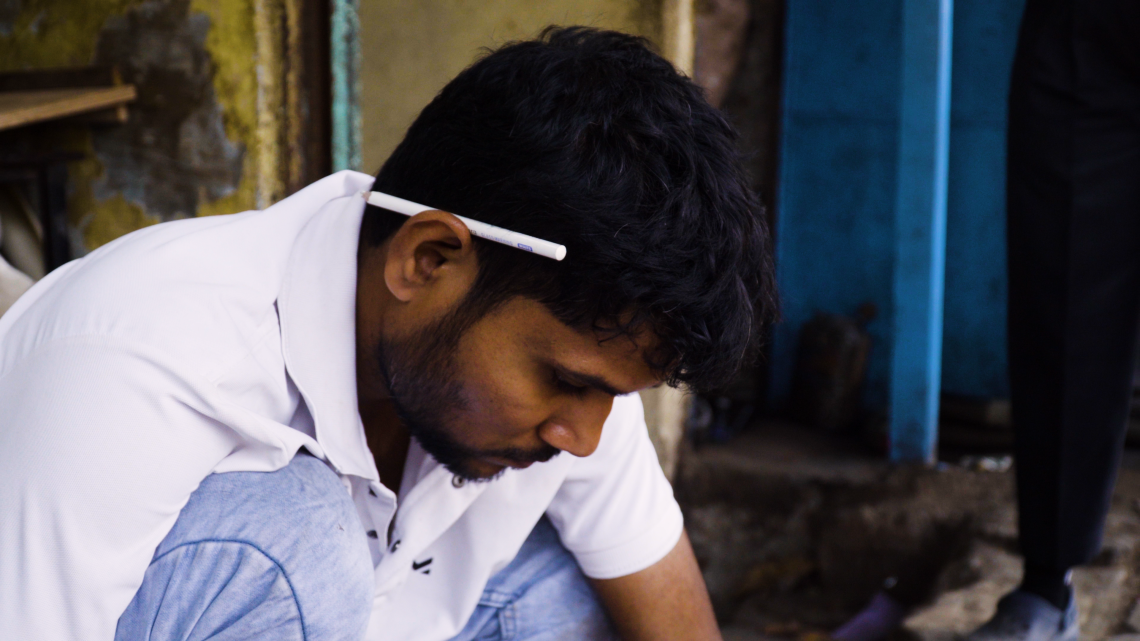
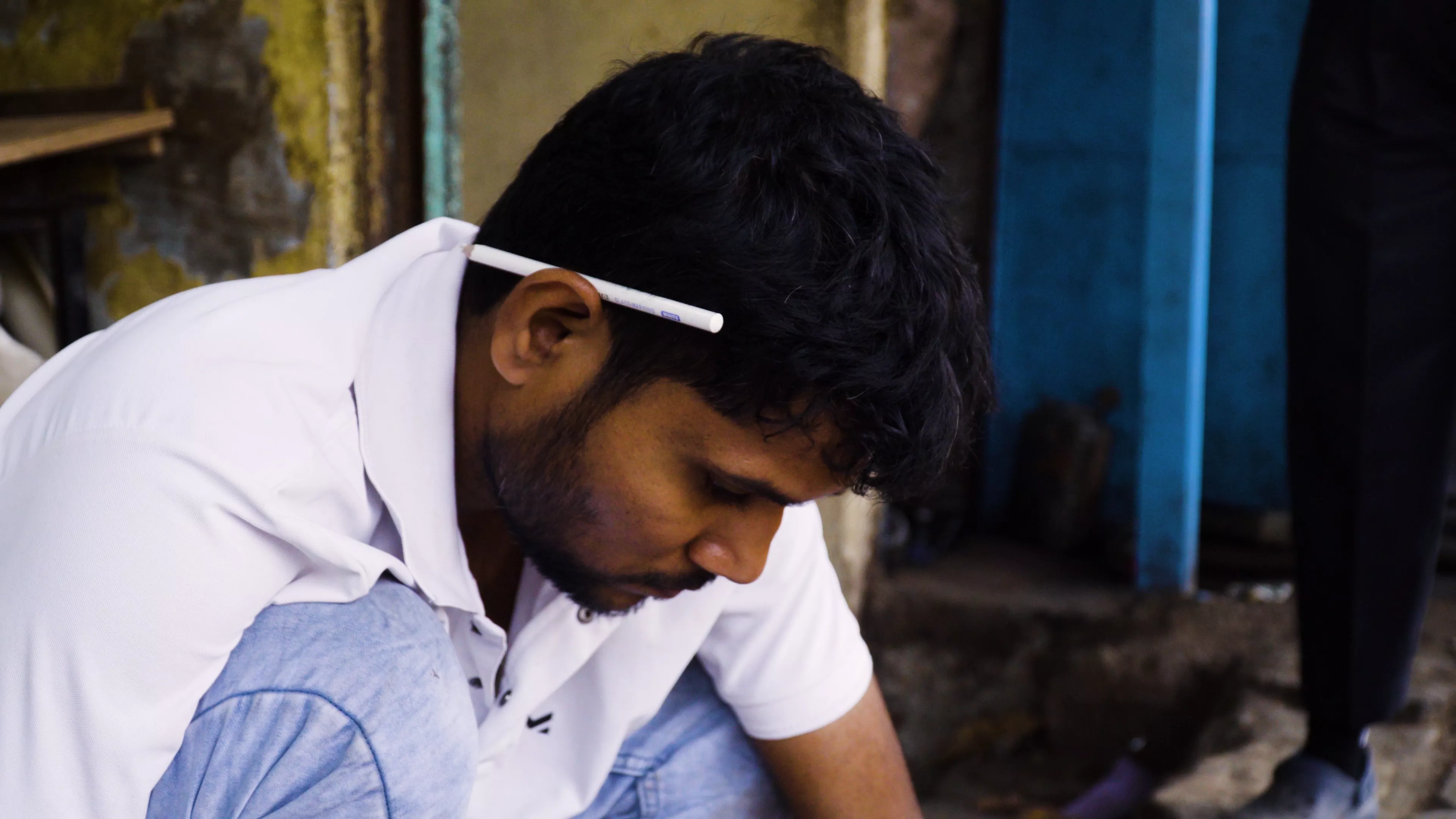
This move brings about a sense of shifting impermanence, where ‘moving on’ often means simply moving to a different coordinate within the same boundary. His pattern of adapting to new spaces while staying rooted in place mirrors his connection to the city’s mobile infrastructures; Ultimately, for Nanu, these constant shifts, both personal and urban, reaffirm that change is a natural part of life that one must learn to adapt to.
People involved
Related articles
A prize winning proposal to recycle plastic waste along Mumbai's coastal village of Versova, uses fishing nets and the involvement of the local fishing community.
Where affordable housing is scarce but people have tweaked the system and the land to achieve the best possible results in the given circumstances.
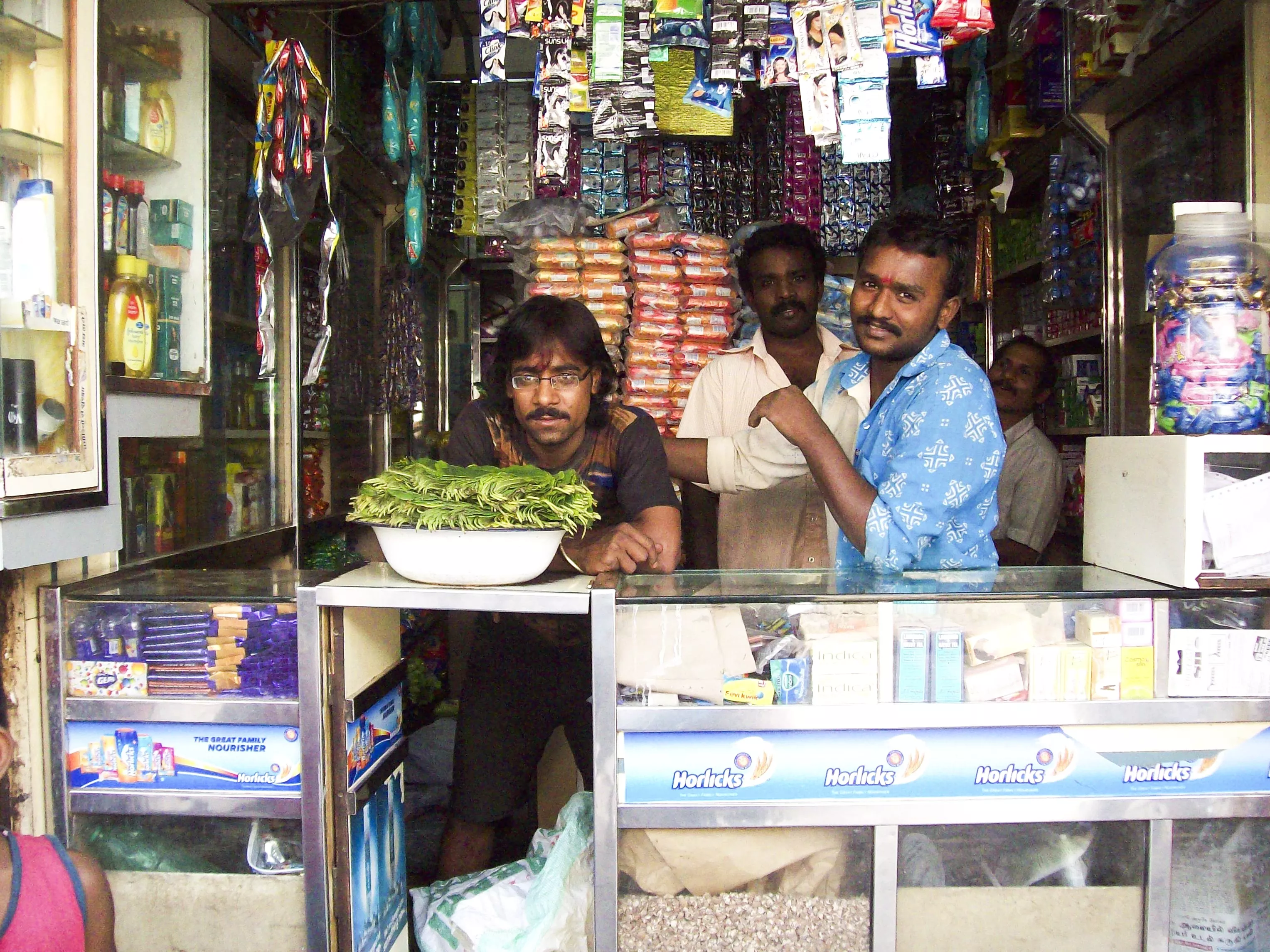
Walking on Mahatma Gandhi Road seemed like being part of a big never ending real time movie.
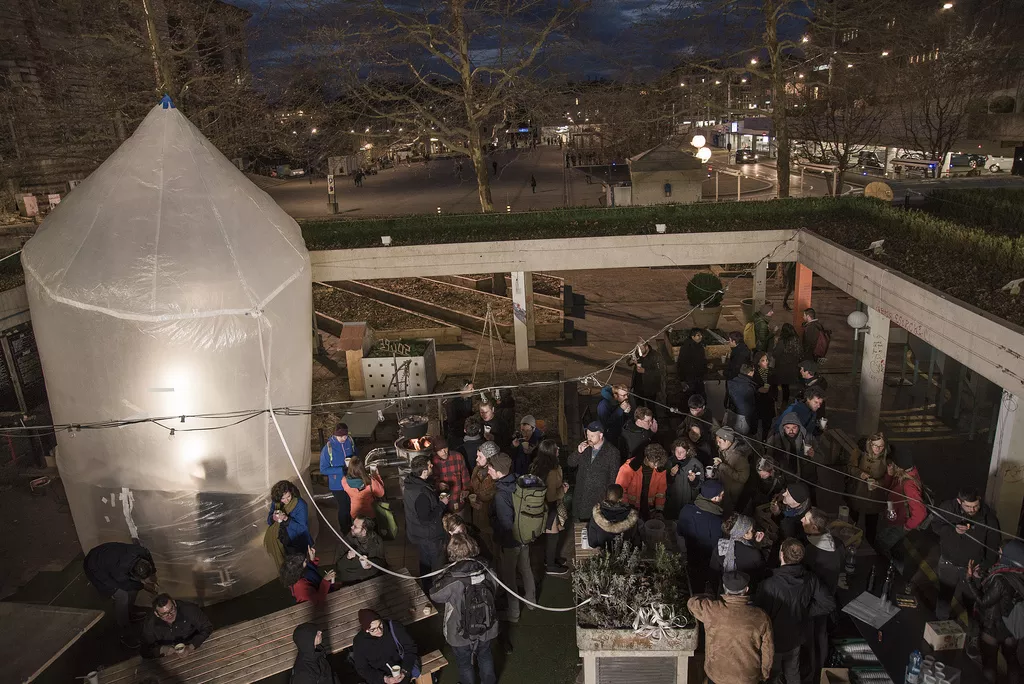
A Swiss city re-imagines public space and experiments with direct democracy in the process (The Hindu 16.03.2019)

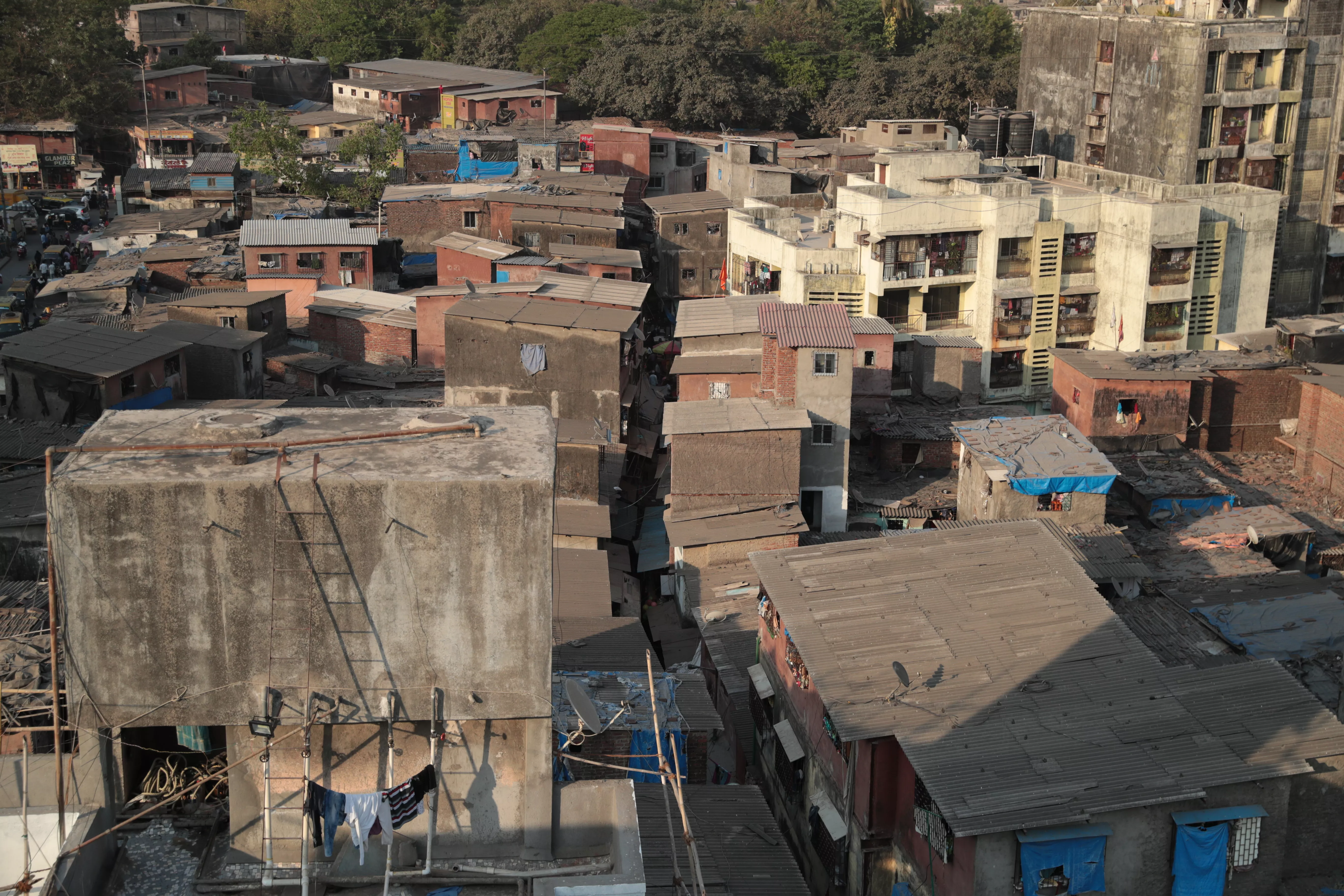

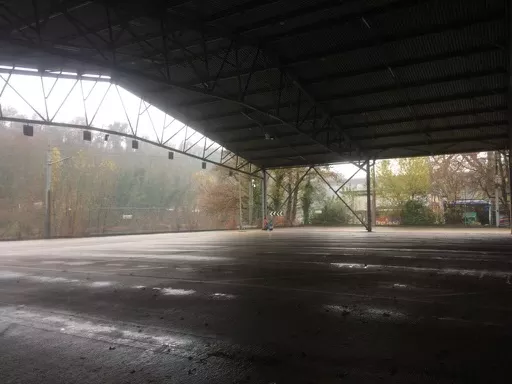
This text explores some reflections Andreas Ruby started to develop when participating in the workshop "Limites x Limites", organised by Aidec and ConstructLab, which questioned the uses and design of a future park in Geneva's iconic neighbourhood "Jonction".
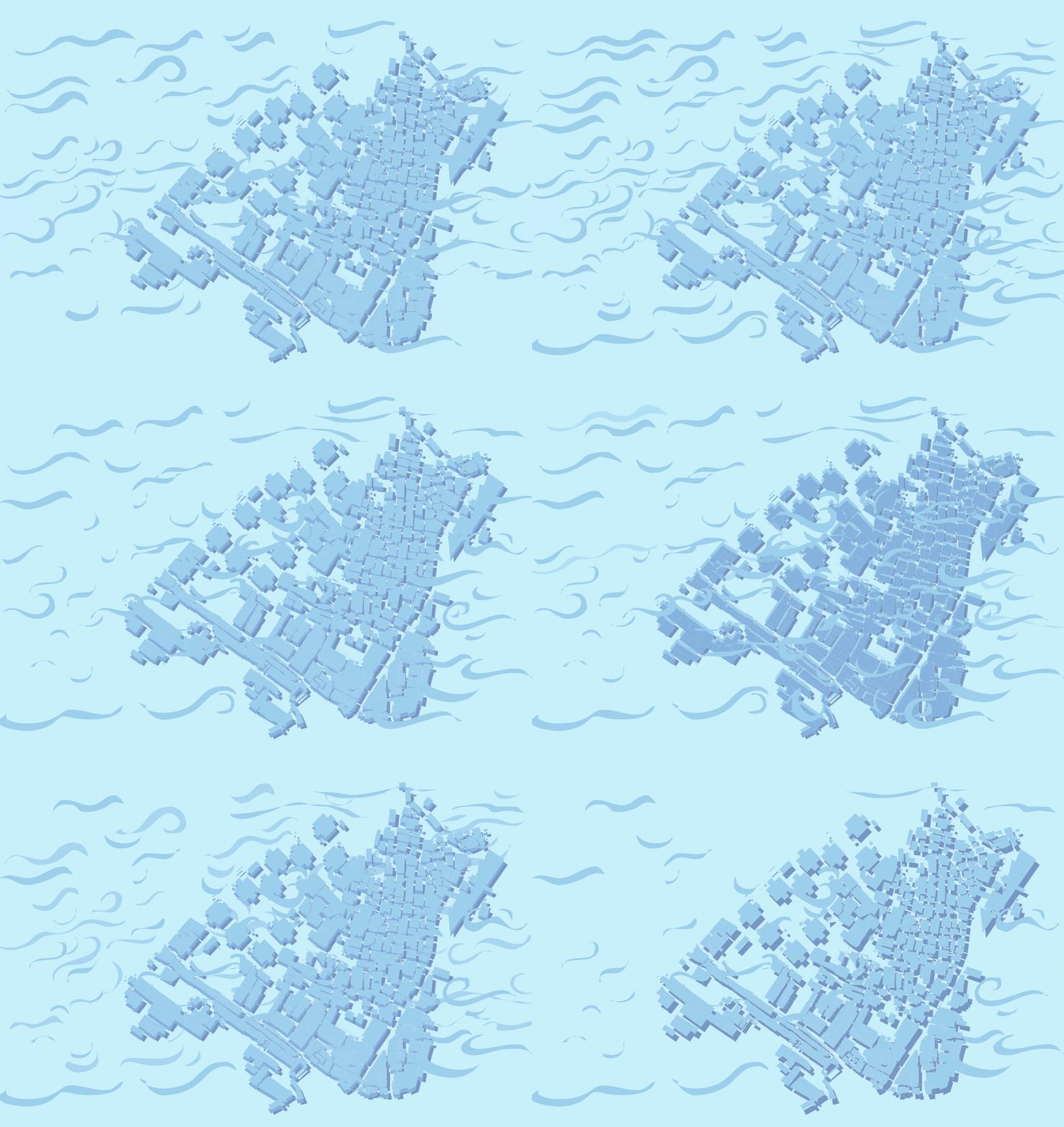
Koliwada's are fishing hamlets in Mumbai city and unlike most settlements, they extend beyond terrestrial boundaries. The waters of rivers, creeks and seas, all form part of an amphibious habitat that is integral and deeply familiar to the Kolis.

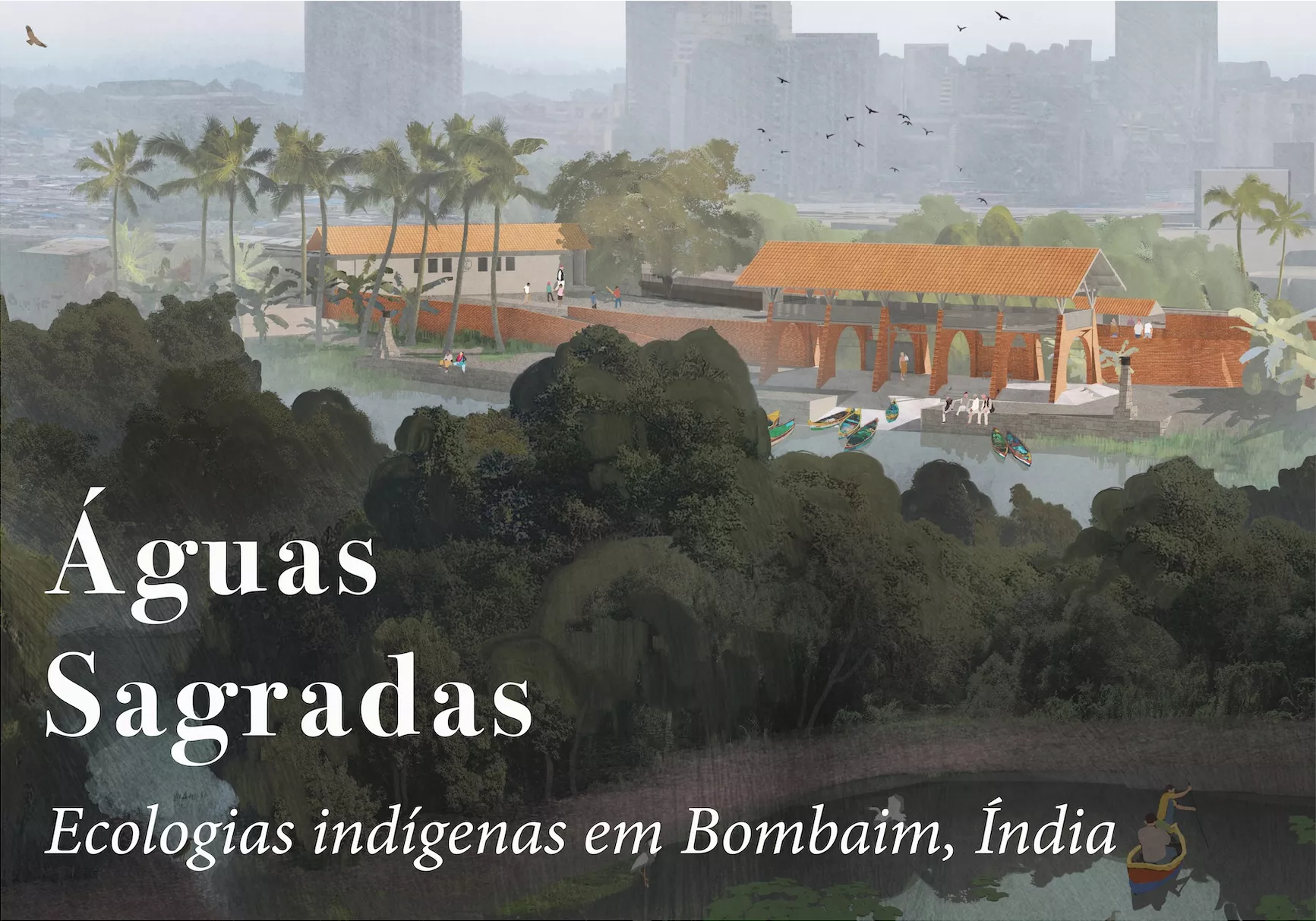
Our project with the Koli community of Dharavi - Sacred Waters/ Águas Sagradas - made it all the way from Mumbai to São Paulo, for the @14th International Architecture Biennale at the Oca, Ibirapuera Park, São Paulo!
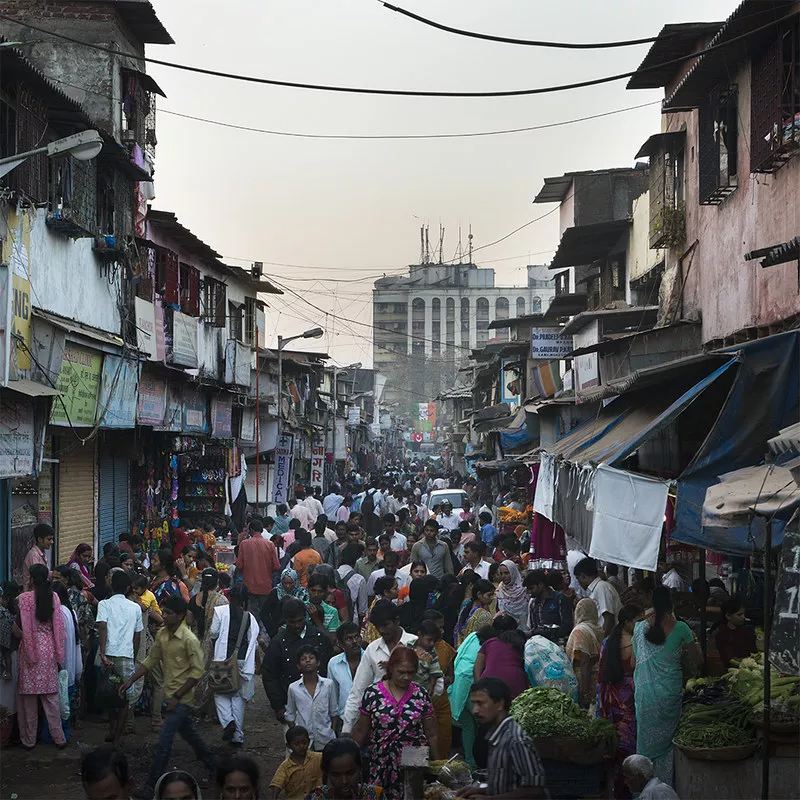
Dharavi has been an interesting setting for many Mumbai based films. This article discusses a few films from the past decades that feature Dharavi as a place central to their narratives.

Satish Dalvi, a second-generation Dharavi resident whose journey from sanitation work to caregiving exposes the layered realities of caste, labor, and survival in Mumbai. As an outspoken activist and rationalist, his quiet rebellion against exploitation and superstition carves space for dignity and resistance in the city.

This article is part of the following collection
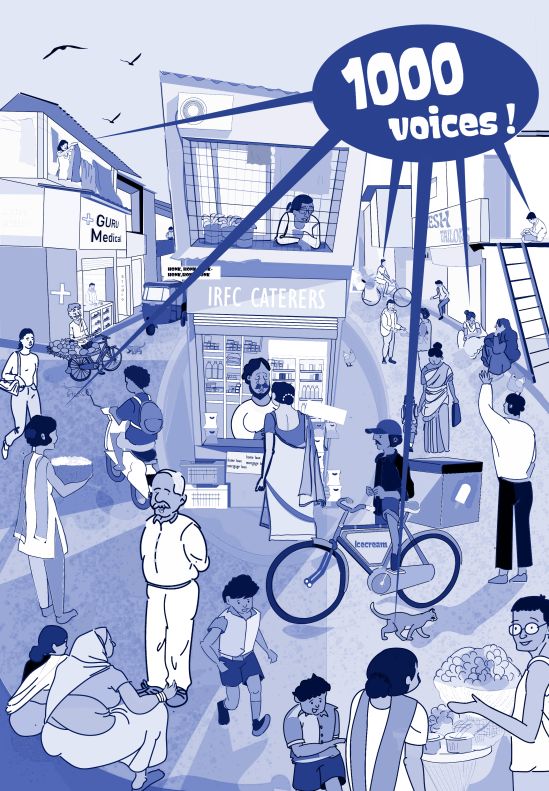
1000 Voices is a project that aims to document and understand Dharavi, Mumbai, through the perspective of people who, through their presence and activities, reproduce this fascinating homegrown neighbourhood day after day.