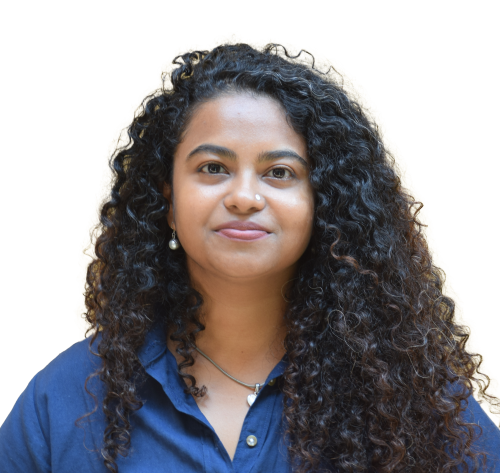
Kareena Kochery is a Landscape planner, researcher and partner of the urbz collective Mumbai. She has studied and worked for the last 18 years across India, the Netherlands and Geneva. She graduated with an MSc. in Landscape Architecture and Regional Planning from Wageningen University and Research Institute, Netherlands. She specialised in Cultural geography, with a focus on animal geography. As a landscape planner, she is involved in advocacy for the ecological planning of river basins and is committed to working on community-led environmental planning projects.
She has worked closely with local communities, state and municipal officials and global organisations to develop interventions and frameworks sensitive to the interrelationality of urban culture, landscapes, built environments, ecology and economy. The immersive, participatory nature of her work has helped her develop skills and tools to bridge gaps between design-led and community-led planning, which remains an important goal for her.
Articles
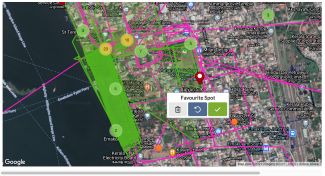
EnteKochi Review 2020
The urban design competition EnteKochi 2020 focused on integrating a participatory approach within the planning process for the city of Kochi. The competition was planned for, announced and conducted during the pandemic induced nation wide lockdown. This article provides a glimpse of the process.


Dharavi Fortnightly 03 - Dharavi on the move (in a pandemic)
While public transport is slowly resuming in the city, it is still inadequate to meet user needs. This issue of the Dharavi Fortnightly seeks to explore how restricted mobility due to the lockdown has affected the movement of people and goods within and around Dharavi.




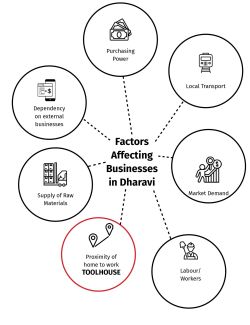
Dharavi Fortnightly 02 - The Toolhouse Story
One month after the extended lockdown ended on August 31st, we speak to our respondents to know how they are coping. Based on their responses, and first-hand observations of our very own team member in Dharavi, it seemed like life had bounced back to normal. We explore how the Tool-house, a live-work housing typology, may have contributed to this.

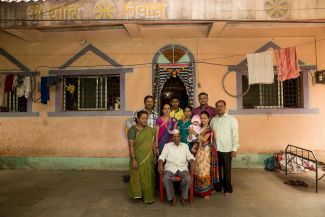
Dharavi Fortnightly 01 - A New Normal
As the new normal sets in, and Dharavi gears up to resume business as usual, its vital workforce is on their way back or have been here for some time now. With various discourses about India’s lockdown policy claiming an exodus of workers from cities, our first issue of Dharavi fortnightly attempts to present a parallel narrative through the lens of circulatory urbanism.
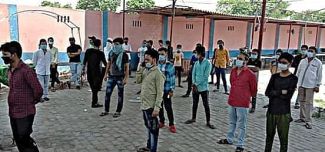
Dharavi Weekly 05 - The Village Issue
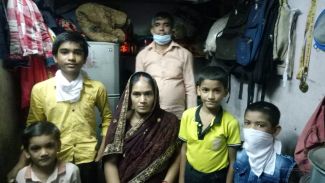
This is the fifth weekly report on how Dharavi workers and families are faring away from Mumbai. This report highlights their journey and life back home in the time of Covid-19.
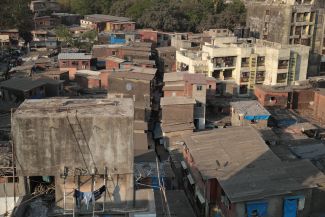
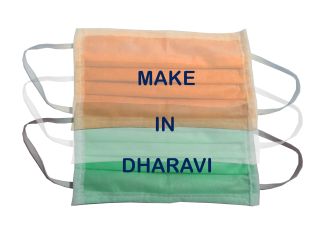
Dharavi vs Virus
March 24th, India went into a 21 day lock down to maintain social distancing. People were asked to work from home, only step out for essentials and wash their hands frequently. Prior to this announcement, the inter and intra state transportation was restricted. These were part of ‘crucial’ efforts to curb the spread of the novel Covid-19.
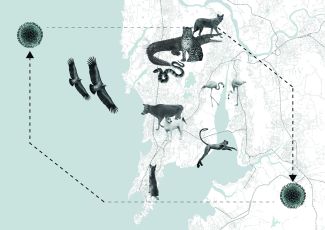
COVID-19 in a post-wild world
Indian cities are habitats for a vast number and variety of animals. It has taken a lockdown to spotlight these creatures living in and around our cities.
A Mangrove experience
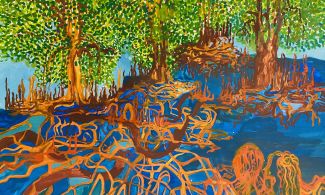
In this article we discuss ways of making an immersive mangrove experience available to people. We propose varying degrees of engagement, from a full blown Koli experience to Mangrove Machans.