urbz at the World Urban Forum
Authors
Authors

urbz at the World Urban Forum
Authors
Authors
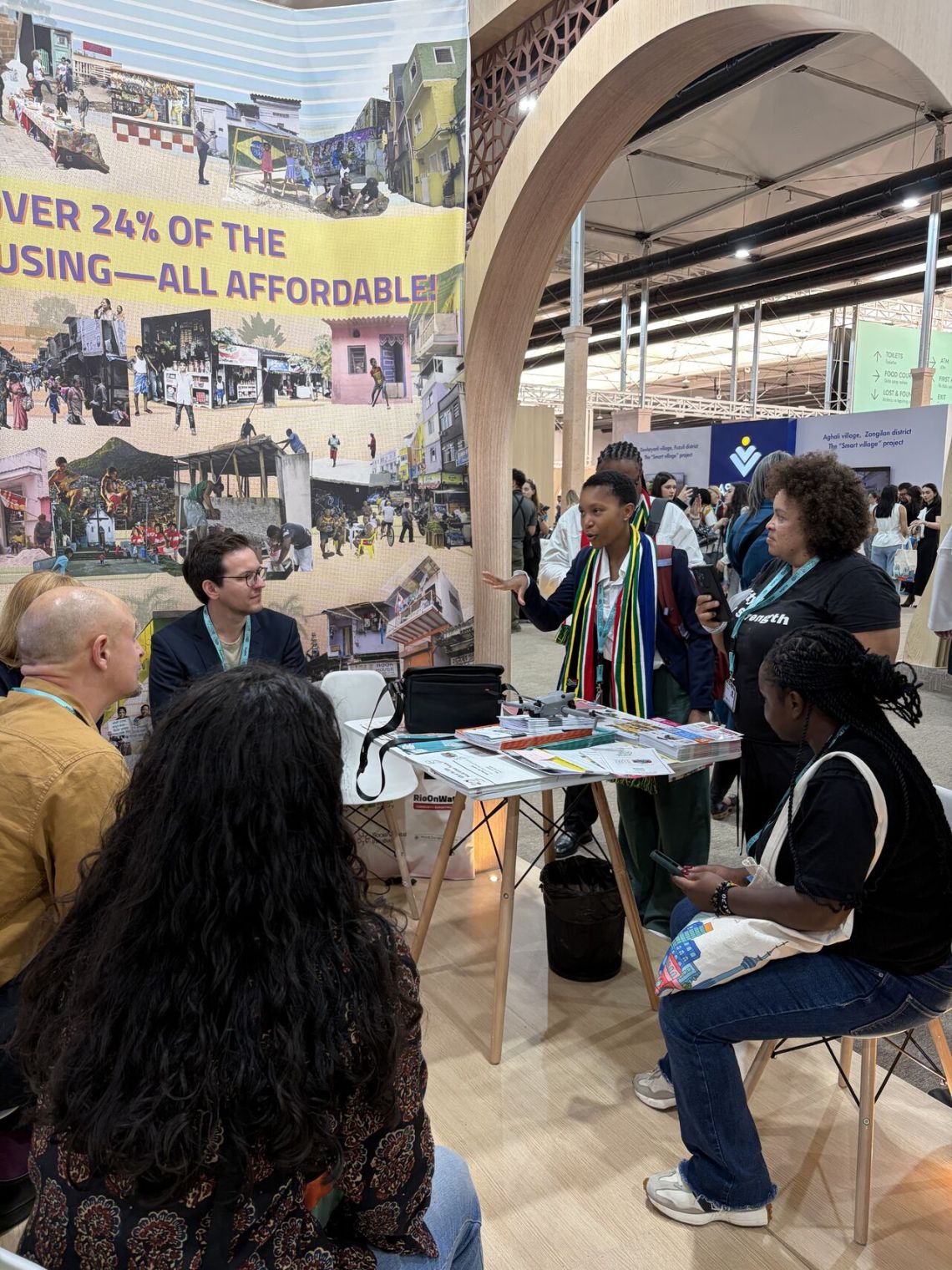
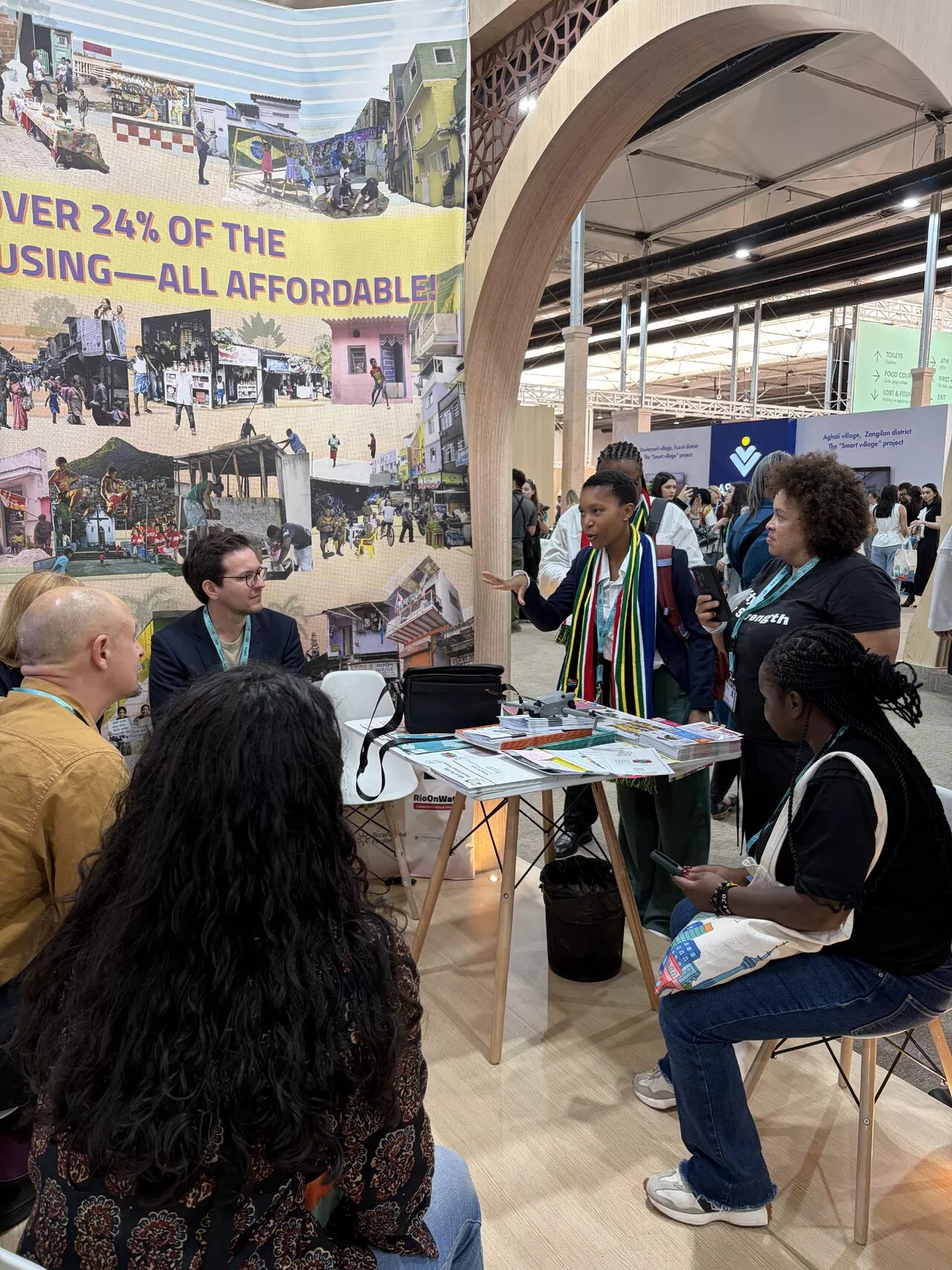
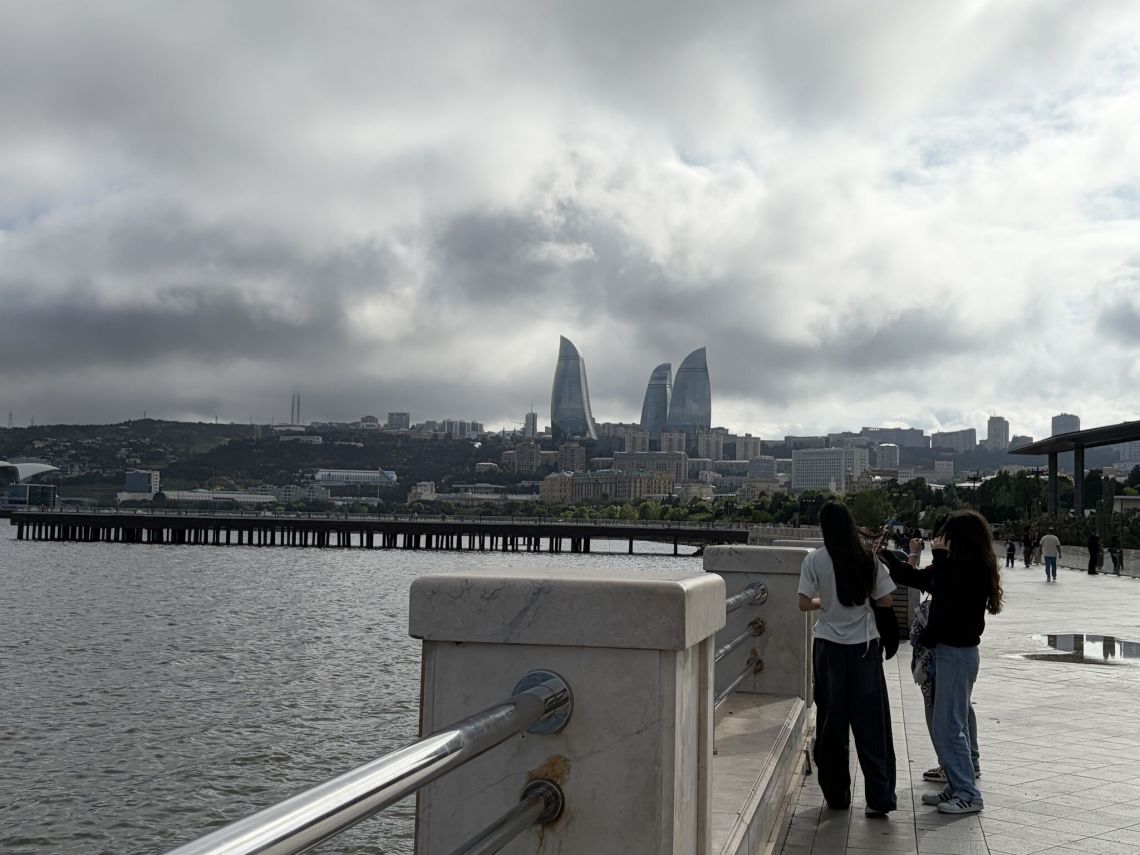
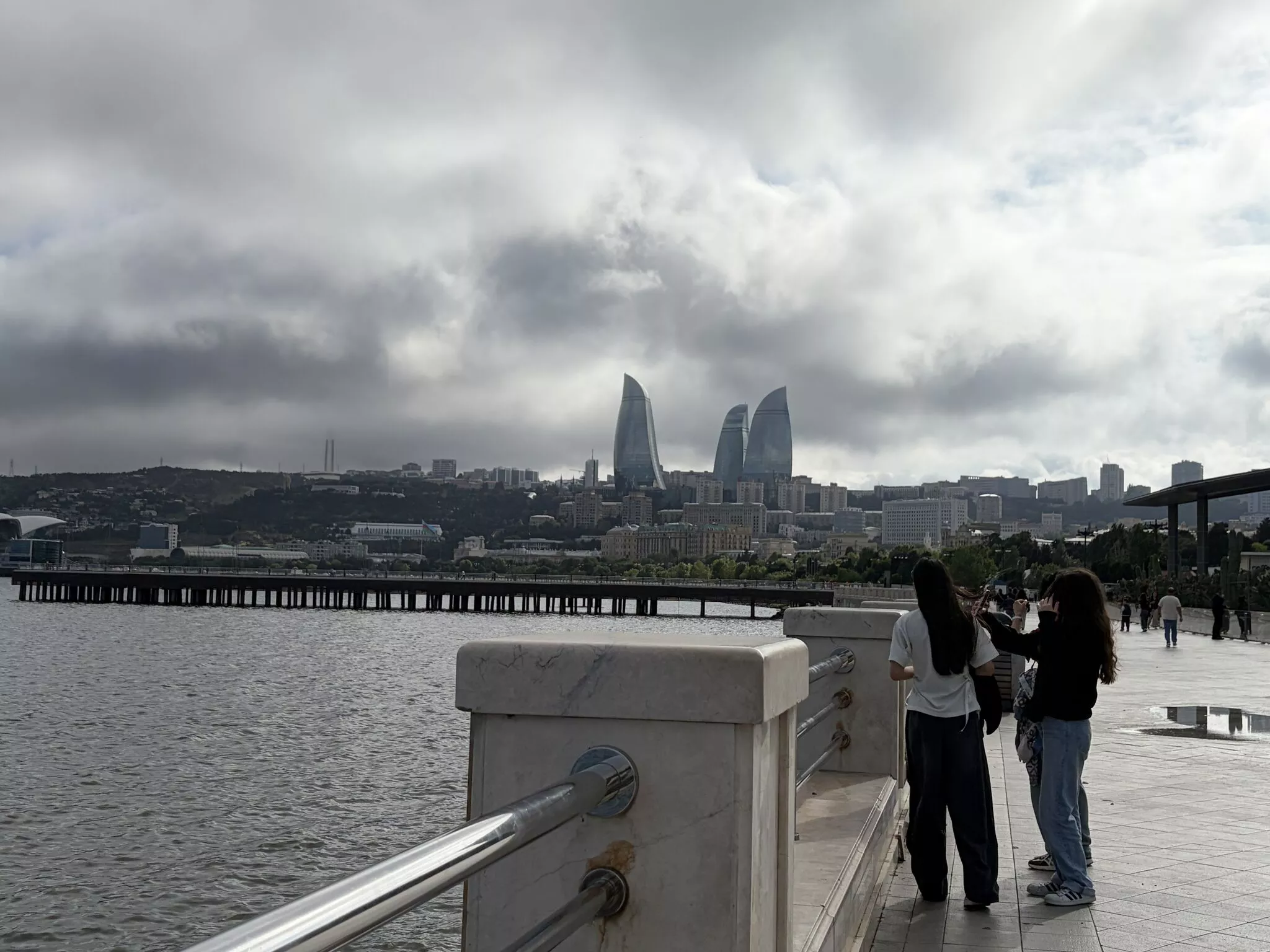
This week, urbz is at the 13th World Urban Forum, joining over 40,000 urban thinkers, policymakers and practitioners from 182 countries gathered in Baku, Azerbaijan, around a pressing question: how do we house the world?
For us, the answer begins in places like Dharavi. Neighbourhoods that have long been dismissed as problems to be solved — erased, relocated, “formalised.” But decades of working alongside communities in these settlements have shown us something different: an extraordinary wealth of local knowledge, skill and resourcefulness that quietly houses millions of people the formal city has failed to reach.
We call these Homegrown Neighbourhoods — a name that reflects what they truly are: communities built from the ground up, through the collective effort, ingenuity and determination of the people who live in them.
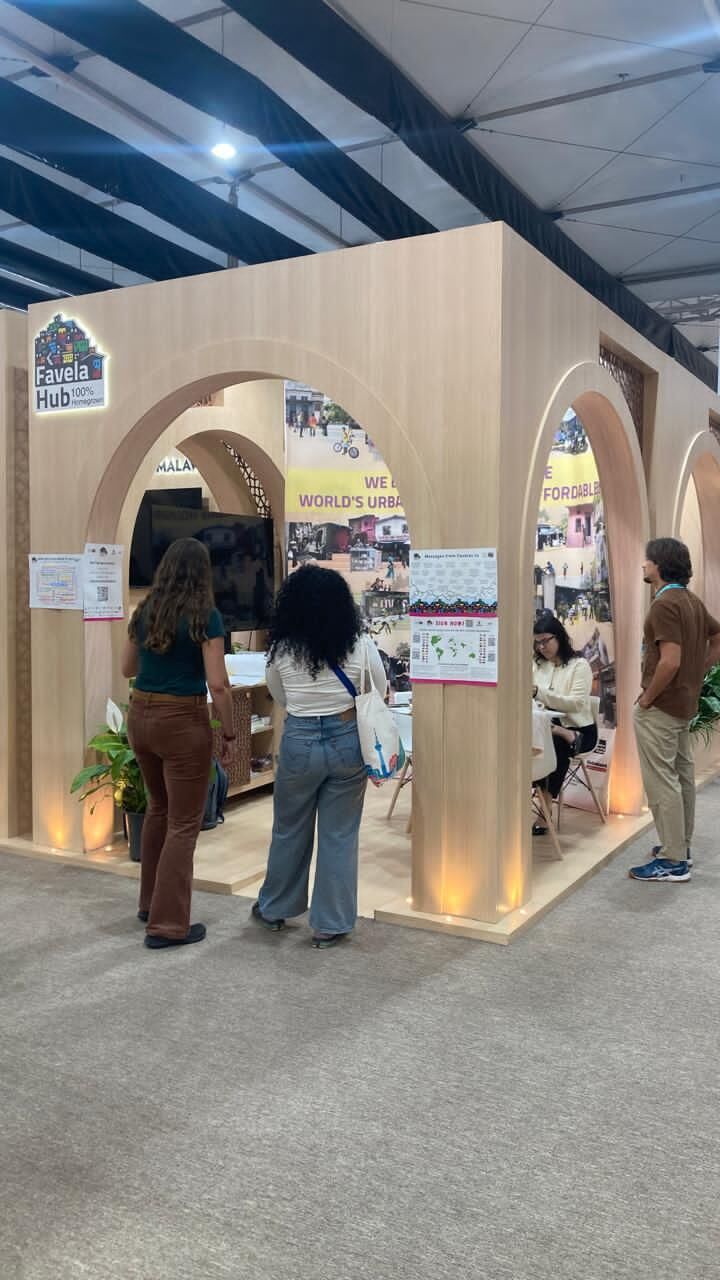
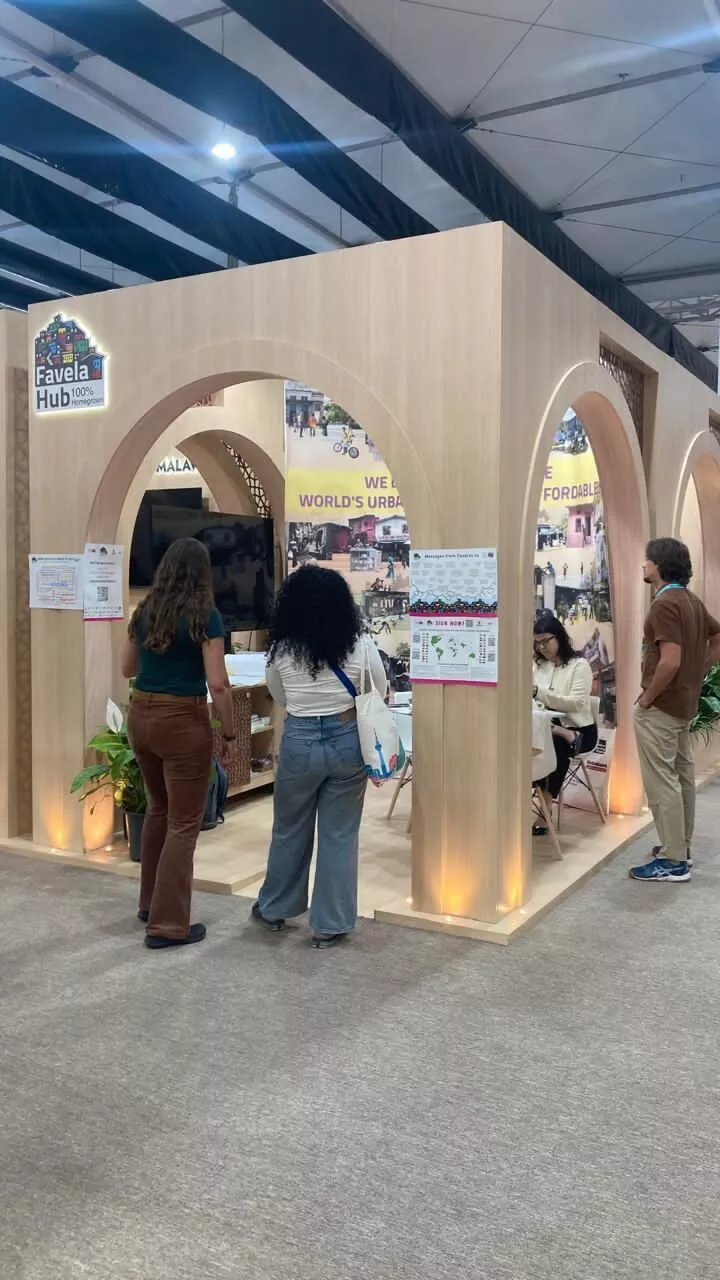
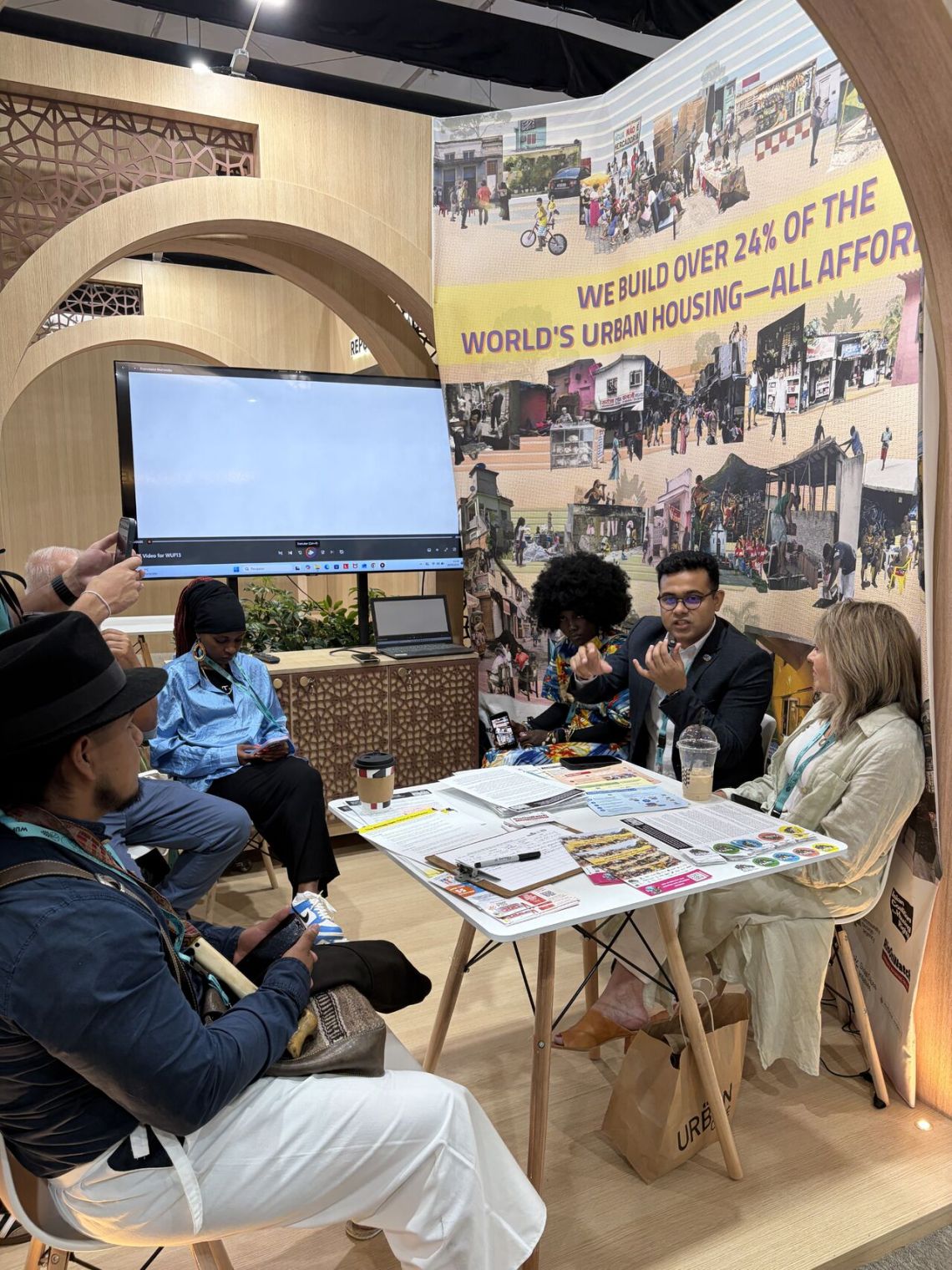
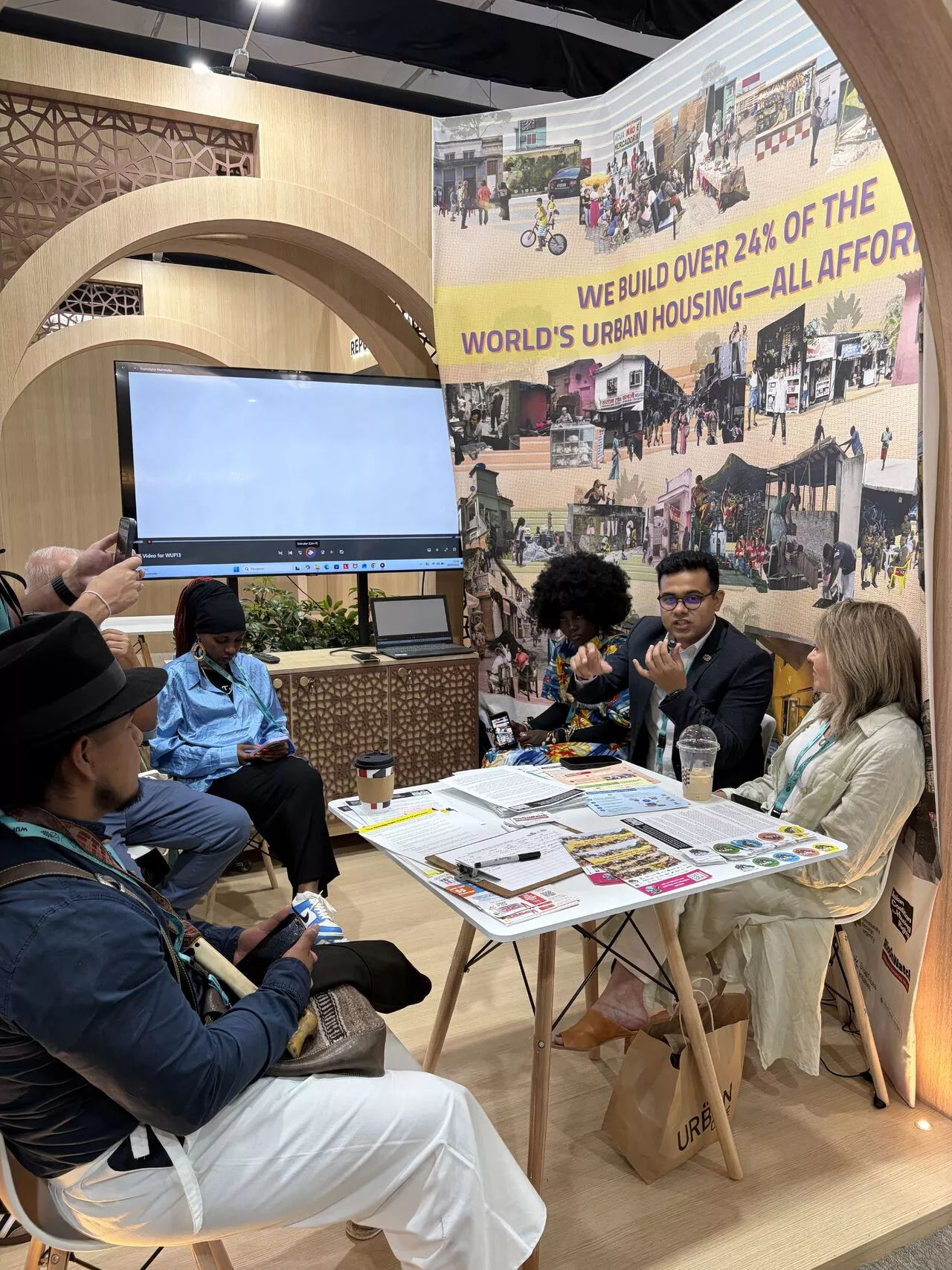
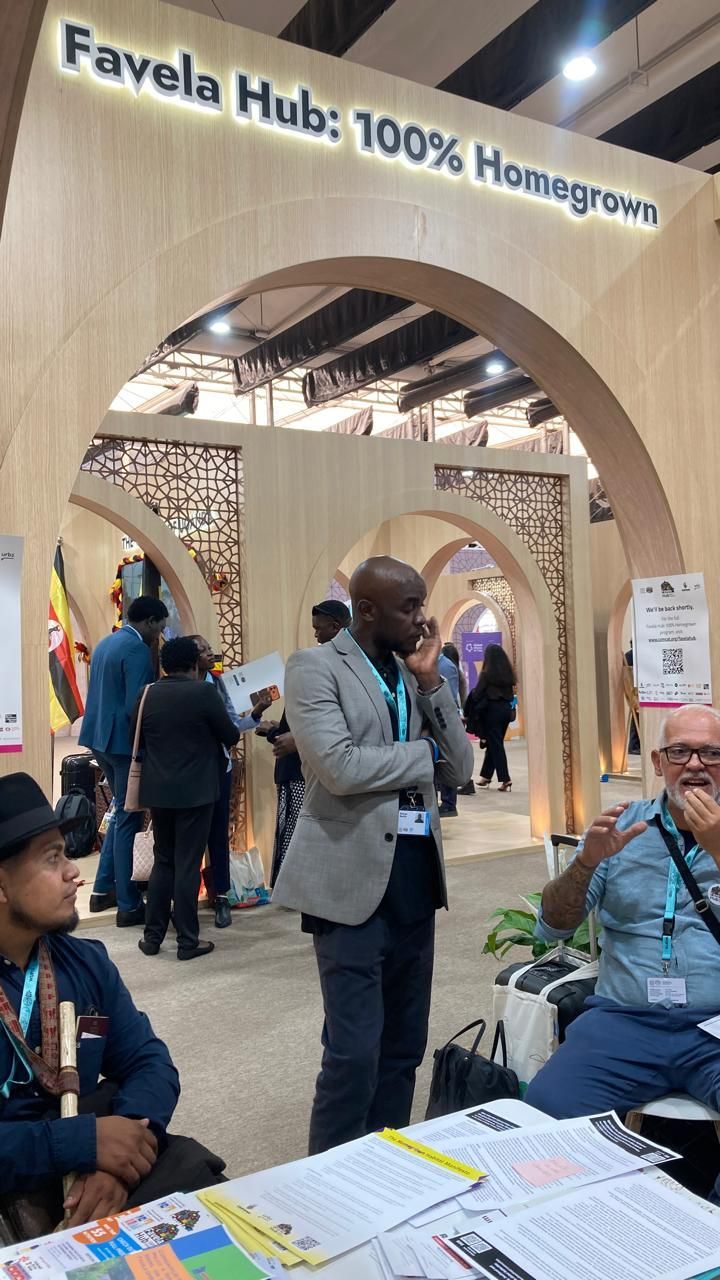
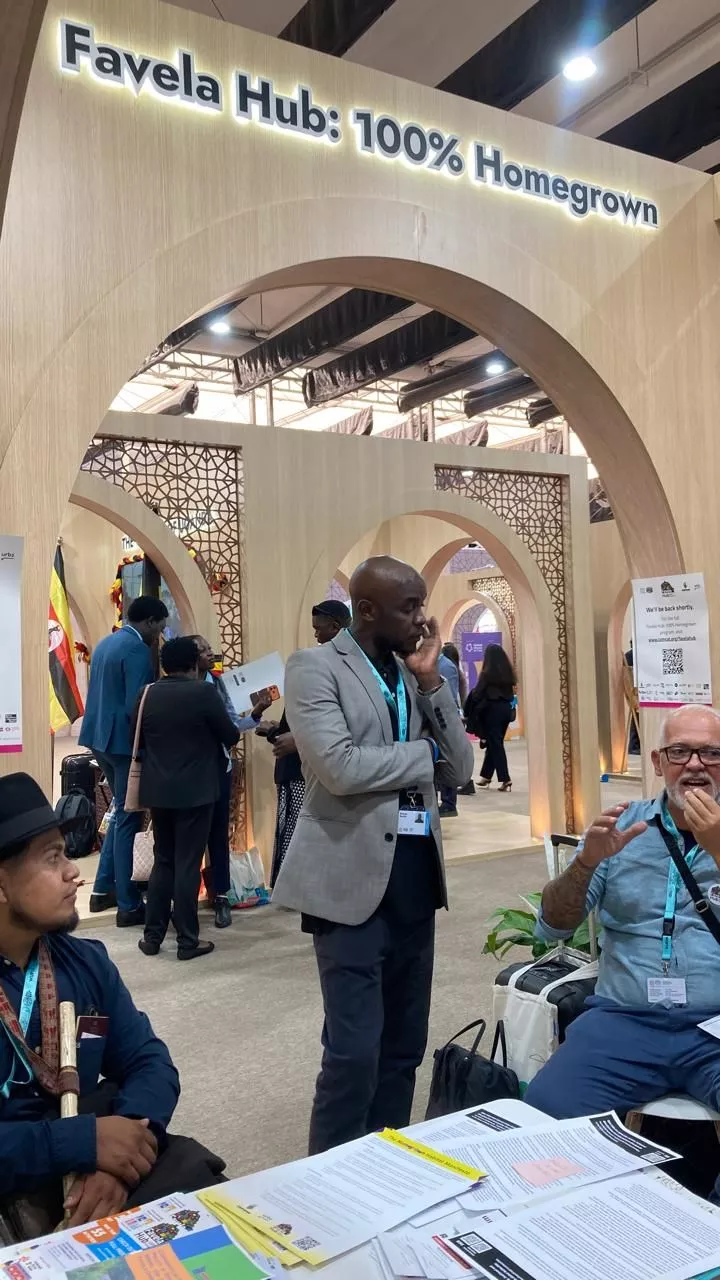
Our organising partners at Catalytic Communities | Comunidades Catalisadoras in Rio de Janeiro invited us to collaborate on our exhibit - "Favela Hub - 100% Homegrown" - at WUF13. Together we bring homegrown neighbourhoods into focus — through videos, collages and conversations that draw from favelas in Rio and Dharavi in Mumbai. Not as cautionary tales, but as sources of insight and inspiration.
On 21 May, at 13:00 AZT, we will launch Homegrown City, the new book by urbz founders Rahul Srivastava and Matias Echanove. Joining us online, Rahul and Matias will be in conversation with participants and visitors at the Forum — a fitting moment to discuss a book that grows directly out of decades of work in homegrown neighbourhoods.
For the full program, visit https://lnkd.in/dsiar8Pa
A big thank you to our participating partners:
Raizes Em Movimento PopuLab Laboratorio de Barrios Populares urbaMonde SDI. (Slum Dwellers International) World Habitat HIC GS - Habitat International Coalition General Secretariat Geres Asian Coalition For Housing Rights (ACHR) Humanitarian OpenStreetMap Team Kounkuey Design Initiative Society for the Promotion of Area Resource Centers (SPARC) TETO Brasil Sustainable Favela Network Urban Poor Consortium Habitat for Humanity International Community Design Agency RioOnWatch Favela Community Land Trust Turning Tides Data labe Cairo University Consortium for Sustainable Urbanisation FGV Cidades City Space Architecture Local Learning Studio Social Capital Initiatives Royal Danish Academy - Institute of Architecture and Technology Columbia Climate School
People involved

Related articles
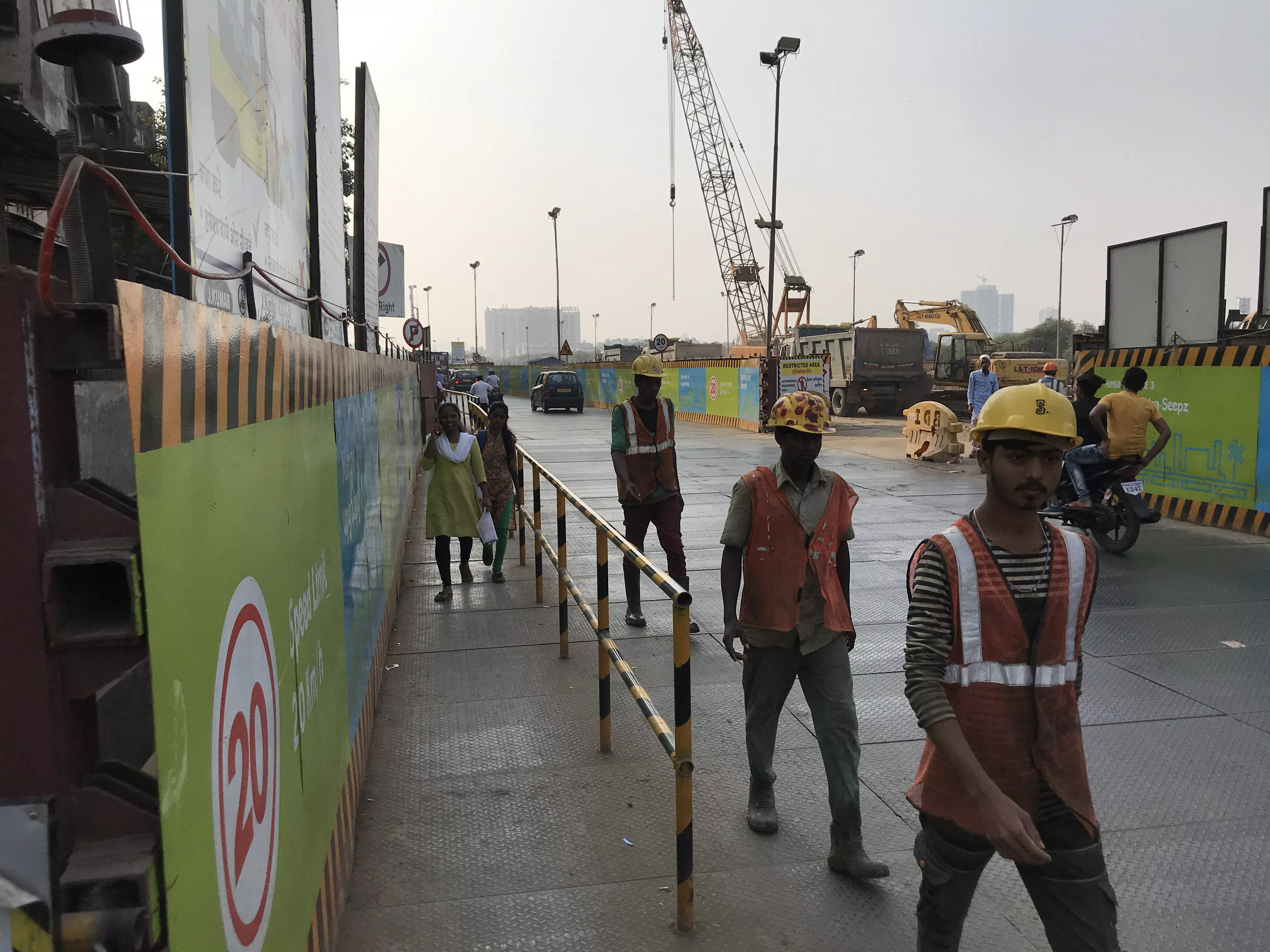
How the Mumbai Metro line 3 could affect Dharavi.


Gracias a la invitación de la Universidad San Martin de Porres en Lima – Perú el equipo de Urbz Colombia tuvo la oportunidad de organizar el Taller Fronteras de Segregación, hacia una integración social de espacios fragmentados. Este taller se organizo en el marco del XXIII Congreso Internacional de Ingeniería, Ciencias Aeronáuticas y Arquiforo “Visión 2018”, un evento anual que realiza la Facultad de Ingeniería y Arquitectura.



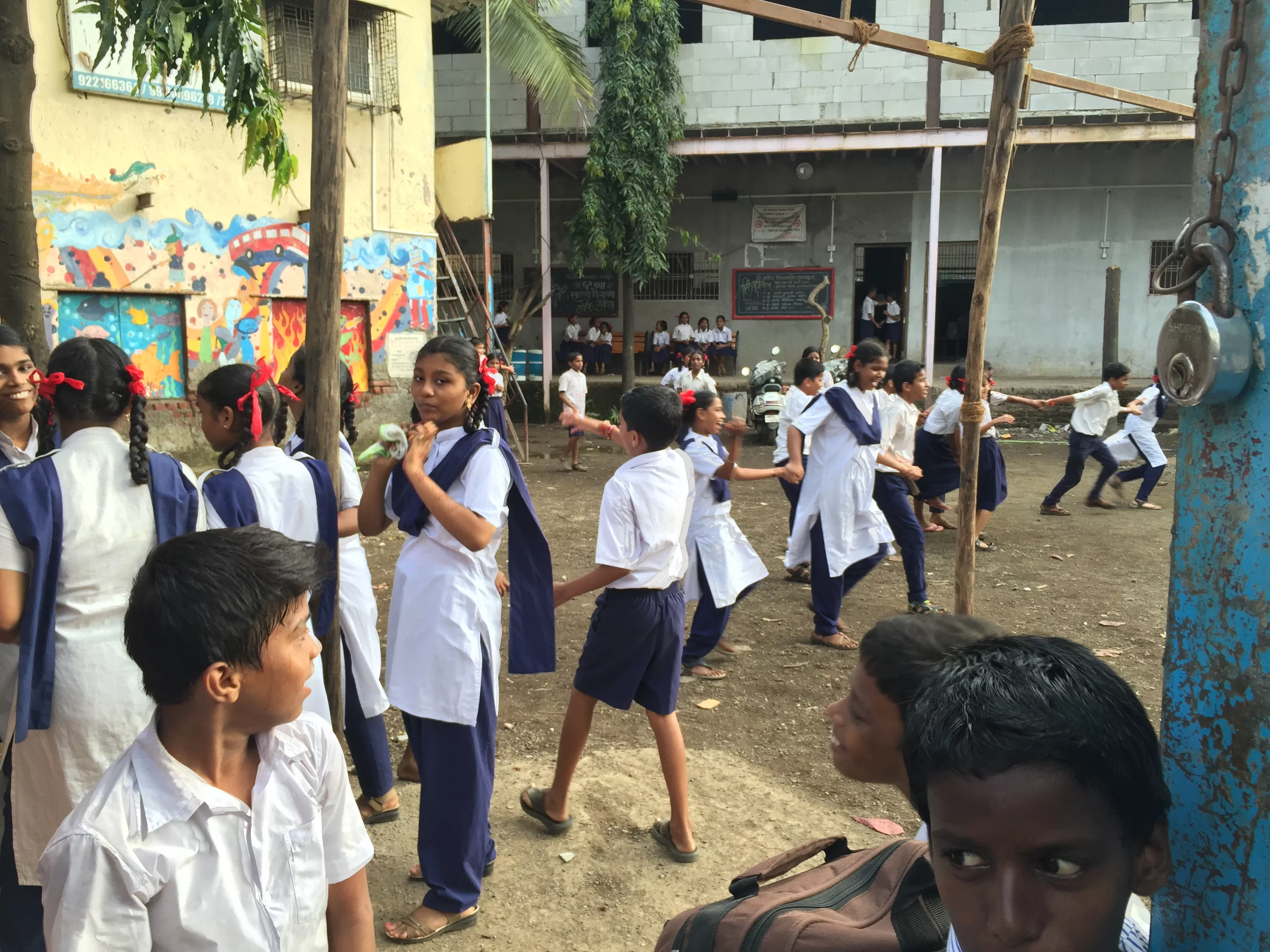
Tvisha is a school teacher from Dharavi who talks about the difference in private and public education in Dharavi, and her experience living there.*


A new series of Make in Dharavi focuses on the neighbourhood of Kumbharwada, famous for its pottery. Part 1 looks at the history of the area and some of the issues it's facing today.
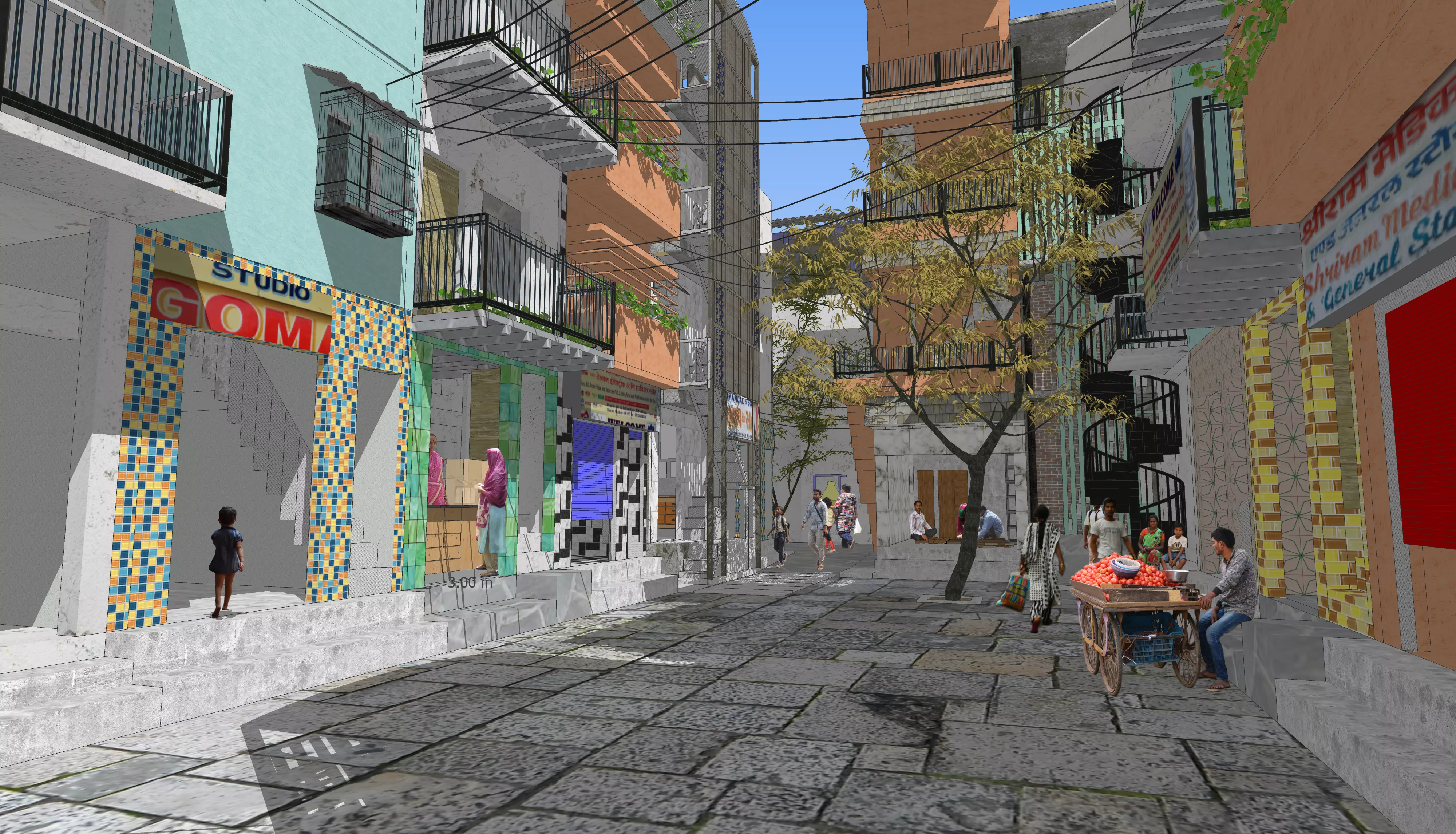
This animation presents what Dharavi could look like if it was allowed to continue develop incrementally. All designs in the video were conceived by contractors living and working in Dharavi, Mumbai, as part of the Design Comes as We Build project.