Following the Water: NYUAD returns to Dharavi Koliwada
Authors
Authors
Following the Water: NYUAD returns to Dharavi Koliwada
Authors
Authors
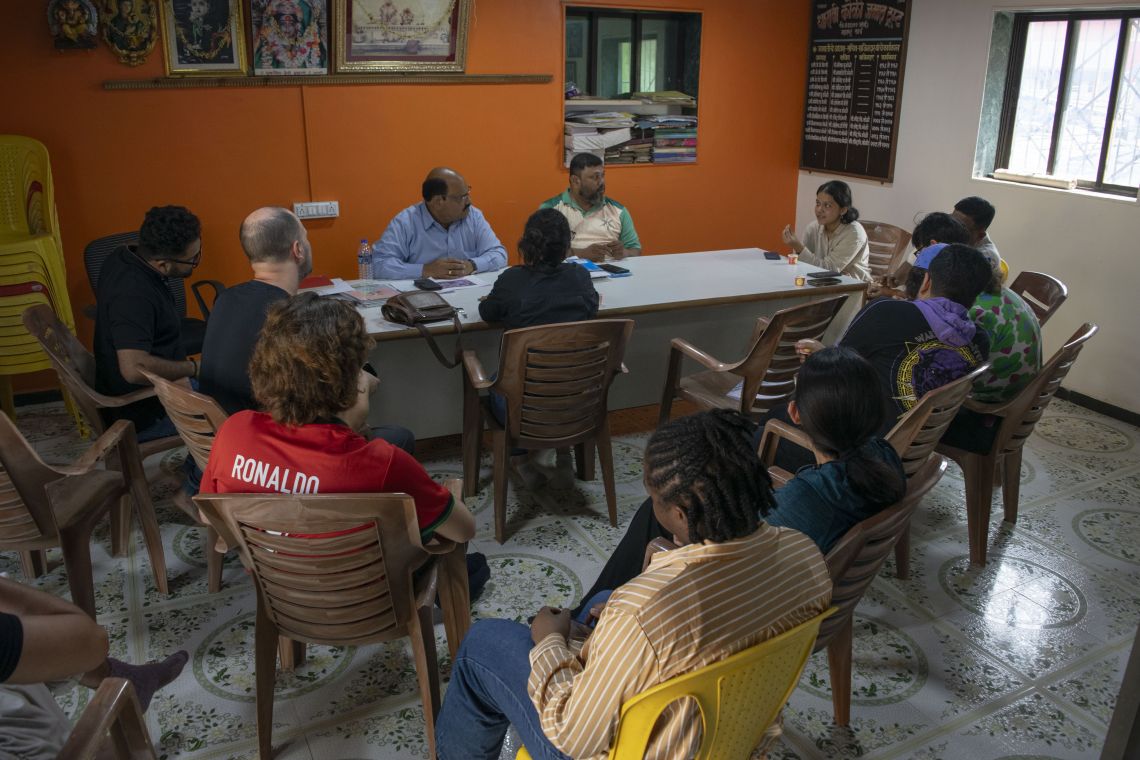
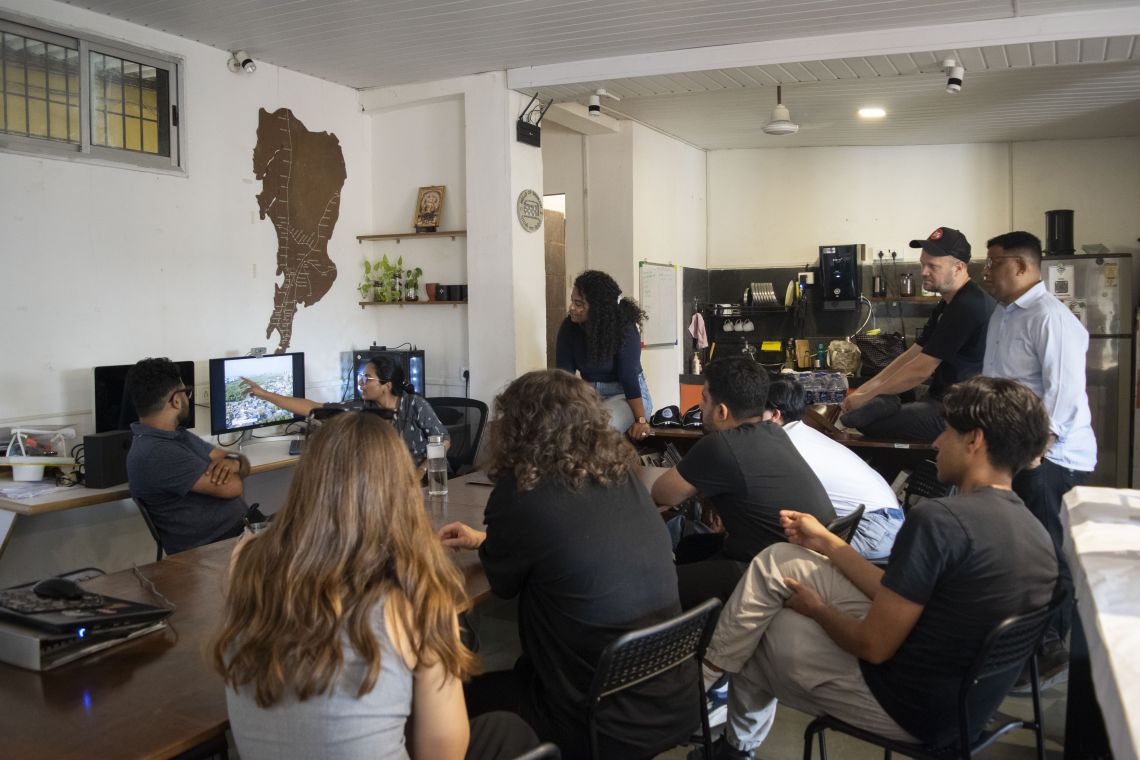
The Handstorm workshop in Dharavi, with the Engineers for Social Impact from NYU, Abu Dhabi took place for the second time this year in October, 2025. The soon-to-be engineers embarked on a week-long journey to understand the way water flows through Dharavi Koliwada.
The urban indigenous fishing village of Dharavi has a complex relationship with water, which takes on different meanings ranging from the spiritual, the providential and the domestic. While the Kolis worship the waters around them and possess a deep ecological understanding of the estuarine landscape, their current struggle is to deal with the waters that circulate to and from their homes in an intertwined network of pipes and drains.
"One very special way in which the dual nature of water shows is water’s ability to purify as well as to clean. Water communicates its purity by touching or waking the substance of a thing and it cleans by washing dirt from its surface" - Ivan Illich, H20 and the Waters of Forgetfulness
Illich asks us to make the distinction between water that is used to purify and water that is used to clean and goes on to explore the symbolic functions of the ability of water to clean “what sticks to people, to their clothes or their streets.”
We conducted a practical exploration of these very waters. Students diligently followed the water, listening carefully to the stories it had to tell.

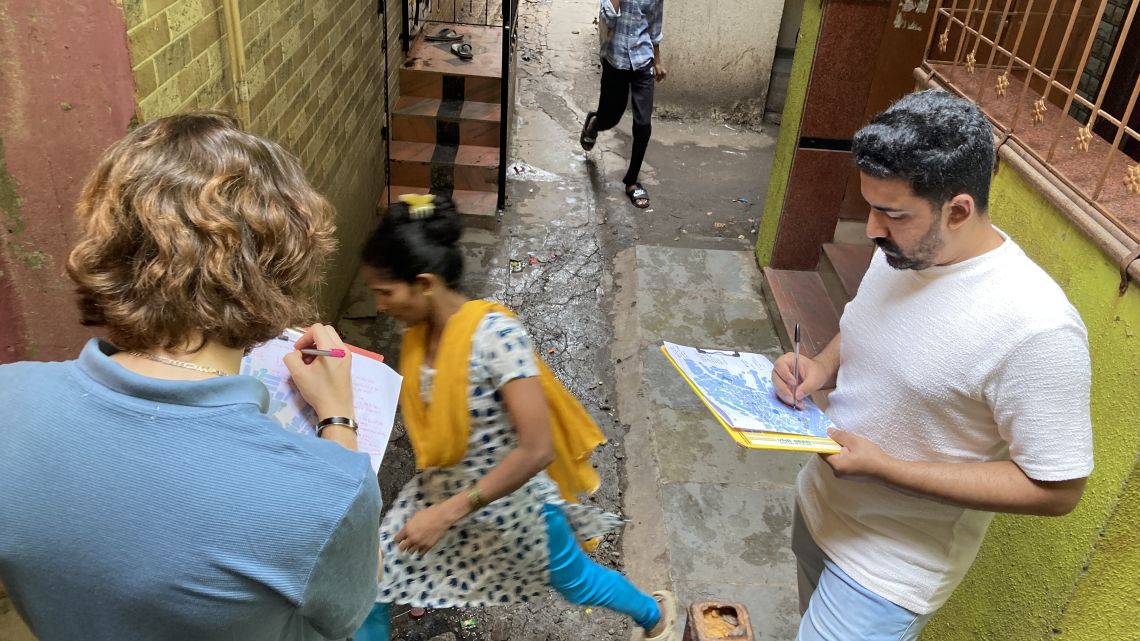

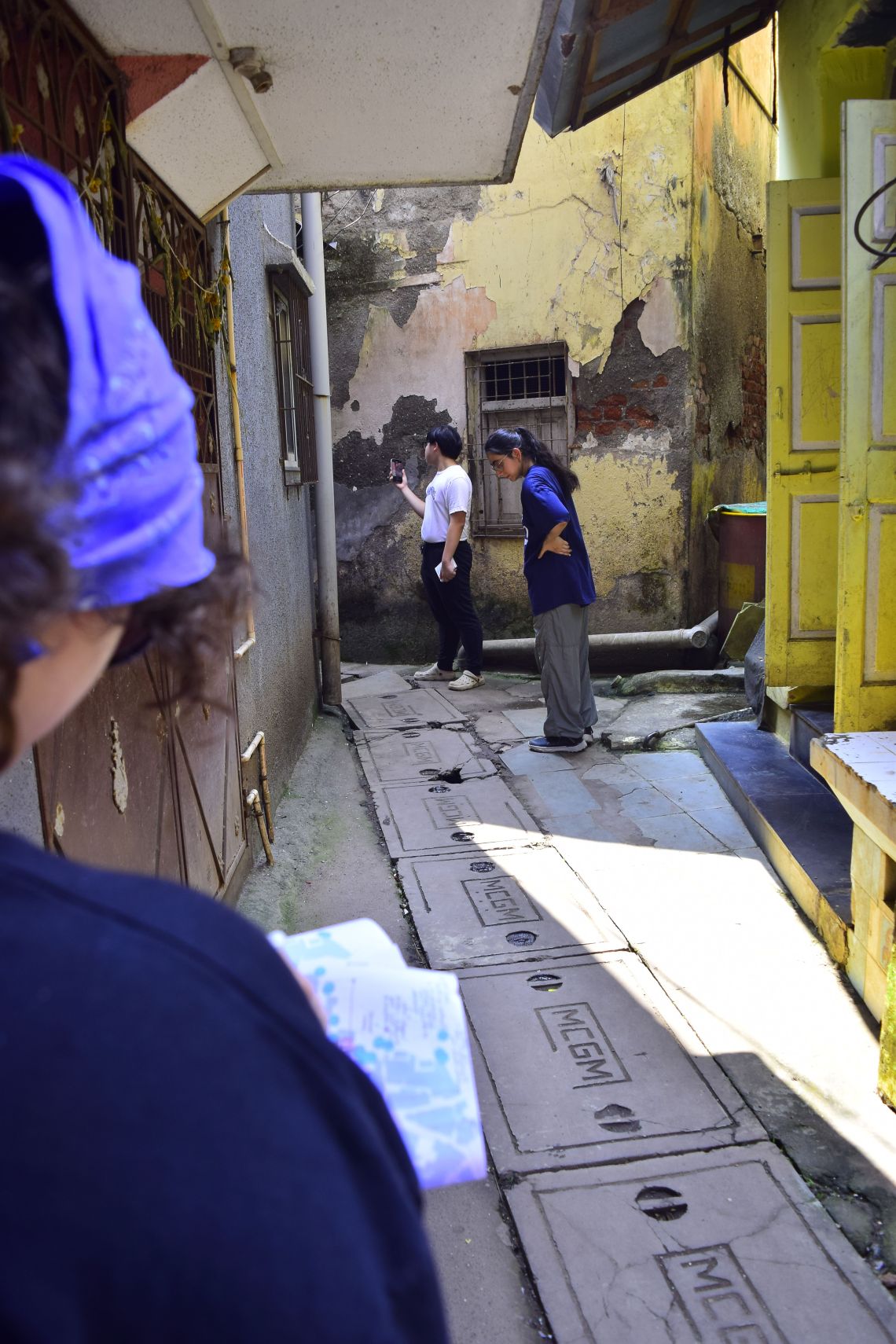

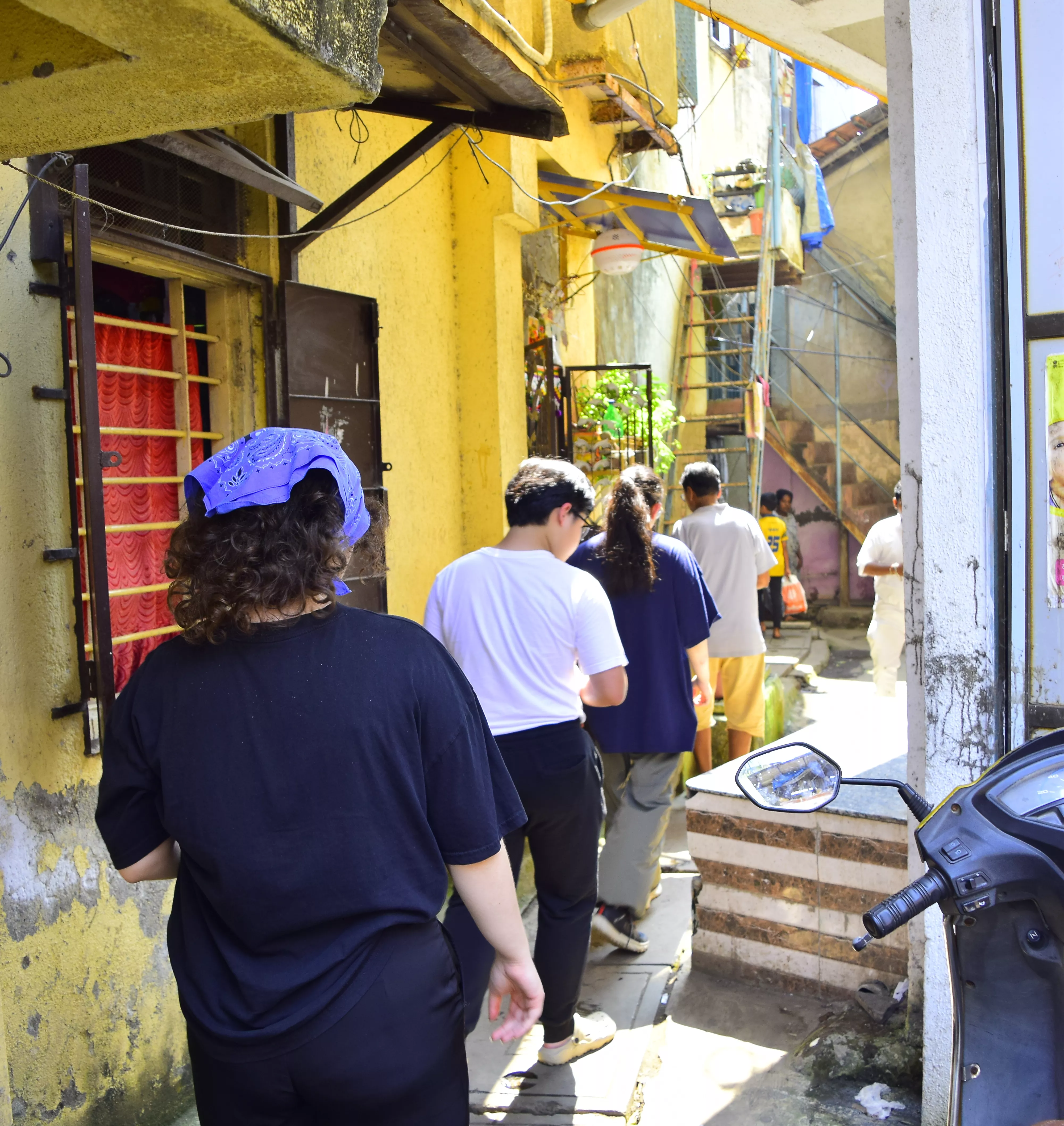
Over a week, we walked through the lanes of Dharavi Koliwada, observing Water in the diverse and unexpected paths that it took to and from people’s homes. From dripping taps, condensation from AC units, detergent-laden water used to wash clothes and vessels on the street, water burdened with sewage and other plastic waste, mysterious sources of water that trickled out of buildings and water that seeped out of the reclaimed marshy ground beneath our feet.
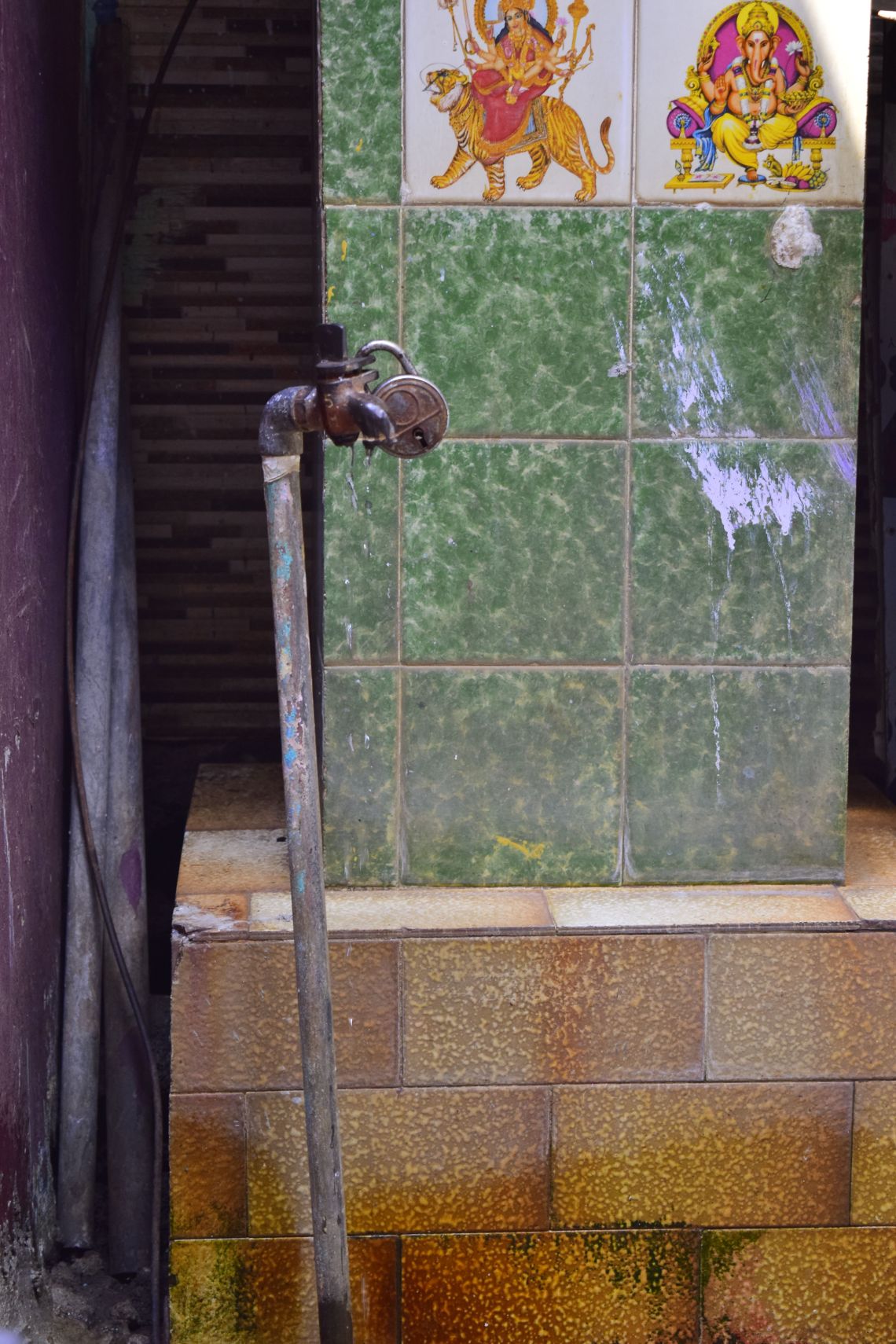

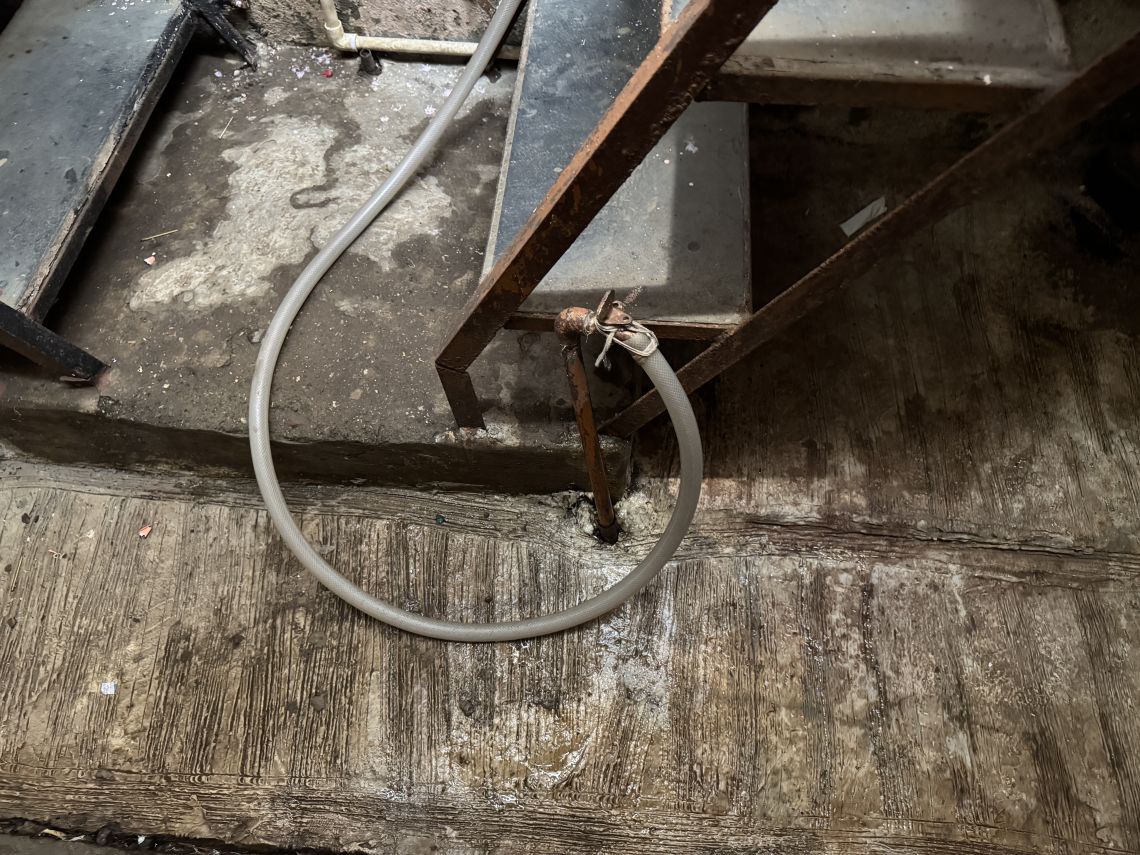

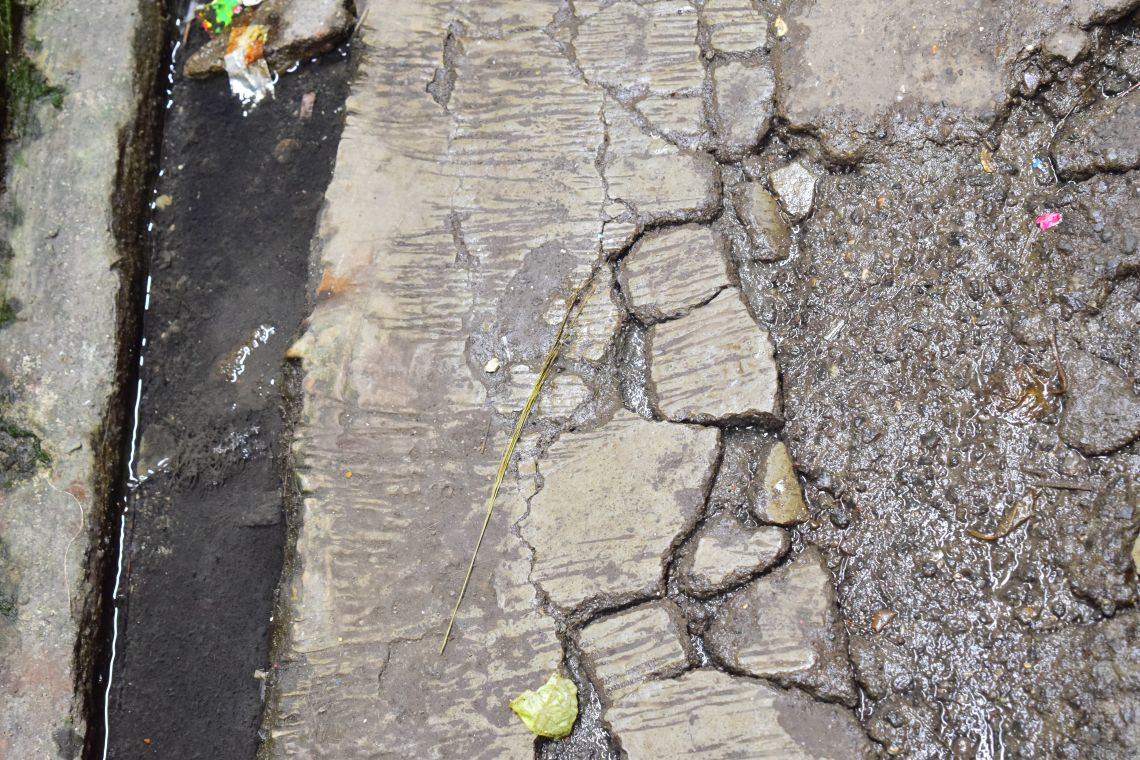

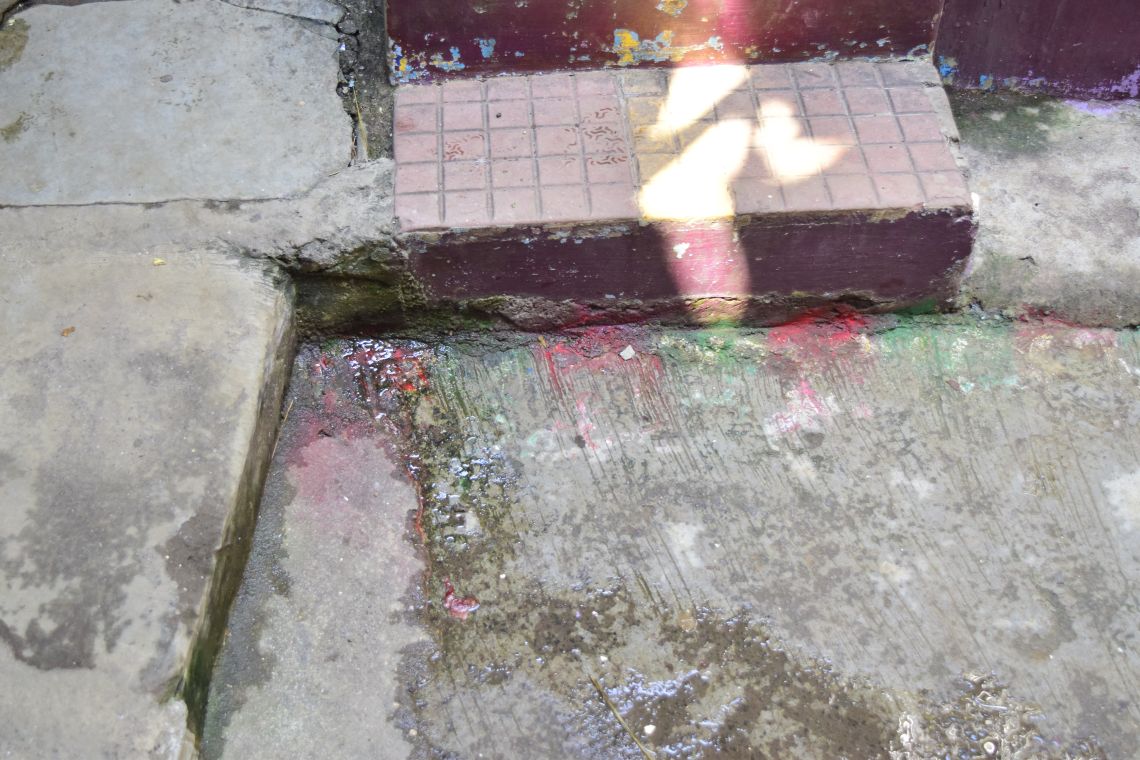

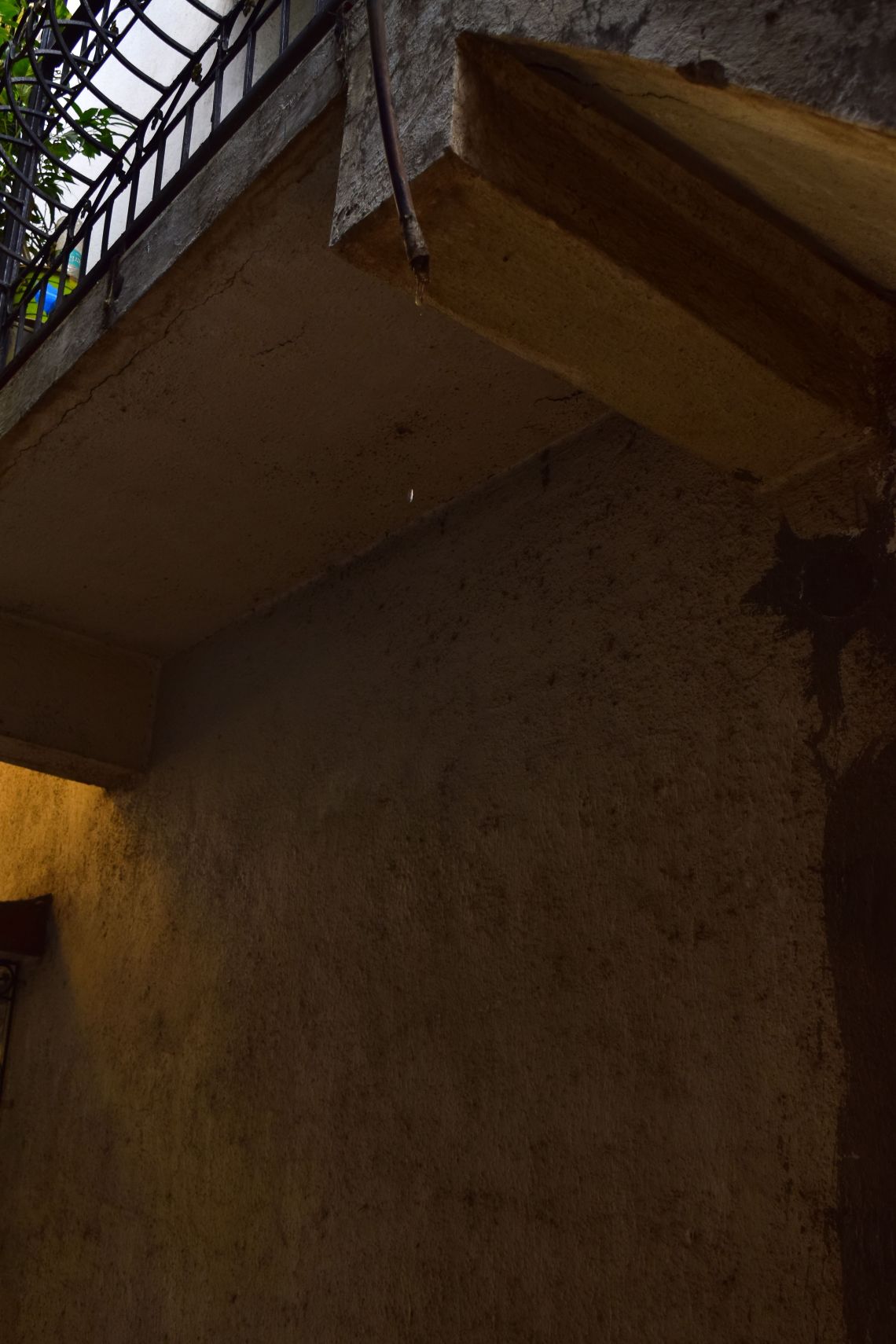

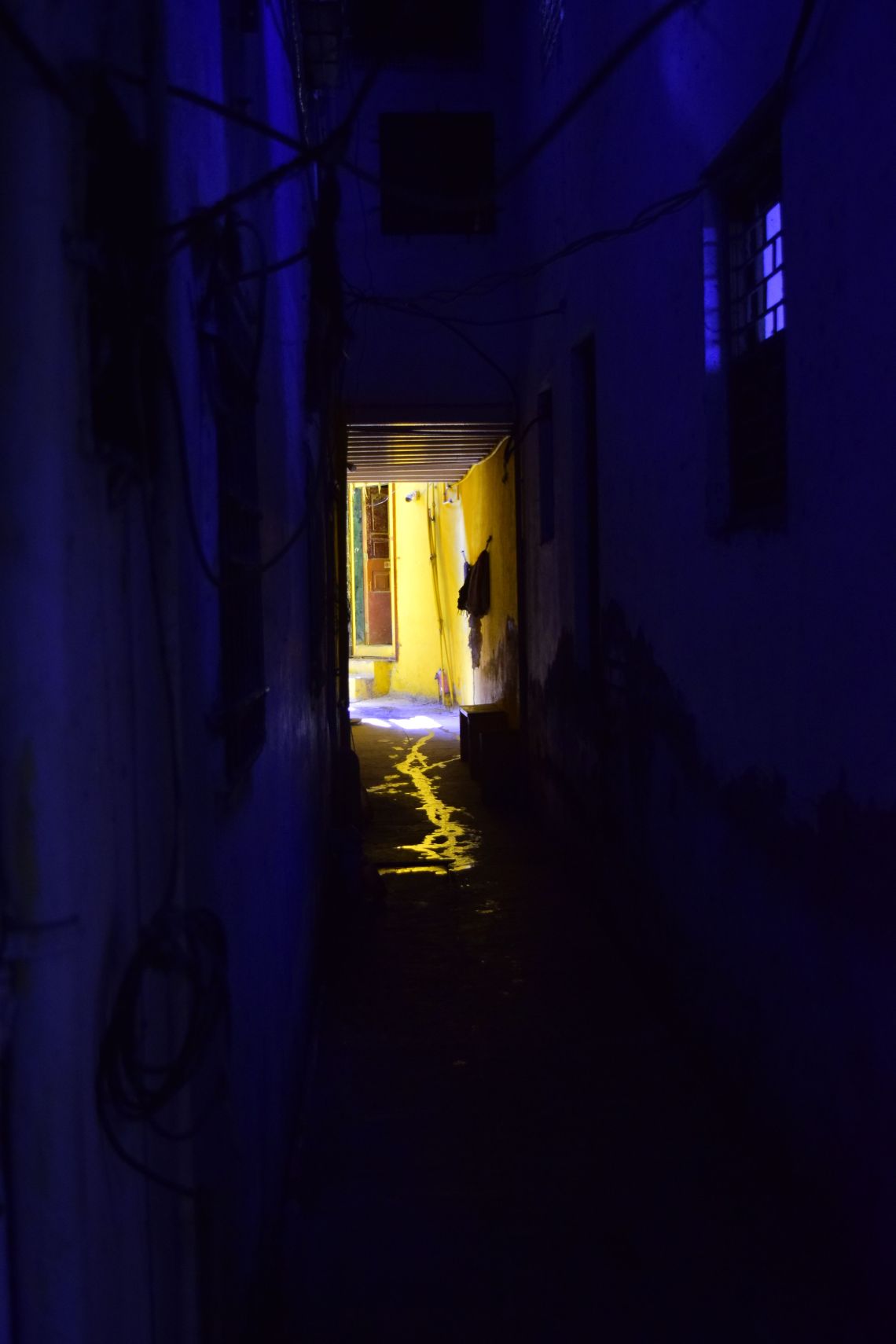

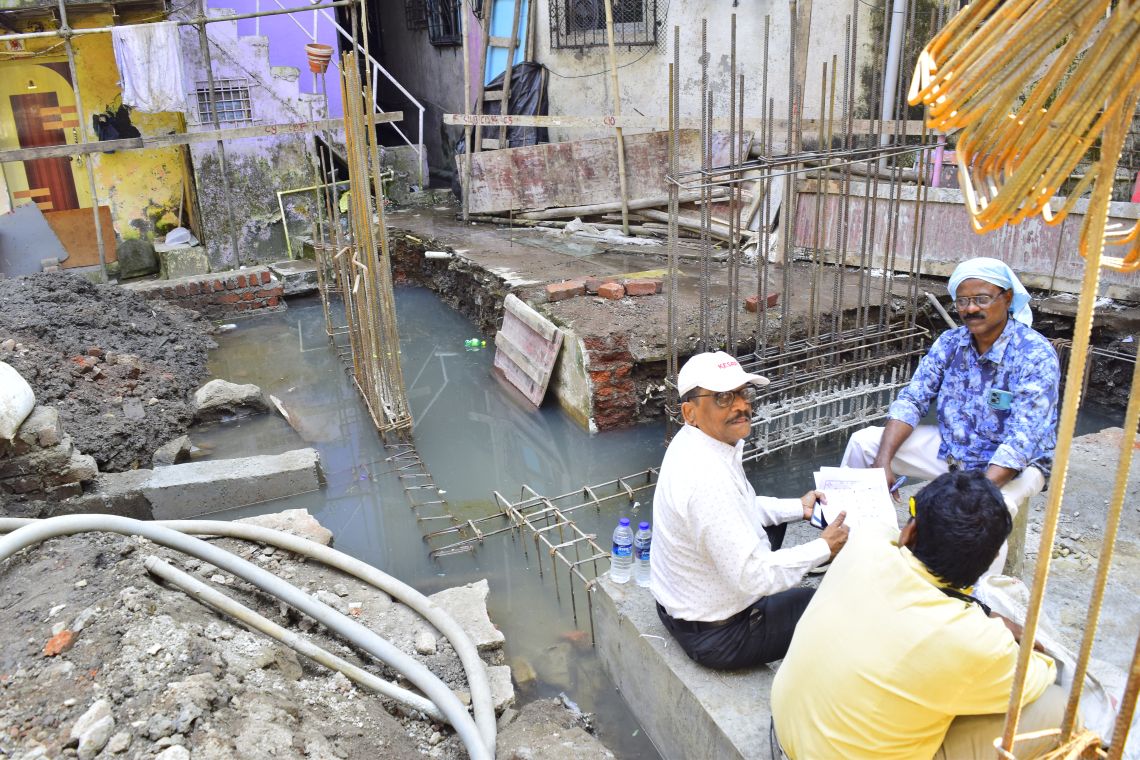

They say all living things are 70% water. This couldn’t be truer for Dharavi Koliwada. The indigenous fishing village that was once embedded in a watery landscape is now straitjacketed in a network of pipes and drains, with no room to manoeuvre without rupture. We have been working on the ABCD of Koliwada, a project that includes the development of an alternative water infrastructure system to replace the existing one. The alternative system that urbz is working on needs to be mindful of the fabric of Koliwada, the typology of its street network and its surface and sub-surface hydrology. Moreover, it needs to seamlessly transition from the existing infrastructure without disrupting the rhythm of daily life - to which water is central.
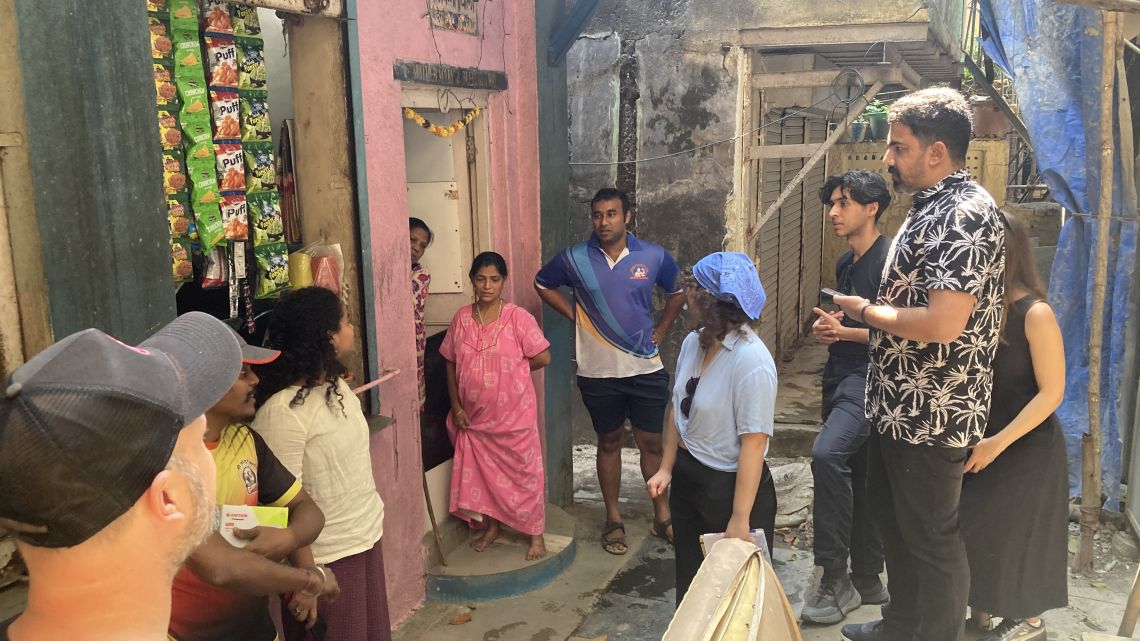
We have been documenting existing water networks, for which we rely on the resident Koli population to help us understand and unravel. During our walks with the students, we met friends from Koliwada who enlightened us on the water infrastructure flowing beside or under us, sharing anecdotes from the past and concerns about the present. This community participation helped build a picture of the ad hoc infrastructure that quenched and cleaned Koliwada.
To convey a broader urban narrative to the students, we needed to position this evolving picture within the landscape of the Mithi River system that neighbours Dharavi Koliwada. The Mithi River is a product of a manufactured urban landscape and has been gradually transformed into a giant sewer that transports soiled waters into the Sea. We took students into the Mithi to see the man-made fishing ponds of the Kolis. Protected by mangroves and manual labour, the ponds help to maintain their link to traditional livelihood and identity. Here, the students got to witness another relationship with Water, one more primal and unmediated by civic infrastructures, but shaped by collective effort, traditions and ritual.
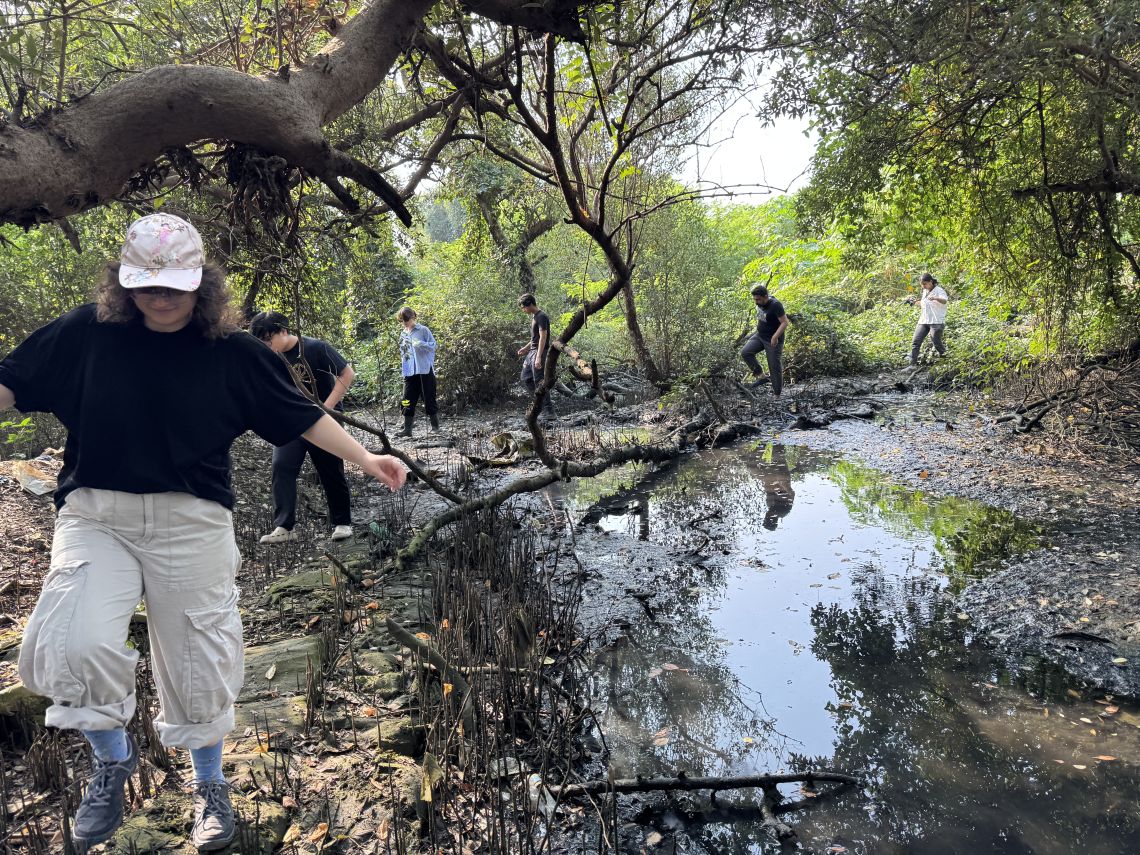

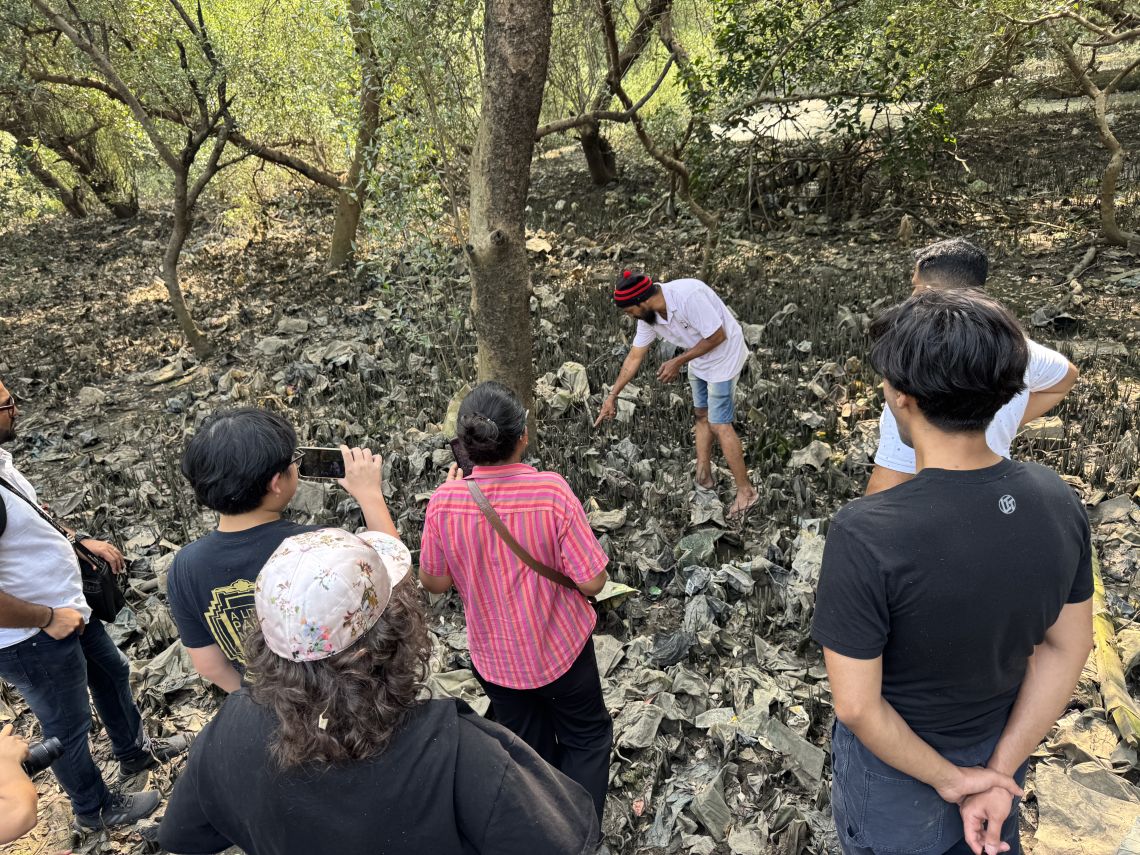

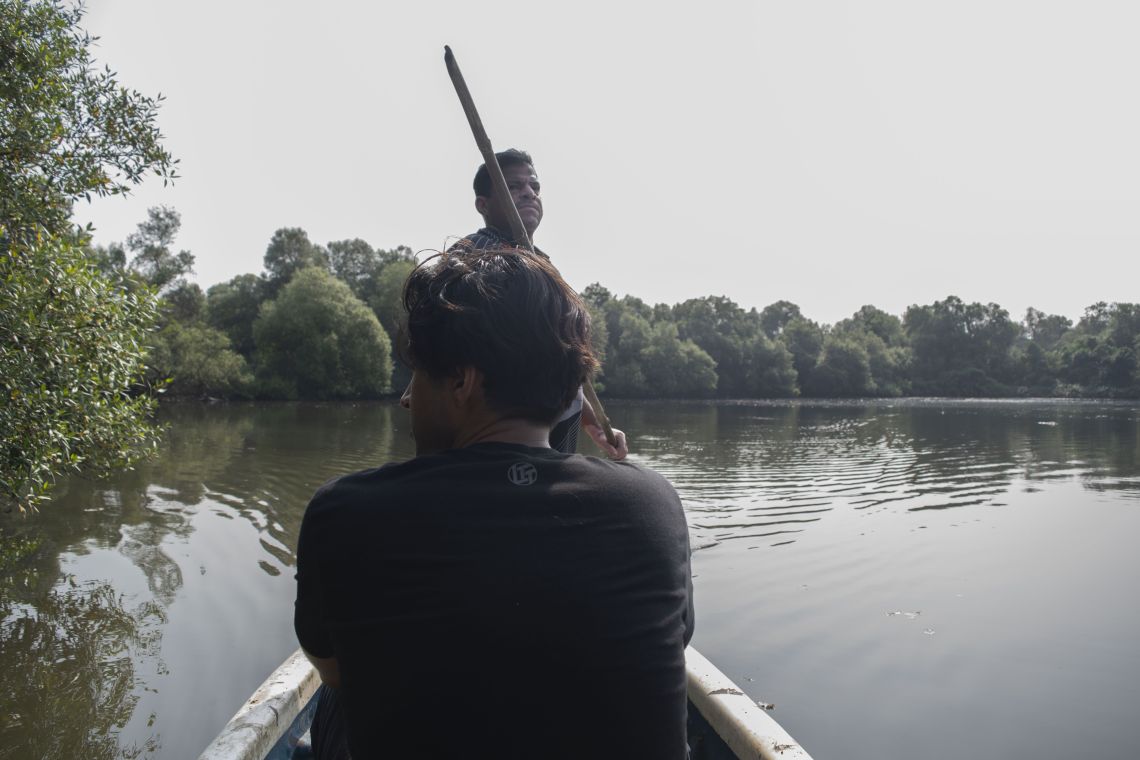

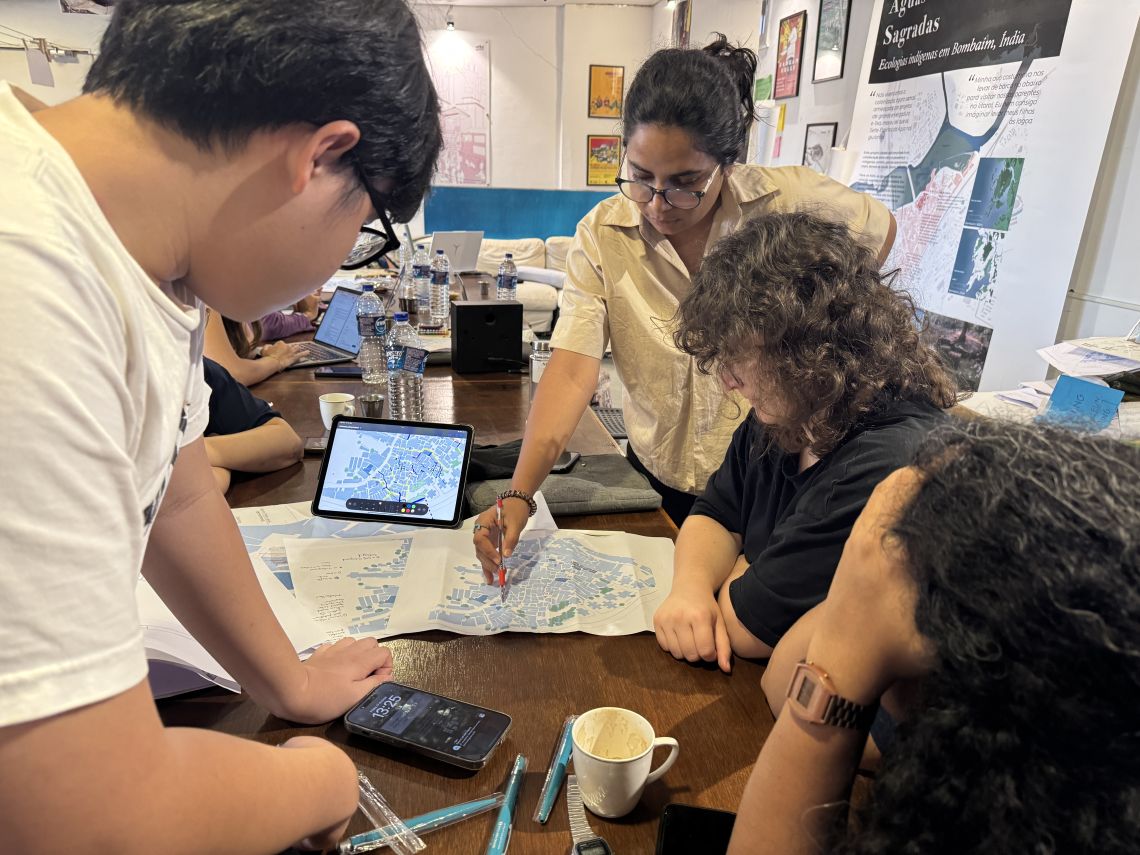
The students made their observations by scanning, mapping and investigating the ways in which Water used for cleaning and ablutions exits the neighborhood, most of which makes its way to the Mithi.
A meeting with the Dharavi Koli Jamat helped the group focus their attention on a smaller but relevant need that they could address without buy-in and investment from the municipality - a solution for the crumbling pedestrian infrastructure. The paths through the village are essentially all pedestrian and inseparable from the network of pipes and drains. Many drains also function as footpaths.
In the coming months the students will be putting together an open source collaborative mapping workflow for our team to use, we will also be working with them to come up with paving solutions that are affordable, easy to put together and dismantle - keeping in mind the changing water infrastructures beneath, strong enough to take the load of the occasional two wheeler and most importantly permeable to flows of rain and marshy groundwater. A tall order from the Dharavi Koli Jamat but nothing that the engineering students from NYUAD can't handle!



People involved

Related articles

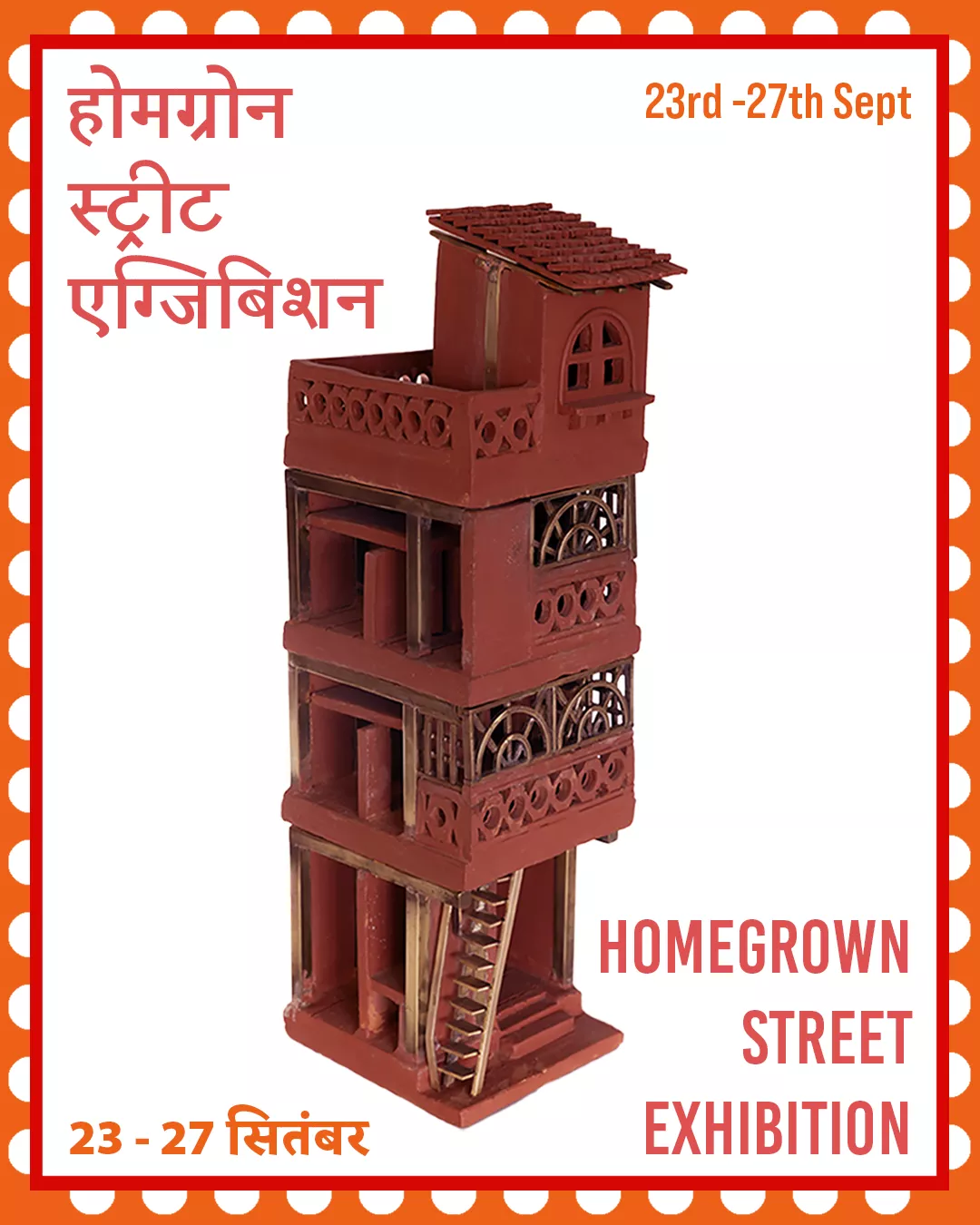
The Homegrown Street exhibition opened on 23rd September, bringing together years of work. Residents of Sangam Gully in Dharavi imagined their future homes, local contractors designed them, and artisans from across Mumbai built 17 models in leather, brass, steel, embroidery, clay and more. This article follows the builders and craftspeople at the opening as they see their skills celebrated, many for the first time. Open daily until 27th September, 10:00 am to 7:00 pm.
Join us to celebrate the talent and skills of local builders in Homegrown settlements!


After the earthquake that shook El Choco region and Cali, local associations are mobilising to provide basic necessities and build shelters.

Tucked away in Sangam Gully, is Trissha's tattoo studio. She is a friendly woman, with a warm demeanour and a knack for challenging herself. Step into her studio to get a glimpse into the everyday life of an artist and the unspoken reliability of community.

Through Mary Maushi’s steel dabbas, this story follows the daily journey of a home-cooked Koli meal from her kitchen in Dharavi Koliwada to the shared lunch table at urbz. Along the way, it explores food, inherited knowledge, and the conversations that unfold around a meal

An old building in Dharavi Koliwada stands at the threshold of change. Through conversations with the residents of Jantu Bai Niwas, this story explores the hopes, concerns, and everyday realities shaping the future of a community in transition.
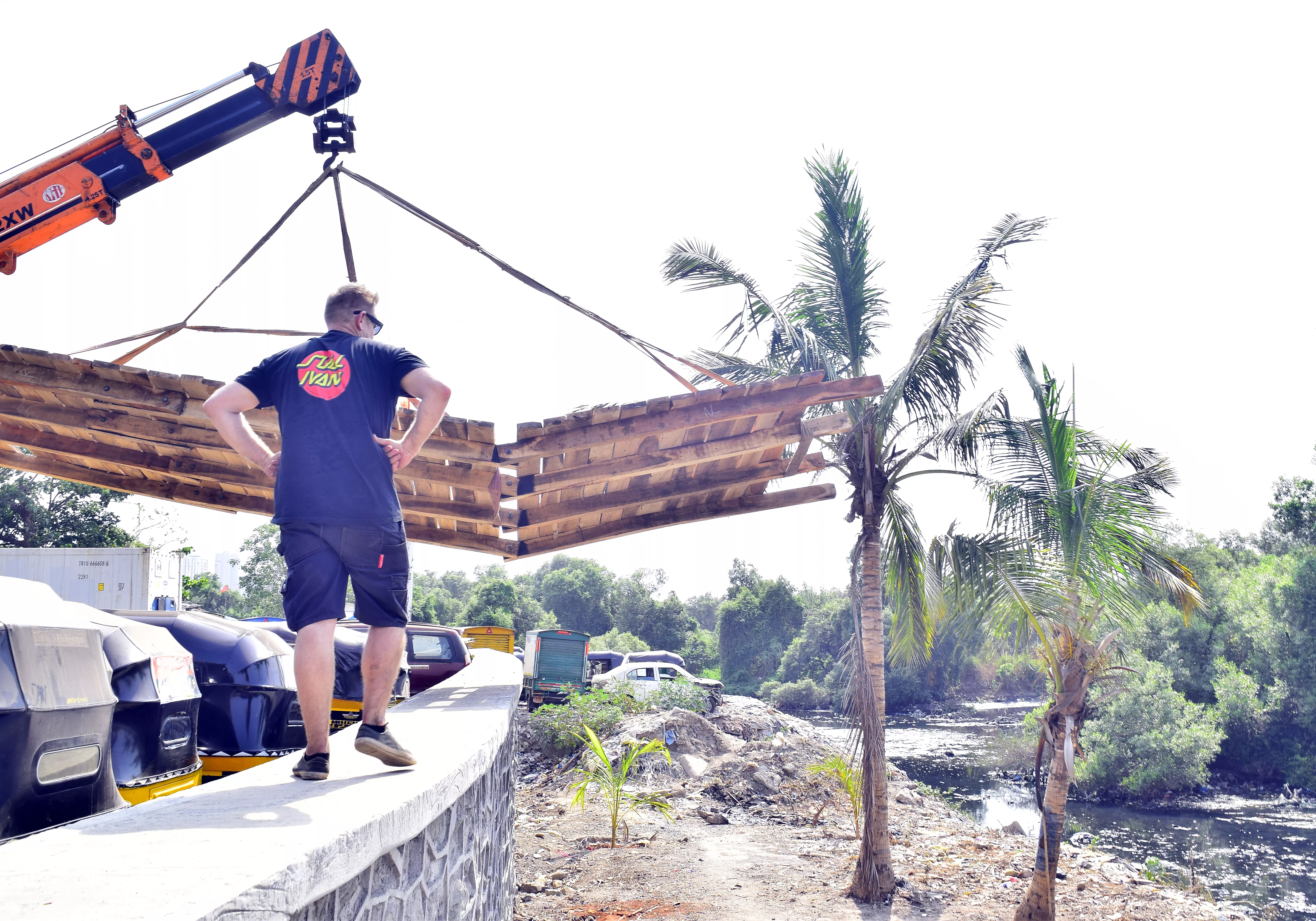
Dharavi Koliwada is on a mission to re-establish a dwindling connection to its fishing ponds. Along with the crew from Sullivan Carpentry and urbz, they are actively designing and building an amphibious device that helps fishing boats get into the water.