Dharavi Weekly 03 - The Food Issue
Authors
Authors




Dharavi Weekly 03 - The Food Issue
Authors
Authors
Related articles

The Homegrown Street exhibition opened on 23rd September, bringing together years of work. Residents of Sangam Gully in Dharavi imagined their future homes, local contractors designed them, and artisans from across Mumbai built 17 models in leather, brass, steel, embroidery, clay and more. This article follows the builders and craftspeople at the opening as they see their skills celebrated, many for the first time. Open daily until 27th September, 10:00 am to 7:00 pm.


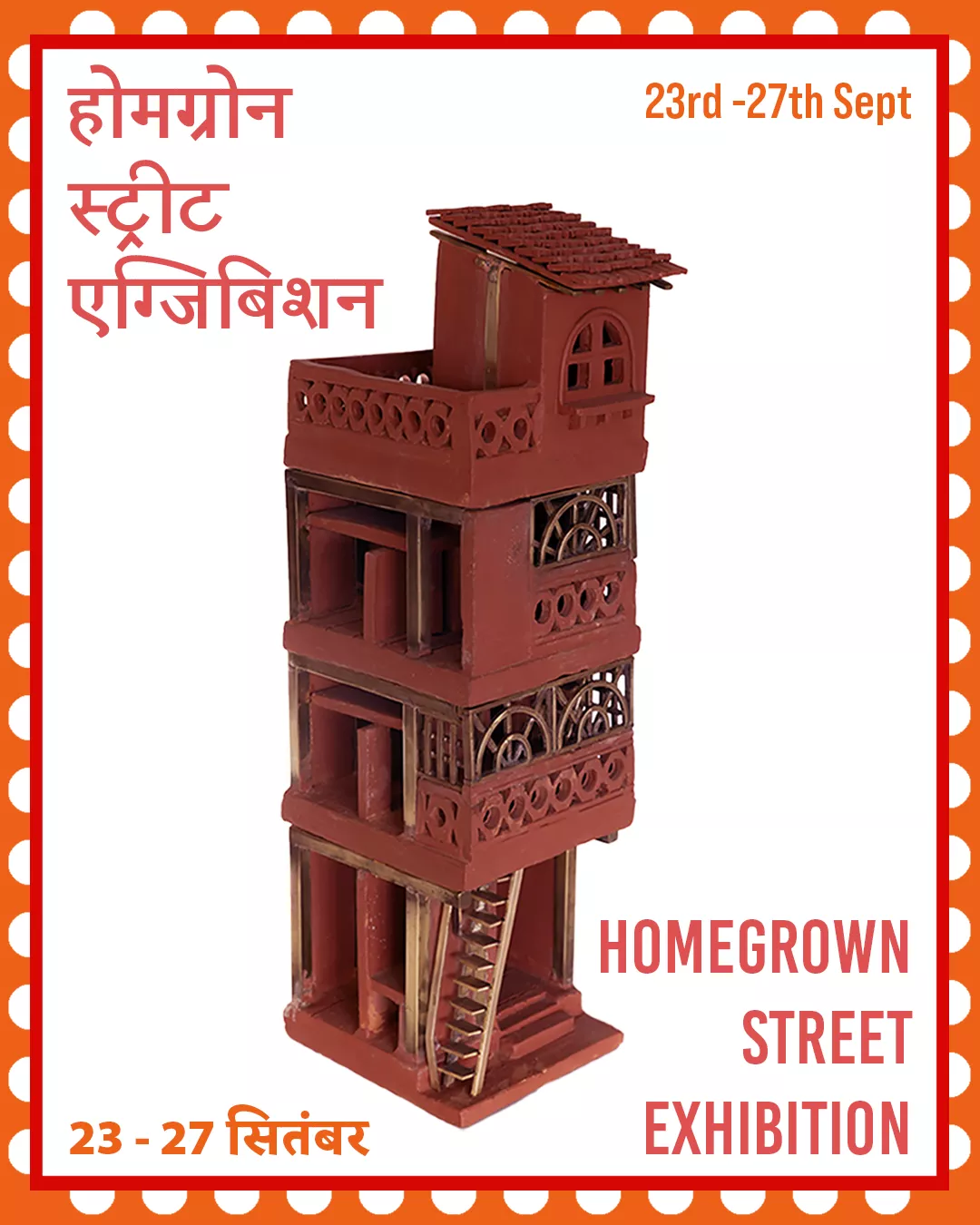
Join us to celebrate the talent and skills of local builders in Homegrown settlements!



After the earthquake that shook El Choco region and Cali, local associations are mobilising to provide basic necessities and build shelters.

Tucked away in Sangam Gully, is Trissha's tattoo studio. She is a friendly woman, with a warm demeanour and a knack for challenging herself. Step into her studio to get a glimpse into the everyday life of an artist and the unspoken reliability of community.


An old building in Dharavi Koliwada stands at the threshold of change. Through conversations with the residents of Jantu Bai Niwas, this story explores the hopes, concerns, and everyday realities shaping the future of a community in transition.
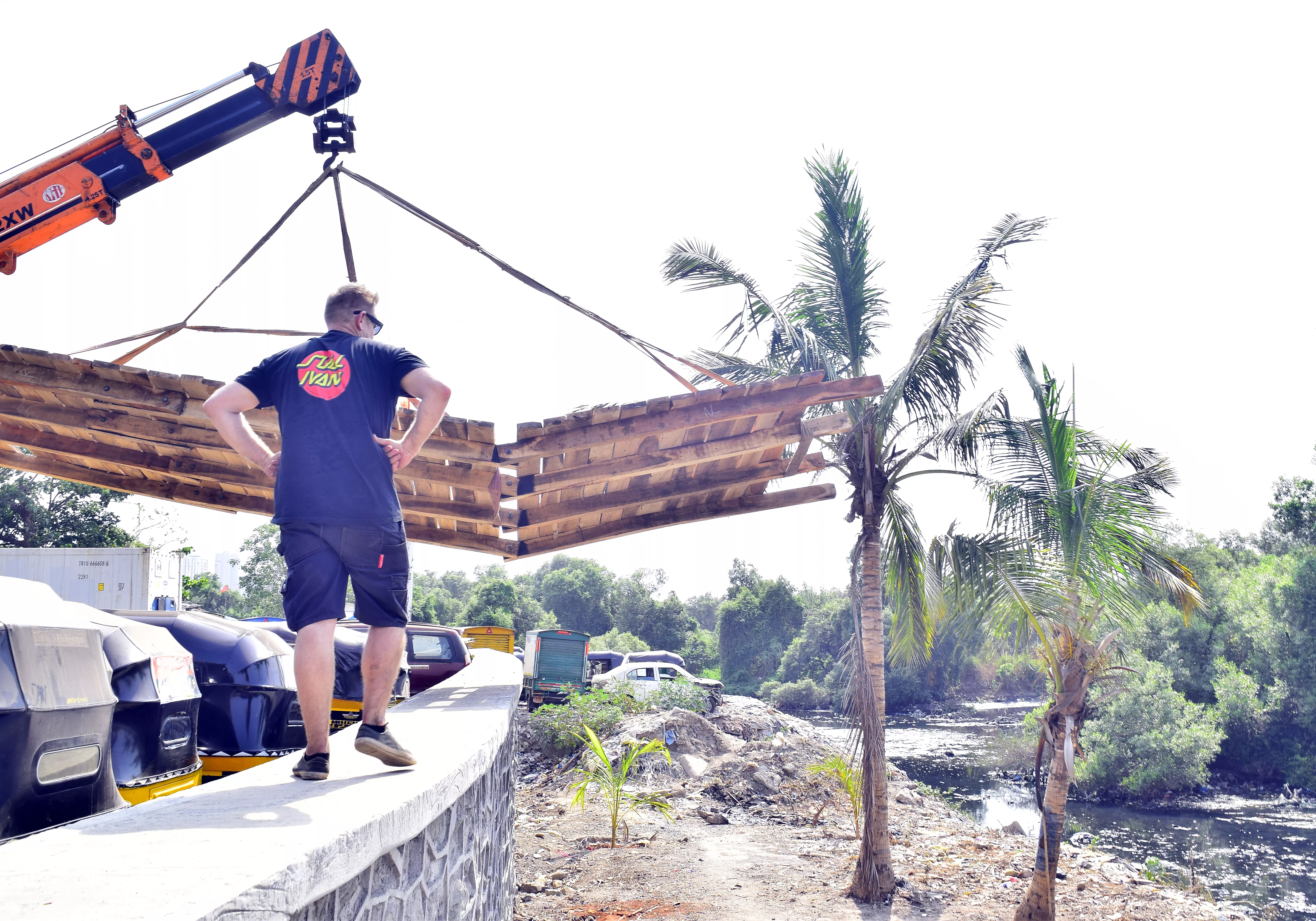
Dharavi Koliwada is on a mission to re-establish a dwindling connection to its fishing ponds. Along with the crew from Sullivan Carpentry and urbz, they are actively designing and building an amphibious device that helps fishing boats get into the water.

This compilation of prose and poetry emerges from the most incredible time I spent in Dharavi working with urbz Mumbai.

This compilation of prose and poetry emerges from the most incredible time spent in Dharavi working with urbz Mumbai.
Abhay Narasimhan

This week, urbz is at the 13th World Urban Forum, joining over 40,000 urban thinkers, policymakers and practitioners from 182 countries gathered in Baku, Azerbaijan, around a pressing question: how do we house the world?

How Dharavi exposes the Limits of Professionalism with each frame...