
From a small porch in Koliwada, Laxmi Vaity strings flowers, shares conversations, and nurtures the relationships that shape her everyday life. A glimpse into a community where home extends far beyond four walls.

On a scorching summer afternoon, when the weather greeted us so badly, this sweet family welcomed us, distracting us from the heat with their warmth! That, and the wonderful smell of vadas too...
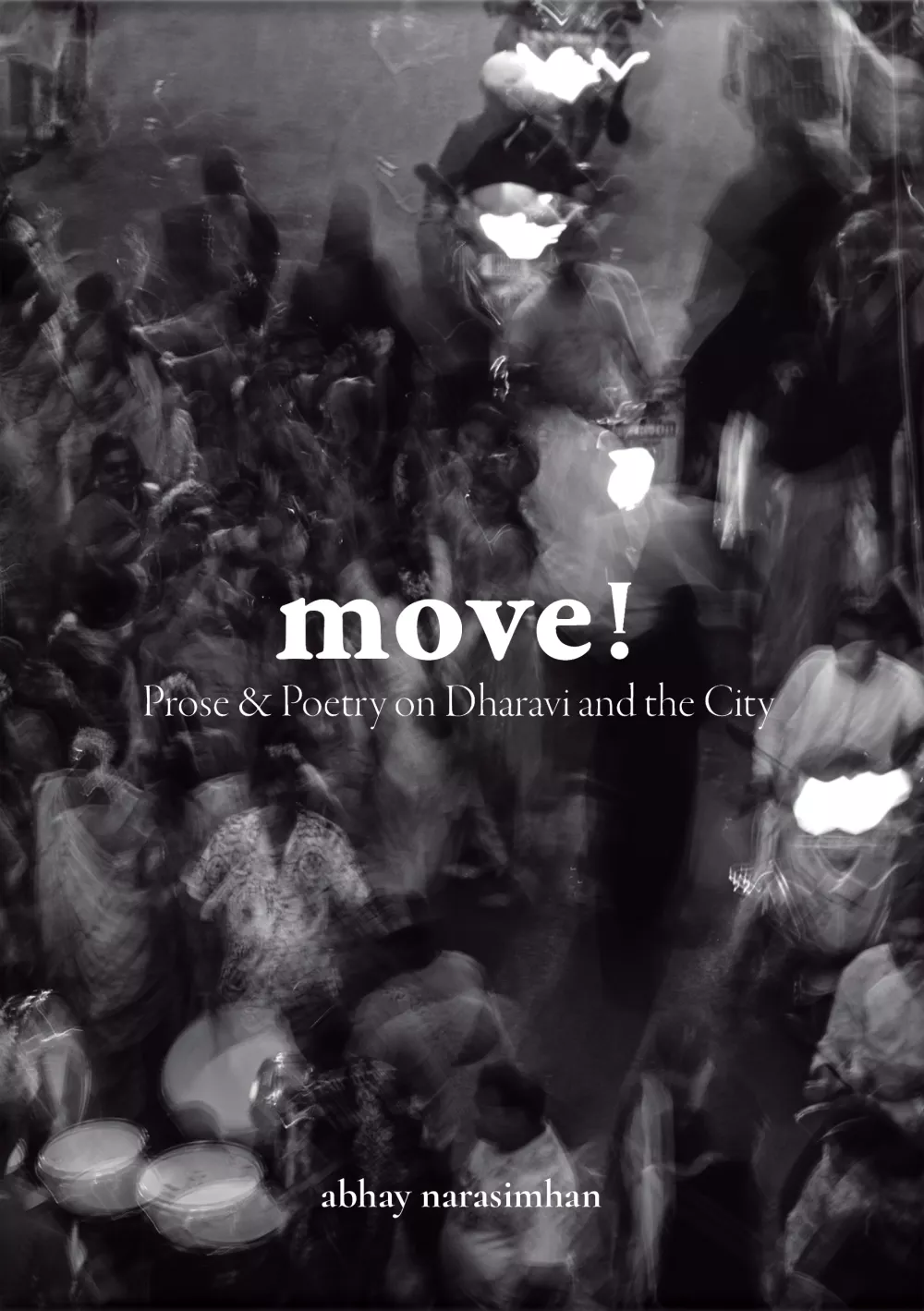
This compilation of prose and poetry emerges from the most incredible time I spent in Dharavi working with urbz Mumbai.
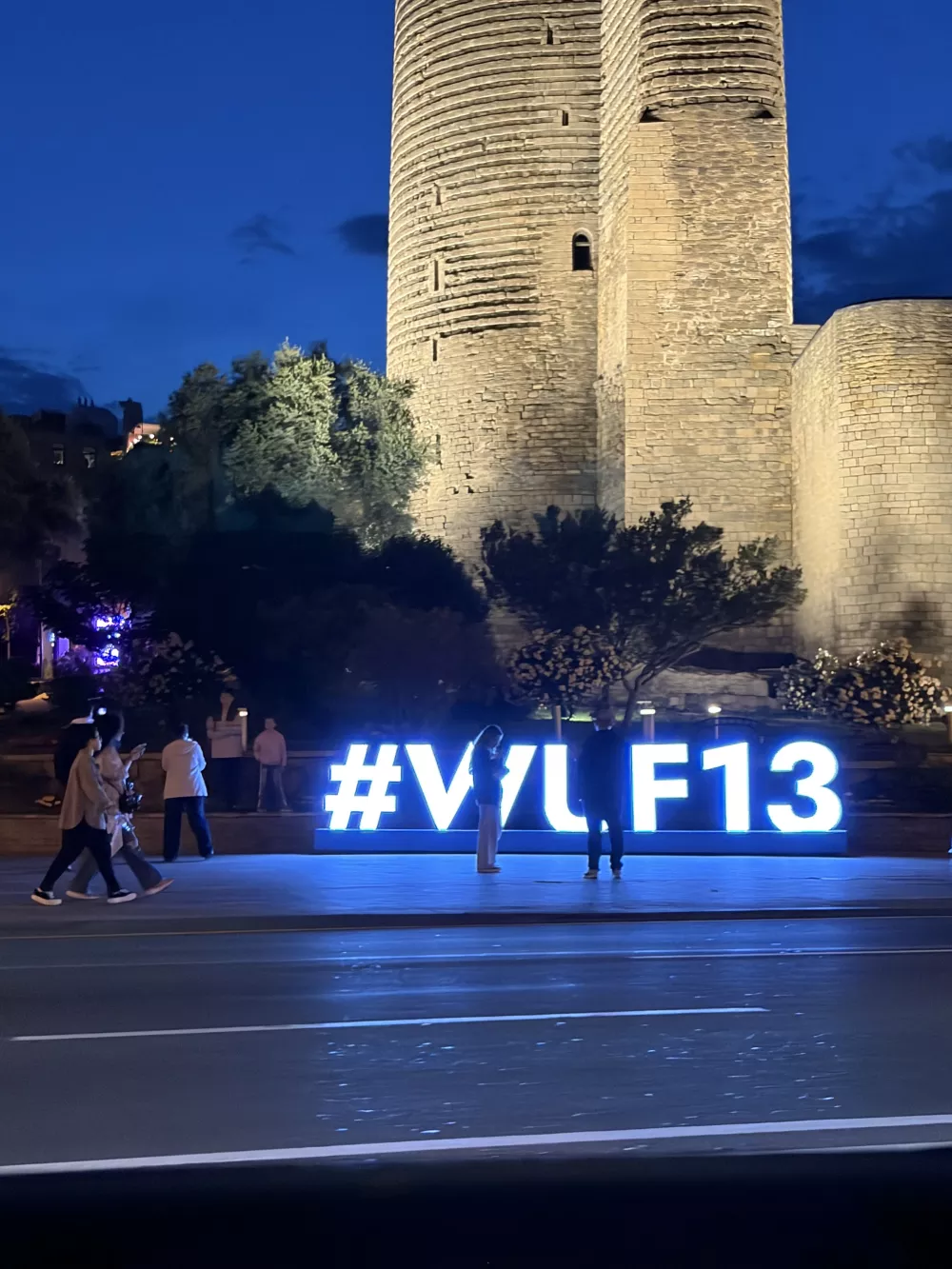
This week, urbz is at the 13th World Urban Forum, joining over 40,000 urban thinkers, policymakers and practitioners from 182 countries gathered in Baku, Azerbaijan, around a pressing question: how do we house the world?

How Dharavi exposes the Limits of Professionalism with each frame...

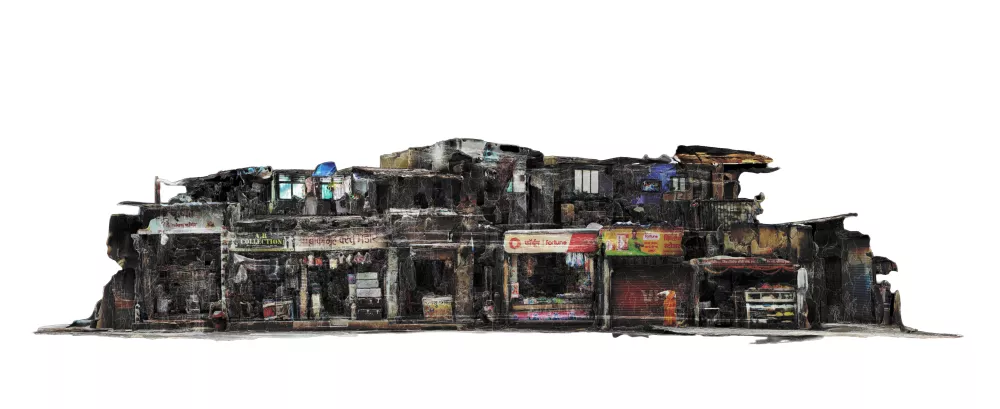
The following text recounts Paarth and Abhay’s experience measuring a plot of land owned by Ramesh Koli and his family. The plot includes a house and 7 shops that face the street. The family hopes to redevelop the plot with urbz.
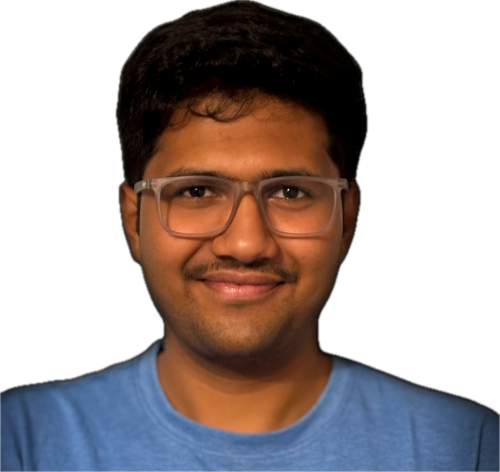
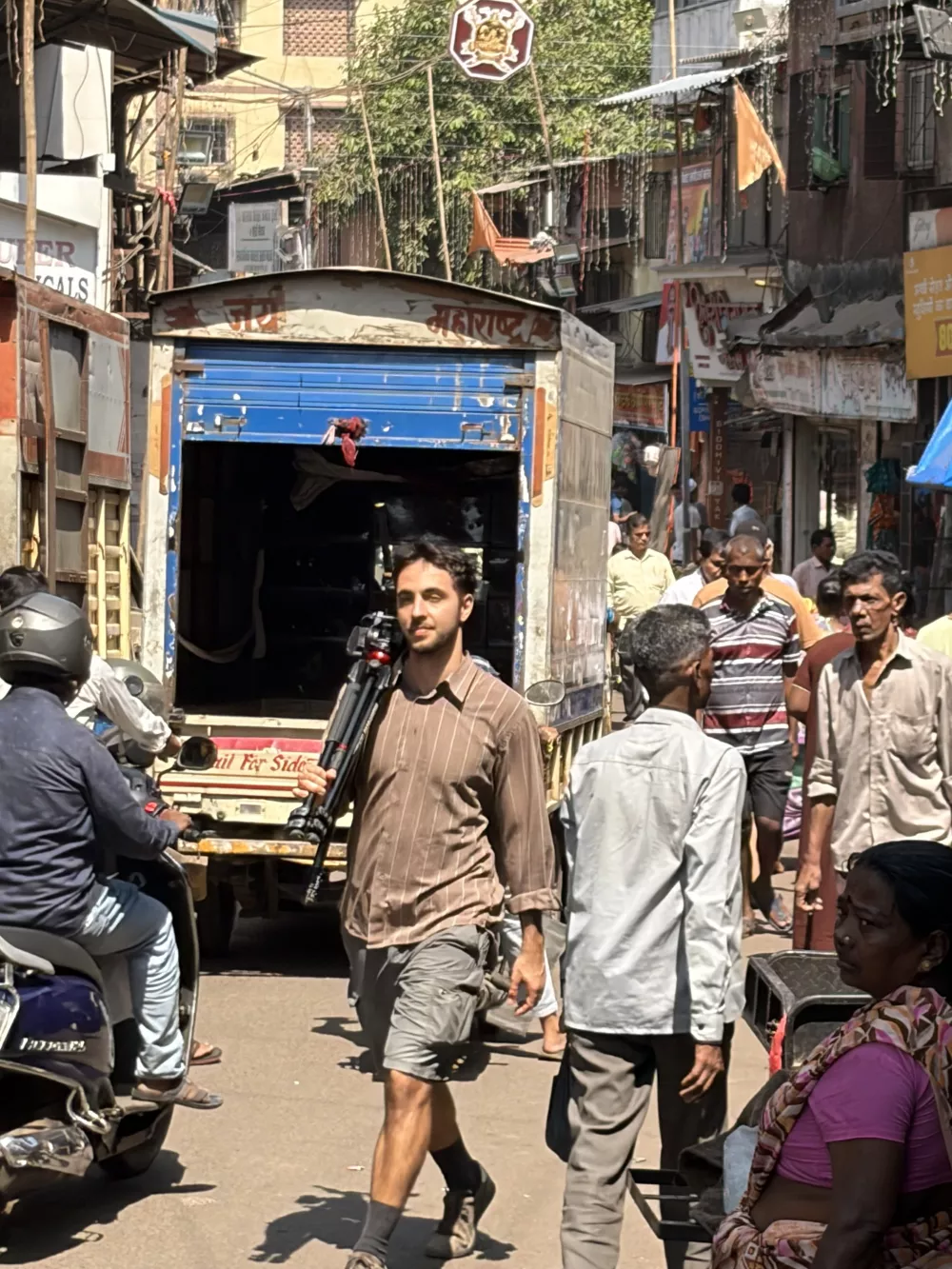
An interview with Liron Shalit, our filmmaker-in-residence. He is an award-winning documentary filmmaker focused on social issues, human rights, and ethical urbanism. Recently, the urbz office hosted a screening of his film Living Euljiro that traces the neglected losses of those living within a centuries-old district of maze-like alleys at the heart of Seoul (Synopsis). We speak to him about his craft, his lessons from Euljiro, and his time here in Dharavi.
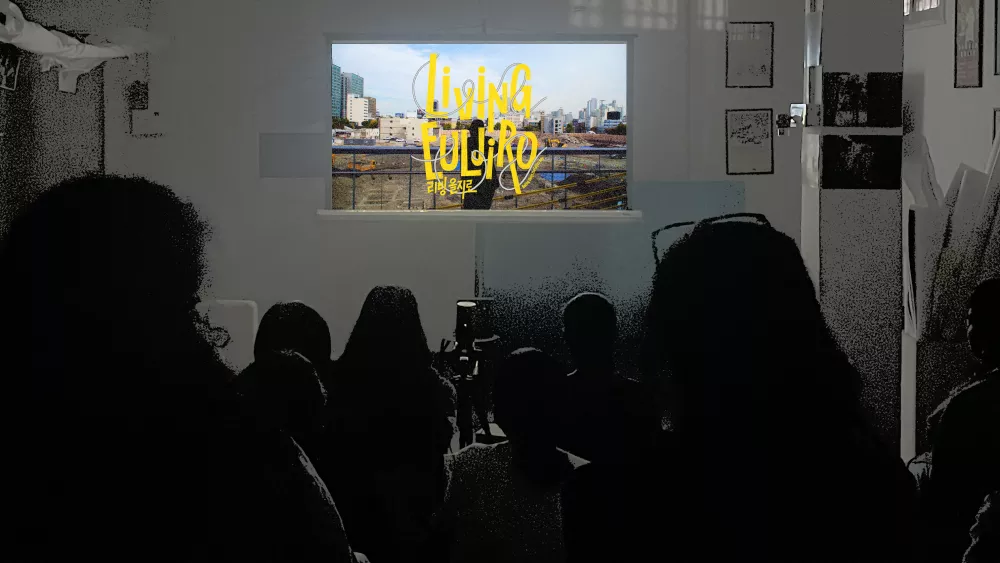
Living Euljiro is a film directed by Liron Shalit. Liron has been creating award-winning short documentaries since 2017, exploring themes such as social issues, human rights, disability, natural disasters, and urban life. Since relocating to Seoul in 2022, he has focused on documenting disappearing spaces and communities, capturing the distinctive culture of Euljiro and the stories of the people who live and work there.
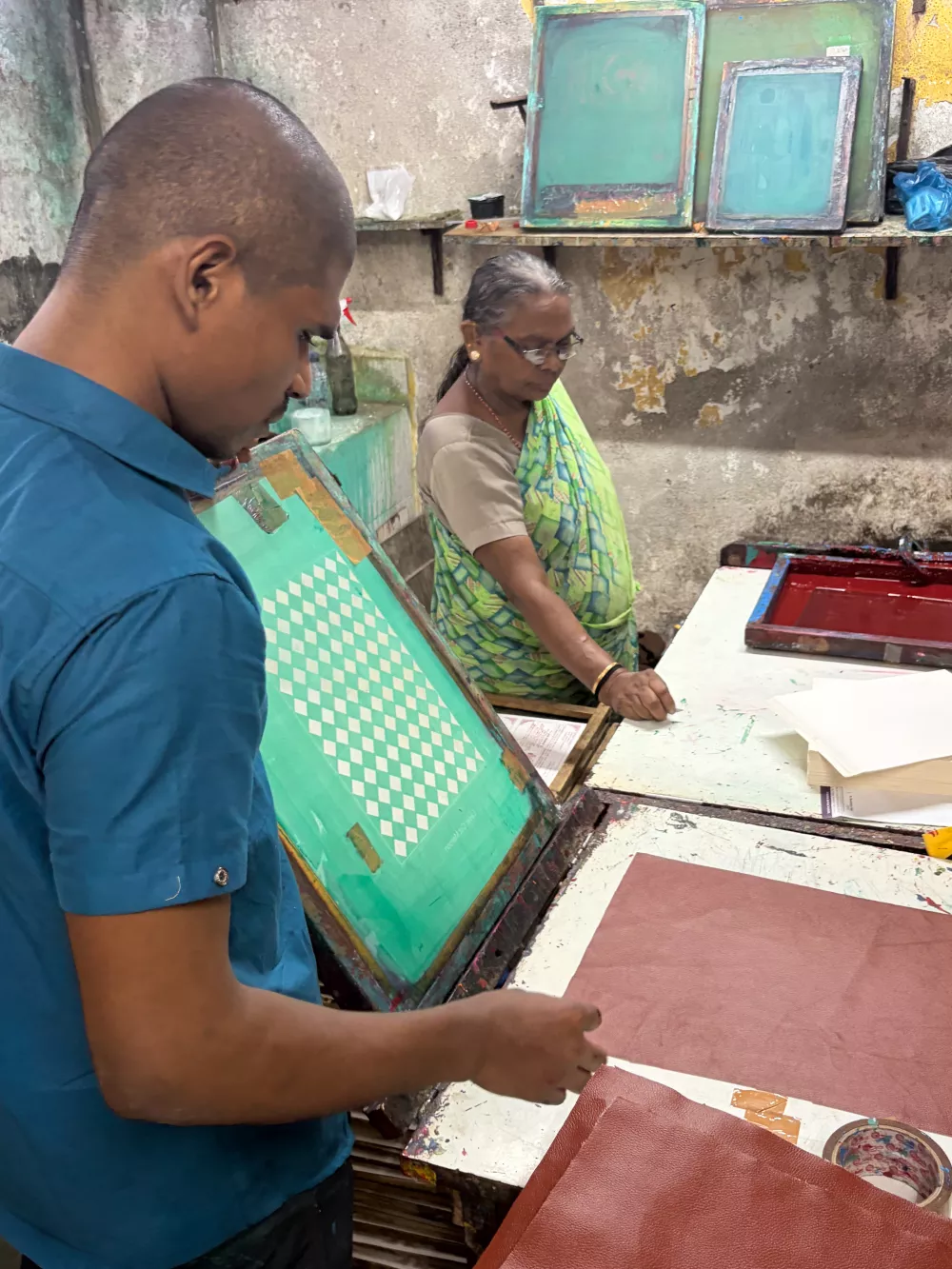
In a lane off the bustling 90 Feet Road in Dharavi, there is a tiny studio dedicated to all types of screen printing. Laxmi and Mani are an unlikely duo that expertly handle the screenprinting needs of customers across the city. They talk to us about a lifetime spent in the industry.
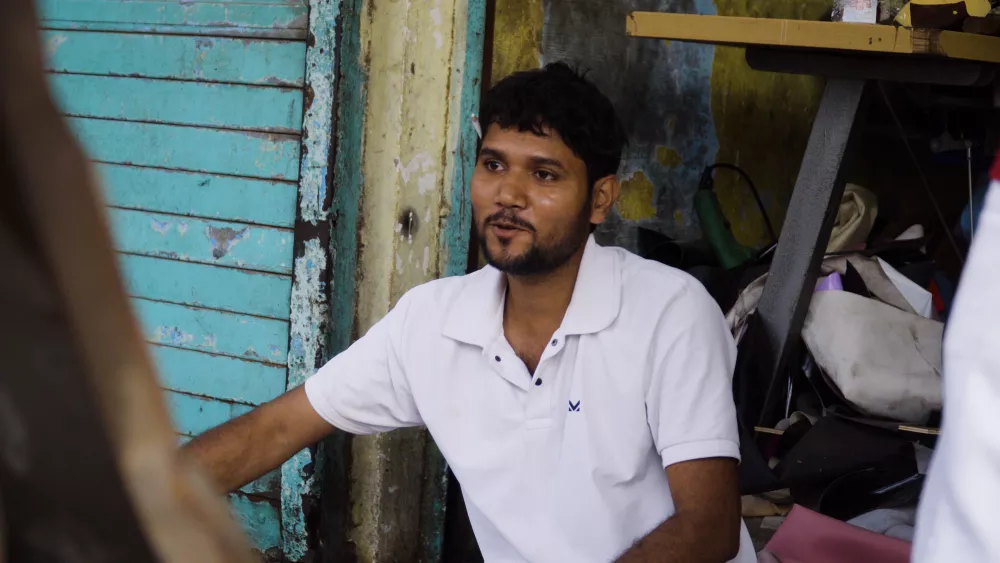
In Mumbai, autorickshaws are more than everyday transport; they’re personalised spaces on wheels. Drivers express parts of their identities through small interior details. From a tiny shop in Dharavi, Nanu Woodwallah designs and stitches these custom interiors. Carrying forward his father’s craft, he transforms standard rickshaws into distinctive, character-filled environments.