Dharavi Weekly 03 - The Food Issue
Authors
Authors


Dharavi Weekly 03 - The Food Issue
Authors
Authors
Related articles
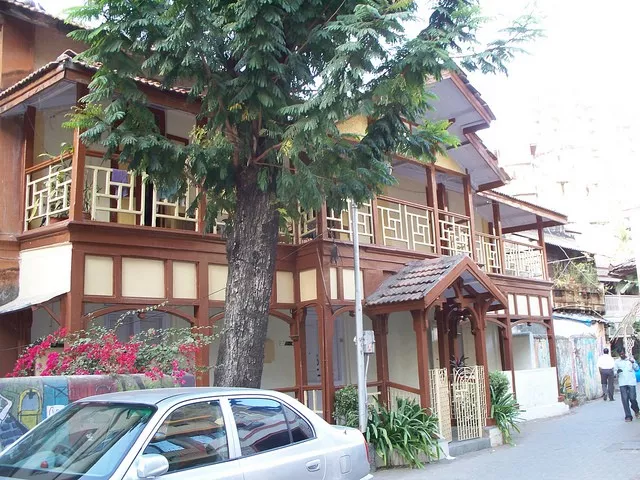
Residents keep intervening and changing their homes in the process of living, and this contributes to conservation

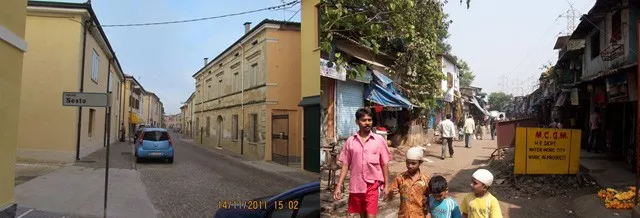
Similarities between urban villages in Mumbai and Italy.
A global trend may be more fantasy than substance. (The Hindu 17/02/2018)
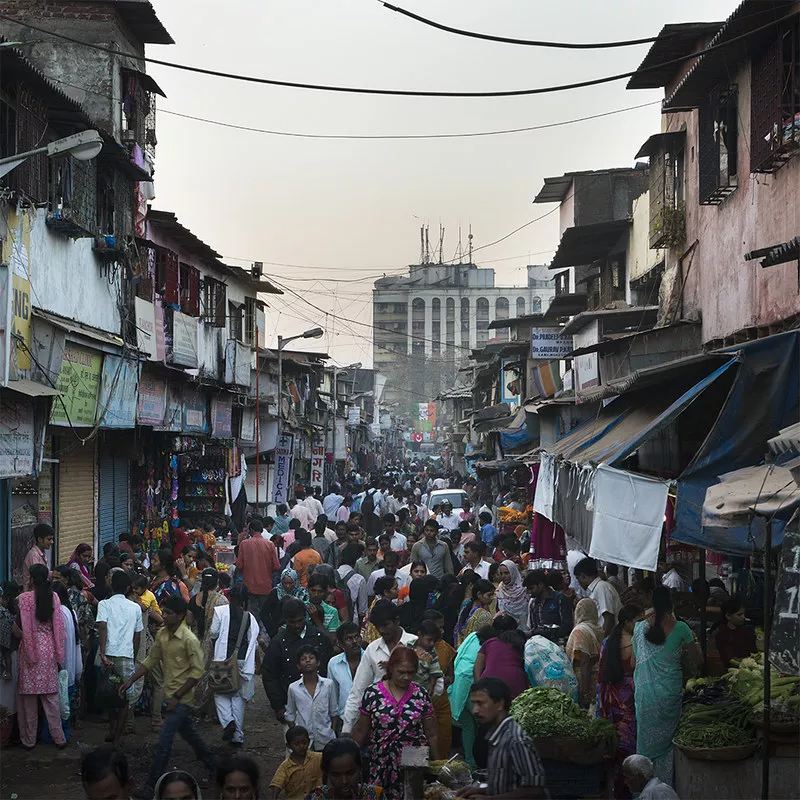
Dharavi has been an interesting setting for many Mumbai based films. This article discusses a few films from the past decades that feature Dharavi as a place central to their narratives.

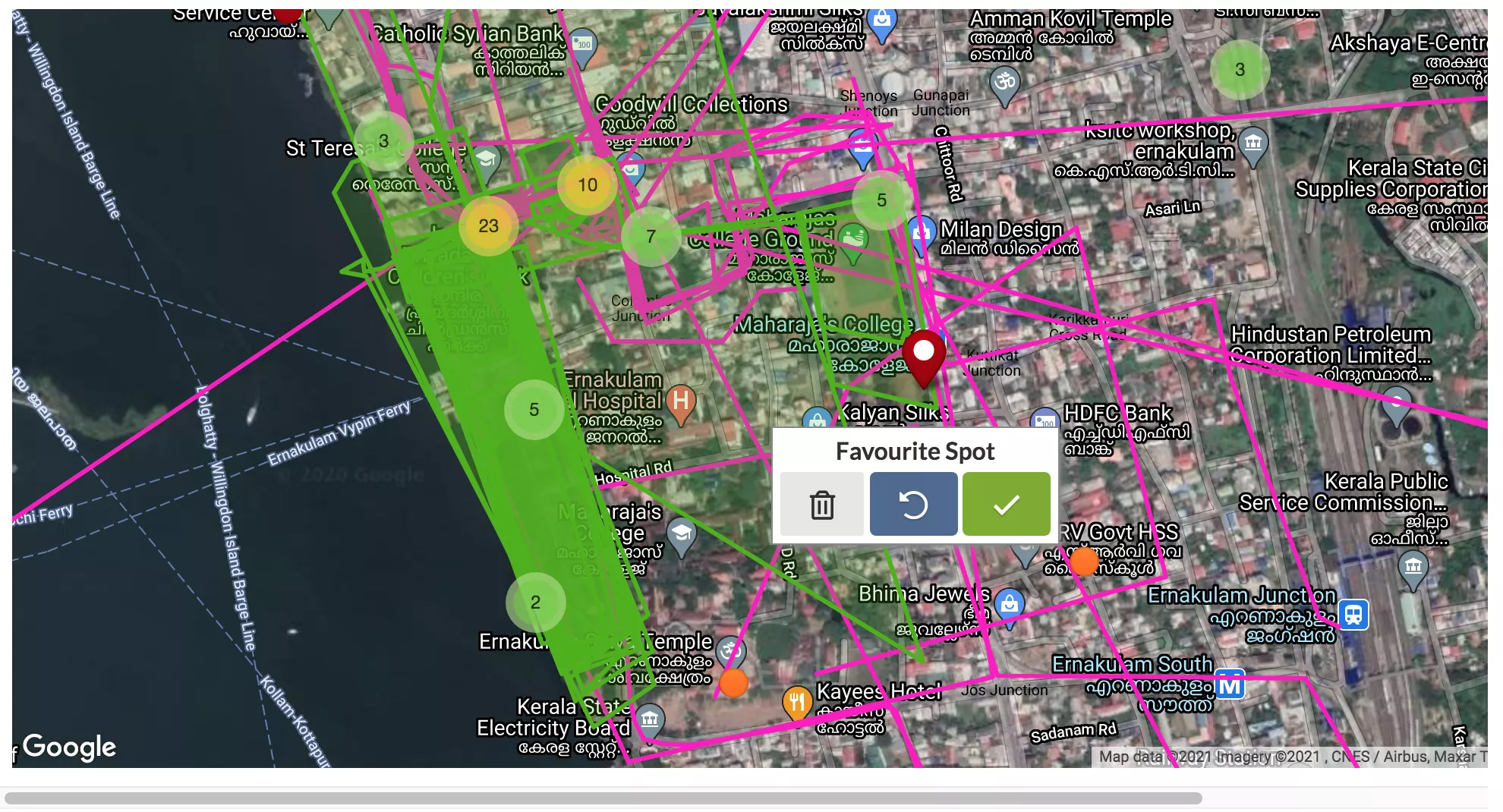
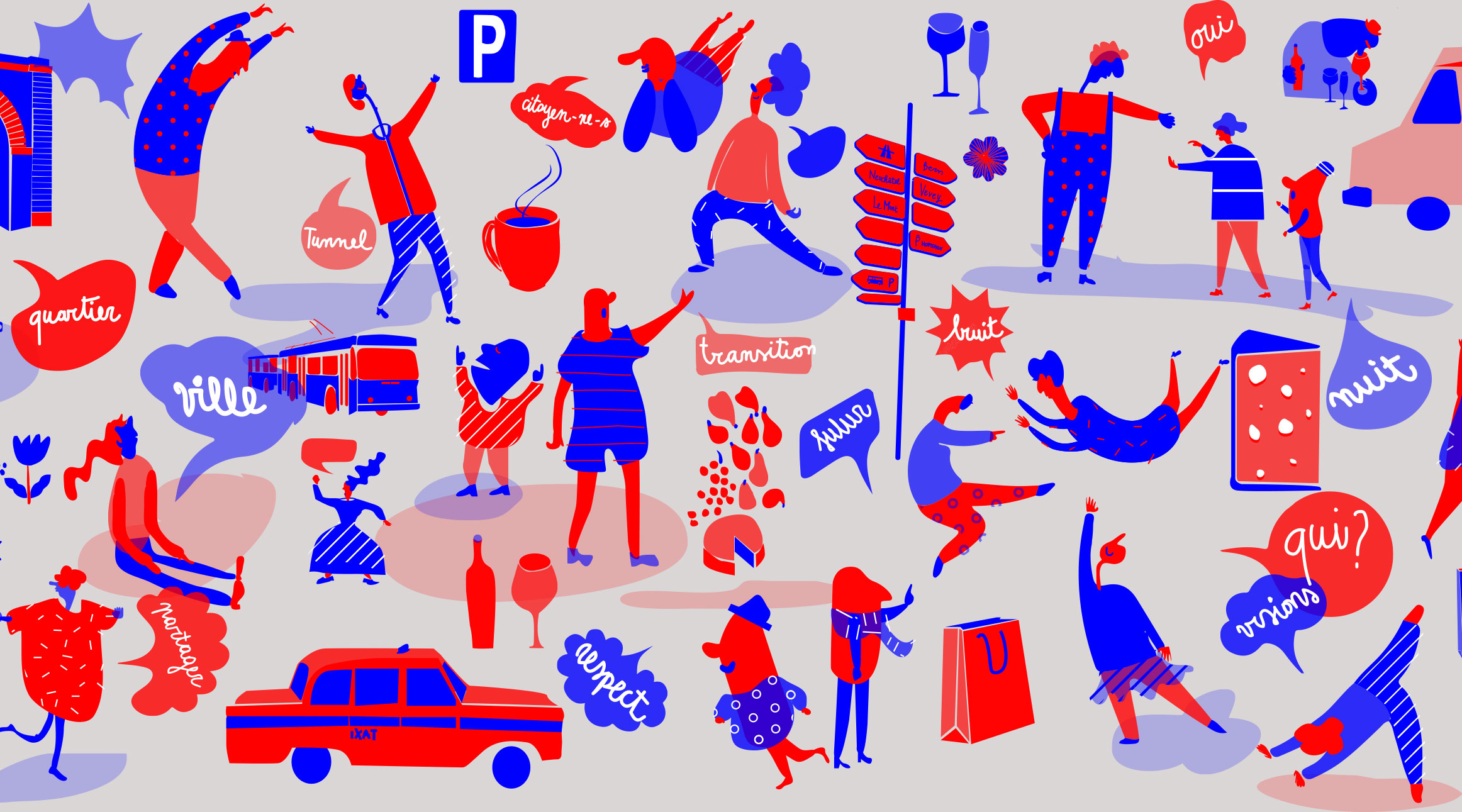
The urban design competition EnteKochi 2020 focused on integrating a participatory approach within the planning process for the city of Kochi. The competition was planned for, announced and conducted during the pandemic induced nation wide lockdown. This article provides a glimpse of the process.


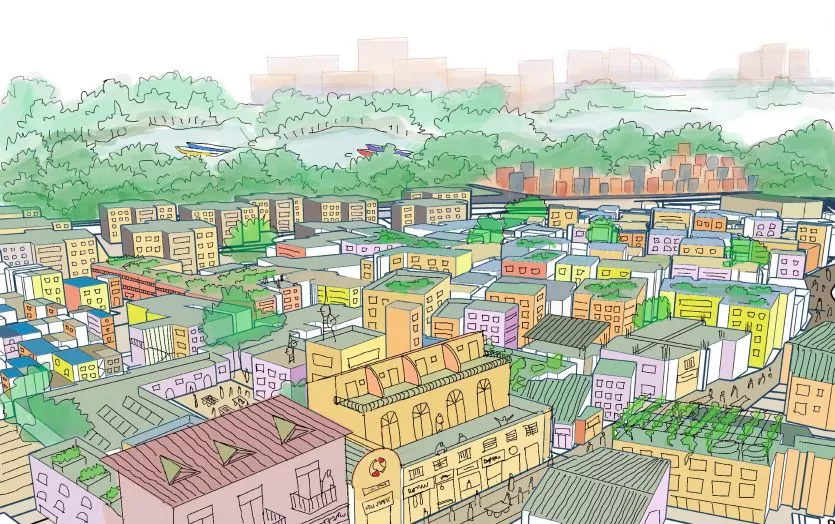
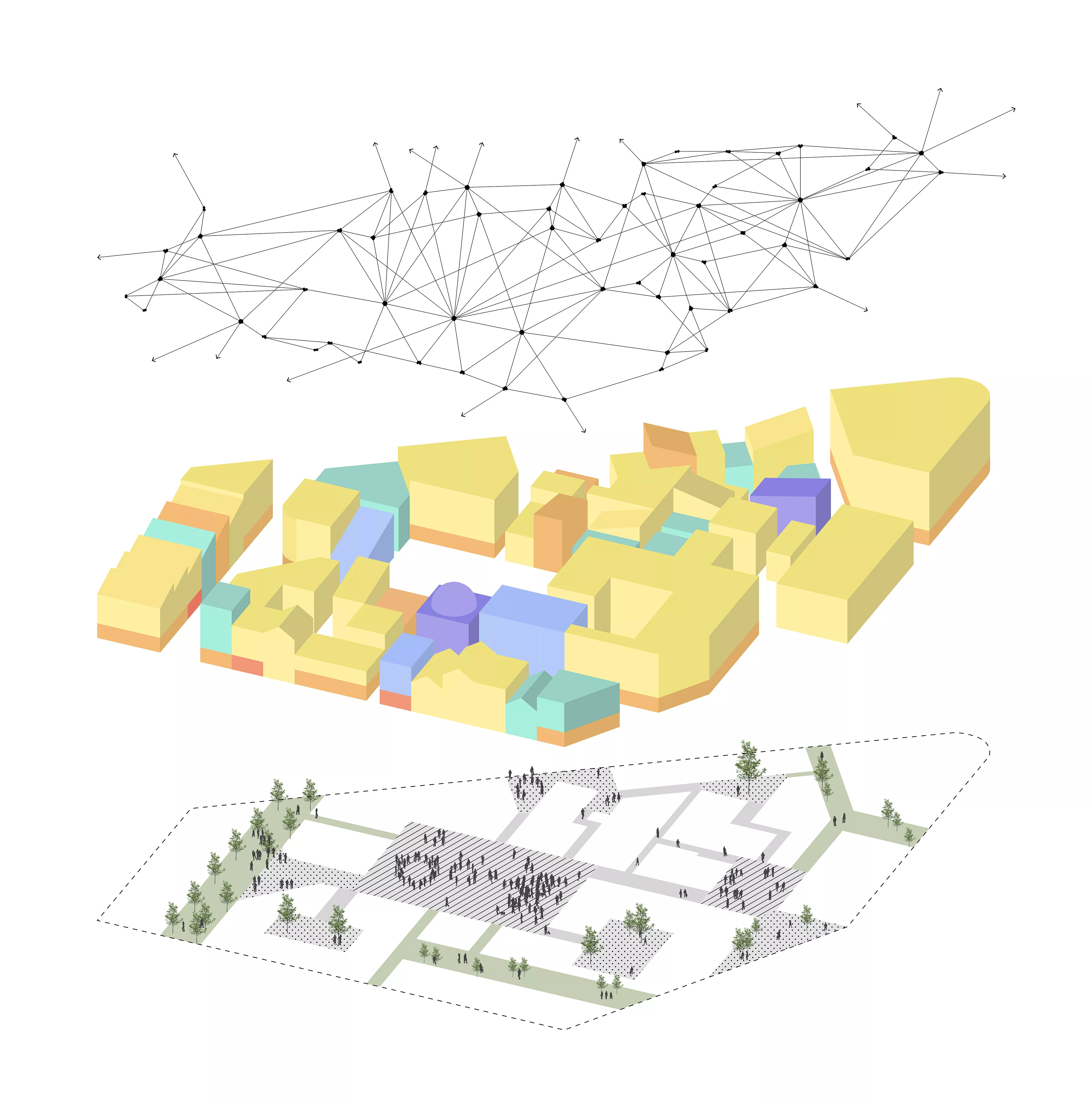
This article presents the Koliwada in Dharavi through the evolution of its built and natural environment, tracing the Koli's fight for their land, how the community is leading the development of their neighbourhood and our role in it.



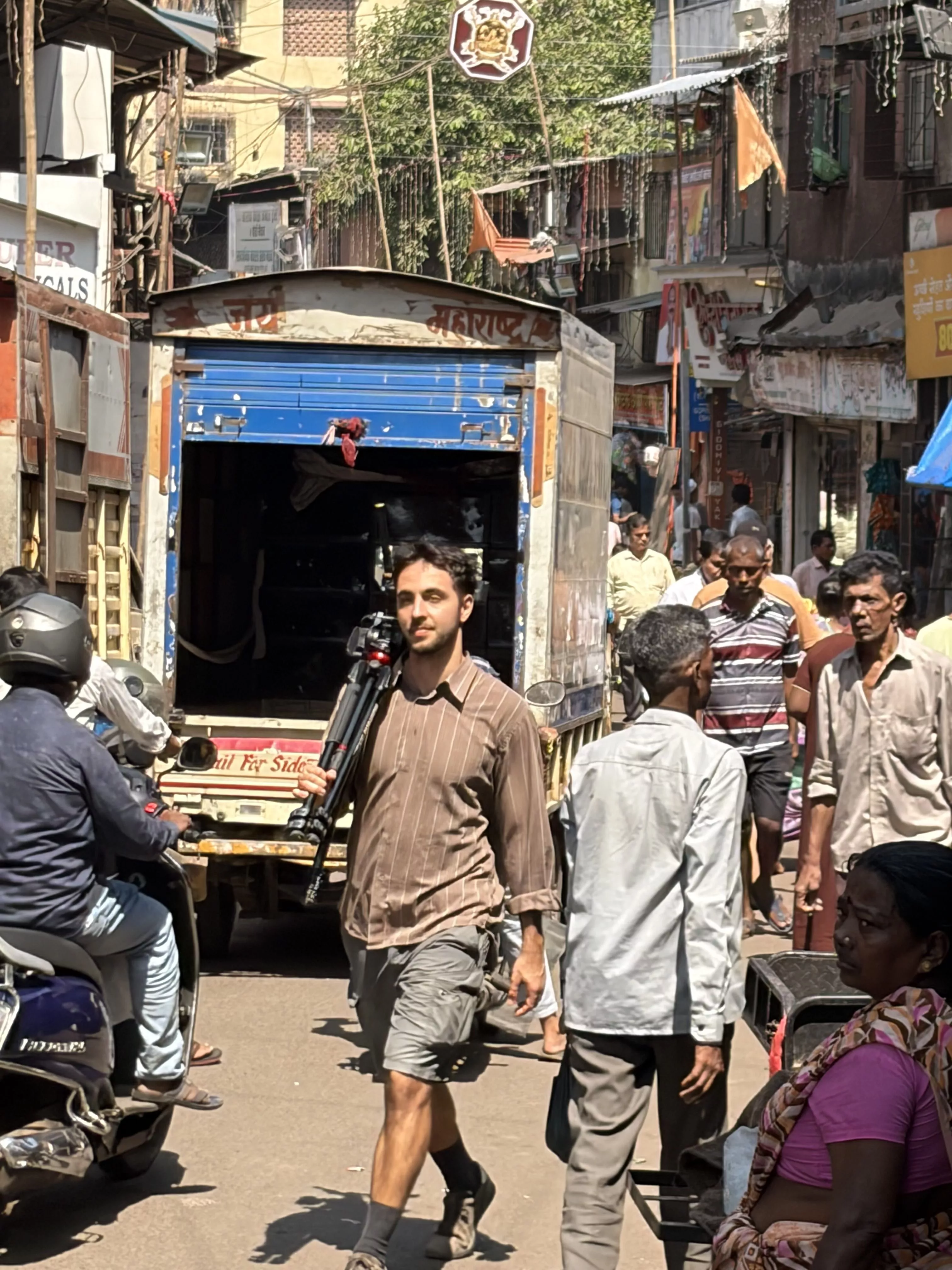
An interview with Liron Shalit, our filmmaker-in-residence. He is an award-winning documentary filmmaker focused on social issues, human rights, and ethical urbanism. Recently, the urbz office hosted a screening of his film Living Euljiro that traces the neglected losses of those living within a centuries-old district of maze-like alleys at the heart of Seoul (Synopsis). We speak to him about his craft, his lessons from Euljiro, and his time here in Dharavi.
It is commonplace in Brazil that ‘favelas’ are a pervasive part of the urban landscape. Recently however, alternative, bottom-up models have emerged that slowly change this scenario.
Ahmedabad in the race of developing cities of India where inspite large availability of land the property prices are shooting up.
This article is part of the following collection
urbz researched and reported on the ground realities in Dharavi during the COVID-19 pandemic. This series of reports was published from April to November, 2020. We have compiled a collection of four pandemic-focused articles, fifteen Dharavi Weekly issues, and five Dharavi Fortnightly issues available for download.